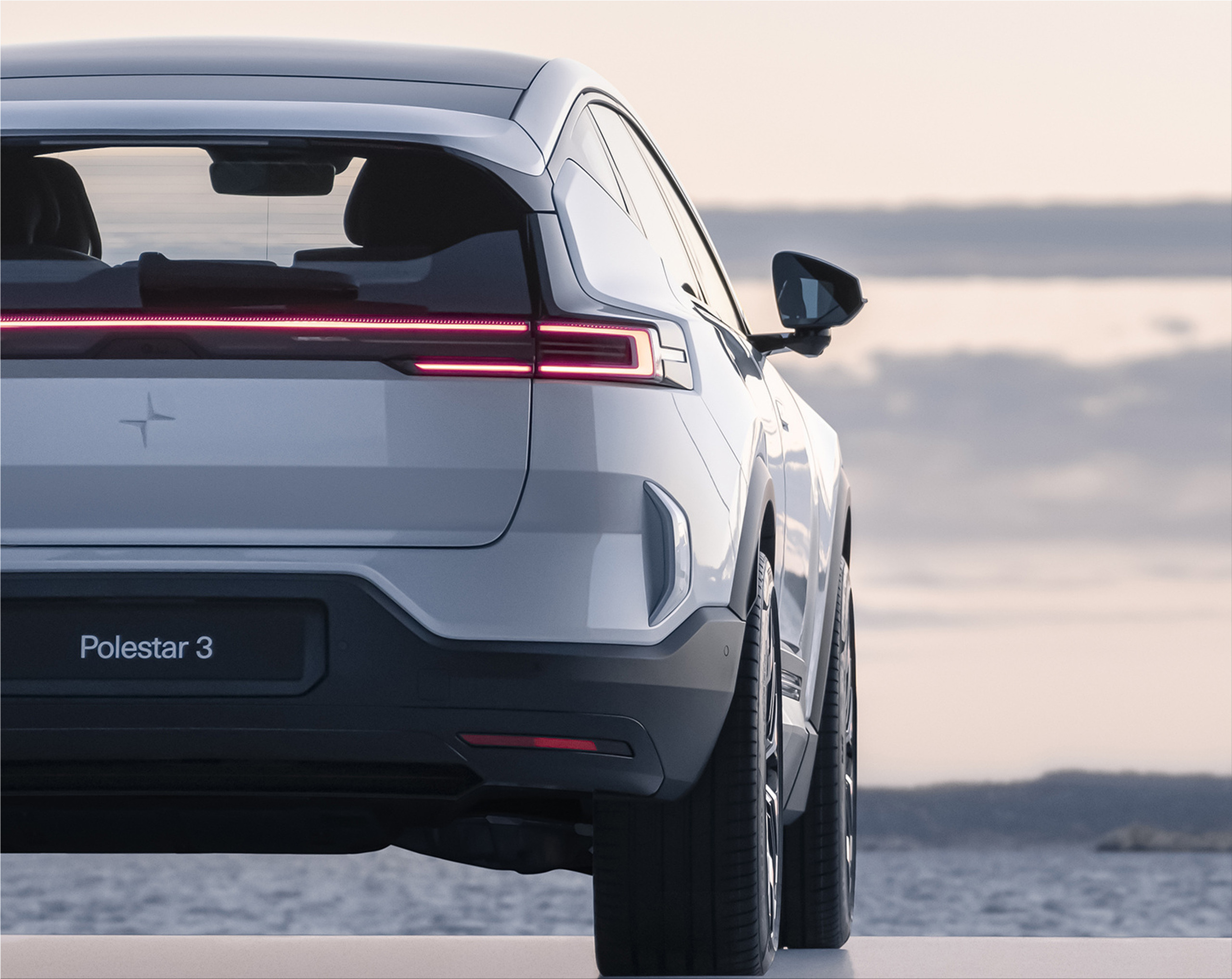
The first time a Polestar 3 rolls into view, it doesn’t try to impress with noise or spectacle. It simply arrives—quietly confident, sculpted with an almost maritime poise. Yet there’s a familiar observation people make when they first begin to research this electric SUV: “It looks elegant, but is it actually thrilling to drive?” That question lingers, because the Polestar 3 wears luxury like a tailored jacket, not like a costume. And the deeper fascination starts when you realize the calm exterior is paired with a drivetrain that behaves less like a spreadsheet and more like a living system—responsive, calibrated, and ready to surge when the moment calls for it.
Polestar 3 is an electric performance SUV designed for people who don’t just want propulsion; they want intention. It’s a crossover between speed and composure, where power is not an interruption to comfort but a continuation of it. The result is an SUV that can feel unusually composed at highway pace—and strangely eager when the road narrows into something more interesting.
A silhouette that suggests restraint, not resignation
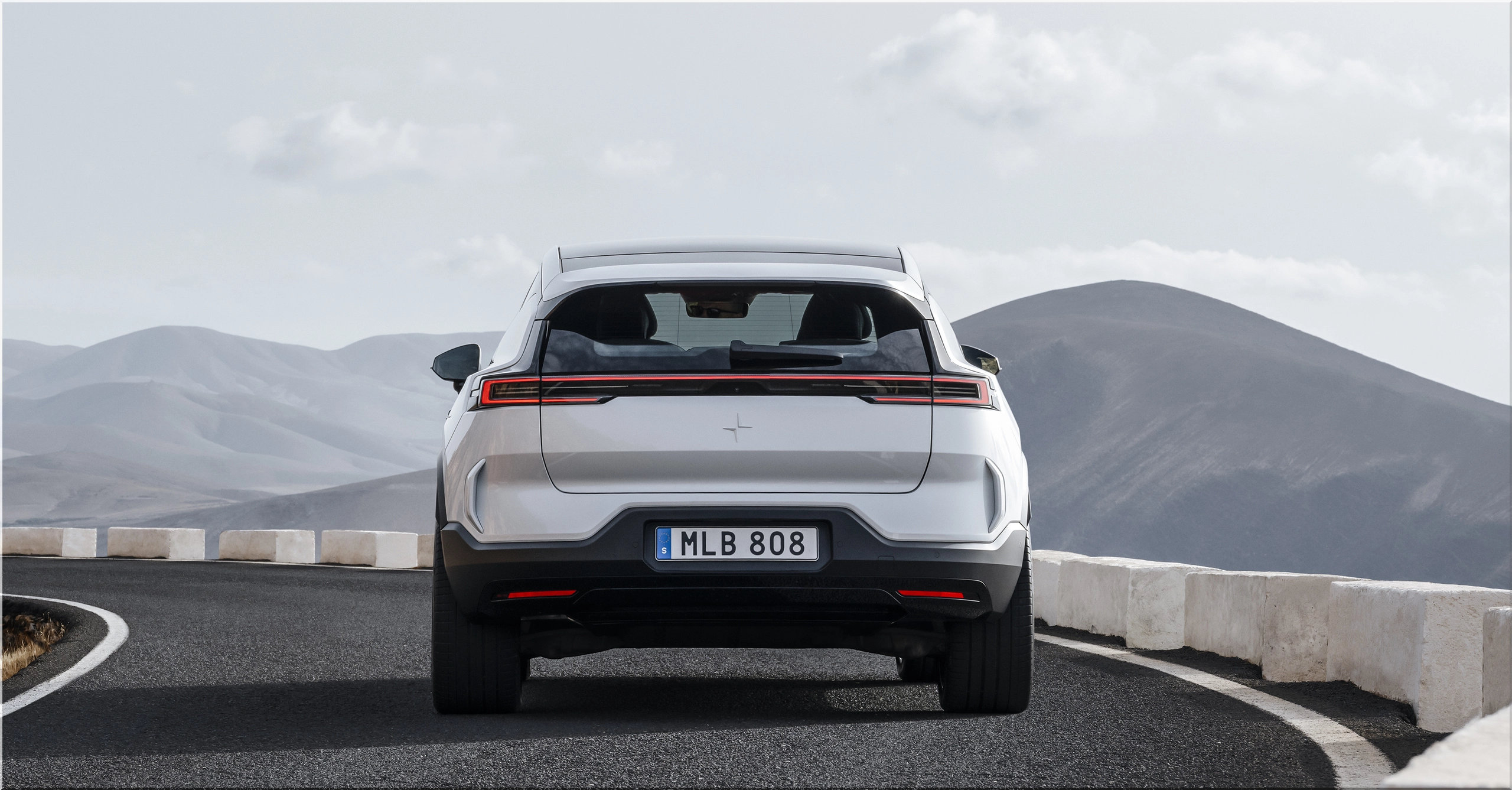
One reason the Polestar 3 draws attention is its visual restraint. Its stance feels planted, as though the vehicle is always prepared for cornering—even while parked. Smooth surfaces and taut lines create an impression of aerodynamic discipline. The front fascia doesn’t shout. It negotiates. And the overall design language has a purposeful minimalism that makes the vehicle look modern now, not merely fashionable.
This restraint matters because performance vehicles often go in one of two directions: either they’re aggressive, or they’re silent but unmistakably serious. The Polestar 3 belongs to the second group. When you notice how little the bodywork telegraphs theatrics, you start to wonder what’s happening underneath.
Electric power delivered with an athlete’s timing
Electric performance has a particular signature: immediacy. But not all immediacy feels the same. In the Polestar 3, the power response feels engineered rather than merely instantaneous. The surge arrives cleanly, with traction that seems to anticipate driver intent. It’s less “press pedal, brace yourself” and more “press pedal, the car moves as if it already knew.”
That’s why people who first expect a heavy SUV to behave like a refrigerator with wheels are often surprised. The vehicle’s mass doesn’t vanish, but it’s managed. The drivetrain and vehicle dynamics work like a coordinated ensemble, turning torque into momentum without turning momentum into chaos.
There’s also an intangible quality to the throttle feel—an almost tactile clarity. Short bursts feel purposeful. Sustained acceleration feels controlled. Long highway merges don’t demand drama. The car simply executes the maneuver, then returns to calm.
Handling that turns size into confidence
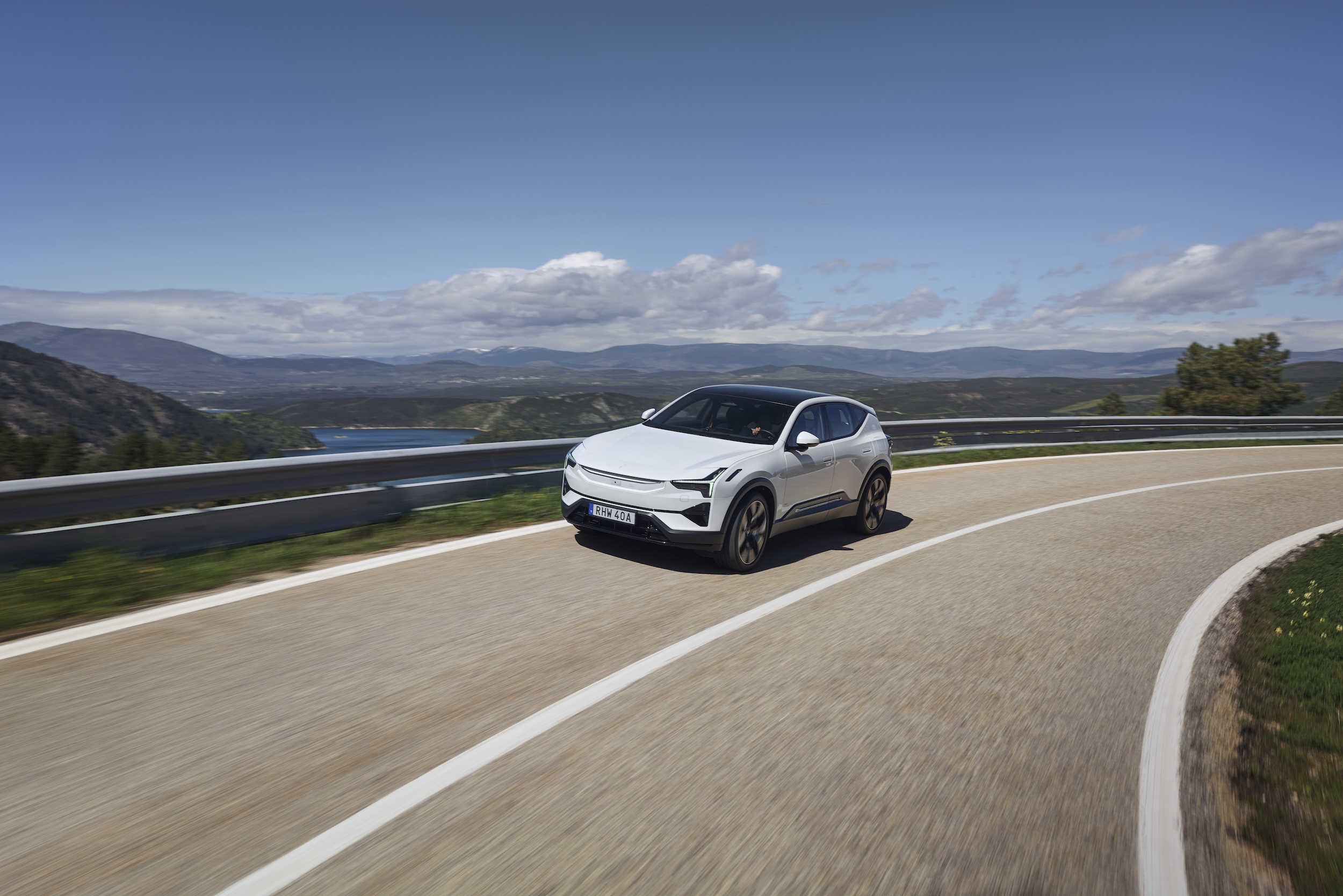
Performance isn’t only about speed; it’s about confidence. A large electric SUV can be intimidating, especially for drivers who prefer precise feedback. The Polestar 3 aims to make that intimidation irrelevant. Steering response is tuned to feel direct enough for quick lane changes, yet softened enough to remain composed over uneven pavement.
Cornering becomes less about fighting physics and more about reading grip. The chassis communicates. The car seems to “listen,” then react. You notice it most when you take a familiar route and suddenly realize it feels new—less like a commute and more like a rehearsal for a spirited drive.
The deeper reason people fall for this SUV isn’t simply that it can go fast. It’s that it can stay composed while going fast. That composure is what makes repeated driving enjoyable rather than exhausting.
Luxury with a technical backbone
Luxury often becomes a display: leather, chrome, and the performance of refinement. Polestar 3 takes a different approach. The cabin is designed to be visually quiet while remaining technically clever. Materials feel considered, textures are restrained, and the interior layout prioritizes usability over clutter.
Even the atmosphere seems engineered. The seating position supports visibility and confidence. The overall ergonomics reduce mental overhead, which matters on long trips. In an electric vehicle, the experience doesn’t stop at acceleration; it extends into the way the cabin supports your attention. And here, the Polestar 3 uses design as a form of assistance.
There’s also a subtle emotional element. When a cabin feels coherent, the driver stops overthinking. That mental clarity makes the vehicle’s performance feel even more natural, as if the car and the road are collaborating.
Driving performance across seasons and surfaces
One of the most practical questions about any performance-oriented electric SUV is how it behaves beyond ideal conditions. People remember the first time they drove in cold weather—how traction changes, how response feels different. The Polestar 3 is designed to handle these real-world variations. Grip depends on tires and settings, but the vehicle’s overall control strategy helps keep acceleration predictable rather than slippery.
Consider how power delivery interacts with changing road surfaces. On wet pavement, the SUV doesn’t feel like it’s improvising. It feels calibrated. On colder days, traction can be managed more gracefully than many expect from a large vehicle.
This reliability of behavior is where fascination deepens. It’s not just speed—it’s repeatability. A car that only thrills once can become forgettable. A car that thrills consistently creates a bond. Drivers start planning drives the way some people schedule concerts: anticipation, then payoff.
The SUV paradox: comfort without surrender
There’s a paradox with performance SUVs. Many are either too soft to feel athletic, or too firm to feel livable. Polestar 3 attempts a bridge between worlds. Ride quality remains composed, and the cabin stays insulated from the frantic texture of rough roads. Yet when the route demands more, the vehicle doesn’t collapse into mediocrity.
That balance isn’t accidental. It’s the result of tuning—suspension behavior, control logic, and the way power meets the road. When these elements align, the drive becomes less about compensating and more about enjoying. Short imperfections don’t dominate the experience. Bigger changes in road dynamics are handled without drama.
In practice, this means the Polestar 3 can feel equally suitable for daily errands and longer escapes. Performance doesn’t replace comfort. It supplements it.
Why it captures attention beyond spec sheets
On paper, it’s easy to reduce the Polestar 3 to numbers: range, acceleration, efficiency, charging. But that’s only the surface layer. The fascination is also psychological. The vehicle feels thoughtfully composed, almost architected for the way modern drivers live: quick decisions, changing routes, and the expectation that a machine should respond with grace.
People also notice how the experience differs from gas-powered assumptions. You don’t hear the same soundtrack, but you gain a different kind of feedback. Silence can make motion more noticeable. Subtle vibrations become less intrusive. The driver senses control more than noise. That sensory shift is a quiet invitation to pay closer attention.
And in a world full of mechanical impersonation, authenticity stands out. The Polestar 3 doesn’t just borrow the idea of performance. It translates it into the electric language of traction, timing, and refinement.
Conclusion: A performance SUV that feels intentional
Polestar 3 is more than an electric SUV with a sleek body and strong acceleration. It’s a performance vehicle engineered for coherence—where luxury doesn’t mask athletic capability, and where power doesn’t disrupt comfort. The common observation—wondering whether such refinement can still deliver thrills—gets answered in a deeper way once you drive it.
The fascination is not just the sprint. It’s the composure. It’s the predictable grip, the confident handling, and the sense that the car is constantly adapting to your intent. Polestar 3 doesn’t chase attention with volume. It earns it with intention, one calm, capable maneuver at a time.