Choosing a plug-in hybrid (PHEV) isn’t only about badge appeal or tailpipe theater. It’s about what happens after the honeymoon—when warranty periods expire, fuel prices wobble, and maintenance bills arrive like seasonal weather. The lowest 5-year ownership cost belongs to the PHEVs that combine efficient real-world behavior with sensible operating complexity. In this guide, the focus stays grounded: purchase value trends, electricity-versus-fuel economics, depreciation drag, service cadence, insurance considerations, and long-horizon risk factors such as battery service exposure.
Because “lowest ownership cost” can mean different things to different households, this list is framed around multiple reader expectations. Some drivers prioritize lower monthly running costs through grid charging. Others want predictable servicing and reduced mechanical risk. Many want a balance—moderate depreciation, stable reliability, and the ability to drive electrically when it matters most.
How to Think About 5-Year Ownership Cost (Beyond the Sticker)
Ownership cost is not a single number; it’s a composite story. Over five years, the biggest chapters usually include depreciation, energy expenses (electricity and gasoline), routine maintenance, and less frequent but costly items. Insurance and registration fees can also be meaningful depending on region and vehicle classification.
Depreciation is often the most decisive force. A PHEV’s residual value hinges on market perception of battery durability, technology maturity, and how competitive the model remains when new rivals arrive. Meanwhile, running costs depend heavily on charging habits. Drivers who can charge at home tend to experience lower “fuel equivalent” costs. Those who rely on public charging may see costs converge toward conventional hybrid levels.
Maintenance deserves a nuanced lens. PHEVs typically carry both an electric drivetrain and an internal combustion engine. Yet the engine often works less frequently and for shorter duty cycles when the battery is well-utilized. That can reduce wear on certain components—especially if the vehicle spends more time in electric mode during commuting.
What Makes a PHEV “Cost-Lean” Over Five Years
A PHEV that lands at the lower end of the ownership-cost spectrum usually shares a few characteristics: strong efficiency even when not charging, a powertrain with robust engineering, and parts commonality that reduces repair cost. Lower complexity in HVAC systems, simplified cooling strategies, and accessible service design can also matter.
Equally important is how the vehicle behaves when the battery is depleted. Some PHEVs transition smoothly to hybrid operation; others can feel more strained. While the driver experience doesn’t directly price the next repair invoice, it often correlates with how frequently components are forced into less efficient modes.
Finally, depreciation can be “hidden” in plain sight. Market liquidity, availability of used inventory, and how quickly consumers discount older styling or drivetrain generations can turn a seemingly good purchase into a costly one.
Top 5 PHEVs with the Lowest 5‑Year Ownership Cost
Below are five PHEVs commonly associated with comparatively lower ownership cost trajectories. They’re presented with practical details on why they tend to stay economical over time. Where possible, the content highlights what different reader types should look for: commuters, budget-conscious buyers, fleet-style drivers, and long-term planners.
1) Volvo XC90 Recharge
The Volvo XC90 Recharge is frequently favored by drivers who want a premium feel without premium volatility. Over five years, the vehicle’s cost profile often benefits from efficient plug-in operation during daily routines and a powertrain that’s designed for longevity. If you can regularly charge, the engine gets less time performing “cold-start labor,” which can be beneficial for wear and fuel economy.
Maintenance patterns on the XC90’s drivetrain typically appear predictable for owners who follow scheduled service. Predictability is a quiet advantage: it reduces the probability of surprise expenses that derail budget planning. The ride quality also encourages smoother driving—subtle, yes, but smoother operation can mean fewer incidental stressors on tires and brakes.
Reader types who fit best: households with reliable home charging, buyers who want comfort-driven commuting, and owners who plan to keep the vehicle for the full five-year window.
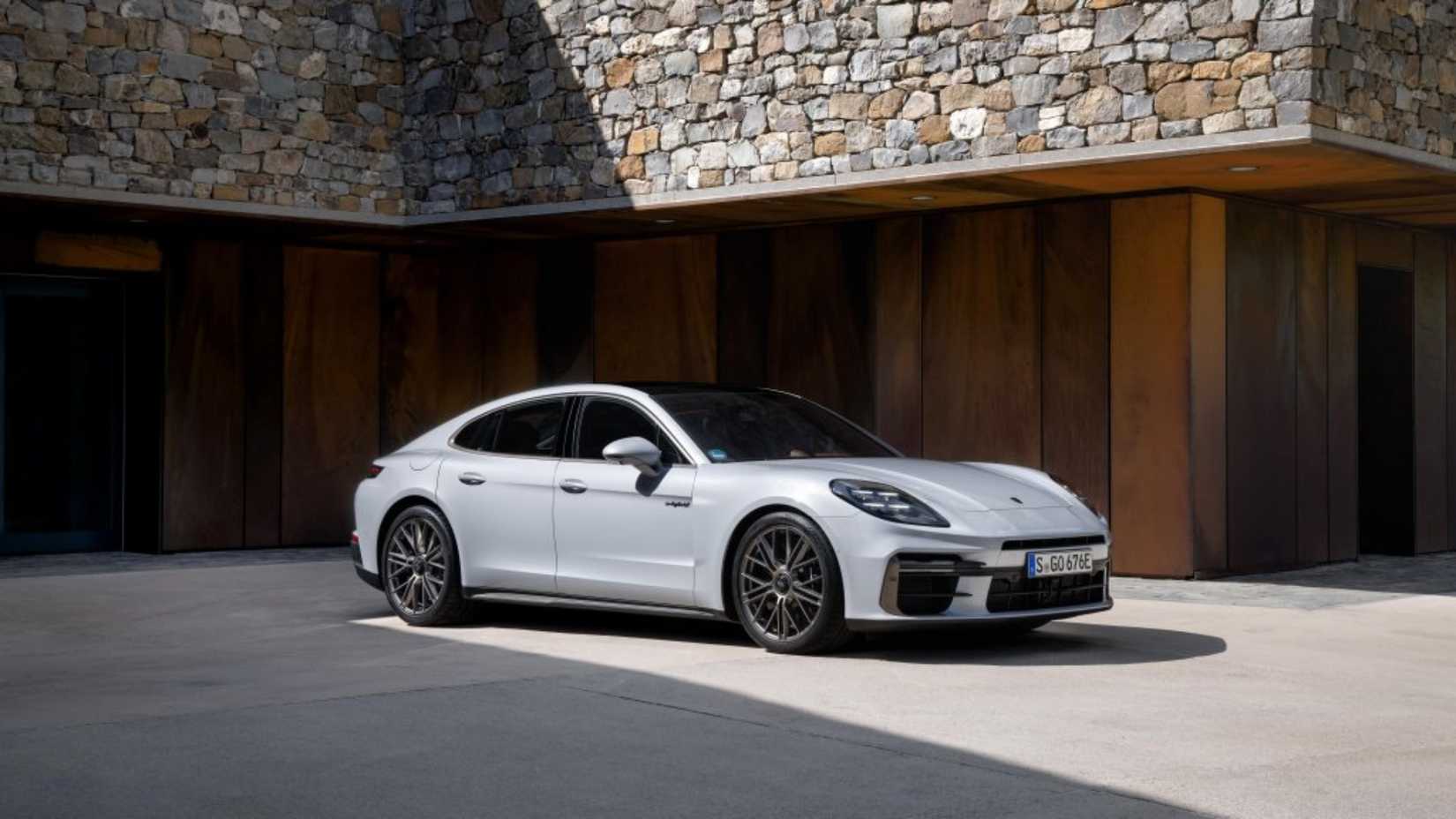
2) Porsche Panamera 4 E-Hybrid
The Porsche Panamera 4 E-Hybrid may sound like a “high-cost” proposition, yet certain market conditions can produce unexpectedly reasonable five-year ownership outcomes—especially when compared with other premium plug-in models. The key is how the vehicle’s efficiency and engineering maturity reduce the likelihood of costly drivetrain surprises. Premium branding doesn’t automatically translate into expensive ownership; it depends on how the market prices that premium after five years.
Another contributor is driving flexibility. When the battery is used well, the car spends more time in electric-assisted efficiency. When it’s not, it can still operate as a competent hybrid without turning every trip into a fuel-tax event. That flexibility protects your total cost of ownership from uneven charging access.
Reader types who fit best: drivers who value long-distance composure, owners who may not always charge daily but still want plug-in advantage, and buyers attentive to depreciation timing.
3) BMW 5 Series 530e
The BMW 530e stands out for its blend of everyday usability and plug-in efficiency. Over a five-year horizon, the ownership cost often stays competitive due to a balanced interplay of depreciation and energy expenses. BMW’s mainstream presence in many markets can support liquidity in the used segment—meaning depreciation can be less punishing when it comes time to sell.
From a running-cost perspective, the 530e tends to reward owners who charge consistently. Even moderate weekly charging can shift a meaningful portion of commuting energy from gasoline to electricity. That shift usually makes the monthly cost more stable, especially when electricity pricing is relatively predictable compared to gasoline fluctuations.
Reader types who fit best: professionals with a stable commute, buyers who want brand familiarity and service availability, and anyone seeking a “middle path” between performance and economy.
4) Mercedes-Benz GLE 350 de 4MATIC
The GLE 350 de 4MATIC often appeals to drivers who need a larger vehicle while still craving the economics of electrified driving. Over five years, this model can deliver a lower ownership cost when owners take advantage of its diesel-hybrid strategy alongside electric capability. In regions where diesel pricing is favorable—or where long-distance trips are frequent—the diesel-assisted operation can help keep fuel costs in check.
The additional dimensionality of the vehicle—weight, size, and drivetrain demands—can raise costs for those who ignore charging. But for owners who charge regularly and maintain careful tire and brake health, the ownership story becomes more favorable. Smoothness and planning matter; the vehicle performs best when used intelligently.
Reader types who fit best: families, drivers who travel longer distances, and buyers who want comfort with a measured cost structure rather than a “cheap-only” approach.
5) Mitsubishi Outlander PHEV
The Mitsubishi Outlander PHEV is a veteran in the plug-in hybrid realm, and longevity experience can translate into cost control. Over five years, its ownership cost tends to be attractive for many buyers because it’s designed around practicality: predictable maintenance routines and a system that many owners already understand. Familiarity reduces friction—both for service and for informed resale decisions.
In real-world ownership, the Outlander’s advantage often appears in mixed usage: city driving with electric assistance and longer routes where the hybrid system provides continuity. If you live in an area where charging infrastructure is uneven, a plug-in hybrid that still performs well without constant charging can prevent your ownership cost from spiraling.
Reader types who fit best: budget-conscious households, owners seeking a proven PHEV formula, and those in neighborhoods with variable access to charging.
Practical Tips to Keep Ownership Costs Low
Even the most cost-lean PHEV can become expensive if charging and maintenance are handled poorly. Use these strategies to protect the budget over five years:
Charge strategically, not obsessively. Aim for regular home charging when possible, especially for daily commuting. Avoid letting the battery sit at extreme charge levels for long periods.
Drive with efficiency in mind. Smooth acceleration and sensible speed reduce energy consumption. The electric portion of a trip can be shortened by aggressive driving habits.
Stay ahead of service schedules. Don’t treat hybrid systems as “set and forget.” Keep coolant, brake health, and software updates on track. Preventive care is cheaper than diagnostic archaeology.
Consider tires like a cost instrument. Low rolling resistance tires can improve efficiency, reducing energy spend. Tires also influence ride quality and brake wear.
Choose resale timing. If depreciation is the biggest variable, then selling when market demand peaks can reduce the “cost-per-year” dramatically.
Frequently Asked Questions
Will battery degradation significantly raise 5-year costs? For many reputable PHEVs, battery health remains stable when charged responsibly and serviced on schedule. Costs increase mainly when owners ignore maintenance or consistently abuse charging conditions.
Is home charging essential? It’s the best way to minimize energy costs, but it’s not mandatory. Even public-charging users can benefit if electricity pricing remains competitive and driving patterns support plug-in usage.
What about repairs? Ownership cost remains lower when a model has mature engineering, widely available parts, and a service network that can diagnose hybrid systems quickly.
Conclusion: The Cheapest PHEV Is the One You’ll Use Efficiently
The lowest 5-year ownership cost doesn’t belong to the most dramatic headline model. It belongs to the PHEV that matches your charging reality, your driving rhythm, and your maintenance discipline. When you pair a cost-lean PHEV—like the Volvo XC90 Recharge, Porsche Panamera 4 E-Hybrid, BMW 530e, Mercedes-Benz GLE 350 de 4MATIC, or Mitsubishi Outlander PHEV—with smart charging habits and consistent service, your five-year total cost can remain unexpectedly restrained.
In the end, the best purchase is the one that keeps its value, burns less energy, and avoids the kind of technical surprises that turn budgets into guesswork. Choose thoughtfully, charge wisely, and let the electrified savings compound year after year.