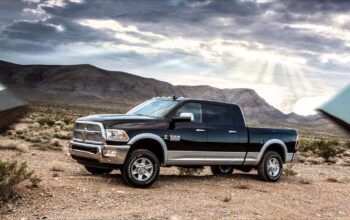
A Toyota Tacoma SR can be many things, but “work truck budget build” is where it earns its keep. It’s the kind of project that starts with a simple question—how do you turn a capable platform into something tough, useful, and financially sane?—and then unfolds into a disciplined series of choices. The SR trim provides the bones: a dependable drivetrain, a practical interior, and the unmistakable Tacoma DNA that thrives on gravel roads, job sites, and long commutes that feel like detours. From there, the build becomes a story of priorities: payload over fluff, durability over decoration, and accessories that earn their place with every mile.
Readers approaching a budget Tacoma SR conversion will usually want two outcomes. First, they want clarity—what’s worth doing now, what can wait, and what’s likely to disappoint. Second, they want inspiration—ways to make the truck look intentional without turning it into a blank-check costume. A thoughtful build balances those needs, blending mechanical common sense with the small details that make the truck feel ready before the first tool is lifted.
Choosing the Base Tacoma SR: The Real Starting Line
The build begins long before the first bolt. Selecting the right Tacoma SR is less about chasing a “perfect” spec and more about aligning the vehicle with the work you actually do. Payload expectations, towing needs, and daily driving conditions all matter. A Tacoma that lives mostly in urban traffic may require a different approach than one that regularly hauls equipment to remote job locations. Short trips and stop-and-go driving emphasize cooling and maintenance intervals, while long highway hauls demand attention to tire selection and suspension stability.
Budget builders often look for well-maintained examples rather than the newest release. A clean service history can be more valuable than a glossy exterior. Pay attention to suspension wear, drivetrain smoothness, and how the truck responds under load. A “tight” feel—especially in steering and braking—suggests fewer hidden costs later. The SR trim’s advantage is that it’s already positioned as a pragmatic canvas. You’re not paying for luxuries you’ll remove or ignore; you’re spending on capability you’ll use.
Budget Strategy: Spend Where It Matters, Skip Where It Doesn’t
Every budget build has a ledger, even if it’s informal. The key is knowing which line items create real-world improvements. Often, the biggest wins come from systems that affect traction, ride compliance, and component longevity.
Instead of “buying everything,” many successful builds follow a phased approach:
Phase one addresses reliability and basic protection—items that keep the truck functioning and prevent everyday damage.
Phase two upgrades performance and comfort—suspension tuning, brake confidence, and tires suited to your terrain.
Phase three adds utility and personalization—rack systems, lighting, and storage, which are the difference between a vehicle and a working tool.
Long-term thinking also reduces regret. A cheap accessory that fails halfway through a project can cost more than a higher-quality option bought once. This is where a budget build becomes “budget-smart,” not merely “budget-limited.”
Tires and Wheels: Traction Is the First Upgrade
Tires often represent the most noticeable change in drivability, especially for a work-focused Tacoma. For a budget Tacoma SR build, selecting tires should be guided by the surface reality: highway pavement, construction grime, washboard roads, or occasional mud. All-terrain tires can be a sweet spot, providing confidence without forcing you into an aggressive off-road stance that drains fuel and accelerates noise.
Wheel choice follows tire selection, not the other way around. A proper tire-to-wheel combination improves contact patch behavior and reduces premature wear. Consider load ratings and sidewall strength. Work trucks endure more than spirited driving—they face impacts, curb encounters, and the occasional forgotten route that turns into a gravel detour.
Alignment matters too. After tire installation, a correct alignment helps maintain even wear and keeps the steering stable under braking. It’s a quiet upgrade that pays dividends month after month.
Suspension and Ride Quality: Keeping Control Under Load
Budget builders frequently undervalue suspension, then wonder why the truck feels unsettled. A Tacoma SR can carry weight and handle rough surfaces, but it benefits immensely from tuning. The goal isn’t necessarily to chase height. It’s to preserve geometry, improve ride compliance, and keep tires planted when the truck is loaded with tools, gear, or whatever the day decides to demand.
Depending on your truck’s configuration, consider components that reduce sag over time. Springs and shocks tuned for your typical load can prevent that “boat-like” feeling that creeps in after months of real hauling. If your routes include potholes and uneven terrain, higher-quality damping control can transform stress into steadiness.
Even small upgrades—like adding properly matched replacement shocks or ensuring bushings are healthy—can create a smoother ride. A work truck should feel predictable. Predictability is safety, especially when the driver is tired and the job schedule doesn’t care about mechanical fatigue.
Brakes and Stopping Confidence: No Compromise in Heavy Moments
Stopping performance is not glamorous, but it’s essential. A budget build should include brake assessment as a baseline. If the truck tows or hauls frequently, upgrading to high-quality brake pads and ensuring proper fluid condition can reduce fade and maintain a consistent pedal feel.
Brake confidence is also tied to wheel and tire selection. Larger tire footprints and added rolling resistance can change stopping distances. Make sure the entire system works together. A well-chosen upgrade can feel subtle at first—until the first emergency stop becomes a story you don’t have to tell the hard way.
Protection and Durability: Guardrails for the Real World
Work truck builds usually live in the land of scratches, flying rocks, and accidental contact. Therefore, protection should be treated as a foundational layer. Consider skid plates for underbody protection, especially if you traverse uneven ground. Rock guards and mud flaps can reduce the assault on paint and wiring harnesses.
Then there’s the matter of exterior resilience: grille guards, bumper upgrades, and thoughtful mounting solutions. These components aren’t only for aesthetics. They’re insurance against the everyday chaos of job sites—tight parking spaces, leaning tool carts, and the inevitable “oops” that happens in a rush.
Interior protection also deserves attention. Durable seat covers, cargo liners, and easy-to-clean flooring prevent the truck from becoming a rolling storage bin of grime. A clean interior improves usability. When the truck is ready, the work feels lighter.
Storage and Utility: Turning a Pickup Into a Toolbox
A Tacoma SR shines when its cargo is organized. Without proper storage, tools become scavenger hunts; with it, the truck becomes a controlled system. Start with the bed: modular rails, tie-downs, and a cargo management setup that fits the way you actually move equipment.
Many budget builds include a lockable tonneau cover or bed liner, both for security and for weather resilience. Water resistance matters if your tools must survive rain, dew, and the kind of humidity that turns storage into rust prevention. Add a toolbox, a drawer system, or stackable bins. The best system is the one that reduces time between “ready” and “working.”
On the exterior, consider roof racks or side mounts for ladders, long-handled tools, or spare supplies. The trick is to avoid overcomplication. Utility should be straightforward. A truck build that requires a manual to use is a truck that will be underused.
Lighting, Electrical, and Small Upgrades That Pay Off
Night work is where good lighting stops being a preference and becomes a necessity. Upgraded headlights, auxiliary spot or flood lights, and clean wiring practices can improve visibility without turning the truck into a glare machine. A professional-grade harness and proper relays help reduce the risk of electrical gremlins.
Don’t overlook accessories like upgraded recovery points, a quality trailer wiring harness, and a dependable battery health check. Even budget builds benefit from attention to the fundamentals—good grounds, secure connections, and tidy routing. Electrical reliability is one of those traits you notice most when it’s missing.
Comfort for the Driver: Ergonomics Are Performance
Long days demand comfort. A work truck that irritates the driver eventually reduces output. Consider seat comfort, steering wheel feel, and cabin noise. Some builds incorporate better floor mats and suspension tuning to reduce harshness. Others add simple improvements like improved wiper blades, cabin air filtration upgrades, and practical phone mounts.
Small comfort details add up. A short sentence of truth: if the truck makes the driver feel unsettled, it won’t be a good tool for long.
Assembly and Maintenance: Keeping the Build Healthy
Once the build parts arrive, installation discipline becomes the next chapter. Torque specs matter. Wiring should be secured and protected from abrasion. After the suspension and tire upgrades, alignment ensures the truck tracks correctly and prevents uneven wear.
Maintenance routines should also shift with the build. More aggressive tires can change tread life expectations. Added protection can trap debris under certain areas. Periodic inspections—fasteners, underbody components, and brake condition—help catch issues early. A budget build succeeds when it stays dependable, not when it looks flawless for a month.
How to Keep the Build Budget Without Sacrificing Credibility
Credibility comes from choices that make sense together. Buying lower-cost components in a way that creates incompatibility can quietly inflate costs. The smart path is to prioritize compatibility: tire sizes that match your wheel width, suspension components that suit your load profile, and storage systems that align with your bed geometry.
Look for quality brands where reliability is most visible—suspension wear points, braking components, and electrical hardware. Save money where it doesn’t affect safety or function. That’s how a budget Tacoma SR becomes a truck you trust, not a project you constantly patch.
Conclusion: A Work Truck That Earns Its Keep
A Toyota Tacoma SR work truck budget build is ultimately about identity. It’s a deliberate transformation from capable stock to purposeful utility. When tires deliver traction, suspension maintains control, lighting extends confidence, and storage turns chaos into organization, the truck stops being transportation and becomes an instrument for getting things done.
The best builds aren’t the loudest. They’re the ones that stay dependable through seasons, handle real loads without drama, and feel better every time the keys are turned. Build it for the work you actually do, and the Tacoma will reward that discipline with miles that make sense—day after day.