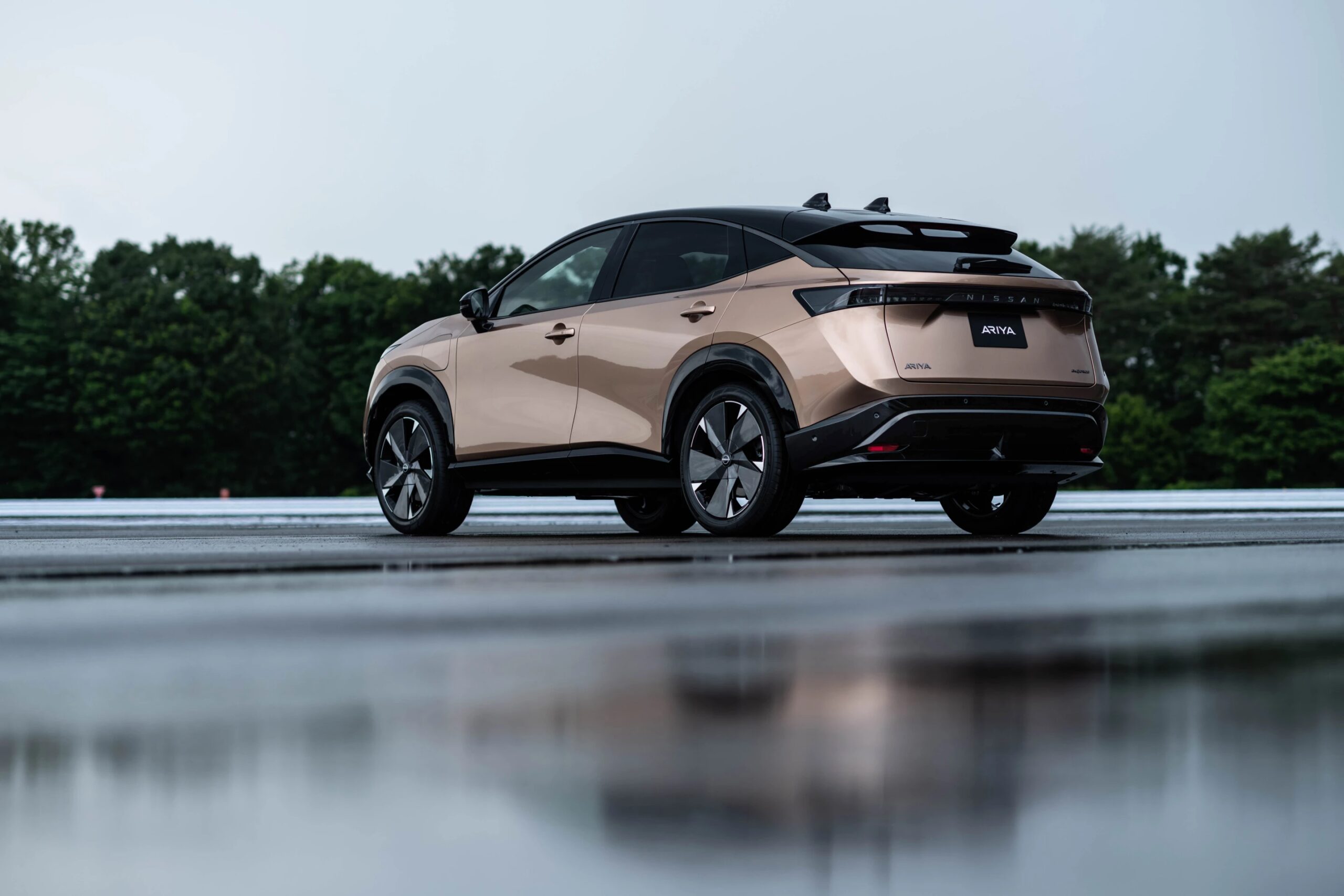
The Nissan Ariya arrives with a calm, confident presence—less “loud new electric thing,” more “well-resolved crossover” that seems engineered for daily life. From the moment you slide into the cabin, the emphasis is unmistakable: comfort first, then refinement, then that quiet sense of composure you usually associate with higher-end sedans. It’s a crossover that doesn’t chase attention through chaos. Instead, it courts you with restraint—soft-touch surfaces, composed ride dynamics, and a layout that feels thoughtfully paced, like good pacing in a film.
Yet comfort doesn’t live in a vacuum. The Ariya’s charm is not merely tactile; it’s systemic. Seating geometry, cabin silence, visibility, and even how the infotainment interface nudges you toward less distraction—all of it contributes to a crossover experience that feels easy to inhabit. Whether you commute through dense city traffic or set out for long stretches of highway, the Ariya’s comfort-focused philosophy offers a reassuring continuity from start to finish.
Design and first impressions: comfort disguised as style
The Ariya’s exterior styling reads as aerodynamic and intentional rather than aggressive. Its proportions communicate stability, and the stance feels balanced, not top-heavy. Up front, the lighting signature provides character without demanding constant attention. The body lines flow in a way that suggests movement—even when the vehicle is stationary.
Inside, comfort becomes physical. The cabin architecture feels ergonomically considerate, with controls that land where your hands naturally want to go. The overall theme is spaciousness, both visually and functionally. You get the impression that Nissan didn’t just “decorate” the interior; it choreographed how your body interacts with the car throughout a typical day.

Seating comfort: the art of staying fresh on long drives
The Ariya’s seats aim for long-duration composure. Cushioning feels supportive without becoming stiff, and the bolsters are shaped to stabilize you through corners while still allowing natural movement. A short drive makes the comfort obvious; a longer drive makes it undeniable.
Legroom and headroom support different body types, and the driving position tends to feel “settled” quickly. There’s a particular satisfaction in not having to hunt for the perfect angle after every stoplight. Even when roads turn uneven, the seating absorbs harshness rather than simply transferring it.
Rear passengers are not treated like an afterthought. The seat space encourages normal conversation volume, and the overall cabin atmosphere reduces the fatigue that often accumulates on commutes. For families or frequent carpooling, that translates into fewer complaints and more “let’s just keep going.”
Ride quality and suspension behavior: softly controlled, not softly compromised
Comfort isn’t only about what touches you. It’s also about how the car behaves when the pavement stops cooperating. The Ariya’s ride is calibrated to keep vibrations and impacts from feeling intrusive. Over broken asphalt, it responds with a smoothing motion that feels deliberate rather than vague.
On city streets, the suspension manages irregularities with a gentle rhythm. The car seems to “glide” over small imperfections, preventing the jarring sensation that can make short trips feel longer than they are. On highways, body motion stays restrained, and the vehicle holds its composure during lane changes and gentle curves.
Steering feedback remains useful without becoming talkative. The result is a driving experience that encourages relaxation. You’re not constantly adjusting micro-corrections. You’re simply moving through the world.
Cabin quietness and atmosphere: the anti-distraction cockpit
A comfort-focused crossover has to win the battle against noise. The Ariya does. Wind noise is kept in check, and road texture doesn’t invade the cabin with the harshness found in many mainstream electric vehicles. The atmosphere feels insulated—like a quiet room on wheels.
That quietness matters because it changes your perception of time. On long drives, the Ariya can make the journey feel calmer, even when traffic patterns are unpredictable. Conversations flow more naturally. Music sits in the background instead of competing with noise.
Material choices contribute to this effect. Surfaces feel thoughtfully selected, with an overall impression of durability and tactility. It’s not merely “premium-looking”; it’s premium in the way your hands and body tend to notice throughout the day.
Ergonomics and practical comfort: where the details quietly matter
Comfort becomes real when daily life is considered. The Ariya’s cabin layout supports easy ingress and egress, and the driver-centric design helps you avoid awkward stretching. Control placement reduces unnecessary reach, which may sound minor—until you drive for an hour and realize how much friction you avoided.
Storage is another comfort multiplier. Cupholders, door pockets, and console space support routine items without turning the cabin into a clutter experiment. Visibility also plays a role: good sightlines reduce stress, especially in dense urban environments.
The trunk and cargo area offer practicality for errands, weekend outings, and the gear that quietly accumulates in real life. It’s the kind of cargo usability that turns plans into probabilities—meaning you can go out without performing a complicated packing ritual.
Infotainment and driver assistance: calm navigation rather than constant prompting
Modern comfort includes cognitive comfort. The Ariya’s infotainment interface aims for intuitive interaction, reducing the mental gymnastics that can accompany new technology. Menus tend to be logical, and the overall layout discourages distraction.
Driver assistance features help relieve monotony during highway driving. Lane support and adaptive behaviors (depending on configuration) can reduce workload, allowing you to remain more present. The best systems don’t take over; they act like a courteous co-pilot, keeping you aware without insisting on your attention.
For many drivers, this is where comfort becomes emotional. The Ariya can feel less like a machine that requires management and more like a companion that supports your habits.
Performance without agitation: a smooth EV temperament
Electric power delivery can sometimes feel abrupt. The Ariya, however, tends to prioritize smoothness. Acceleration is responsive, but it doesn’t demand aggressive input to feel satisfying. The vehicle’s motor character feels tuned for everyday confidence—smooth starts, consistent pulls, and a sense of controllability.
In traffic, the Ariya’s drive feels natural, with fine modulation that suits creeping movement and stop-and-go driving. The crossover character shines here; it doesn’t feel like a distant instrument. It feels like a usable tool for normal days.
On the highway, cruising stability helps maintain a composed rhythm. You don’t need to fight the vehicle to keep it straight. It tracks predictably, which makes long-distance comfort far more attainable.
Efficiency, charging, and the comfort of planning ahead
Comfort also extends to ownership. EV drivers spend time thinking about energy, and the Ariya’s approach encourages planning without turning the process into a daily drama. Range depends on configuration, speed, weather, and driving style, but the overarching idea remains: the Ariya is designed for practical electrification rather than spreadsheet anxiety.
Charging performance varies by hardware and conditions, yet the experience generally aims for simplicity. Home charging is where comfort becomes effortless—waking up to a ready vehicle can feel like an everyday luxury. Public charging adds variability, but the Ariya’s system supports typical EV routines with clear navigation and status visibility.
For readers who value preparation, this is an important comfort metric: the ability to plan routes, monitor energy use, and charge with minimal fuss.
Who the Ariya suits best: comfort seekers, families, and quiet travelers
The Ariya fits drivers who prefer a calm drive and a coherent cabin experience. It’s ideal for commuters who want reduced fatigue. It’s also a strong candidate for families seeking a comfortable rear seat and practical cargo space. Even solo travelers benefit from the Ariya’s tranquility—an environment that encourages longer listening sessions and less road-weariness.
Comfort-focused buyers may appreciate the crossover’s balance between refinement and real-world usability. It’s not only about how it feels at parking-lot speed; it’s about how it continues to feel right after the novelty fades.
Final verdict: a crossover built to feel settled
The Nissan Ariya Review comes down to one steady theme: comfort isn’t an accessory here—it’s the organizing principle. The Ariya offers a serene cabin, a composed ride, supportive seating, and a practical layout that respects everyday routines. It drives with quiet authority, and it treats passengers as actual passengers, not just space-fillers.
If you’re looking for an electric crossover that prioritizes calm over drama—comfort over distraction—then the Ariya earns its place. It doesn’t simply transport you. It settles you into the drive, making each trip feel smoother, quieter, and more complete than it would have otherwise.