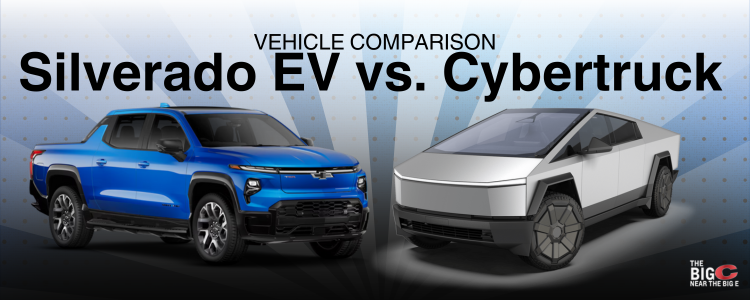
Electric pickups have rapidly transitioned from niche curiosities to formidable contenders in the automotive landscape. Among the most anticipated are the Tesla Cybertruck, Ford Lightning, and Chevrolet Silverado EV. While each proudly parades its powertrain prowess and futuristic design, the underpinning factor that truly governs their practicality lies in their charging capabilities. As the electric revolution steers into new terrain, understanding how these titans charge, their efficiency, and real-world usability could indeed recalibrate long-held perceptions about electric utility vehicles.
Charging Architecture: Diverse Approaches to the Same Destination
One cannot embark on an analysis of electric pickup charging without first delving into the architectural backbones these vehicles employ. The Tesla Cybertruck benefits from Tesla’s expansive Supercharger network, an established and comprehensive infrastructure offering rates up to 250 kW on V3 Superchargers. This highly optimized network reduces charge times significantly, enabling an expedient return to the road, a critical factor for adventurers and professionals alike.

The Ford Lightning, in contrast, leverages the Combined Charging System (CCS) standard, partnered with electrify America’s rapidly growing DC fast charging network. While slightly less ubiquitous than Tesla’s system, Electrify America has made commendable strides, delivering charge speeds up to 150 kW for the Lightning. Ford also emphasizes home charging adaptability, with onboard chargers rated at 19.2 kW, allowing for an overnight replenish that perfectly aligns with daily usage patterns.
Chevrolet’s Silverado EV, wielding the Ultium platform, stakes its claim on an impressive charging ceiling of up to 350 kW—a benchmark in the electric pickup segment. This staggering charging velocity enables drivers to gain an estimated 100 miles of range in roughly 10 minutes under ideal conditions. However, the effective utilization of this capability heavily depends on access to compatible ultra-fast chargers, which are presently fewer in number but growing steadily.
Real-World Charging Dynamics: Efficiency Meets Accessibility
Public charging networks and their availability vary widely across the country. Tesla’s proprietary Supercharger network remains the gold standard, facilitating seamless charging experiences with minimal wait times and plug-and-play convenience. The Cybertruck owners thus enjoy a cushioned sense of security for long hauls, with many Supercharger locations strategically positioned near highways and urban centers.
Meanwhile, the Ford Lightning’s reliance on the Electrify America network and assorted third-party chargers introduces greater variability. Though the network is expanding rapidly, users frequently encounter charging station crowding and operational inconsistencies. Nevertheless, the Lightning’s relatively palatable charging speed and lower baseline battery capacity mean shorter, more frequent charges are manageable, curtailing downtime.
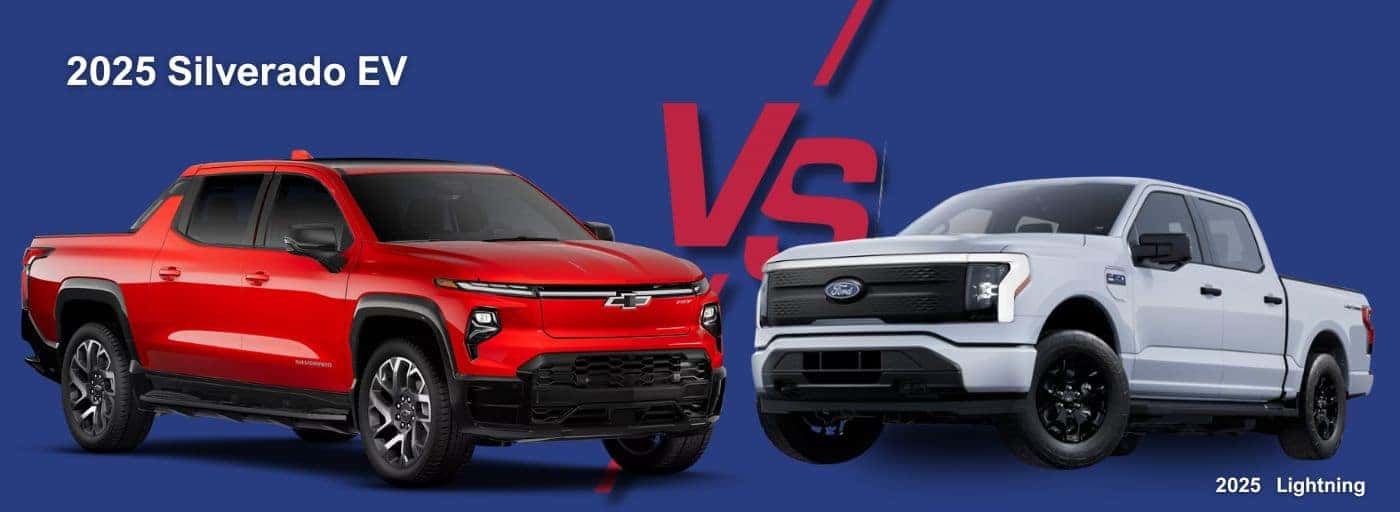
In the Silverado EV’s case, the promise of 350 kW charging is tantalizing but tethered to infrastructure maturity. Users in metropolitan areas with access to next-generation chargers will observe a swift replenishment rhythm. Yet, in rural or less developed regions, long waits might ensue due to limited station availability. Chevrolet’s strategic partnerships aim to alleviate such pain points, but the ecosystem remains a work in progress.
Battery Capacities and Impact on Charge Times
The relationship between battery size and charging duration is anything but linear. Tesla’s Cybertruck is equipped with an estimated battery pack exceeding 200 kWh, catering to its colossal design and durability ambitions. Larger batteries permit extended range, but they naturally require longer charging sessions, even at high power levels. Tesla’s engineering finesse tempers these limitations with rapid charge plateau management and thermal regulation.
The Ford Lightning’s battery packs hover between 98 kWh and 131 kWh, which strikes a balanced trifecta of range, weight, and charging agility. Consequently, the Lightning enjoys relatively brisk recharge cycles while maintaining respectable range figures. This can profoundly influence daily use patterns, presenting a vehicle that can swiftly regain vital charge without monopolizing time.
Chevrolet’s Silverado EV promises a battery capacity similar to the Cybertruck, estimated near 200 kWh, designed for extended utility and demanding workloads. This larger format unavoidably extends the absolute time needed for a full charge but is offset by those powerful 350 kW charging capabilities—if the infrastructure keeps pace.
The Role of Home Charging Solutions in Daily Convenience
Public fast charging is paramount for long-distance travel, yet the lion’s share of electric pickup charging transpires at home. Each manufacturer approaches this domain with subtle distinctions. Tesla’s Wall Connector supports speeds up to 48 amps, typically replenishing the Cybertruck overnight with ease. Its integration with Tesla’s app ecosystem adds layers of scheduling and optimization, bolstering the user experience.
Ford’s Pro Power Onboard system uniquely complements the Lightning’s home charging setup, allowing drivers to power their tools, equipment, or even homes, essentially converting the vehicle into a mobile generator. This multi-functionality introduces a compelling dimension to the idea of “charging,” transcending mere energy replenishment.
Chevrolet’s home charging options are designed to deliver up to 19.2 kW through Level 2 charging stations, striking a pragmatic balance between installation complexity and recharge speed. Enhanced vehicle-to-grid capabilities are anticipated, potentially amplifying the Silverado EV’s role in not just consumption, but energy management and grid support.
Future-Proofing: Software and Network Updates
Software is the silent architect behind modern electric vehicle charging efficacy. Tesla’s over-the-air updates continuously refine charging algorithms, battery management, and navigation to optimize routes around Supercharger availability. This adaptability promises an ever-improving user experience, surpassing the limitations of physical infrastructure alone.
Ford and Chevrolet are rapidly emulating this approach, with firmware updates projected to enhance charging curves, thermal efficiency, and interoperability with emerging charging standards. As the electric landscape becomes more heterogeneous, agile software updates will be paramount to maximize real-world charging convenience.
Conclusion: Charging Dynamics Redefine Electric Pickup Viability
The juxtaposition of the Tesla Cybertruck, Ford Lightning, and Chevrolet Silverado EV under the lens of charging unfurls a complex tapestry of promises, challenges, and evolving technologies. Each vehicle offers a unique charging narrative sculpted by battery design, network alliances, and manufacturer philosophy. The Cybertruck’s powerhouse battery and Supercharger dominance lay a foundation of predictability and speed, advantageous for long-haul endeavors.
The Ford Lightning’s nuanced approach balances home-charging convenience with practical fast charging, appealing to users prioritizing accessibility and versatility. Meanwhile, the Silverado EV straddles exhilarating charging power with infrastructural dependency, hinting at a future shaped by advancements in charging station proliferation.
Ultimately, these electric behemoths coalesce to shift the paradigm from range anxiety to a new era where utility, efficiency, and adaptability reign. Their charging ecosystems serve not just as conduits of energy, but as intrinsic elements that define how electric pickups are experienced and adopted. The evolution of this crucial aspect promises to elevate electric pickup ownership from novelty to necessity.