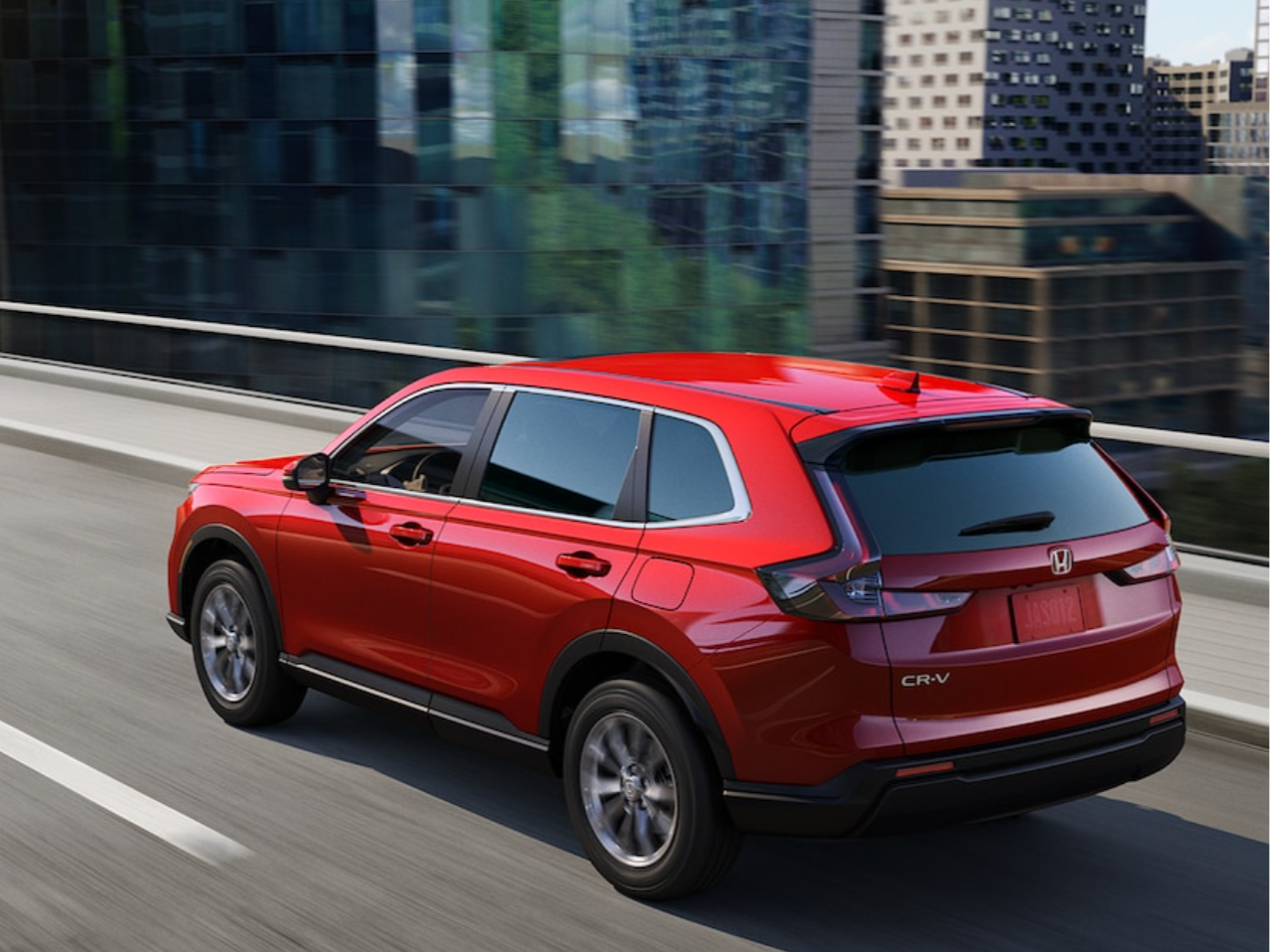
I didn’t set out to “test” the 2025 Honda CR-V Hybrid like a checklist exercise. I just needed a capable daily driver for a week—commutes, errands, a couple of longer stretches, and the usual stop-and-go chaos that tends to reveal a vehicle’s true temperament. What I found during those seven days was less about a single headline feature and more about a pattern: the CR-V Hybrid feels engineered for modern life, where convenience and efficiency must coexist without turning the driving experience into a compromise. It’s calm when it should be calm, sprightly when called upon, and thoughtfully packaged in a way that makes you forget you’re driving a hybrid at all—until the fuel savings tap you on the shoulder.
In this honest review, you’ll get a narrative walk-through of the week: how it handled different road types, what the cabin felt like over time, the reality of hybrid efficiency, and where the tradeoffs quietly live. Expect a mix of practical details and reflective observations, because the most useful opinions are often the ones that emerge after repetition.
First Impressions: The CR-V Hybrid’s “Polished Practicality”
The first morning, the 2025 CR-V Hybrid presented itself with a kind of composed confidence. The exterior stance reads as modern and balanced—nothing theatrical, yet nothing forgettable. From the driver’s seat, visibility is notably reassuring, especially at intersections and during lane changes. That matters more than most people think; clarity reduces decision fatigue, and fatigue is what turns minor inconveniences into dealbreakers.
Inside, the vibe leans toward clean ergonomics. Buttons and controls feel arranged for the way hands naturally move. The seat position was supportive without becoming stiff, and the driving posture encouraged a relaxed grip. Even before the hybrid system fully “settled” into the day’s rhythm, the cabin felt like it was designed to keep you moving rather than keep you concentrating.
Day-to-Day Driving: Comfort That Doesn’t Fade
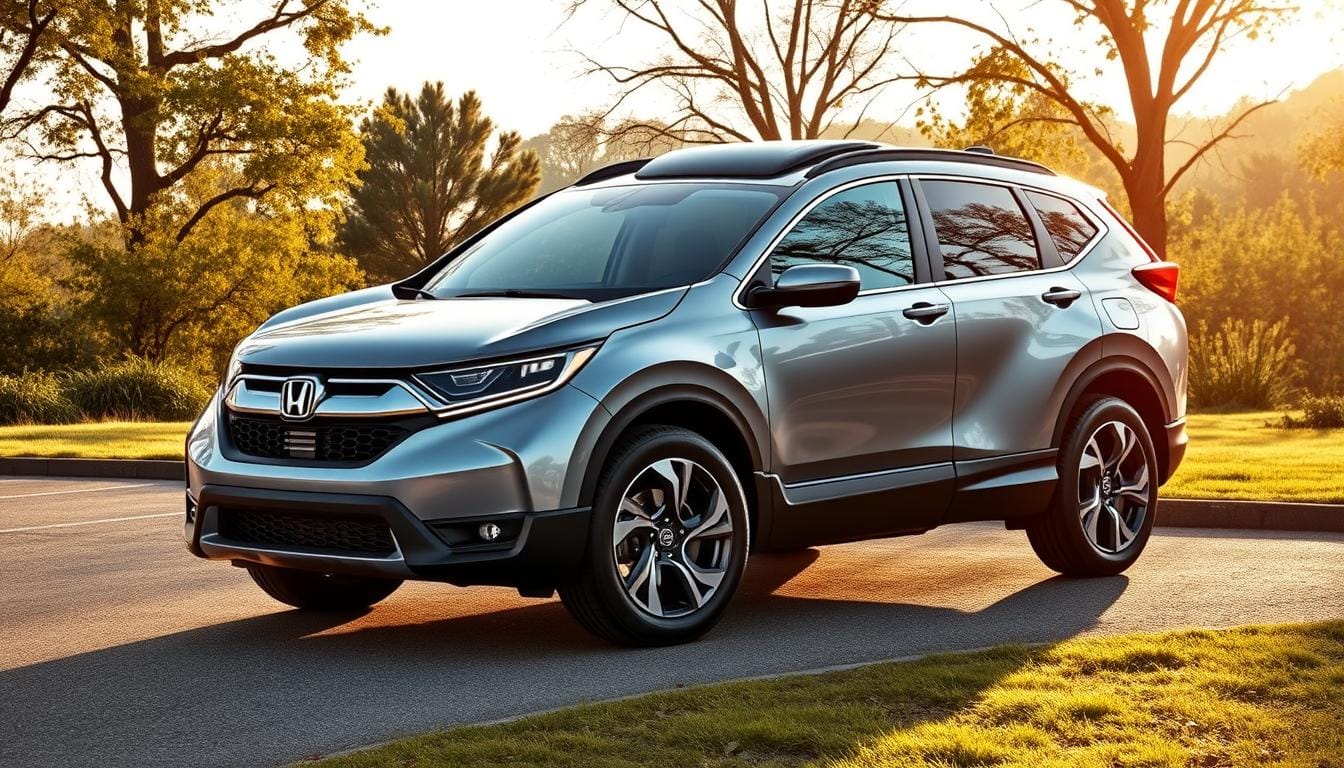
By the second day, the comfort started to feel less like a first-week honeymoon and more like a dependable routine. The ride quality absorbed pavement irregularities with an elastic confidence. Small impacts arrived as muted textures rather than abrupt jolts. On smoother roads, the chassis felt composed; on rougher surfaces, it remained controlled, suggesting a well-tuned suspension strategy rather than a compromise in either comfort or stability.
Traffic is where many SUVs reveal their mood. In dense stop-and-go conditions, the CR-V Hybrid remained steady and predictable. The transitions between electric assist and engine operation were smooth enough that it didn’t provoke the “is something changing?” sensation that some hybrids do. Short bursts of acceleration felt immediate, and the vehicle seemed to anticipate the driver’s intent—an uncanny quality, but one that becomes noticeable when you stop consciously focusing on the powertrain and start focusing on the road.
Efficiency in the Real World: The Hybrid Advantage
Hybrid technology can be a marketing slogan or a measurable benefit. During the week, the CR-V Hybrid leaned decisively toward the latter. The fuel economy gains were most visible when my route included frequent decelerations and slow-speed segments. Each time I eased off the accelerator, the system’s regenerative behavior created a sense of coasting discipline—slower, calmer, and more economical.
On longer stretches—when the road opened and speeds became steadier—the efficiency remained competitive, though naturally it became more dependent on driving style and traffic flow. The takeaway is clear: the CR-V Hybrid rewards smoothness. If you drive like you’re constantly accelerating out of habit, the advantage compresses. If you drive with a lighter right foot, the hybrid system starts to feel like it’s working with you, not just under you.
Performance and Power Delivery: Not Sporty, But Not Dull
The CR-V Hybrid isn’t trying to be a sports sedan. It aims for traction, responsiveness, and everyday usability. Still, “not sporty” doesn’t mean “slow.” Acceleration from lower speeds felt confident, especially when merging into traffic. There was a measured quality to the power delivery—less of a surge and more of an eager, linear push that made it easy to judge how much power you were getting.
Passing maneuvers were handled with a calm assertiveness. The vehicle didn’t feel strained; it felt purposeful. If you’re the type who drives by momentum rather than repeated throttle punches, you’ll likely enjoy how the CR-V Hybrid maintains momentum while staying composed.
Cabin Experience: Quiet, Intuitive, and Livable
Over a week, the cabin’s character became one of the strongest selling points. Noise levels were impressively controlled for an SUV used in everyday conditions. Highway stretches stayed hushed enough to keep conversations easy. That reduced stress in a way that surprised me—quietness isn’t a luxury, it’s a comfort multiplier.
The seat comfort held up after repeated rides. My posture didn’t feel like it needed adjustment every hour, and legroom remained practical even as the days became more packed with errands and passengers. Storage spaces also felt thoughtfully distributed—small compartments that appear insignificant until you need them. Cup holders, door pockets, and the center area all worked without forcing you to compromise on placement.
Technology and Infotainment: Easy to Use, Easy to Trust
Modern infotainment systems can become distractions if they feel cluttered or laggy. The CR-V Hybrid’s setup stayed user-friendly throughout the week. Menus were navigable without gymnastics, and input responses felt reasonably immediate. Voice and touch controls were convenient enough that I didn’t have to stop mid-errand just to regain confidence in the interface.
Navigation and media controls were accessible while driving, and the system’s behavior remained consistent. That consistency matters more than flashy animations. A vehicle is lived with, not admired once.
Practicality: Space That Fits Real Plans
In seven days, practicality showed itself through the small stuff: groceries, a couple of bags, and the “we’ll just stop by once” detour that turns into a multi-stop afternoon. The CR-V Hybrid handled it all without making the cargo area feel like an afterthought.
The rear seating felt supportive for typical daily use. Headroom and legroom were adequate for most situations, and the seating position made it comfortable for riders rather than merely “passable.” Fold-and-stow flexibility added a helpful layer for uneven loads—useful for weekend outings when plans evolve faster than packing strategy.
Handling and Braking: Predictable Confidence
What stood out most during the week was the vehicle’s predictable response. Steering felt naturally weighted, not overly light, not overly heavy—just balanced. It encouraged measured correction rather than frantic micro-adjustments. In corners, the CR-V Hybrid held its line without excessive body drama.
Braking behavior was smooth and progressive. In hybrid mode, regenerative braking creates a unique rhythm: the vehicle slows with a controlled deceleration that can feel different from purely friction-based braking. Once I adapted, it became intuitive. Instead of thinking about it, I started driving through it.
Where It Falls Short: The Tradeoffs Worth Noticing
No vehicle is perfect, and the CR-V Hybrid’s compromises were mostly the honest kinds. Some drivers may find that the steering feel is more comfort-oriented than feedback-heavy. It’s not numb, but it’s tuned for composure rather than sportiness.
Also, while the powertrain is refined, the hybrid nature can produce subtle changes in how the engine engages under specific conditions. Those moments were never jarring, but they were noticeable if you’re sensitive to mechanical transitions.
Finally, if you regularly demand maximum towing or aggressive acceleration, you’ll need to align expectations with the CR-V’s primary mission: efficient, comfortable, everyday utility. This is a hybrid SUV for living, not for conquest.
Who Should Buy It: A Clear Match
The 2025 Honda CR-V Hybrid makes the most sense for drivers who value steadiness: commuters who endure traffic, families juggling schedules, and travelers who want a quiet cabin and sensible fuel economy. It also suits anyone who prefers driving that feels composed rather than theatrical.
If you’re shopping for an SUV that can handle urban errands and weekend road trips without demanding a second set of expectations, this CR-V earns a strong place on the shortlist.
Final Thoughts: A Week Well Spent
By the end of the week, I realized the CR-V Hybrid’s appeal wasn’t limited to one number or one feature. It was in the accumulation: the calm ride, the quiet cabin, the smooth power delivery, and the way efficiency emerged naturally from normal driving patterns. The 2025 Honda CR-V Hybrid doesn’t try to impress you with drama. Instead, it earns trust through everyday competence.
If you want an SUV that makes daily life easier—without constantly reminding you you’re driving a hybrid—this one has the right kind of confidence. After a week behind the wheel, the best compliment I can offer is simple: it felt like a practical decision, not a compromise.