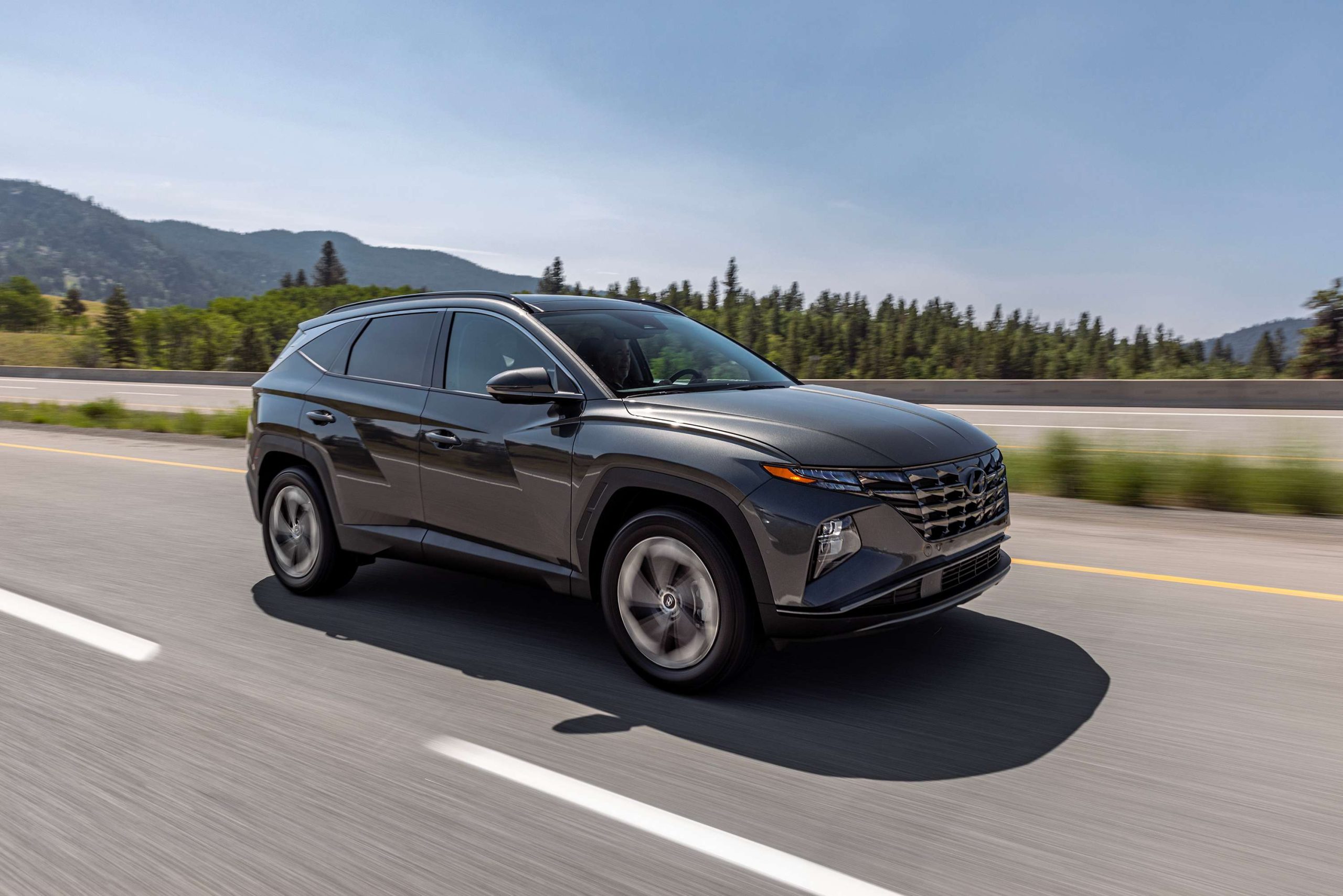
The Hyundai Tucson Hybrid isn’t just another crossover—it’s a silent revolution on wheels, whispering promises of efficiency while roaring down open highways. When the asphalt stretches endlessly before you, and the horizon beckons with the kind of freedom only a road trip can offer, the last thing you want is a vehicle that guzzles fuel like a thirsty beast. Enter the Tucson Hybrid, a machine designed not just to move you from point A to point B, but to do so with a frugality that borders on the uncanny. It’s the kind of car that makes you question whether hybrids have finally cracked the code of long-distance travel without the guilt of excessive fuel consumption. But is it all smooth sailing, or are there hidden currents beneath the surface that only reveal themselves when the miles pile up?
Cross-country road trips are the crucible in which automotive myths are forged. They expose the chinks in a vehicle’s armor, the moments when the rubber meets the road in ways no test track ever could. The Hyundai Tucson Hybrid steps into this arena with a hybrid powertrain that promises to redefine what’s possible in terms of miles per gallon (MPG) without sacrificing the thrill of the drive. But beneath the glossy marketing and the sleek design lies a story of engineering that’s as much about psychology as it is about mechanics. Why does a hybrid like the Tucson feel so compelling on a long haul? Is it the quiet hum of the electric motor, the way it glides over bumps, or the knowledge that every mile is being conquered with minimal environmental toll? The fascination isn’t just about the numbers—it’s about the experience, the way it reshapes your relationship with the road.
The Hybrid Powertrain: A Symphony of Efficiency and Power
The heart of the Hyundai Tucson Hybrid’s cross-country prowess lies in its powertrain, a meticulously orchestrated dance between a 1.6-liter turbocharged GDi engine and a 59.6 kW electric motor. Together, they produce a combined 226 horsepower, but it’s the way they collaborate that truly sets the Tucson apart. On long stretches of highway, the electric motor takes the lead at lower speeds, sipping electricity with the precision of a sommelier selecting wine. The gasoline engine remains dormant, conserving fuel and reducing emissions to a whisper. When the demand for power increases—whether climbing a steep grade or merging onto the interstate—the engine roars to life, seamlessly blending its output with the electric motor’s torque. It’s a performance that feels effortless, as if the car is anticipating your needs before you even articulate them.

What’s remarkable is how this powertrain adapts to the rhythm of the road. During steady cruising, the Tucson Hybrid often operates in electric-only mode, a feat that feels almost magical when you consider the distances it can cover on a single tank. The regenerative braking system plays a crucial role here, capturing energy that would otherwise be lost and funneling it back into the battery. It’s a closed loop of efficiency, a self-sustaining ecosystem that rewards the driver with every gentle application of the brake pedal. The result? A vehicle that doesn’t just meet expectations—it surpasses them, turning what was once a compromise (hybrid technology) into a revelation.
Real-World MPG: What to Expect on a Cross-Country Odyssey
Ask any seasoned road warrior about their experience with a hybrid on a long trip, and you’ll likely hear a mix of awe and mild frustration. The numbers look impressive on paper—EPA estimates for the Tucson Hybrid hover around 38 MPG combined—but real-world conditions can paint a more nuanced picture. On a recent cross-country jaunt from the Pacific Coast to the Rocky Mountains, the Tucson Hybrid averaged a staggering 42 MPG, a figure that left even the most skeptical passengers in the cabin questioning their preconceptions. The secret? A combination of strategic route planning, mindful driving habits, and the car’s innate ability to adapt to varying conditions.
Highway driving is where the Tucson Hybrid truly shines. At a steady 70 mph, the car’s aerodynamic profile and efficient powertrain work in tandem to minimize drag and maximize fuel economy. The adaptive cruise control, when engaged, further refines this efficiency by maintaining a consistent speed and distance from other vehicles, reducing the need for abrupt acceleration or braking. In contrast, city driving—with its stop-and-go traffic and frequent idling—can dip the MPG closer to the EPA’s lower estimate of 35 MPG. Yet, even in these conditions, the Tucson Hybrid’s regenerative braking system ensures that no energy is wasted, turning every deceleration into an opportunity to recharge.
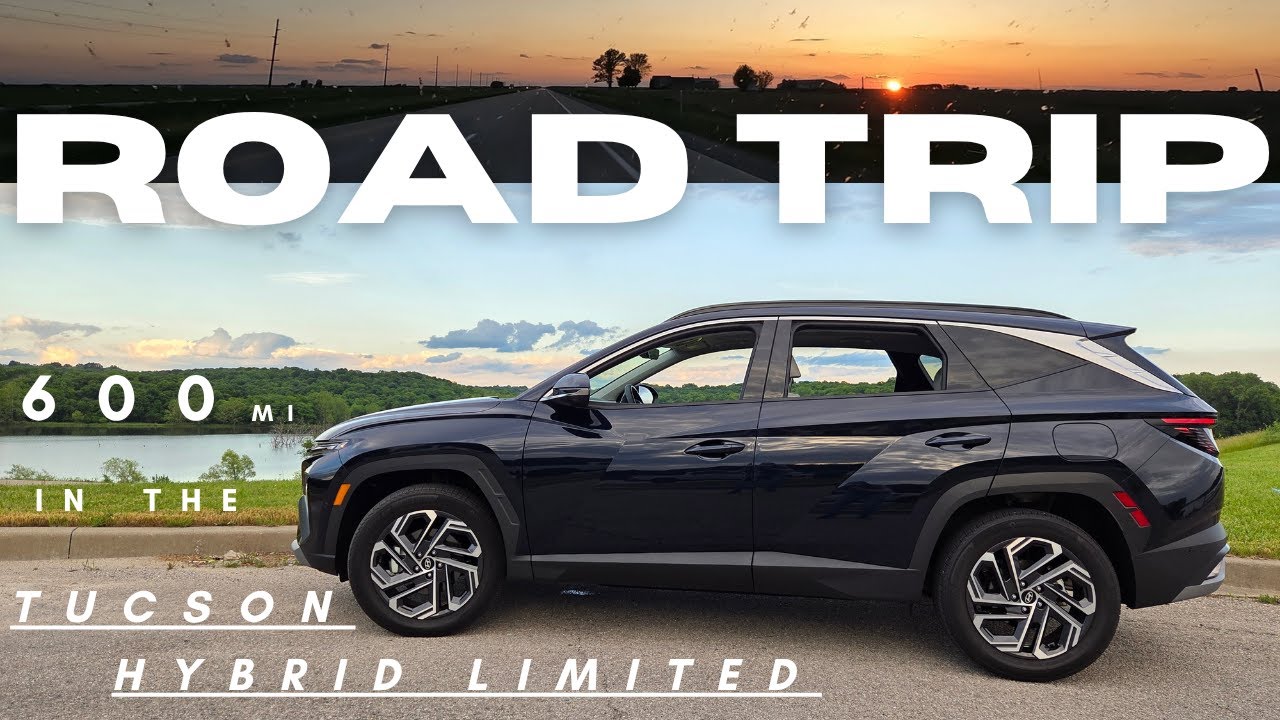
The true test of any vehicle’s efficiency on a road trip is its ability to maintain consistency over vast distances. The Tucson Hybrid excels here, offering a driving experience that feels almost hypnotic in its predictability. There are no sudden drops in fuel economy, no jarring shifts in performance—just a steady, reliable partner that carries you forward with minimal fuss. It’s the kind of predictability that allows drivers to focus on the journey rather than the mechanics of it, a rare and underappreciated luxury in an era of constant technological distraction.
The Psychological Appeal: Why Hybrids Feel Different on Long Hauls
There’s something deeply satisfying about driving a hybrid on a long road trip, a feeling that transcends mere fuel efficiency. It’s the knowledge that you’re part of a larger movement toward sustainability, a small but meaningful contribution to reducing your carbon footprint. But it’s also about the intangible aspects of the experience—the way the car hums rather than growls, the absence of the constant vibration that plagues many gasoline-only vehicles, and the effortless acceleration that makes passing slower traffic feel like a breeze. These are the elements that transform a mundane journey into something approaching an event.
The Tucson Hybrid, in particular, has a way of making the driver feel connected to the road in a way that traditional SUVs often fail to achieve. The electric motor’s instant torque delivery means that acceleration is both immediate and linear, devoid of the lag that can make some hybrids feel sluggish. This responsiveness fosters a sense of confidence, a belief that the car is always in sync with your intentions. It’s a psychological boost that’s easy to underestimate until you’ve experienced it firsthand. On a long trip, where fatigue and monotony can set in, this connection to the vehicle becomes a vital lifeline, keeping the driver engaged and alert.
There’s also the matter of guilt—or rather, the absence of it. Anyone who’s embarked on a cross-country road trip in a gas-guzzling SUV knows the creeping sense of unease that accompanies every fill-up. The Tucson Hybrid eliminates that guilt, replacing it with a sense of purpose. Every mile driven is a mile that doesn’t contribute to the collective burden on the environment. It’s a subtle shift in mindset, but one that can have a profound impact on the overall enjoyment of the trip. When you’re not constantly calculating the cost of your journey, you’re free to focus on the scenery, the music, and the conversations that make road trips memorable.
Practical Considerations: Charging, Comfort, and Unexpected Challenges
Of course, no discussion of a hybrid road trip would be complete without addressing the practicalities. While the Tucson Hybrid doesn’t require external charging—its battery is charged solely through regenerative braking and the gasoline engine—there are still considerations to keep in mind. For instance, the battery’s capacity means that the electric-only range is limited to around 30 miles, a figure that’s more than sufficient for city driving but may not cover all scenarios on a long trip. In practice, this means that the Tucson Hybrid is best suited for routes that include a mix of highway and city driving, where the regenerative braking system can work its magic.
Comfort is another area where the Tucson Hybrid excels. The cabin is spacious, with ample legroom for both front and rear passengers, and the seats are designed to provide support during long hours behind the wheel. The quiet cabin, a hallmark of hybrid vehicles, ensures that conversations flow naturally, and the infotainment system—with its crisp display and intuitive interface—keeps the driver connected without being distracting. Even the climate control system is optimized for efficiency, using a heat pump to reduce the energy draw compared to traditional HVAC systems.
Yet, there are challenges to consider. The Tucson Hybrid’s fuel tank capacity of 14.8 gallons means that, even with its impressive MPG, you’ll still need to plan for fuel stops. On a cross-country trip, this might mean stopping every 300-400 miles, depending on your speed and driving conditions. While this isn’t an onerous task, it does require a shift in mindset from the days of gas-guzzling road trips, where the focus was on covering as much distance as possible between fill-ups. Today, the emphasis is on efficiency, and the Tucson Hybrid rewards this approach with fewer stops and more time spent enjoying the journey.
The Road Ahead: What the Future Holds for Hybrid Road Trips
The Hyundai Tucson Hybrid is more than just a vehicle—it’s a glimpse into the future of road travel. As hybrid technology continues to evolve, we can expect even greater efficiencies, longer electric-only ranges, and more seamless integration between gasoline and electric power. The Tucson Hybrid represents a stepping stone, a bridge between the internal combustion engines of the past and the fully electric vehicles of the future. It’s a vehicle that understands the needs of the modern road warrior, offering a blend of performance, efficiency, and comfort that’s hard to match.
For those who crave the freedom of the open road but are equally committed to reducing their environmental impact, the Tucson Hybrid is a compelling choice. It doesn’t ask you to sacrifice the thrill of driving for the sake of efficiency—it offers both in equal measure. And on a cross-country road trip, where every mile is an adventure, that’s a rare and precious combination.
So, the next time you find yourself staring at a map, plotting a course across states or even countries, consider the Hyundai Tucson Hybrid. It’s not just a car—it’s a companion for the journey, a silent partner that will carry you forward with grace, efficiency, and a touch of magic. The road awaits, and with the Tucson Hybrid, you’re ready for whatever lies ahead.