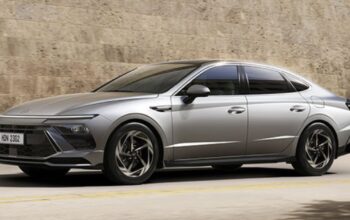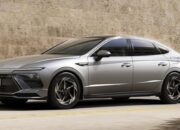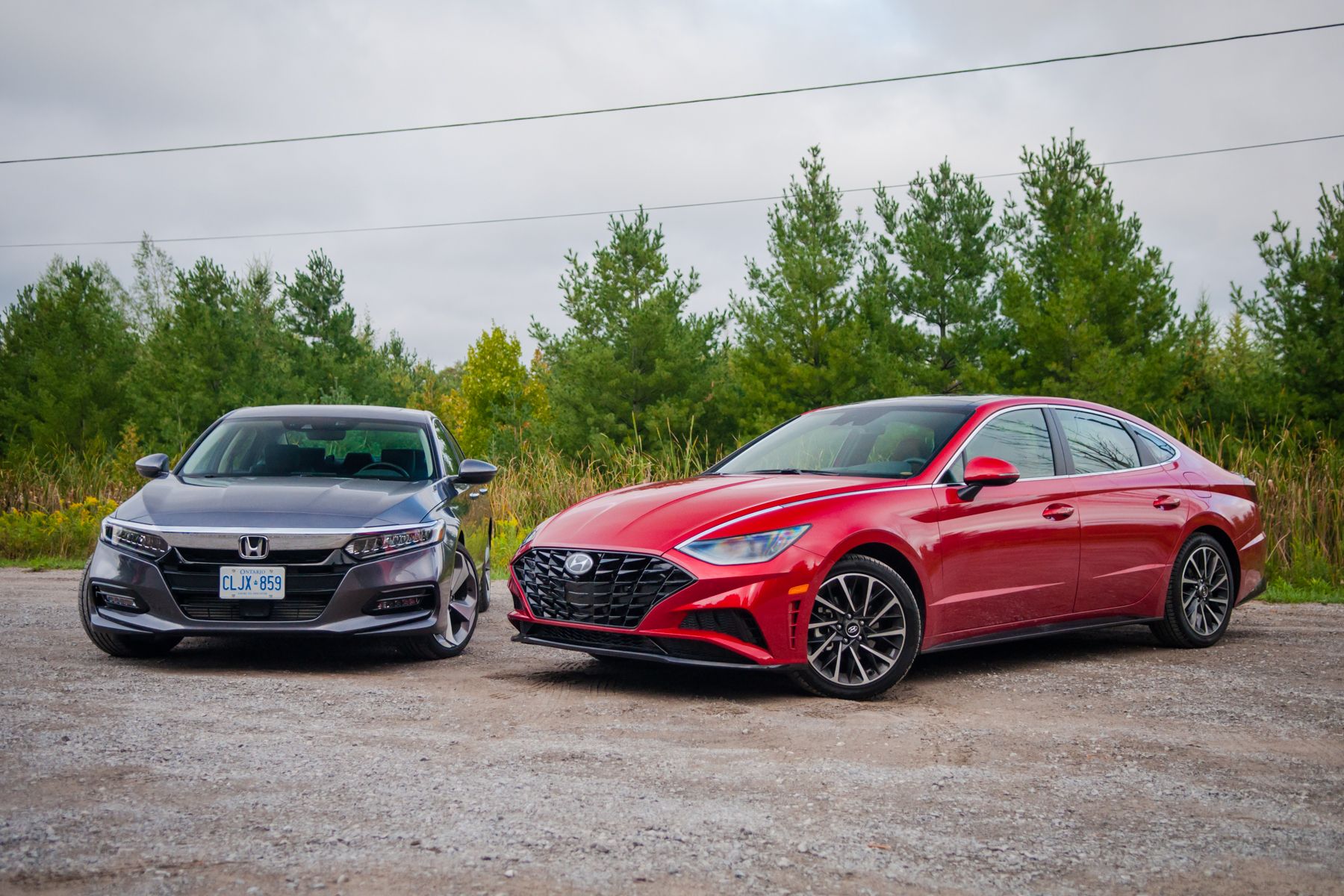
The 2026 Hyundai Sonata and Honda Accord are locked in a fierce duel for midsize sedan supremacy, each wielding a distinct arsenal of innovation, refinement, and driving dynamics. These aren’t just cars—they’re rolling manifestos of automotive philosophy, where one prioritizes futuristic flair and the other champions timeless precision. Whether you crave the avant-garde tech of the Sonata or the battle-tested reliability of the Accord, this comparison dissects every facet of these contenders, from powertrains to interiors, to help you crown your champion. Buckle up; the road ahead is paved with revelations.
The Powertrain Showdown: Where Horsepower Meets Efficiency
The heart of any sedan beats in its engine bay, and here, the 2026 Hyundai Sonata and Honda Accord offer two radically different philosophies. The Sonata’s standard 2.5-liter inline-four churns out a robust 191 horsepower, but it’s the hybrid variant that steals the spotlight—a 1.6-liter turbocharged four-cylinder paired with an electric motor, delivering a combined 232 horsepower while sipping fuel like a hybrid should. The Accord, meanwhile, counters with its own hybrid powertrain, a 2.0-liter turbocharged engine mated to dual electric motors, producing 204 horsepower in base form and a scintillating 280 horsepower in the hybrid e:HEV guise. But here’s where the Sonata flexes its muscles: its hybrid system employs a more traditional parallel-series hybrid layout, while the Accord’s e:HEV uses a sophisticated two-motor system that mimics a continuously variable transmission, delivering seamless acceleration without the lag. Which is better? It depends on whether you prefer the Sonata’s pragmatic efficiency or the Accord’s dynamic responsiveness.
For those who demand raw power, the Sonata’s optional 2.5T turbocharged engine—generating 290 horsepower—goes toe-to-toe with the Accord’s 1.5T turbo, which musters 192 horsepower. Yet, the Accord’s turbocharged engine is tuned for low-end torque, making it feel more planted during overtakes. The Sonata’s turbo, while punchier, requires more revving to unleash its full fury. If you’re a thrill-seeker, the Accord’s e:HEV hybrid might just be the sleeper hit of the segment, blending efficiency with exhilarating torque vectoring.

Interior Opulence: Craftsmanship vs. Futuristic Flair
Step inside either sedan, and you’re immediately enveloped in a world of meticulously curated materials and ergonomic mastery. The 2026 Accord’s cabin is a masterclass in understated elegance, with soft-touch surfaces, genuine wood trim, and a panoramic glass roof that bathes the interior in natural light. The Sonata, however, dares to be different. Its cabin is a symphony of digital innovation, featuring a dual 12.3-inch curved display that stretches across the dashboard like a futuristic art installation. The Accord’s infotainment system, while intuitive, relies on a traditional touchscreen and physical buttons, whereas the Sonata’s digital cockpit feels like piloting a spacecraft—every interaction is a touch, swipe, or voice command away.
Seating comfort is another battleground. The Accord’s front seats cradle you in plush, supportive bolsters, ideal for long highway hauls, while the Sonata’s seats, though equally comfortable, offer a firmer stance, catering to those who prefer a more athletic driving posture. Rear legroom is nearly identical, but the Sonata’s panoramic sunroof (optional) gives it a slight edge in perceived spaciousness. The Accord counters with superior sound insulation, making it the quieter companion on open roads. Which interior wins? It’s a matter of taste: the Accord’s tactile luxury or the Sonata’s digital avant-garde.

Driving Dynamics: The Road as a Canvas
The way these sedans dance on pavement reveals their true personalities. The Accord is the consummate grand tourer, its suspension tuned for comfort and stability, gliding over imperfections with the grace of a luxury liner. The steering is precise, the body roll minimal, and the ride height just right for effortless cruising. The Sonata, on the other hand, is the sporty provocateur. Its suspension is firmer, the steering more communicative, and the chassis tuned for agility. The optional N-Line package transforms it into a pseudo-coupe, with sharper handling and a lower stance that hugs corners like a go-kart. Which is more fun? The Accord lulls you into a state of relaxed bliss, while the Sonata demands your attention, rewarding every input with immediate feedback.
In the hybrid realm, the Accord’s e:HEV system shines with its seamless power delivery, making city driving a breeze. The Sonata’s hybrid, while efficient, can feel sluggish in stop-and-go traffic due to its less sophisticated hybrid layout. On the highway, both excel, but the Accord’s superior aerodynamics (a drag coefficient of 0.25 vs. the Sonata’s 0.27) give it a slight edge in fuel efficiency at higher speeds. For enthusiasts, the Sonata’s available N-Line or N models offer a tantalizing glimpse of performance sedan DNA, while the Accord remains the steadfast workhorse.
Tech and Safety: The Digital Arms Race
In an era where cars are essentially computers on wheels, both sedans are armed to the teeth with cutting-edge technology. The Accord’s suite of safety features includes Honda Sensing Suite 2.0, which boasts adaptive cruise control, lane-keeping assist, and traffic sign recognition. The Sonata counters with Hyundai SmartSense, a similarly robust package that includes blind-spot collision-avoidance assist and rear cross-traffic alert. But where the Sonata truly flexes is in its advanced driver-assistance systems (ADAS), such as the optional Highway Driving Assist 2, which can autonomously steer, accelerate, and brake on highways—a feature the Accord lacks in its current iteration.
Infotainment is another arena where the Sonata dominates. Its dual 12.3-inch displays support wireless Apple CarPlay and Android Auto, while the Accord’s 7-inch or 12.3-inch touchscreen (depending on trim) requires a wired connection. The Sonata’s system is also more customizable, with themes and layouts that can be tailored to your mood. The Accord’s interface is cleaner and more intuitive, but the Sonata’s digital canvas feels more immersive. For those who prioritize connectivity, the Sonata is the clear winner.
Value Proposition: Bang for Your Buck
Pricing is where the two sedans diverge most starkly. The Accord starts at a more accessible $27,000, while the Sonata begins at $26,000. But as you climb the trim ladder, the differences become more pronounced. The Accord’s top-tier Touring trim rings in at $36,000, while the Sonata’s Limited trim, with its premium features like ventilated seats and a 12-speaker Bose audio system, can reach $38,000. The Sonata’s hybrid variants are also more competitively priced, with the SEL Hybrid starting at $30,000, compared to the Accord Hybrid’s $32,000 entry point.
Resale value is another consideration. Hondas have long held their value better than Hyundais, but the Sonata’s recent redesign and improved build quality have narrowed the gap. Over a five-year span, the Accord is expected to retain about 50% of its value, while the Sonata hovers around 45%. However, the Sonata’s longer warranty—10 years/100,000 miles for the powertrain—could offset this difference for budget-conscious buyers. Which offers better value? The Accord for its reliability and resale, or the Sonata for its tech and warranty?
The Verdict: Which Sedan Wears the Crown?
The 2026 Hyundai Sonata and Honda Accord are both exceptional sedans, but they cater to fundamentally different audiences. The Accord is the ideal choice for those who value timeless design, unshakable reliability, and a refined driving experience. It’s the sedan for the pragmatist, the commuter, the family driver who wants a car that disappears into the background—reliable, comfortable, and understated.
The Sonata, however, is for the driver who wants to make a statement. It’s the sedan for the early adopter, the tech enthusiast, the performance seeker who craves innovation and flair. With its futuristic interior, sportier handling, and cutting-edge ADAS, the Sonata feels like a glimpse into the future of automotive design. It’s not just a car; it’s an experience.
So, which will you choose? The Accord for its steadfast dependability, or the Sonata for its audacious vision? The road awaits, and the choice is yours.