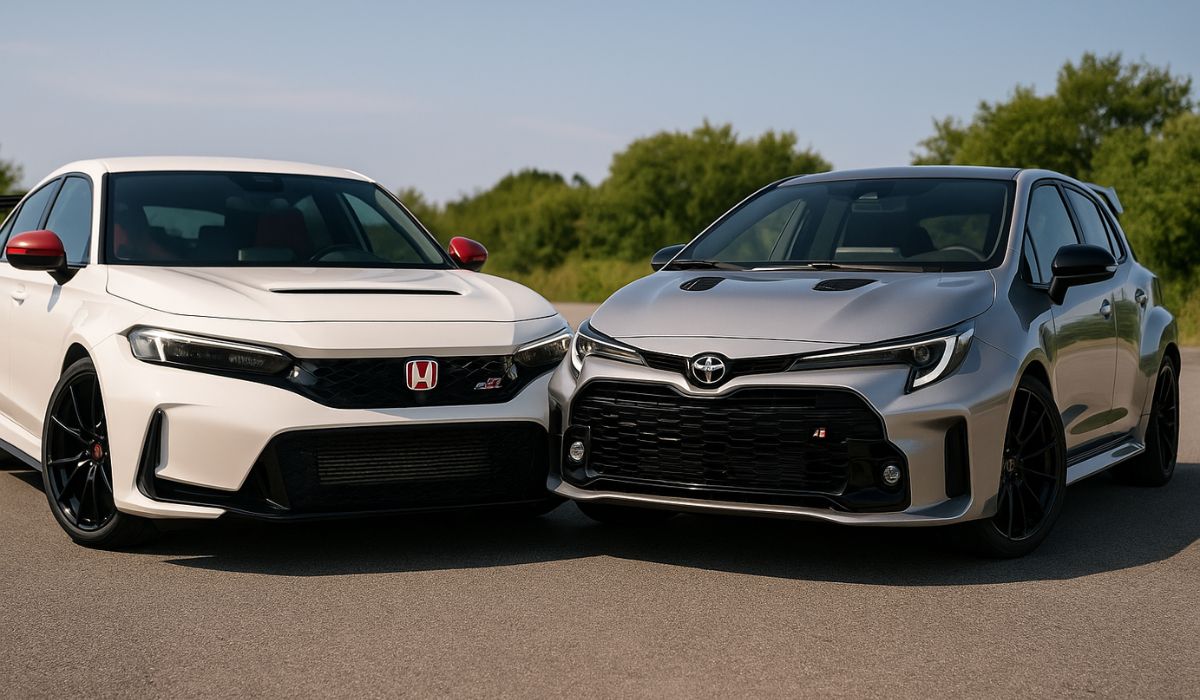
There’s a peculiar sort of magnetism that clings to compact hatchbacks. They’re small enough to feel nimble in tight city grids, yet bold enough to invite weekend detours. And when the conversation turns to the 2026 Honda Civic Hatchback and the Toyota Corolla Hatchback, something more than brand loyalty begins to surface. People don’t just compare specs; they compare temperaments. They listen for the faintest differences in how each car seems to interpret the road—like two storytellers with overlapping plots, but entirely different voices.
Of course, a common observation floats to the surface fast: these models are “similar” because they’re both compact hatches. But similarity is a slippery word. Under the skin, the deeper reasons for fascination—how they behave under pressure, how they prioritize daily drama, how they balance efficiency with personality—are where the real showdown lives.
So let’s pull up to the starting line and look beyond the obvious. This isn’t just a fight for headlines. It’s a comparison of engineering philosophies, driver feedback, and the emotional calculus that happens every time you slide into the seat and press the start button.

First Impressions: Two Hatchbacks, Two Vibes
Both hatchbacks wear their practicality like a badge, but their first impressions land differently. The 2026 Honda Civic Hatchback carries a sense of sharpened purpose. Its design cues feel engineered for motion—lines that seem to cut through the air rather than simply occupy space. Even at a standstill, it can look like it’s preparing to surge forward.
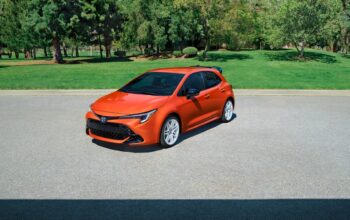
The Toyota Corolla Hatchback, on the other hand, often reads as composed and confidence-forward. It projects a steadier demeanor, the kind that says it’ll handle the commute tomorrow and the next day without demanding applause. That calm isn’t bland; it’s purposeful. A Corolla hatch can feel like a reliable co-pilot with a strong sense of direction.

Common Observation: “They’re Both Compact—So They’re the Same, Right?”
Here’s the observation many drivers make: compact hatchbacks share the same core duties. They’re sized for parking lots, designed for errands, and built to deliver decent fuel economy. It’s easy to assume the rest will be interchangeable.
But the deeper fascination begins when you consider what “compact” really means. Compact doesn’t just describe dimensions. It describes constraints—short wheelbases, tighter weight packaging, and smaller displacement decisions. Constraints force engineering to prioritize.
In that sense, Honda and Toyota aren’t just building similar vehicles. They’re responding to the same limitations with different solutions. The result? You can feel it when the road tightens, when the throttle response changes character, and when steering inputs translate into traction and confidence.
Driving Dynamics: Steering Feel and Throttle Character
Drive them back-to-back and a pattern emerges: the Honda tends to feel more eager, more immediate. There’s often a crispness to how the Civic communicates acceleration demands. It can feel slightly more “connected,” as if the car is translating your intentions into action with fewer conversational delays.
The Corolla Hatchback often emphasizes smoothness and steadiness. It may not shout for attention, but it can deliver a controlled, predictable rhythm. That predictability matters more than many people expect, especially on long drives where fatigue creeps in. A hatchback that feels calm can be the difference between a pleasant return trip and a mentally taxing one.
Neither approach is automatically better. One is about enthusiasm; the other is about composure. The showdown becomes less about who’s faster on paper and more about whose personality matches your driving habits.
Performance Reality: Quickness vs. Momentum
Performance isn’t solely measured by straight-line numbers. It’s also about how quickly you regain momentum after a turn, how confidently power arrives when you’re merging, and how the car behaves when the road throws curveballs.
The Civic Hatchback often feels like it rewards assertive inputs. That’s the kind of car that invites you to use it—downshift with conviction, accelerate at the right moment, and trust that the chassis will comply. Even when the pace is modest, the sense of engagement can make the drive feel richer.
Meanwhile, the Corolla Hatchback tends to emphasize an everyday form of momentum: consistent, efficient propulsion that keeps you moving without drama. It can be the better choice for drivers who want “enough” performance, delivered smoothly and reliably.
So the question isn’t “which is stronger?” It’s “which style of strength fits the life you actually drive?”
Interior Atmosphere: Ergonomics, Tech, and the Comfort Equation
Inside, these cars tell their own stories. The Civic Hatchback typically leans toward a more driver-oriented cockpit. Controls often feel arranged with intent—small gestures become easy, quick adjustments become natural. That subtle efficiency can matter in stop-and-go traffic, where every repeated motion adds up.
The Corolla Hatchback often wins fans with a straightforward, easy-to-live-with layout. It can feel less like a cockpit and more like a comfortable workspace. The advantage here is simplicity: menus that don’t fight you, controls that don’t demand a learning curve, and seating that supports daily routines.
In the end, tech isn’t just about screens. It’s about how the interface reduces mental friction. Less friction means more attention for the road, and more attention is where safety and enjoyment quietly intersect.
Practicality and Space: Hatchback Magic, Reconsidered
Hatches are practical by design, but not all practicality feels the same. The Civic Hatchback tends to create a sense of versatility through its packaging. Cargo space can feel ready for real-world chores—groceries, gym bags, weekend gear—without turning the trunk into a complicated puzzle.
The Corolla Hatchback also aims for usefulness, but the difference often appears in the details: how the rear area accommodates irregular items, how the opening shape helps loading, and how the seating arrangement handles the “last-minute plan” moments.
Hatchbacks excel at absorbing life’s spontaneity. The best one isn’t just the one with the largest numbers; it’s the one that makes you forget the limits.
Ride Quality: The Quiet Battle Against Everyday Roads
Road imperfections are the real boss of compact ownership. Broken pavement, uneven patches, and the constant thrum of urban surfaces can turn a daily drive into a negotiation. This is where the Civic Hatchback often feels agile, with a suspension tuning that can feel lively and responsive.
The Corolla Hatchback may aim for a smoother glide. It can feel designed for consistency—less of a “sporty bounce,” more of a composed roll over roughness. That trait becomes valuable when your schedule is packed and your patience is thin.
Ride comfort isn’t a luxury. It’s a long-term quality-of-life mechanic.
Reliability and Ownership: The Emotional Price Tag
Every buyer eventually circles back to ownership reality. Honda and Toyota both carry reputations, but the fascination for shoppers often comes from how the reputation translates into peace of mind.
The Corolla Hatchback benefits from Toyota’s widely recognized reliability aura. For many drivers, that reduces uncertainty—less worrying, more trusting the vehicle to show up for errands, road trips, and everything between.
The Civic Hatchback can be equally appealing, especially to buyers who want a sporty edge without stepping into costlier territory. The appeal isn’t only performance; it’s the sense that the car has character. A car that feels fun to drive can change the way you think about ownership itself.
This is where the deeper reasons for fascination emerge: drivers aren’t just purchasing transportation. They’re buying an ongoing relationship with something that will shape their routines.
The Value Proposition: What You Get Per Dollar
Value isn’t only about the base price. It’s what the price buys in daily satisfaction: driving feel, comfort over time, feature practicality, and long-term confidence. The Civic Hatchback often competes through engagement—more of that “want to drive” effect. The Corolla Hatchback often competes through practicality and reassurance—less fuss, steady usability.
In the end, the best hatchback is rarely the one with the biggest headline. It’s the one that makes the buyer feel like the trade-offs are sensible.
So, Which One Wins the Showdown?
If your definition of fun is immediacy—quick response, lively steering feedback, and an inner urge to take the scenic route—then the 2026 Honda Civic Hatchback is likely to hit the sweet spot. It’s the hatch that can feel like a conversation with the road.
If your definition of a great car is steadiness—smooth daily operation, a reliability-leaning mindset, and practical comfort that doesn’t demand your attention—then the Toyota Corolla Hatchback may feel like the smarter companion. It’s the hatch that stays out of your way while still doing everything you ask.
Neither choice is a compromise in the wrong direction. They’re simply tuned for different kinds of drivers. And that’s why this comparison keeps pulling people in. It’s not just about two cars on a spec sheet. It’s about two distinct philosophies of what a hatchback should feel like when your day gets interesting.
Final Thoughts: The Hatchback Obsession Makes Sense
Compact hatches endure because they fit real life. They’re quick to park, enjoyable to drive, and versatile enough to handle whatever you throw at them. The Civic Hatchback and Corolla Hatchback each carry a distinct charm—one leaning toward spirited engagement, the other toward reliable composure.
When you step back and see the bigger picture, the “similarity” you notice at first glance starts to dissolve. What remains are the finer traits: the way power arrives, the way steering speaks, the way the interior supports your routine, and the way ownership feels in the quieter moments.
In this showdown, the winner isn’t universal. The winner is the one that matches your inner driving story—and that’s exactly why hatchback battles are never really “just comparisons.” They’re auditions for the car that will become part of your everyday rhythm.