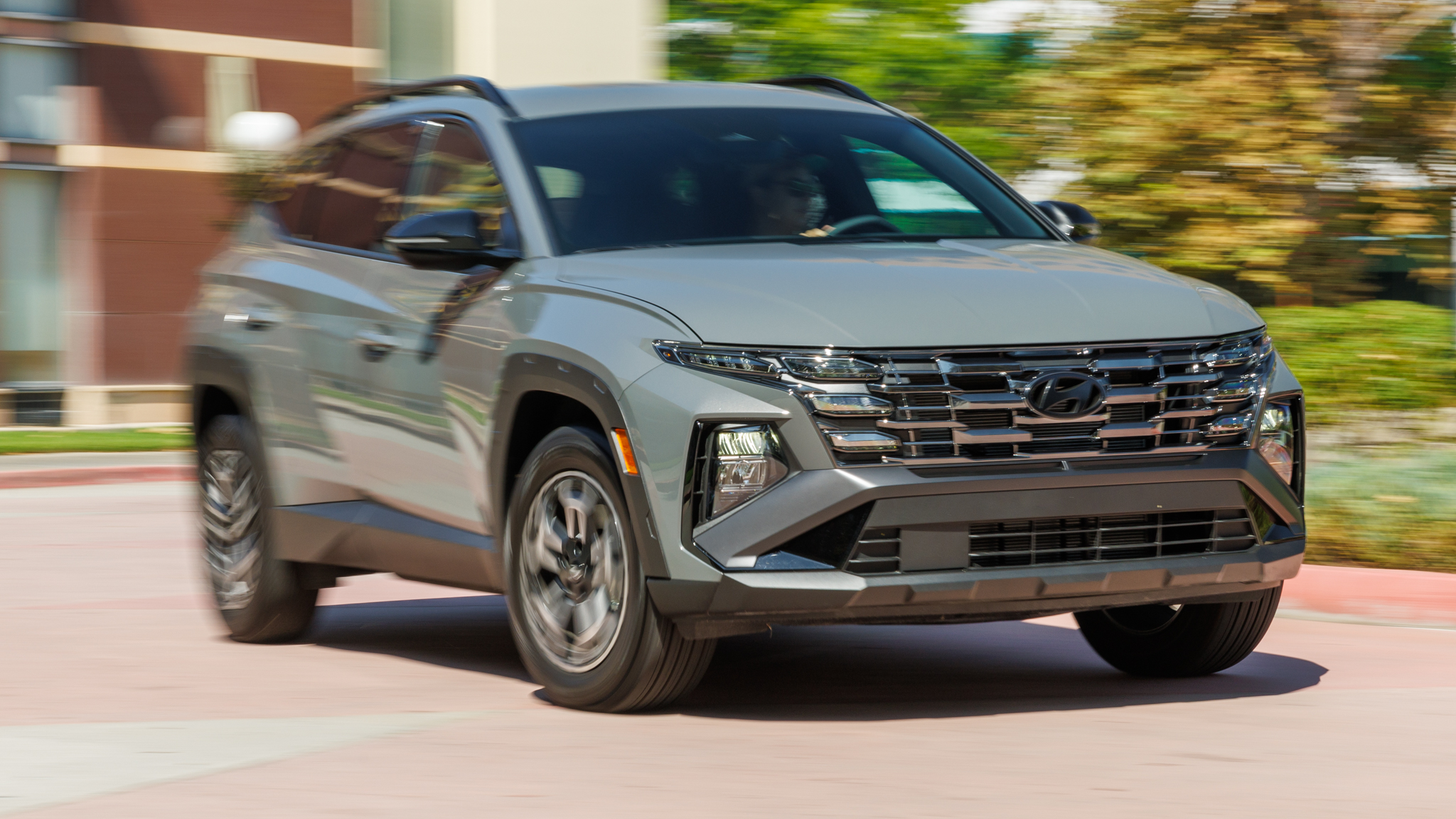
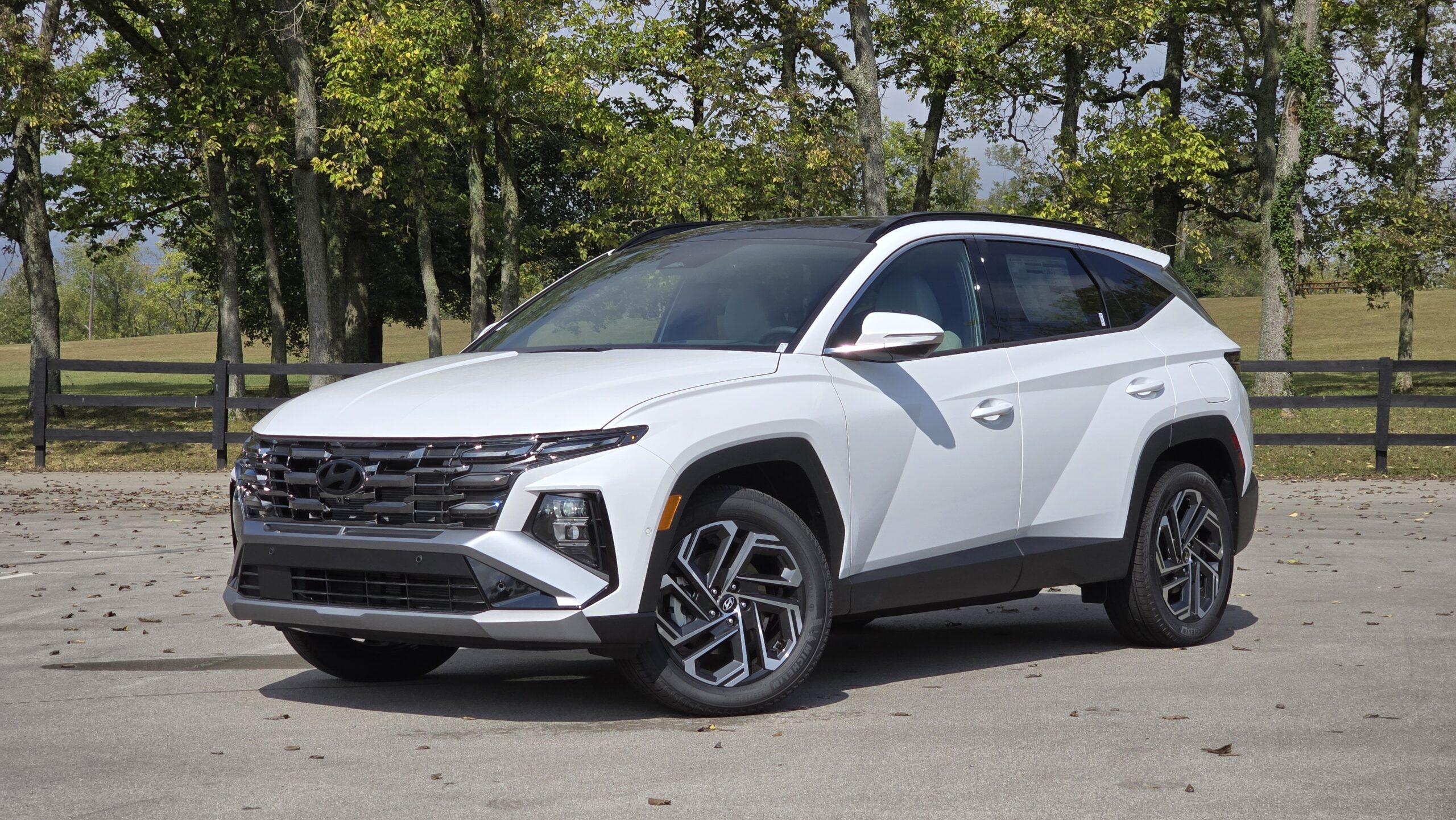
The 2026 Hyundai Tucson isn’t just another compact SUV—it’s a rolling testament to modern automotive ingenuity, blending cutting-edge hybrid technology with a cabin that feels like a sanctuary from the daily grind. But before you sign on the dotted line, let’s peel back the layers of its ownership experience, particularly the financial journey over five years. This isn’t just about sticker shock or fuel economy; it’s about dissecting the true cost of keeping this sleek, tech-laden machine purring in your driveway. From the initial outlay to the hidden expenses that lurk like potholes on a backroad, we’re diving deep into what it *really* takes to own a 2026 Hyundai Tucson for half a decade.
Imagine this: You’re cruising down the highway, the hybrid powertrain humming like a contented cat, while your bank account remains blissfully unaware of the minor financial earthquakes you’re avoiding. But reality has a way of asserting itself—through depreciation, maintenance, insurance, and the occasional unexpected repair. Whether you’re a first-time buyer or a seasoned gearhead, understanding the long-term financial footprint of this vehicle is crucial. So, buckle up. We’re about to embark on a meticulous breakdown of the 2026 Hyundai Tucson’s five-year total cost of ownership, where every dollar spent is scrutinized, every savings opportunity highlighted, and every potential pitfall illuminated.
The Sticker Shock: Initial Purchase Price and Its Ripple Effects
The journey begins with the sticker price, a number that often feels like a gut punch before the first drive. The 2026 Hyundai Tucson, with its hybrid powertrain and premium amenities, commands a premium—one that’s justified by its futuristic design, advanced driver-assistance systems, and a cabin that rivals luxury vehicles. But what does that premium translate to over five years?
Let’s start with the base model. The 2026 Tucson Hybrid is expected to debut around $35,000, though fully loaded trims could push the price toward $45,000. That’s a hefty sum, but it’s only the beginning. The real story lies in how this initial investment behaves over time. Hyundai’s reputation for reliability means the Tucson won’t hemorrhage value like some gas-guzzling dinosaurs, but it’s not immune to depreciation. Industry standards suggest a compact SUV loses about 50% of its value over five years. For the Tucson, that could mean a $17,500 hit on a $35,000 model—or a staggering $22,500 on a top-tier trim. Ouch.
But here’s the silver lining: Hyundai’s strong resale market and high demand for hybrids could soften the blow. A well-maintained Tucson might retain 40-45% of its value, leaving you with a $15,000-$19,000 residual after five years. That’s still a significant loss, but it’s less brutal than the alternatives. The key? Timing your purchase during a model year transition or leveraging Hyundai’s competitive financing deals to minimize the upfront hit.

Fueling the Future: Hybrid Efficiency and Long-Term Energy Costs
Hybrids are the darlings of the eco-conscious, but their true value shines in the wallet over time. The 2026 Tucson Hybrid promises EPA-estimated fuel economy of 45-50 MPG combined, a figure that could save you thousands compared to a conventional SUV. Let’s crunch the numbers.
Assume an average annual mileage of 12,000 miles and a gas price of $3.50 per gallon. A conventional 25-MPG SUV would guzzle 480 gallons annually, costing $1,680 in fuel. The Tucson Hybrid, at 47 MPG, would consume just 255 gallons, slashing fuel expenses to $893 per year. Over five years, that’s a savings of $3,935—enough to buy a weekend getaway or a high-end sound system upgrade.
But fuel isn’t the only energy cost. Hybrids rely on battery packs, which degrade over time. While Hyundai’s battery warranties typically cover 8-10 years or 100,000 miles, out-of-warranty replacements can cost $2,000-$4,000. The good news? The Tucson’s battery is designed for longevity, and real-world data suggests most hybrids retain 80% capacity after a decade. Still, budgeting $500-$1,000 for potential battery health checks in year four or five is a prudent move.
Then there’s the matter of charging infrastructure. If you opt for a plug-in hybrid variant (if available), home charging could further reduce costs. A Level 2 home charger costs $500-$1,200 to install, but it pays for itself in under two years for frequent drivers. For city dwellers without garages, public charging networks offer free or discounted rates, though reliability varies. The Tucson’s hybrid system eliminates range anxiety, but smart energy management can turn it into a cost-saving ally.
Maintenance: The Silent Budget Eater (Or Savior?)
Hyundai’s reputation for bulletproof reliability is well-earned, but even the sturdiest vehicles need TLC. The 2026 Tucson’s maintenance costs are a study in contrasts—some expenses are laughably low, while others could sneak up like a speed bump in the dark.
Let’s start with the good news: Hyundai’s 10-year/100,000-mile powertrain warranty covers the hybrid system, meaning major repairs are unlikely to dent your wallet. Even outside the warranty, hybrid components like the electric motor and inverter are designed to outlast the vehicle. The real maintenance costs lie in the usual suspects: tires, brakes, fluids, and the occasional belt or suspension part.
Tires for the Tucson Hybrid run $150-$250 each, and with a set of four lasting 40,000-50,000 miles, you’re looking at $1,200-$2,000 over five years. Brake pads and rotors, thanks to regenerative braking, may last 60,000-80,000 miles, cutting replacement costs to $400-$800. Oil changes (synthetic, every 7,500 miles) will set you back $100-$150 annually, totaling $500-$750. Add in wiper blades, cabin air filters, and the occasional fluid flush, and you’re staring at a five-year maintenance budget of $2,500-$4,000.
But here’s where the Tucson’s design philosophy shines: its modular architecture and common parts with other Hyundai models mean repairs are often cheaper than competitors. A dealership labor rate of $120-$150 per hour is steep, but independent mechanics can slash costs by 30-50%. The key is building a relationship with a trusted technician early—someone who understands Hyundai’s quirks before they become problems.
Insurance, Taxes, and Fees: The Invisible Hand of Ownership
Insurance isn’t just a legal requirement; it’s a financial black hole that grows deeper the more you drive. For the 2026 Tucson Hybrid, expect annual premiums to range from $1,200 to $2,000, depending on your location, driving record, and coverage levels. Urban drivers in high-theft areas will pay more, while rural residents with clean records could snag discounts.
Then there are the taxes and fees, the bureaucratic tolls that vary wildly by state. Sales tax, registration fees, and title costs can add 5-10% to the purchase price upfront. Over five years, recurring fees like emissions testing ($20-$50 annually) and registration renewals ($50-$200) add another $300-$1,200 to the tally. Some states also impose hybrid or EV fees, though these are typically modest ($50-$150 per year).
The silver lining? Many insurers offer discounts for hybrids, safety features, and low-mileage drivers. Bundling policies, raising deductibles, or using telematics (like Hyundai’s Blue Link) can shave 10-20% off premiums. It’s worth shopping around every renewal—loyalty doesn’t always pay in the insurance game.
Depreciation and Resale: The Art of Losing Money Gracefully
Depreciation is the silent wealth destroyer, and the 2026 Tucson is no exception. As mentioned earlier, compact SUVs typically lose 50% of their value in five years, but hybrids often buck the trend. The Tucson’s blend of efficiency, practicality, and Hyundai’s strong brand equity could limit depreciation to 40-45%.
To maximize resale value, treat the Tucson like a prized possession. Keep it clean, inside and out. Document every service visit with receipts and digital records. Avoid aftermarket modifications that scream “tinkerer” to potential buyers. And time your sale carefully—selling in the spring or fall, when demand peaks, can net you an extra $1,000-$2,000.
Hyundai’s certified pre-owned (CPO) program is another lifeline. A five-year-old Tucson with under 60,000 miles could qualify for CPO status, adding $2,000-$3,000 to its resale value. The program includes an extended warranty, roadside assistance, and a rigorous inspection—features that reassure buyers and justify higher asking prices.
The Bottom Line: Is the 2026 Tucson Hybrid Worth the Five-Year Grind?
So, what’s the verdict? Over five years, the 2026 Hyundai Tucson Hybrid will likely cost you between $35,000 and $50,000, depending on trim, driving habits, and location. Break that down: $15,000-$20,000 in depreciation, $5,000-$7,000 in fuel, $2,500-$4,000 in maintenance, $6,000-$10,000 in insurance and fees, and $1,000-$2,000 in miscellaneous costs like detailing or accessories. That’s a hefty sum, but it’s competitive with rivals like the Toyota RAV4 Hybrid or Ford Escape Hybrid.
The Tucson’s strengths—its hybrid efficiency, reliability, and tech-laden cabin—outweigh its weaknesses for most buyers. It’s a vehicle that rewards patience, smart ownership habits, and a long-term perspective. If you’re the type who views a car as a tool for adventure rather than a status symbol, the Tucson’s five-year cost becomes a bargain. If you’re chasing the latest and greatest every three years, well, depreciation will be your nemesis.
Ultimately, the 2026 Hyundai Tucson isn’t just a car—it’s a financial commitment wrapped in a promise of adventure, efficiency, and modern luxury. Whether it’s worth the ride depends entirely on how you steer it through the years ahead.