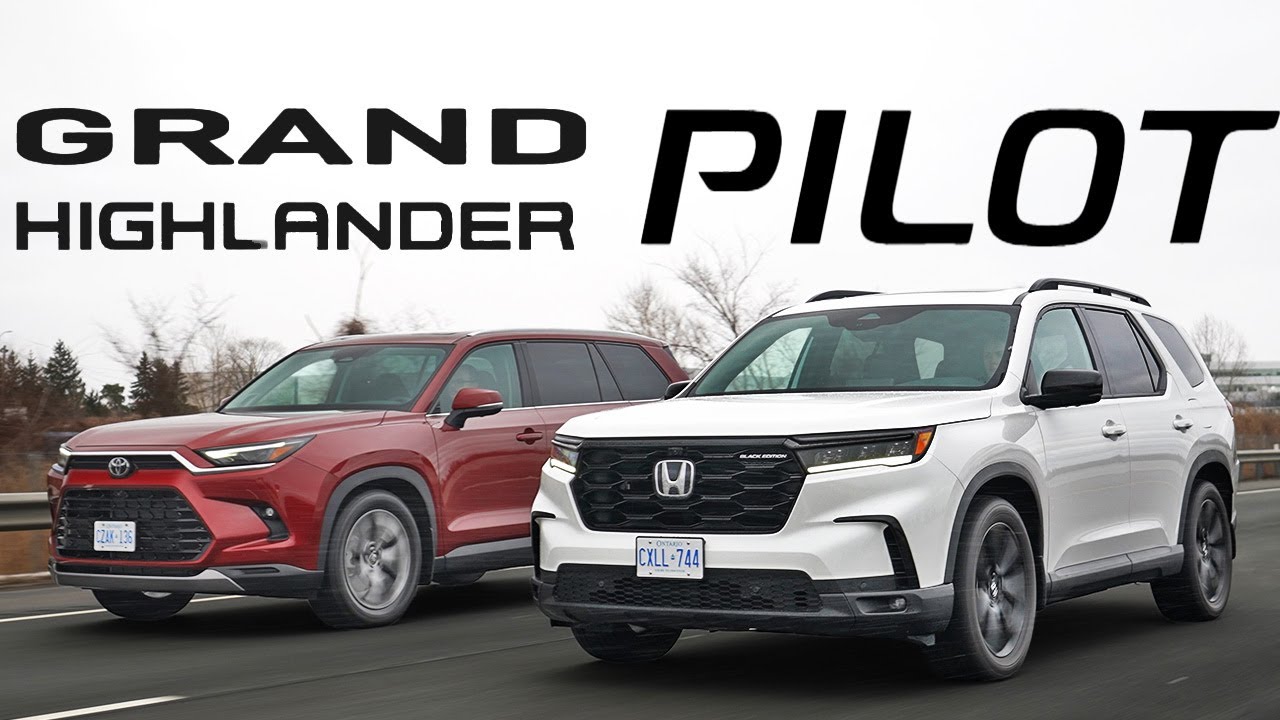
There’s a particular moment that repeats itself the first time many shoppers step into the world of three-row SUVs: the realization that “room for everyone” isn’t just about adding seats. It’s about orchestrating space, rhythm, and usability—turning a vehicle into a moving venue for real life. That’s exactly why the Honda Pilot and the Toyota Highlander keep finding their way into the same conversation. On paper, they’re both family-forward, mid-size platforms with a third row and a respectable stance. In the driveway, though, the differences feel more like character traits than mere specifications.
People often begin by comparing dimensions and seating capacity. Yet the fascination goes deeper. The Pilot and the Highlander don’t just transport passengers; they shape behavior. They influence how families pack, how kids settle, how adults navigate the day’s logistics, and how confidently someone merges onto a highway with a car full of momentum. A three-row showdown is never only about cargo volume or horsepower. It’s about the quiet ergonomics of everyday travel.
First Impressions: Where the Cabin “Feels” Like It Belongs
The initial impression tends to be visual, but the real story is tactile. The Honda Pilot often projects a sense of structured practicality. Surfaces appear designed for repeated contact—controls that feel intuitive, sightlines that reduce mental load, and a driving position that doesn’t demand constant adjustment. It reads like a cabin built to minimize friction.
The Toyota Highlander, by comparison, tends to cultivate a calmer, more measured ambiance. That’s not just styling. The cabin’s layout commonly feels deliberate, with storage and access points positioned for quick reach. Families often describe it as “easy to live with,” which is a different kind of compliment than “roomy.”
And then there’s the third row—the part that transforms a two-row choice into a family commitment. The difference in how each vehicle allows entry and exit can determine whether third-row seating becomes a frequent option or a rare contingency. When the third row feels like an occasional convenience, families treat it accordingly. When it feels integrated, it becomes part of the routine.

Space in Motion: Legroom, Headroom, and the Art of Access
A common observation in the Pilot vs. Highlander debate is that both vehicles claim “three-row capability.” That’s true—but capacity is only the starting point. The more meaningful question is how the second and third rows interact, because their geometry dictates comfort and practicality.
For families, third-row legroom isn’t merely a number; it affects how comfortably passengers sit during longer stretches. Headroom matters just as much, particularly for taller riders and teenagers who grow into their seats like they’re claiming territory. The Pilot is often praised for accommodating multiple body types with fewer awkward compromises. People frequently notice the way seats fold and adjust—how the aisle feels like it was planned rather than improvised.
The Highlander likewise earns attention for accessibility, often with a layout that supports kinder transitions from row to row. The key nuance is whether the movement feels effortless or slightly fussy. These impressions may seem subtle, but they become significant when you’re juggling car seats, sports gear, or a backpack avalanche at the end of a school day.
There’s also an overlooked element: how the cabin’s width and the seatbacks’ angles influence perceived space. Two vehicles can show similar totals on a spec sheet yet feel radically different once everyone is seated and buckled.
Cargo Reality: Storing Gear Without Performing a Gymnastic Routine
Most shoppers picture the third row down, because that’s when road trips become manageable. Still, the real test comes during the in-between times—when the third row is used but not “heroically.” Maybe it’s a weekend with friends and a stroller. Maybe it’s a holiday dinner with a tight schedule. In these scenarios, cargo space can either feel like a helpful resource or a frustrating constraint.
The Pilot’s reputation often leans toward flexibility: the sense that the vehicle can absorb daily clutter without turning the trunk into a puzzle. Families tend to appreciate how easy it is to load and arrange items for quick access. A practical SUV should make the act of packing feel less like choreography and more like common sense.
The Highlander’s approach often feels similarly family-oriented, but with a slightly different emphasis. Many drivers mention the way cargo organization supports predictability—containers fit, items stay where they’re placed, and loading doesn’t require moving the world to reach one small necessity.
Deeper fascination emerges here: people don’t only want space; they want control. They want to believe that when the car is full, it remains navigable—physically and mentally.

Drive and Confidence: The Part Nobody Wants to Admit Matters
Handling can sound like an enthusiast topic, but families experience it as confidence. The road doesn’t care that the trunk is full; it demands stability, predictable steering response, and composure over changing surfaces. With a three-row SUV, the challenge is maintaining that composure when weight shifts and traffic patterns tighten.
The Pilot often feels tuned for everyday momentum—smooth transitions when accelerating from stops, steady behavior when merging, and an overall “ready” sensation. It tends to communicate clearly, which is important when a driver is managing both navigation and passenger flow.
The Highlander usually emphasizes a different sort of harmony. Drivers often describe it as balanced, with a calm demeanor that makes long drives feel less fatiguing. That matters because fatigue is a hidden cost. When a cabin feels quiet and the ride stays composed, the drive doesn’t steal energy from the family.
Here’s the twist: the fascination isn’t only about how the vehicle performs. It’s about how it reduces decision fatigue. When driving feels manageable, families enjoy the trip more. That’s the real value that specs rarely measure.
Technology and Family Flow: Keeping Everyone in the Same Story
In a three-row vehicle, technology isn’t a luxury; it’s a conductor. Rear-seat entertainment, phone connectivity, and intuitive interface layouts determine whether the ride turns into collaboration or chaos. The best systems don’t just play media—they help keep everyone emotionally synced, especially during long commutes.
The Pilot often stands out for its user-friendly structure. Drivers typically find it easier to reach frequently used features without a prolonged menu safari. That’s a subtle benefit, but it compounds day after day.
The Highlander frequently impresses with a driver-centric presentation that supports quick comprehension. Families appreciate when tech feels like a companion rather than a chore.
Even more compelling is how systems support passenger autonomy. When rear passengers can control what they watch or listen to, everyone’s mood stabilizes. That doesn’t happen by accident. It’s engineered convenience.
Safety and Peace of Mind: Why the Choice Feels Personal
Safety is the headline, but peace of mind is the subtext. Families don’t simply want features; they want predictability. They want to trust that the vehicle notices hazards sooner than a driver’s attention might. The atmosphere in the cabin changes when driver-assistance systems feel accurate and consistent.
Both the Pilot and the Highlander are designed to support modern safety expectations, often with suites that include collision mitigation, lane awareness, and adaptive driving behaviors. Yet what shoppers really evaluate is not the presence of these systems—it’s how naturally they integrate. A safety feature that feels intrusive can be ignored. One that feels seamless becomes part of the driving rhythm.
That’s why this showdown remains so magnetic. People don’t just evaluate vehicles; they evaluate future scenarios—school pick-ups, road trips, late-night grocery runs, and the unpredictable detours life creates.
Ownership Mindset: Reliability, Resale, and the Long Game
When families choose a three-row SUV, they’re buying more than transportation. They’re buying continuity. Over time, maintenance costs, reliability perception, and resale value affect how a vehicle “keeps its promise.” Toyota and Honda both carry strong brand reputations, and many shoppers lean toward whichever aligns better with their long-term expectations.
The Highlander often earns admiration for its durability narrative, while the Pilot frequently appeals to shoppers who value versatile practicality and long-term usability. These reputations aren’t just folklore—they’re shaped by consistent real-world experiences.
And still, the deepest reason for fascination remains emotional. People want their choice to feel wise, not merely adequate. They want a vehicle that grows with their family’s needs without forcing an ongoing compromise.
So, Which Wins the Three-Row Showdown?
The answer depends on what kind of family rhythm you live. If you prioritize structured practicality, confident third-row integration, and a cabin built to reduce friction, the Honda Pilot often feels like the more instinctive fit. If you prefer calm balance, measured usability, and a comfortable sense of everyday ease, the Toyota Highlander tends to resonate strongly.
Both vehicles can carry your plans. The real difference is how they carry your habits. Which one makes packing simpler? Which one makes third-row access less of a chore? Which one makes you feel more composed when traffic thickens and schedules tighten?
Final Thoughts: The Fascination Is the Forecast
Choosing between the Honda Pilot and the Toyota Highlander is less like selecting a product and more like forecasting a lifestyle. The third row is where practicality stops being theoretical. It becomes visible in the way people climb in, the way gear fits, and the way a family’s day stays on track.
That’s why this showdown endures. It isn’t only about who wins on paper. It’s about who feels like the right companion for the moments that matter—those busy, ordinary journeys that turn into memories without warning.