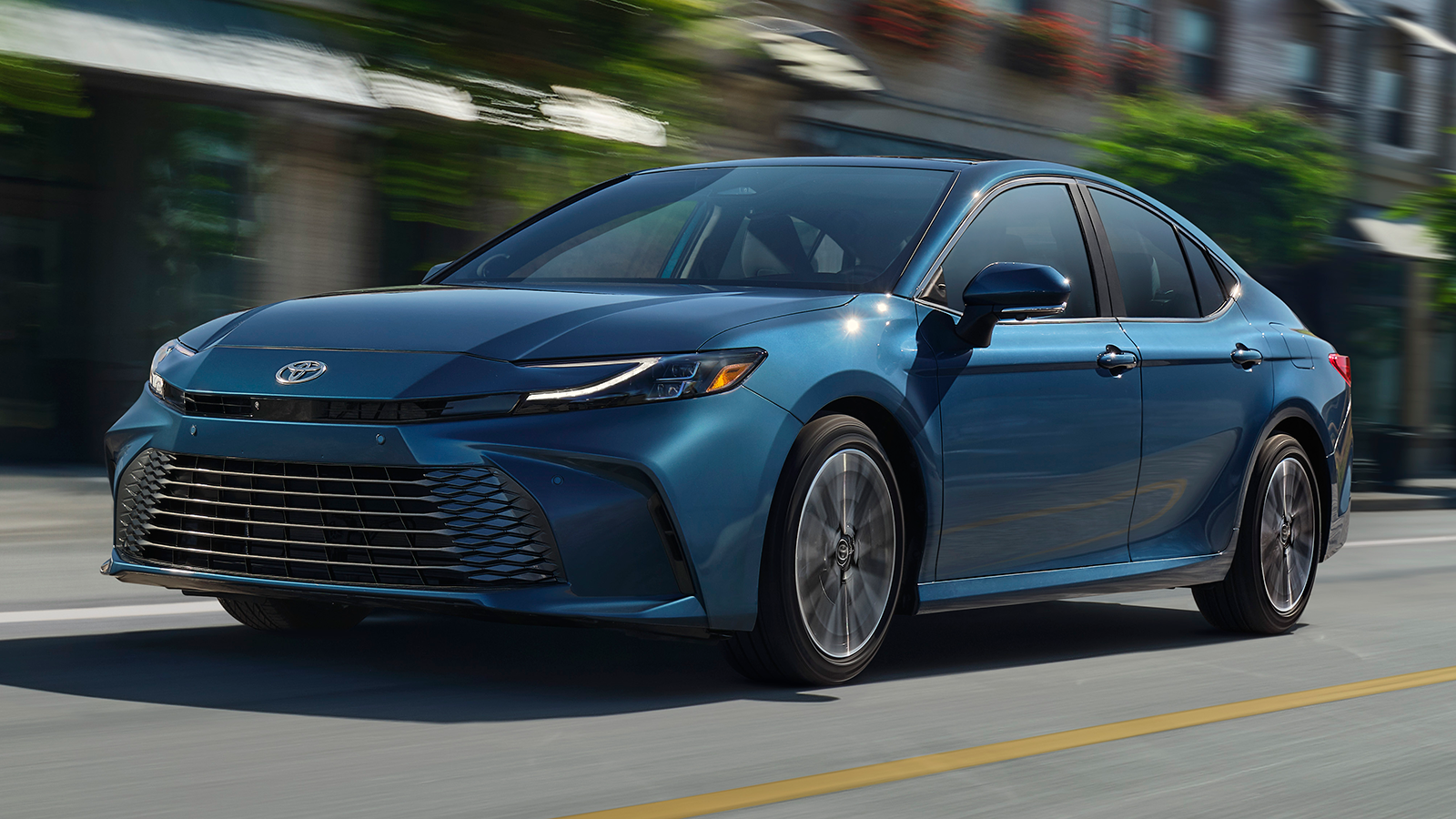
Shopping for a hybrid sedan under $35,000 for 2026 feels a bit like navigating a modern maze: electrification has multiplied options, pricing varies by trim, and incentives can turn a “maybe” into a “mine.” Yet the reward is substantial. A well-chosen hybrid sedan can soften the sharp edges of fuel costs, deliver calm highway composure, and still provide the daily usability that sedans are built for—parking ease, trunk practicality, and a familiar driver interface.
This guide maps the landscape in a way that respects real life. Expect clear buying considerations, model-selection criteria, and the subtle tradeoffs that rarely make it into marketing copy. The goal isn’t to crown a single “best” car for every driver. Instead, it’s to help you find the best-fit hybrid sedan—one that matches your commute rhythm, your driving temperature, and your patience for paperwork and charging myths.
Why a Hybrid Sedan in 2026 Can Be a Smart $35,000-Plus Choice
Hybrid technology in 2026 isn’t a novelty; it’s an efficiency routine. Many mainstream hybrids combine a gasoline engine with an electric motor and battery pack to optimize torque delivery and power blending. When you’re cruising, the system often defaults to the most economical mode. When traffic tightens and speeds stutter, electric assist can smooth acceleration and reduce fuel burn.
But there’s more to hybrid value than miles per gallon. A good hybrid sedan tends to offer:
• Lower operating costs through regenerative braking and smarter engine operation.
• Predictable drivability with seamless transitions between power sources.
• Useful everyday packaging typical of sedans—comfortable rear seating, reasonable trunk volume, and manageable dimensions.
In other words, hybrids are often “quietly competent.” The best ones feel composed at stoplights and unhurried on ramps, not necessarily dramatic.
What “Under $35,000” Really Means: Trim Pricing, Destination, and Timing
The $35,000 threshold is an alluring headline number, but the final figure depends on three factors: trim level, fees, and timing. Destination charges, taxes, dealer add-ons, and optional packages can push a car beyond the target. Likewise, a base trim may qualify, while a more comfort-forward variant might not.
To stay within budget without surrendering essentials, treat the price ceiling like a compass rather than a strict wall. Look for vehicles with:
• Competitive base pricing before options.
• Active safety suites that aren’t paywalled behind expensive packages.
• Adaptive cruise and blind-spot monitoring where possible.
Then, consider the calendar. Sales cycles, end-of-quarter incentives, and manufacturer promotions can shift the practical purchase price. The best deal is rarely the first one offered.
Key Types of Hybrid Sedans: Full Hybrid vs. Mild Hybrid Feelings
Not all “hybrid” badges behave the same way. Understanding the categories can prevent disappointment later.
Full hybrid (strong hybrid) systems typically run on both electric and gasoline power and can sometimes drive in electric-only mode at low speeds. The battery supports meaningful assist, and regenerative braking is often robust. These cars are usually the most compelling for stop-and-go commutes.
Mild hybrid setups usually rely more heavily on the gasoline engine, using the electric system mainly for assist and energy recovery. They can still improve fuel economy, but they may not deliver the same “electric glide” you’d expect from a full hybrid.
When comparing models, focus on real-world behavior: how the car responds in city traffic, how smoothly it transitions between power sources, and whether it maintains efficiency without requiring constant driver attention.
What to Look for in a 2026 Hybrid Sedan Under $35,000
A sedan is a long-term relationship, so prioritize factors that remain relevant even after the excitement fades.
1) Fuel economy you can actually reproduce
EPA numbers are useful, but your daily route matters. A hybrid’s strength often shows in urban driving, congested commutes, and stop-and-go scenarios. If your commute is mostly highway at steady speeds, you’ll still benefit, but the gap between hybrids and conventional cars can narrow.
2) Powertrain smoothness
Some hybrids feel like a gentle tide: acceleration is calm and predictable. Others can feel more like a conventional engine with occasional electric assistance. The “best” one is the one that matches your taste—some drivers prefer serenity, others want firmer responses.
3) Safety and driver-assist maturity
Check for automatic emergency braking, lane-keeping support, adaptive cruise control (and its behavior in real traffic). Driver-assistance systems vary in how they interpret lane markings and how they handle cut-ins.
4) Practical comfort
Under $35,000, some cars may compromise on cabin noise insulation, seat adjustability, or infotainment responsiveness. Make sure the interior experience feels right for your habits.
5) Warranty and service reputation
Hybrid components can last a long time, but maintenance and diagnostics matter. A predictable dealer network and a warranty you can trust reduce long-term friction.
Top Picks to Consider: What Each Candidate Is Best At
Rather than an arbitrary list, use this section as a selection framework. Different hybrid sedans excel at different lifestyles.
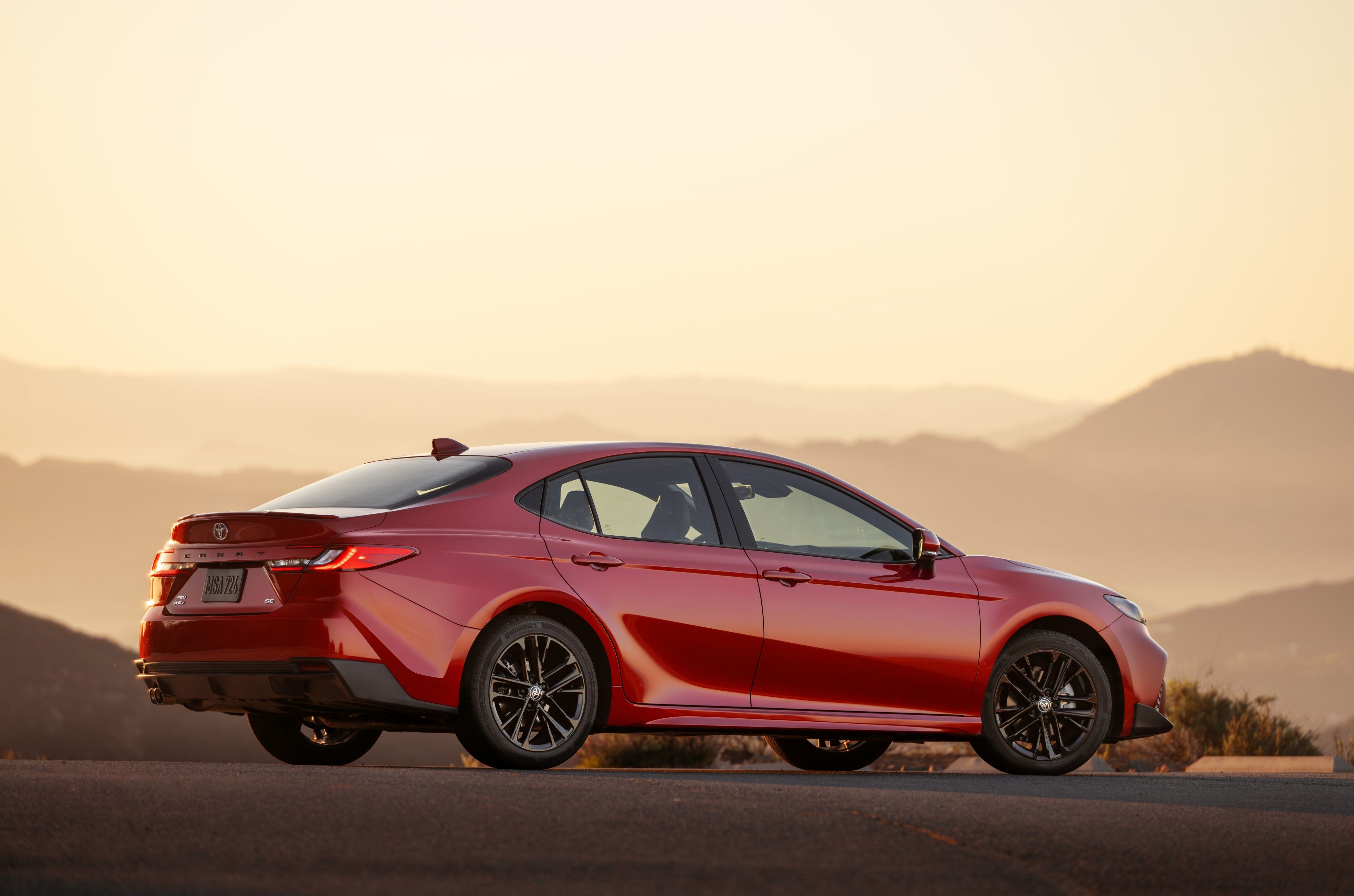
Mainstream comfort champion: Models from established midsize lineups often prioritize smoothness, quiet ride character, and a straightforward ownership rhythm. They typically offer generous cabin space and a refined driving feel. If you want a sedan that behaves like a trusted appliance—reliable, composed, and easy to live with—this category tends to deliver.
Efficiency-first compact contender: Smaller sedans can be surprisingly thrifty, especially in city environments. They may trade some cabin space or noise dampening for efficiency and lower purchase cost. If you’re mostly commuting locally and parking matters, compact hybrids can be the sweet spot.
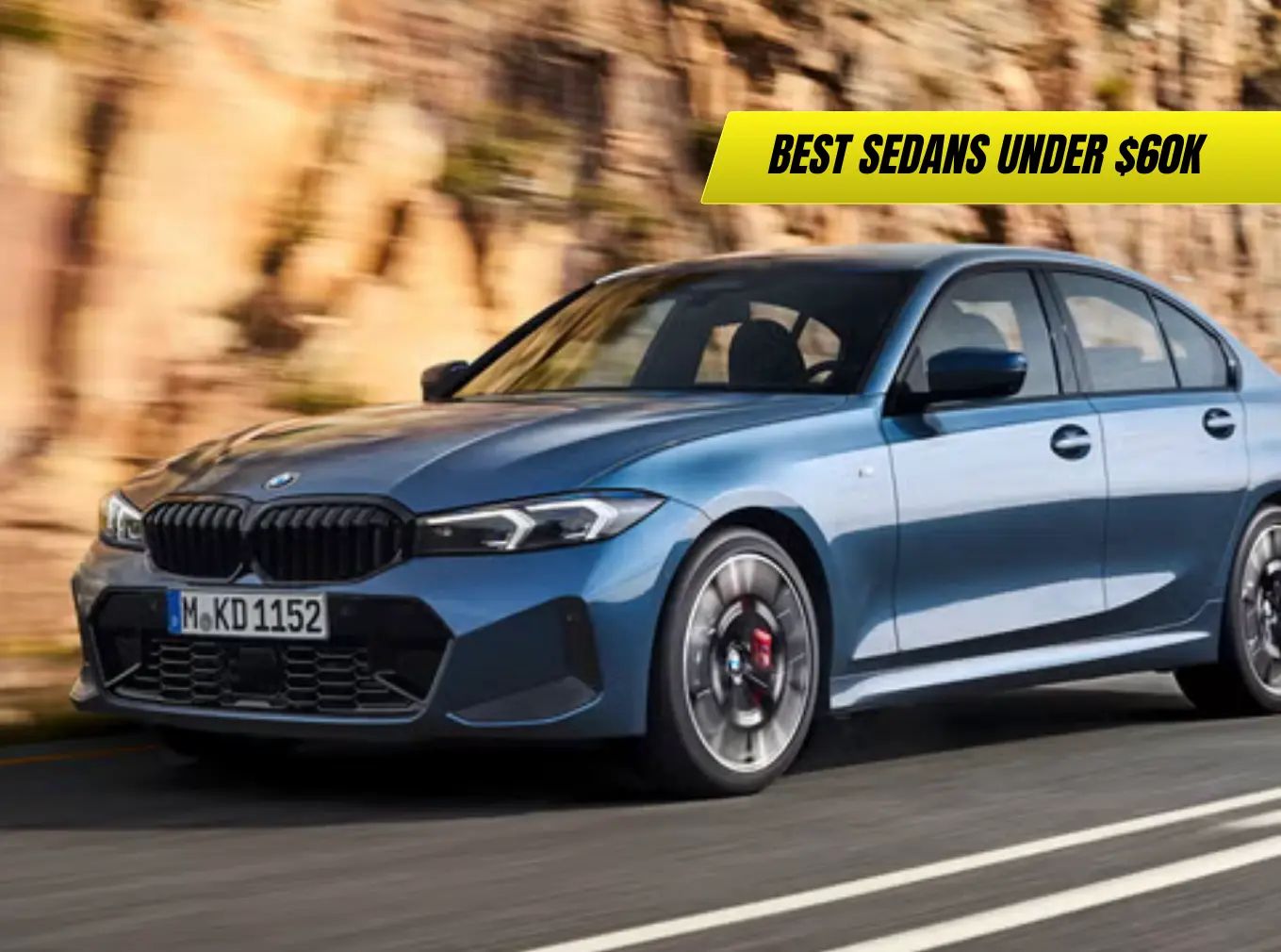
Value-laden budget builder: Some affordable sedans lean heavily into standard features to keep the purchase experience simple. Look for packages that include key safety tech without ballooning the price. This path is best for shoppers who want everything important up front—no scavenger hunt for options.
Driving Scenarios: Match the Hybrid Sedan to Your Life
Choosing a hybrid is easiest when you design the decision around your driving patterns.
Daily city commuting: Full hybrids often shine here. Regenerative braking and electric assist can reduce fuel usage and keep acceleration smooth at low speeds. The sensation matters: if the car feels calm in stop-and-go traffic, you’ll enjoy every trip.
Suburban errands and short trips: Hybrids can still be beneficial, though extremely short drives may reduce the system’s ability to reach optimal operating conditions. Still, many drivers appreciate the consistent efficiency feel.
Highway runs: Your hybrid will still be efficient, but aerodynamic design, tire choice, and engine tuning play a larger role. Consider the noise profile and steering composure. If the car feels stable at speed and doesn’t fatigue you, it may be your best long-haul bargain.
Common Tradeoffs Under $35,000 (And How to Decide)
Budget hybrids are like well-made tools: they’re capable, but not every tool has every blade. Expect compromises in one or more areas:
• Infotainment depth: Some systems are responsive but lack advanced personalization.
• Ride refinement: Tire choice and suspension tuning affect comfort over rough pavement.
• Power delivery character: Efficiency isn’t always paired with sporty throttle feel.
• Rear-seat space: Compact sedans may limit legroom for taller passengers.
• Optional equipment: Some features may cluster in higher trims.
The trick is to decide what you refuse to compromise on. For some drivers, it’s adaptive cruise. For others, it’s cabin quietness. List your non-negotiables before shopping, and let them guide each test drive.
How to Test Drive Efficiently (Without Getting Distracted by Hype)
Test driving isn’t about checking boxes—it’s about sensing the car’s temperament.
Try these tactics:
• Replicate your commute: use familiar routes and stoplights. Efficiency is contextual.
• Test braking feel: regenerative braking can feel different from traditional friction-only braking. Get comfortable with the transition.
• Evaluate throttle response: the “when I press, what happens?” relationship should feel natural.
• Listen at speed: short stretches at highway pace reveal wind and tire noise quickly.
• Check visibility and mirrors: sedans with good outward sightlines reduce fatigue more than people expect.
Then, drive twice if possible: once for comfort impressions and once for efficiency-minded behavior. Two perspectives reveal two kinds of truths.
Ownership Costs Beyond Fuel: Tires, Insurance, and Maintenance Rhythm
Fuel savings are only one chapter. Under $35,000, insurance and tire replacement schedules can meaningfully influence ownership cost. Consider:
• Tire wear rates based on tread design and vehicle weight.
• Insurance premiums influenced by safety ratings, model reputation, and repair costs.
• Maintenance intervals and whether hybrid service requires specialized diagnostics.
• Long-term battery confidence: hybrid batteries often carry warranties that reflect manufacturers’ confidence, but confirm coverage details.
It’s the difference between a low sticker price and a low lifetime invoice. The best hybrid sedans tend to make long-term ownership feel uneventful.
Conclusion: Choosing the Best 2026 Hybrid Sedan Under $35,000
The best 2026 hybrid sedan under $35,000 is rarely the one with the flashiest brochure. It’s the one that fits seamlessly into your everyday routines: smooth in traffic, composed on the road, and sensible in total cost. Use this guide like a lens—clarify your definition of value, identify your non-negotiables, and test the car in the conditions you actually drive.
When the right hybrid sedan clicks, it’s more than efficiency. It feels like a calmer commute, a quieter kind of confidence, and a budget-friendly form of forward motion. Take your time, compare the details, and let the car’s real behavior—not the hype—choose you back.