There’s a certain choreography to life with pets: the morning scramble for leads, the quick jolt of treats, the slow ritual of settling into a favorite spot. Yet for many owners, the car remains the least graceful part of the routine. The common observation is simple—electric vehicles are quiet and clean, but are they actually practical for dog mode and cargo life? The deeper truth is that EVs change the emotional temperature of daily errands. Their smooth torque and predictable driving feel less like “transport” and more like “continuation,” as if the car becomes an extension of home.
In 2025, the best electric vehicles for pet owners aren’t defined by one feature. They’re defined by a mosaic of details: cabin comfort that discourages panting, clever storage that prevents chaos, and climate systems that keep conditions stable even when the outside world is chaotic. Let’s explore what makes “pet-ready” more than a marketing phrase—and how dog mode and cargo capacity can reshape everyday drives.
Why EVs feel better with pets (and why the fascination runs deeper)
EVs often win first impressions for pet owners because they’re serene. Cabin quiet isn’t just a luxury; it can reduce the sensory overload that makes some dogs anxious. A calmer interior encourages settled body language—lower head carriage, slower breathing, fewer restless shifts.
That said, the fascination goes beyond quiet. Electric drivetrains provide torque on demand. The result is smoother launch and steadier acceleration, which can translate into less lurching during stops. For pets that dislike abrupt motion, that subtle fluidity can be the difference between “tolerating the ride” and “actually enjoying it.”
There’s also the matter of control. Many EVs in 2025 offer sophisticated climate management, enabling owners to pre-condition the cabin. That means fewer uncomfortable transitions—no overheating cabin followed by a rush of blasting air, no chilly shock when you open the doors after work.
What “Dog Mode” should mean in real life
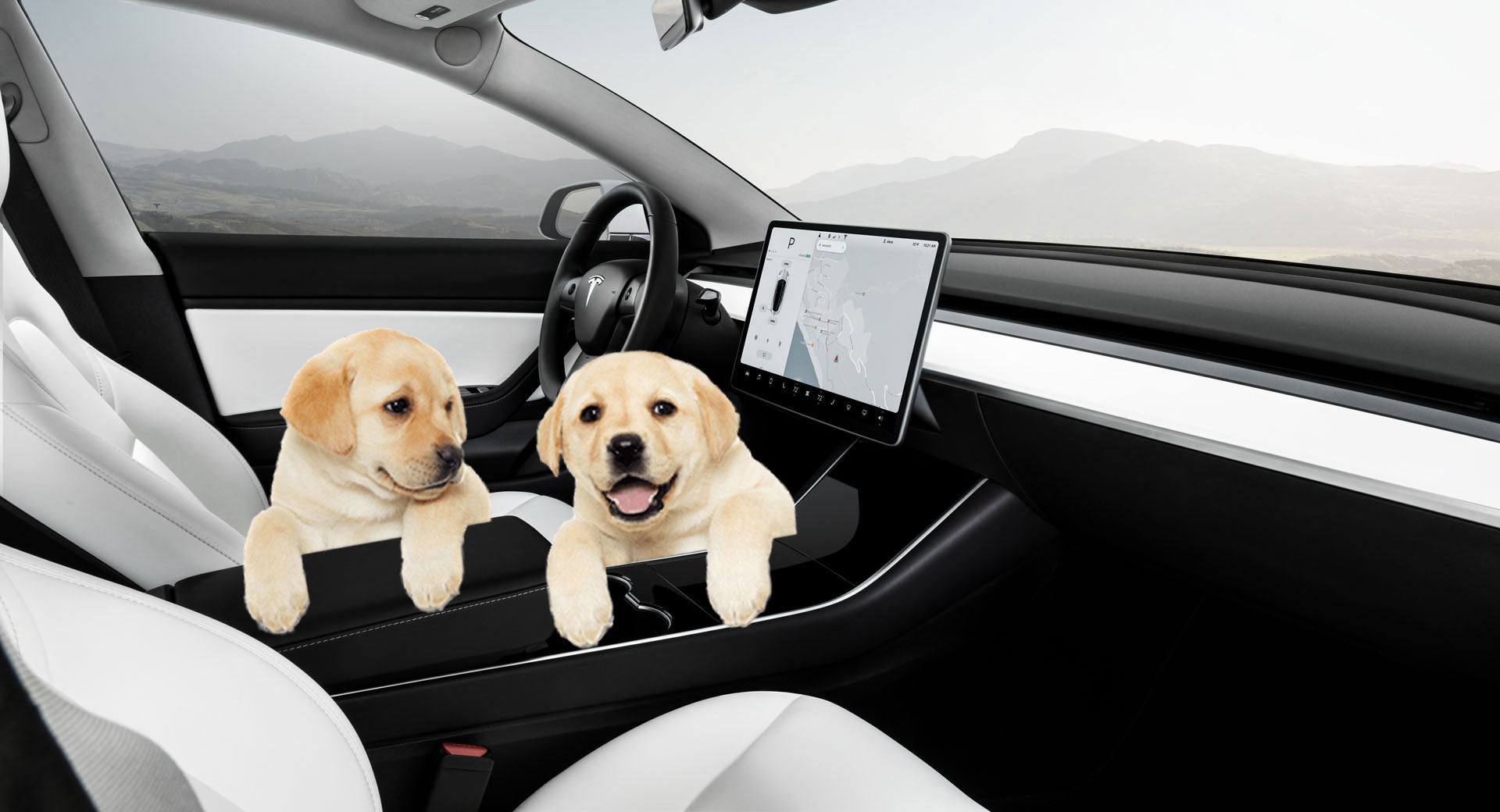
“Dog Mode” sounds charming, but practicality matters. The most helpful interpretations of pet-focused modes typically involve cabin temperature regulation, safe ventilation behavior, and systems designed to keep the interior environment stable. When done well, this reduces the need for constant driver intervention.
In real life, dog mode is less about theatrical convenience and more about reducing owner stress. Owners notice the behavioral cues: a dog that stops scanning the windows, a dog that lies down instead of pacing, a dog that stops “asking” for exits at every pause. These moments aren’t trivial—they’re trust signals.
Look for EV features such as:
- Cabin climate that can be maintained while the vehicle is stationary.
- Predictable HVAC logic that avoids erratic temperature swings.
- Convenient monitoring or scheduling via the vehicle’s app ecosystem.
- Good ventilation pathways that reduce stale-air feelings in warmer months.
Because dogs don’t reason like we do, their comfort must be engineered. A dog’s fascination with the world is constant; dog mode is a way to keep that curiosity from becoming agitation.
Cargo capacity: the hidden determinant of pet happiness
Owners know the inventory. You don’t just pack food. You pack leashes, grooming tools, waste bags, a towel for muddy paws, possibly a crate, and the “just in case” items that quietly become essential. Cargo is not an afterthought—it’s the logistics platform for peace.
In 2025, the best EVs for pet owners tend to share a few cargo traits:
- Low loading height for easier transfers.
- Wide, flat cargo floors for dog beds or crates.
- Split-folding rear seats that expand usable space without requiring gym-level rearranging.
- Durable interior materials that can handle paw marks and frequent cleaning.
Even better are vehicles that accept bulk storage without turning the back seat into a battlefield. When cargo remains tidy, pets experience fewer distractions, fewer vibrations from shifting bags, and fewer surprises from suddenly tumbling items.
The estate-minded electric EV: room for dogs, gear, and detours
For many pet owners, the ideal setup looks like this: the dog sits comfortably in the cabin, and everything else belongs to the trunk like it has a job. Larger EVs with estate-like practicality tend to offer longer cargo bays, more generous load width, and more forgiving shapes for pet accessories.
Consider a roomy EV designed for family life—these platforms often provide the spaciousness needed for both dog equipment and human cargo. After all, pet-friendly isn’t just about the dog. It’s also about the owner’s ability to remain organized while the day keeps moving.

In vehicles of this style, “dog mode” logic pairs especially well with cargo practicality. If you can maintain comfort while parked, and if the storage layout keeps supplies contained, the car becomes a stable hub—not a temporary compromise. That’s when errands stop feeling like negotiations.
Multi-seat EVs: balancing companionship and separation anxiety
Some dogs travel best with a clear view, others prefer a calmer corner. Multi-seat EVs can accommodate both preferences by providing more flexible seating arrangements and improved spatial zoning.
When the rear seats are comfortable, pets don’t have to sprawl into human seating or crowd the aisle. In turn, that reduces the chance of sudden movements. Sudden movements matter because they affect both safety and ride smoothness. Electric acceleration can be graceful, but it can’t eliminate physical turbulence caused by shifting occupants and unsecured bags.
For owners with multiple pets, consider the social geometry: where does each animal prefer to sit? Some dogs want proximity. Others prefer a boundary. The best EV layouts in 2025 support that variety with spacious rear cabins and cargo solutions that allow you to create a stable, familiar “zone.”
Interior materials and cleaning reality: the unsung performance metric
It’s easy to say a vehicle is “pet-friendly.” The more honest question is: can it be cleaned without drama? A dog’s fur, dander, muddy paws, and occasional drool don’t care about your schedule.
In 2025, pet owners are increasingly drawn to interiors that resist staining and make quick wipe-downs realistic. Look for:
- Fabrics and trims that don’t trap odors.
- Surfaces that tolerate repeated cleaning cycles.
- Designs that minimize deep crevices where hair collects.
When cleaning becomes frictionless, owners spend more time with pets and less time performing decontamination rituals. That’s a kind of emotional convenience—and it’s part of why the “fascination” with EV pet life feels almost inevitable. The car supports a lifestyle, not just a trip.
Range planning for pet routines: longer trips, shorter stress
EV owners often track range, but pet owners track comfort windows. If a dog needs breaks or if you’re traveling with a crate, you’ll want charging stops that align with your routine. The good news in 2025 is that route planning is smoother, and charging networks are more predictable in many regions.
The practical approach:
- Pre-condition before departure so the cabin doesn’t have to “catch up.”
- Plan charging stops near areas that permit controlled breaks.
- Keep essentials accessible so pet care doesn’t require unloading the entire cargo bay.
Long-range comfort becomes a pet feature when it reduces waiting and uncertainty. Dogs are experts at reading transitions, and fewer stressful shifts help them settle more quickly at each stop.
Designing a dog-and-cargo setup that actually works
The best EV can still feel awkward if gear is chaotic. A thoughtfully arranged cargo system transforms the back of the car into a calm station. Tidy bags prevent tumbling. Secure mats reduce sliding. Proper restraint—crates or harness systems—reduces distractions for both dog and driver.
For cargo:
- Use seat covers or washable liners that protect against hair and scratches.
- Store leashes and waste bags in a dedicated quick-access compartment.
- Keep towels and cleaning supplies in a single “de-mud kit.”
- Consider breathable storage for pet gear to reduce odor buildup.
When the system is predictable, dogs tend to relax. Predictability is a form of emotional safety, and it’s surprisingly powerful.
Which 2025 EV traits matter most for pet owners?
If you’re narrowing choices, prioritize the traits that influence everyday behavior—not just spec sheets. The most meaningful elements are:
- Climate competence for consistent comfort.
- Authentic pet modes that manage conditions intelligently.
- Practical cargo volume and usable shapes for crates and gear.
- Easy cleaning and materials that handle mess without fuss.
- Ride smoothness that minimizes jolts and sudden shifts.
These factors work together like a well-rehearsed routine. Comfort reduces anxiety. Cargo organization reduces chaos. Smooth driving reduces physical unease. Together, they create the kind of travel that feels less like an obstacle and more like an invitation.
Outro: EV comfort as a lifestyle upgrade for dog owners
In 2025, the best electric vehicles for pet owners deliver something more subtle than horsepower. They deliver a calmer rhythm. They make dog mode feel like reassurance rather than gimmick. And they turn cargo space into a functional extension of home—ready for towels, treats, crates, and the unpredictable gifts of outdoor life.
When an EV supports both comfort and organization, owners stop thinking about “making it work.” Instead, they start thinking about the next walk, the next detour, the next relaxed arrival. That’s the real performance metric: a car that helps pets travel with dignity—and helps owners feel at ease doing what they love.