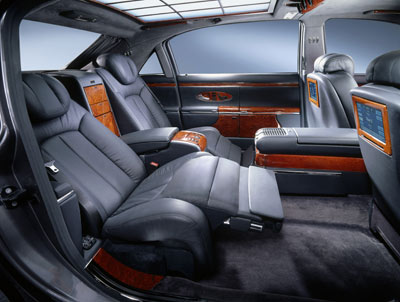
The right compact car can feel like a minor miracle—until you try to fold a stroller, stretch a child seat belt, or simply settle into the back row after a long commute. Rear-seat space isn’t just about inches; it’s about the choreography of everyday life. In 2025, compact cars are increasingly engineered with a sharper focus on second-row comfort, from seat contours that cradle rather than flatten to cabin layouts that reduce the “knees-in-the-front-seat” dread. This guide explores the best 2025 compact cars for car seats, emphasizing rear seat space and the practical realities behind it: legroom, headroom, access, seat design, and how family gear fits without turning the trunk into a puzzle box.
Expect a tour through the factors that matter most for child occupants and the adults who inevitably ride behind the scenes. Some readers will want quick comparisons. Others will prefer a narrative walkthrough of what it feels like to install and live with car seats over months. The sections below blend both, so you can move from first impressions to confident decisions.
What “Rear Seat Space” Really Means for Car Seats
When shoppers say they want “rear seat space,” they’re often imagining a broad, friendly expanse. But car-seat fit is more nuanced. Rear space involves multiple measurements and, just as importantly, how they interact. Legroom is the headline metric, yet seatback angle and cushion thickness can influence how far a child seat base sits, how reclined it can be, and how smoothly you can buckle harnesses.
For families, rear seat space also includes ingress and egress—how easy it is to reach the back row. Compact cars can have tight door openings or thick B-pillars, which makes installing and removing child seats feel like threading a needle in a windstorm. The best options reduce friction: wider rear door apertures, thoughtful seat track placement, and rear head restraints positioned to avoid constant adjustments.
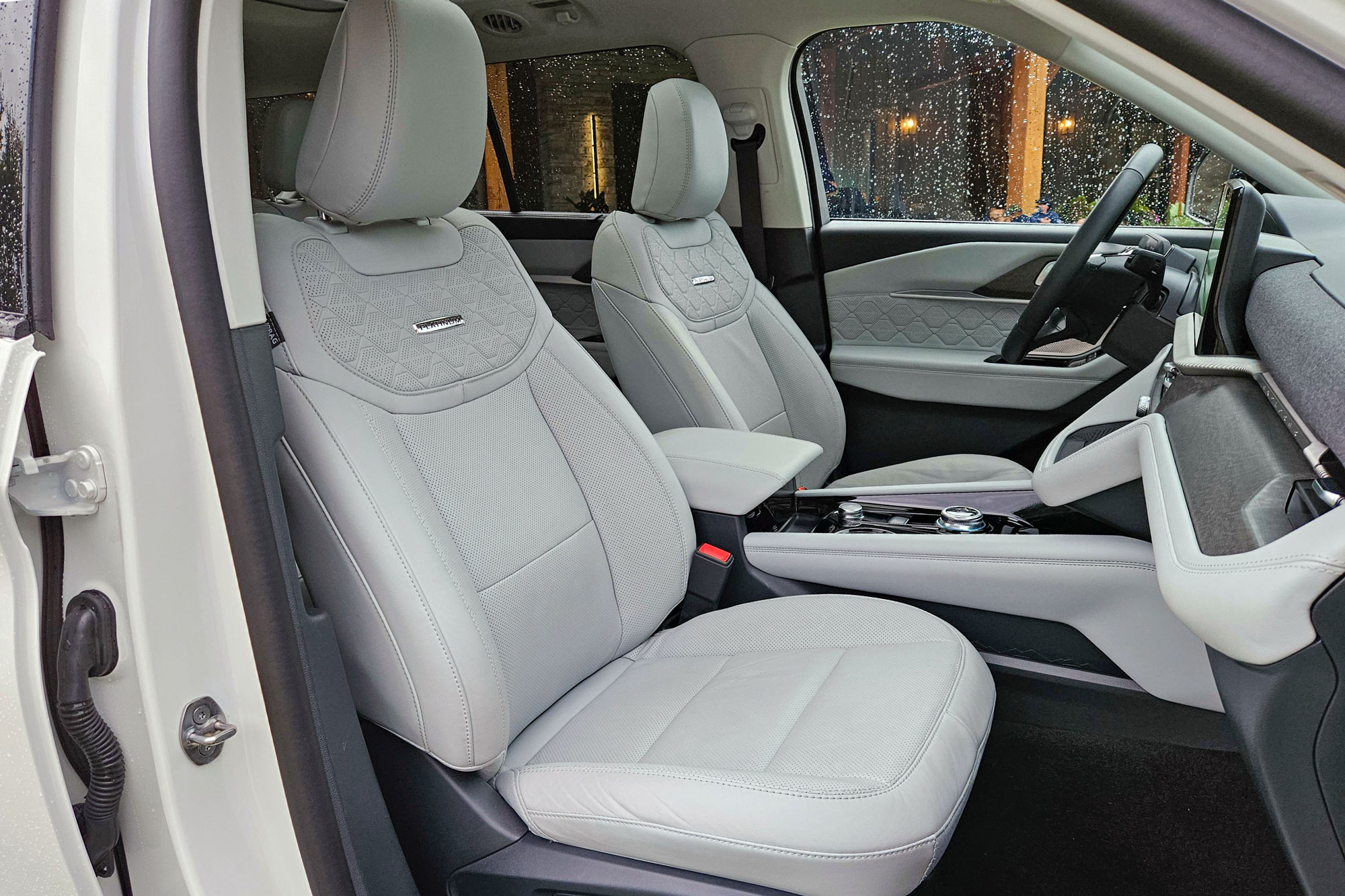
Even though this article focuses on compact cars, the principle holds: cabin architecture determines whether rear space feels generous or merely measurable.
The Three Car-Seat Scenarios Families Actually Need
Rear-seat comfort isn’t universal. Different child-seat types create different challenges for compact cabins. Understanding the three most common scenarios helps you evaluate cars more intelligently than by headline legroom numbers alone.
1) Rear-facing infant and convertible seats: These require more front-row clearance, and the seat base typically occupies more space. Look for compact cars that maintain usable front-seat positioning without turning the driver’s legs into an accordion.
2) Forward-facing seats with harnesses: As children grow, access to the harness buckle matters. You want a back-row layout that allows the adult to reach in without awkward contortions.
3) Belt-positioning boosters: Boosters emphasize height, headroom, and seat cushion geometry. The best rear-seat space isn’t only length; it’s the vertical support that keeps the child comfortable and properly positioned.
As you compare models, think about which scenario you’ll prioritize now—and which scenario you’ll face within the next 12 to 36 months.
Headroom, Shoulder Room, and the Quiet Comfort Index
Legroom is where most comparisons start, but true comfort is often decided higher up. Headroom influences how a child’s posture settles. If the roofline slopes dramatically or if the headrest geometry is awkward, the cabin can feel cramped even when legroom appears adequate on paper.
Shoulder room and hip room matter for car seats, too. A seat that sits snugly without forcing side pressure helps reduce fidgeting and improves long-trip composure. Seats with supportive bolsters can make the rear row feel more “purpose-built” for families rather than merely “available.”
One useful technique is to imagine the motion required during everyday use: leaning in to adjust harness straps, reaching for a toy, or pulling a jacket from the side pocket. More space isn’t automatically better—usable space is better.
Rear Door Access: The Unseen Hero of Family Life
For car-seat owners, access is everything. A compact car can have excellent rear legroom yet feel difficult if the door opening is narrow or if the hinge placement obstructs the seat angle during installation. The best compact cars balance a modern, stylish silhouette with practical rear entry.
Pay attention to three things: door width, door-to-seat reach, and the ease of flipping or sliding front seats to create clearance. Some models also provide rear-seat switches that help adults adjust the front seat from the back area—small details that prevent daily frustration.
Short and long sentences can both be truthful here: a wide door opening can change everything. A narrow door opening can make installation feel like a ritual.
LATCH/ISOFIX Readiness and Seat-Belt Usability
Car seats aren’t just bulky objects; they’re systems of connection. When evaluating rear-seat space, examine where lower anchors (LATCH/ISOFIX) are located and whether the anchors are easy to access without contorting your hands behind the seatback.
Then consider seat-belt usability. Buckle placement can either make installation feel smooth or introduce repeated struggles. Ideally, the belt route supports a stable base position, and buckle stalks don’t interfere with the car-seat shell. If a belt is too recessed or too angled, it can reduce the ease of tightening and create inconsistent fit.
The most family-friendly compact cars tend to offer clear anchor labeling, straightforward belt routing, and a rear seatback that allows a secure installation without constant readjustment.
Seatback Design: Recline Angle, Cushion Depth, and Back-Row Calm
Not all rear seats are created for calm. Some seatbacks are too upright, which can limit how a rear-facing seat achieves the proper recline angle. Others have cushion depth that doesn’t support long naps, leaving children to slide forward or slump sideways.
In the best 2025 compact cars, the rear row is designed with a compromise: comfortable for adult riders while also accommodating car-seat positioning. Look for seatbacks that provide stable contact and cushion depth that keeps a child secure, even when the car brakes lightly or navigates a bend.
For parents, “back-row calm” often shows up as reduced fussiness. That’s not magic. It’s seat geometry working quietly in your favor.
Rear Seat Space for Adult Co-Riders: The Two-Person Test
A common misconception is that rear space only matters for children. But many families run a “two-person test”: one child in a car seat, and an adult sitting behind the front passenger or driver. In a compact cabin, the second-row experience can be transformed—or crushed—depending on front-seat position and seatback contour.
To evaluate this, imagine the practical seating lineup. If one parent needs to slide forward to maintain leg comfort, does the child’s seat installation still remain correct? If another adult wants to sit comfortably behind the passenger, do they gain enough knee clearance for a grocery run that lasts more than 15 minutes?
The best compact cars deliver a workable balance, where front-seat occupants don’t have to choose between their comfort and their child’s safety geometry.

How to Compare Compact Cars Without Getting Lost in the Numbers
Specifications can be useful, but they can also mislead. A car might list strong legroom yet feel cramped due to a steeply rising floor or thick seatback padding. A car might show moderate headroom but still deliver comfortable rides because the roofline and seat position align well.
Try a structured comparison approach. Start with rear legroom and headroom, then check rear door access. Next, evaluate the ease of installation: can you reach anchors easily, can you tighten confidently, and can you secure the seat without blocking adult travel? Finally, run a “life simulation.” Consider the placement of rear vents, the convenience of side storage, and whether rear occupants can stay comfortable during longer trips.
If you’re the kind of shopper who loves certainty, bring the car-seat manual notes or even a familiar setup plan to the test drive. Real-world fit beats spreadsheet confidence.
Top Picks: What to Look For in 2025 Compact Car Choices
The “best” compact car is rarely the same for every family. Some prioritize maximum rear legroom for rear-facing seats. Others excel in back-row comfort for boosters and adult passengers. The common thread is rear-seat usability—space that works with car-seat installation instead of fighting it.
In 2025, the strongest contenders are typically those with thoughtfully arranged rear cabins, supportive seat cushions, and practical anchor access. They also tend to offer flexible seatbacks and good rear-door clearance, which reduces the daily friction that families experience on busy mornings.
Whether you’re navigating school drop-offs, weekend road trips, or late-night grocery runs, the best compact cars for rear seat comfort tend to feel intuitive. You shouldn’t need a technician’s patience to make the seat fit. You should be able to buckle, adjust, and move forward with confidence.
Checklist for Your Next Test Drive
Use this checklist before making a decision, especially if you’re planning to install car seats soon:
1) Sit in the front seat and then test how much leg clearance remains when the seat is positioned normally.
2) Install a seat (or simulate it) and check base stability and recline compatibility.
3) Reach the harness and buckle points from a real adult angle—without contorting your wrist.
4) Confirm anchor access and whether tightening is easy.
5) Evaluate headroom by imagining how a child’s head will rest during naps.
6) Try a quick ingress/egress test for rear-seat access, including loading jackets and bags.
Shortcuts lead to frustration. A deliberate test drive leads to clarity.
Closing Thoughts: Rear Seat Space as a Daily Advantage
Choosing a compact car with strong rear seat space isn’t just a transportation decision. It’s a quality-of-life upgrade that shows up in small moments: fewer adjustments, smoother installations, and a calmer back row that makes everyone—kids and adults alike—arrive with more patience intact.
In 2025, the best compact cars for car seats reward attention to detail. Look beyond surface measurements. Focus on how the cabin feels when the seat is installed, when you’re buckling a harness for the twentieth time, and when you’re doing the simple, loving work of getting everyone safely where they need to be.
When rear space works in harmony with family routines, comfort becomes more than a luxury—it becomes a dependable habit.