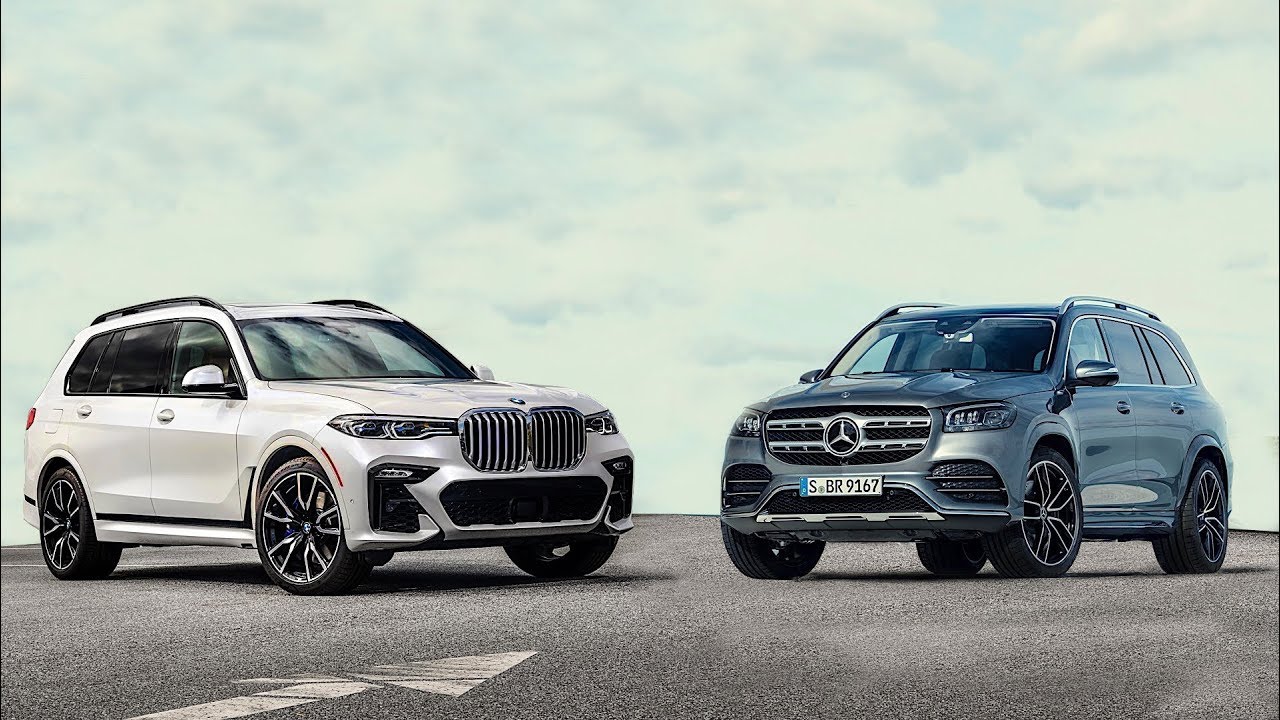
Two names, two emblems, one shared ambition: to rule the driveway. In the 2026 full-size luxury arena, the Mercedes-Benz GLS and the BMW X7 stand as the brand flagships—built not merely to transport, but to orchestrate an experience. Think of them as rolling salons with different philosophies. The GLS tends to arrive with a velvet hammer—subtle authority, plush calibration, and a sense of architectural calm. The X7 often counters with a more sculpted rhythm—taut steering feel, driver-forward ergonomics, and an unmistakably “commanding” cockpit posture. Together, they form a flagship duel where comfort, technology, power, and presence are debated like fine art.
Below, the comparison unfolds across the elements readers expect from a flagship head-to-head, plus a few that are easy to overlook—like how each cabin changes your mood during a long commute, how the ride behaves when roads turn chaotic, and how design decisions translate into day-to-day ease.
Design Philosophy: Grand Presence vs Sculpted Authority
The 2026 GLS wears its grandeur like a tailored overcoat. From the grille to the lighting signature, the proportions feel deliberate and composed. The front end suggests mass without clutter—an intentional visual hierarchy that reads instantly even at a distance. On the body, the surfaces are smooth, almost conversational, guiding the eye along a wide, confident beltline.
The BMW X7, by contrast, presents a slightly more athletic silhouette. Its design language feels engineered for charisma: sharper contrasts, a more pronounced stance, and an overall impression that the vehicle is ready to move—even at rest. Where the GLS emphasizes serenity, the X7 often communicates momentum.
In a real-world sense, this difference becomes personal. Some drivers want the SUV that looks like it belongs in the foreground of every scene. Others want the one that looks like it’s about to sprint away from it.

Cabin Atmosphere: Lounge Calm vs Driver-Centered Clarity
Inside, the GLS tends to lean into lounge-like composure. The cabin materials and ambient styling work together to soften edges. Seats feel like a deliberate invitation to exhale. In long journeys, that matters. A flagship isn’t just a place to sit—it’s a place to recalibrate your perception of time.
The X7’s cabin, meanwhile, prioritizes clarity and orientation. Controls are arranged to support an active driving rhythm. Even when you’re simply cruising, the ergonomic geometry nudges you toward engagement. The layout often feels slightly more “logical,” with purposeful surfaces that reduce visual noise.
Sound insulation also shapes atmosphere. The GLS generally strives for near-quiet dominance, turning background noise into a polite murmur. The X7 can be extremely refined, but the emotional flavor is different—more focused on maintaining control while keeping the ride comfortable.
Technology Ecosystem: Infotainment as Command Center
Flagship SUVs increasingly compete like software platforms, not just machines. Both the GLS and X7 offer advanced infotainment systems, but their user experiences can feel distinct in tempo.
The GLS typically emphasizes a highly integrated, convenience-forward approach—features designed to reduce friction. Expect the digital interface to feel cohesive, with strong attention to navigation, voice interaction, and seamless connectivity. For families, that translates into fewer steps and more “it just works” moments.
The X7’s system often feels more driver-centric—an environment where information is presented with intention. Some drivers prefer that sensibility: fewer distractions, faster comprehension, and a layout that supports quick decisions.
Either way, the key question is simple: which interface makes you feel effortless after a week of use? On paper, both can impress. In daily life, the winner is the one that reduces mental overhead.
Powertrains and Performance: Smooth Authority vs Responsive Reserve
Both models occupy the full-size luxury lane where performance is expected, but not always emphasized the same way. The GLS often delivers with a smooth, confident delivery—power that arrives progressively, almost imperceptibly. It’s the kind of thrust that makes highway merging feel like a formality.
The X7 tends to favor a more responsive character. Even when outputs are comparable, the way torque is managed can change the sensation. You may feel the vehicle “ready” sooner—an intangible difference that becomes obvious during spirited exits from corners or brisk overtakes on curving roads.
Suspension tuning is also pivotal. The GLS generally seeks composure over chaos, aiming to isolate passengers from imperfections. The X7 often balances comfort with a sport-leaning posture, retaining composure without losing the sense that the vehicle is connected to the road.
For readers who like a specific kind of thrill: choose the vehicle whose performance signature matches your driving mood—serene authority or responsive reserve.
Ride Quality and Handling: Airy Isolation vs Composed Athleticism
Ride quality is where flagship duels become emotional. The GLS often excels at smoothing out discontinuities—expansion joints, rough asphalt, and urban patchwork. The result can feel like a gentle negotiation between tire and terrain.
The X7, while comfortable, can feel more dynamically composed. It tends to hold body motion in check, which gives the impression of control even when the road is demanding. On longer drives, that can reduce fatigue for some drivers because the vehicle communicates its limits with more clarity.
In wet or uneven conditions, traction behavior and stability programming matter. Both platforms generally perform at a high level, but their philosophies may diverge: one prioritizes passenger tranquility, the other emphasizes predictable steering engagement.
Safety and Driver Assistance: Confidence Without Overload
Safety technology is no longer a luxury checkbox; it’s a daily companion. The GLS typically focuses on ease of use—systems designed to support without creating an overwhelming cockpit presence. The intent is reassurance through continuity: lane guidance, adaptive assistance, and proactive awareness that blends into routine driving.
The X7’s assistance suite often aims for a similarly supportive experience, with strong emphasis on driver oversight and feedback. The difference can be subtle, but it shows up in how the vehicle “announces” its understanding of traffic and road geometry.
The best systems feel natural: they help you do the right thing without demanding attention like a spotlight.
Space, Practicality, and Family Logistics: Full-Size Utility That Fits Real Life
As flagship SUVs, both are built to swallow the chaos of daily life: school runs, weekend gear, shopping hauls, and the occasional unexpected detour. Cargo capacity and second-row comfort are the practical measures that separate marketing from reality.
The GLS often emphasizes second-row comfort with an accommodating stance and a lounge-like vibe. For rear passengers, this can feel less like “sitting in an SUV” and more like being positioned in a premium theatre seat. The third row, while not always the centerpiece of daily hauling, can still serve as a meaningful option when families travel together.
The X7 also offers impressive practicality. The cabin space supports flexible seating arrangements, and the ergonomics in everyday use—easy access, intuitive loading angles, and manageable visibility—tend to matter more than a spec-sheet number.
Consider your typical day. If rear-seat comfort is non-negotiable, the GLS often aligns beautifully with that priority. If you frequently shift between seating, cargo, and driver duties, the X7’s functional orchestration may feel more streamlined.
Luxury Details: Materials, Craft, and the Feel of Ownership
Flagship luxury is in the details you touch. Stitching quality, seat contouring, trim choices, and switchgear design all contribute to how the vehicle “reads” you back. The GLS tends to excel in soft-touch ambiance—materials chosen for comfort and visual harmony, with ambient lighting that can feel almost cinematic.
The X7 often leans toward premium clarity—surfaces that feel purposeful and control placement that suggests craftsmanship rather than decoration. Both can deliver a high-end finish, but they create different emotional states: the GLS often invites relaxation; the X7 encourages engagement.
Even the way each vehicle handles temperature distribution and cabin airflow can shape comfort. In cold mornings or hot afternoons, the difference is immediately felt—less as technology and more as a sensory promise.
Ownership Experience: Value, Service Rhythm, and Long-Term Confidence
Ownership is where the fantasy meets the invoice. Maintenance schedules, dealership support, warranty coverage, and parts availability all influence satisfaction over time. The good news is that both vehicles are engineered for longevity within their premium ecosystems.
Financing options, insurance profiles, and resale outlook can vary by region, driving patterns, and configuration. A more holistic approach helps: consider not only purchase price but how the vehicle fits your lifestyle. How many miles you drive matters. Whether you keep vehicles for years matters. Which features you’ll actually use matters most.
In many cases, drivers discover their “winner” based on daily routine rather than initial impressions at the dealership.
Who Should Choose Which: A Clear, Human Decision
Choose the 2026 GLS if your ideal flagship means calm confidence: a cabin that envelops, ride comfort that softens the world, and a technology suite that aims for effortless convenience. It’s for those who view luxury as emotional relief—less work, more ease.
Choose the 2026 X7 if you want a grand SUV with sharper composure and a driver-forward atmosphere. It’s for those who prefer connected steering feedback, an interface that feels logically organized, and a performance character that invites occasional enthusiasm without sacrificing comfort.
Either way, you’re choosing a flagship built to impress. The difference is the nature of that impression—whether it’s a serene presence that dominates silently or a sculpted authority that feels ready for motion.
Final Verdict: The Full-Size Duel, Resolved in Feel
The Mercedes-Benz GLS and BMW X7 are both elite full-size statements, but they don’t compete on the same emotional battlefield. The GLS is the master of tranquility—an SUV that makes passengers feel protected by refinement. The X7 is the master of composure—an SUV that keeps the driver tuned and the experience responsive.
In the end, the “best” choice isn’t a single number. It’s the sensation you want at 8 a.m. on a cold commute, on an unexpected detour with rough pavement, and on those long stretches where comfort becomes the real performance metric. Pick the vehicle whose personality matches your day. That’s how a flagship duel becomes a personal victory.