Midsize luxury SUVs have a particular gravity. They don’t just promise transportation; they trade in reassurance, poise, and a sense that the day can be orchestrated rather than endured. Yet shoppers looking at the 2026 Mercedes-Benz GLE, the BMW X5, and the Audi Q7 often notice the same confusing pattern: on paper, the differences look crisp, almost academic. In the real world, though, the experience feels less like a spreadsheet and more like a personality test. Why does one feel effortlessly composed while another feels sharply engaged? Why do some cabins feel like a sanctuary, and others feel like a command center?
That common observation—“they’re all excellent, so what’s the true difference?”—is exactly where the deeper fascination begins. The truth is that these SUVs are built around distinct philosophies of luxury. The numbers matter, but so do the subtleties: the direction of torque, the cadence of steering inputs, the way materials catch light, and even how the cabin quiets the outside world. Let’s walk through the triangle of taste formed by Mercedes, BMW, and Audi, and see where each one earns its devotees.
Design and the Art of First Impressions
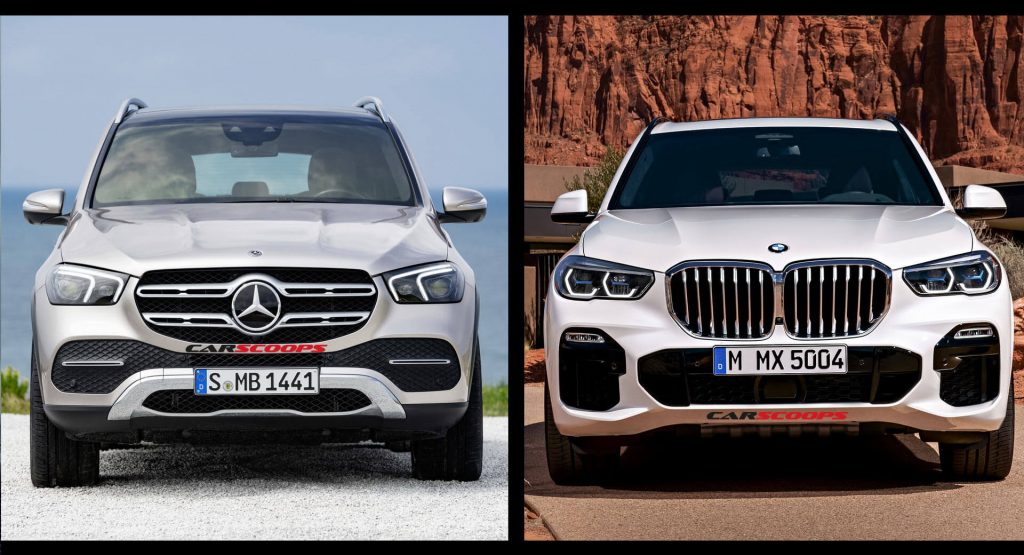
Luxury begins before the engine ever turns. It begins with silhouette, with surface tension, with how the vehicle appears in motion—even at a standstill. The Mercedes-Benz GLE tends to read as authoritative, with a styled confidence that can look almost sculptural. Its proportions carry a deliberate spaciousness. The BMW X5, by contrast, often feels more athletic, with a forward-leaning stance that suggests readiness. Audi’s Q7 leans into a clean, architectural rhythm, where the design language can feel more restrained but meticulously engineered.
These aesthetic differences aren’t superficial. They reflect how each brand conceptualizes presence. Mercedes aims for dignified gravitas. BMW tries to communicate kinetic intent. Audi often signals technical coherence, the kind that feels quietly assured rather than loudly theatrical.
Cabin Atmosphere: Sanctuary vs Command Center
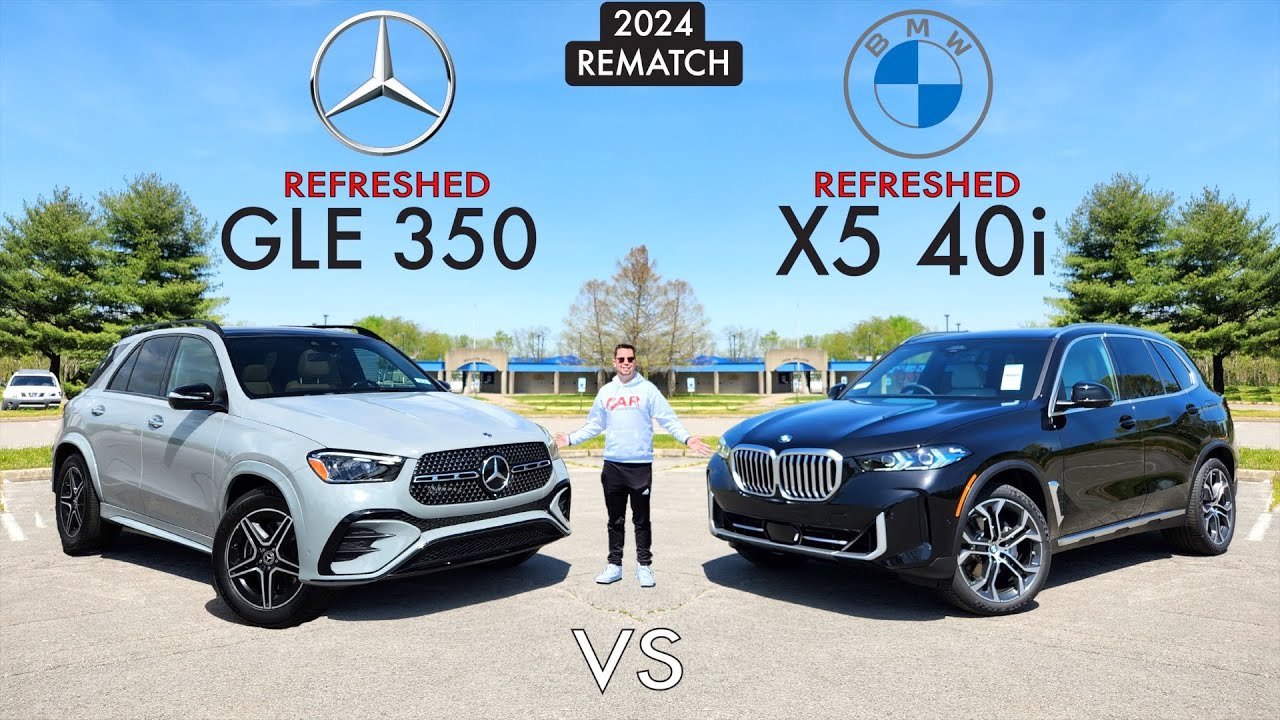
Step inside, and the comparison sharpens. The most striking contrast is emotional. Some cabins soothe like a well-tuned lounge. Others energize like a cockpit. Mercedes generally leans toward lounge-like elegance—surfaces feel chosen, not merely installed. BMW frequently emphasizes driver orientation, with controls and visibility calibrated for engagement. Audi often threads the needle with a blend of minimalism and sophistication, creating a space that can feel both calm and cockpit-precise.
Materials play a role, too. Leather texture, trim patterning, and the way ambient lighting gets distributed across the dash all influence perceived quality. Even the density of sound insulation changes your sense of time. When an SUV feels quieter, your brain stops bracing for noise. That’s when the ride becomes more than motion—it becomes composure.
And then there’s the “usability luxury” factor: storage placement, the ergonomics of seating, and how quickly the cabin becomes familiar. Familiarity reduces cognitive friction. Lower friction is a form of comfort that doesn’t show up in brochures.
Infotainment and Digital Taste
Modern luxury is inseparable from screens and software. But “more features” isn’t the point; interaction design is. The GLE typically offers a confident, Mercedes-style digital experience—smooth transitions, intuitive layouts, and a system designed to feel settled rather than flashy. BMW’s approach tends to prioritize driver-centric controls and a responsive, slightly driver-instrumentation vibe. Audi’s system often feels elegantly structured, with menus and display logic that can reward curious exploration.
Here’s the deeper reason shoppers get fascinated: software personality. Two interfaces can have similar functions, yet one feels frictionless, while another feels like you’re learning a ritual. Your daily life becomes the long-term verdict. The best system is the one you don’t think about.
Powertrains and the Physics of Feel
All three vehicles operate in the same broad class of capability, but their character emerges from how power is delivered. The Mercedes GLE tends to emphasize smoothness and effortless momentum, often making highway driving feel like gliding. The BMW X5 frequently feels eager and connected—torque arrival can feel immediate, and the vehicle may encourage brisk intentions. Audi’s Q7 often delivers a refined balance, where acceleration feels progressive and composed rather than theatrical.
Why does this matter? Because the “same speed” can feel completely different. If torque arrives predictably and the drivetrain communicates through the chassis, the driver experiences confidence. If the power curve is smoother but less aggressive, the SUV feels mature. If throttle response is sharper, it feels playful.
The deeper fascination is not about horsepower headlines. It’s about how the SUV makes you want to drive. A luxury vehicle that invites calm is one kind of mastery. A luxury vehicle that invites engagement is another.
Ride Quality: Comfort Isn’t Just Softness
Ride quality is a choreography of suspension tuning, tire behavior, and chassis stiffness. Comfort is not synonymous with softness. A truly comfortable SUV controls motion: it filters sharp impacts without smearing everything into a vague float. Mercedes often excels at making the ride feel composed and insulated, particularly over uneven pavement. BMW’s strength is its ability to keep the vehicle planted while still delivering a controlled, sporty refinement. Audi typically pursues a steady, well-damped feel, where stability over long distances becomes a signature.
Look closely, though: the “best ride” depends on your environment. City streets with frequent patchwork demand one kind of compliance. Highway cruising invites a different type of damping. The fascination arises because suspension tuning changes your psychological relationship to the road. Some drivers want to disappear into comfort. Others want the road to remain legible beneath them.
Handling and Steering: The Luxury of Feedback
Steering feel is where brand philosophies become physical. BMW generally favors sharper feedback and a more direct connection, encouraging confident lane changes and spirited positioning. Mercedes often balances smoothness with control, prioritizing confidence and stability rather than raw immediacy. Audi typically offers a refined, controlled feel that can feel both assured and precise, especially when you drive with measured intention.
There’s a subtle reason people become loyal. It’s not only that one SUV handles better. It’s that one SUV communicates better. Good feedback reduces driver effort and uncertainty. When the vehicle tells the truth through the steering wheel, you trust it—and trust turns into satisfaction.
Braking, Stability, and Confident Stopping
In everyday driving, braking is one of the least glamorous luxuries—but it’s among the most influential. Pedal modulation matters. So does stopping stability under load. All three SUVs aim to feel consistent, but the differences emerge in how the pedal responds to varying pressure and how the vehicle settles at the end of a braking event.
Stable braking creates a sense of safety that’s difficult to quantify. It’s also why some drivers feel relaxed in traffic while others feel tense. Relaxation is a measurable benefit in terms of stress reduction, even when the data never reaches a brochure.
Space, Practicality, and Family Life
A midsize luxury SUV is often the center of real life: school runs, groceries, weekend travel, and the quiet logistics of carrying everyone’s needs. The GLE usually targets spaciousness with a comfortable, upscale layout. The X5 brings a balance of practicality and driving focus, often feeling remarkably usable in daily routines. The Q7 tends to emphasize versatility and measured organization, with thoughtful packaging designed to handle cargo without making the cabin feel busy.
Seat comfort is another key lever. Long-distance comfort is influenced by seat contouring, thigh support, and how ventilation systems perform under heat. The deeper point: the “luxury” of space isn’t only about numbers. It’s about how quickly you can live in it.
Technology for Road and Weather Confidence
Modern luxury also means reducing uncertainty. Advanced driver assistance systems can help with lane centering, adaptive cruise behavior, and collision avoidance. But the real question is how these systems behave in imperfect conditions. Smooth integration feels invisible; clumsy intervention feels intrusive.
Each brand has its own calibration style. Mercedes often targets reassuring smoothness. BMW aims for responsive but controlled behavior. Audi often emphasizes a consistent rhythm of assistance, designed to feel predictable. Predictability is what builds confidence over time.
Ownership Experience: The Long-Term Verdict
After the first thrill, the real relationship begins. Service experience, parts availability, warranty structures, and software update cadence can shape how a vehicle feels years later. Luxury buyers often obsess over the first drive, but the long-term experience determines whether that obsession becomes pride—or frustration.
Also consider resale perception. Brand prestige influences how buyers value condition and mileage. Meanwhile, cabin quality and exterior durability influence whether the vehicle still feels “new” after seasons of use.
Which One Fits Your Fascination?
The best choice depends on what you’re truly chasing. If your fascination is elegant composure—a cabin that feels like a refuge and a ride that smooths the world—then the Mercedes-Benz GLE often becomes the logical magnet. If your fascination is engagement with control—a vehicle that feels responsive, encouraging, and sharply communicative—then the BMW X5 frequently earns the spotlight. If your fascination is balanced refinement—precision without theatrics and a cabin that feels intelligently structured—then the Audi Q7 can feel like the calm equation that always works.
None of these SUVs are merely alternatives. They are different interpretations of what luxury should do for your life. And that is why the comparison remains so compelling. The real answer isn’t hidden in a specification sheet. It lives in how the SUV makes you feel when the road gets long and the day gets ordinary.
Conclusion: The Midsize Luxury Mindset
The 2026 Mercedes-Benz GLE, BMW X5, and Audi Q7 sit in the same midsize luxury arena, but they play different roles on the stage of daily driving. Mercedes often convinces with serenity and dignity. BMW persuades with connection and athletic confidence. Audi wins with structured refinement and quietly precise control.
When you notice the common observation—that they’re all excellent—you’ve already reached the right starting point. The deeper fascination is choosing which excellence you want to live with. Because in the end, the best midsize luxury SUV isn’t the one that’s fastest or most feature-packed. It’s the one that feels like it was tuned to your idea of effortless life.