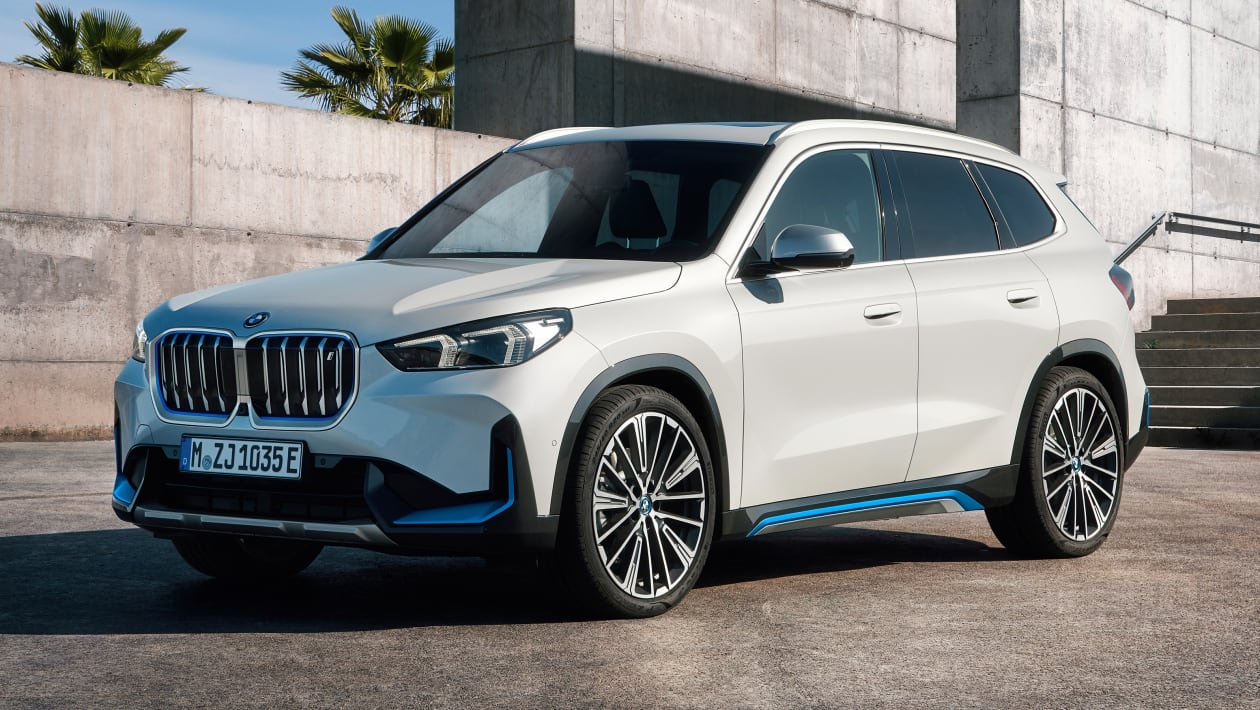
The first thing many people notice about the BMW iX1 is its posture. It looks like a familiar compact SUV from a distance—confident grille, upright stance, and that unmistakable “drive-me” silhouette. Then the electric details arrive, quiet but insistent. The iX1 shifts the conversation from how the vehicle sounds to how it behaves: punchy off the line, composed at urban speeds, and eerily calm when traffic turns stop-and-go.
It’s common to hear a skeptical question: why does an electric subcompact SUV inspire such loyalty when the landscape is already crowded? The answer is less about novelty and more about fascination—because the iX1 feels engineered for the daily ritual rather than the occasional thrill. It’s not merely “electric.” It’s electric with intent, and that intention has a deeper gravity.
So let’s step into the world of the BMW iX1, a subcompact electric SUV that treats everyday life as worth optimizing—range, charging, design, and driver experience woven into a single, cohesive fabric.
Why a Subcompact Electric SUV Feels More Compelling Than It Should
Small vehicles often get dismissed as compromises: not enough room, not enough range, not enough presence. Yet the iX1 challenges that reflex. Subcompact proportions can be an advantage. Parking becomes easier. Maneuvering in dense neighborhoods feels less like a negotiation. Steering response stays crisp, and the overall driving geometry encourages confidence on narrow streets and busy intersections.
Then there’s the psychological shift electric power brings. Acceleration is instantly available, without the waiting, lag, or mechanical theater of traditional drivetrains. Even when the performance isn’t extreme on paper, the sensation is different. That instant torque can make commuting feel oddly cinematic—especially during brief openings in traffic where momentum matters more than top speed.
Fascination grows when a car meets the rhythms of real life. The iX1 doesn’t ask you to become a “different kind of driver.” It simply makes the familiar routines smoother.
A Design That Communicates Electric Without Announcing It
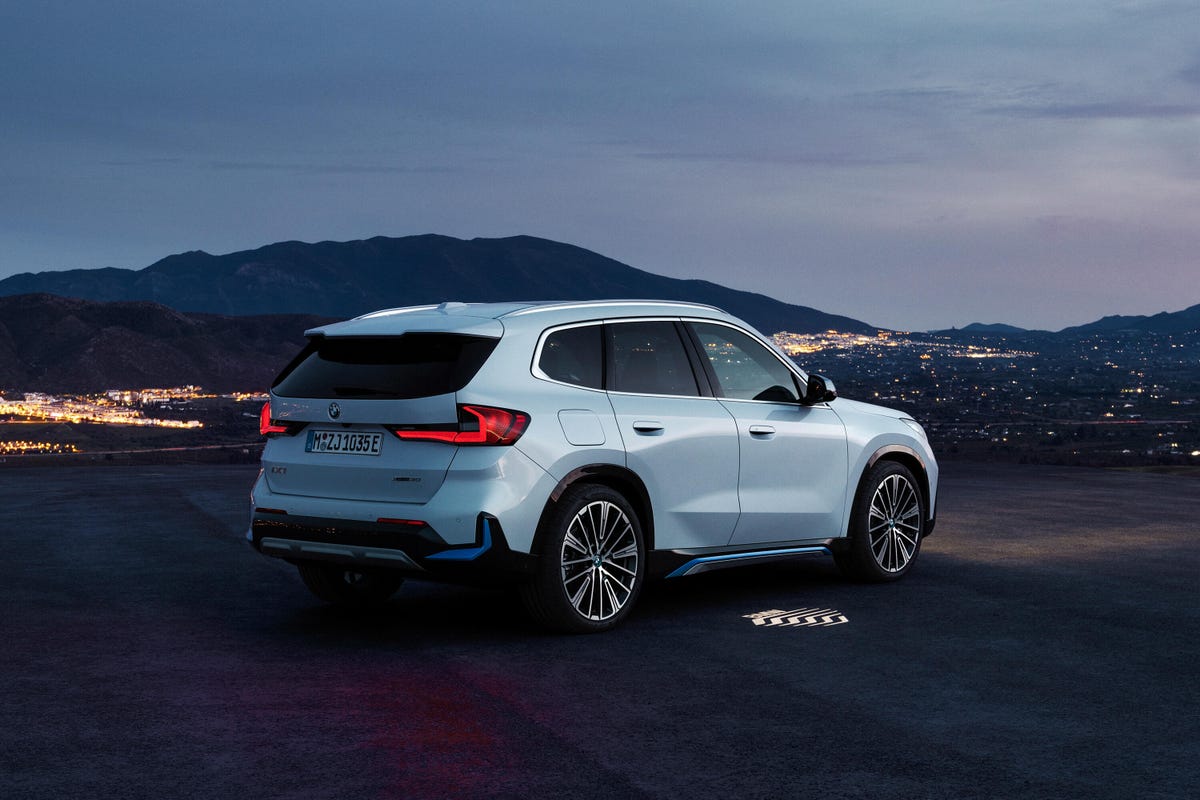
From the outside, the iX1 keeps the structure of a compact SUV, yet electric cues subtly redirect attention. The proportions remain purposeful. The front end projects intent rather than aggression. Lighting signatures help the silhouette read as modern, and the body lines suggest aerodynamic discipline.
Electric design is often treated like decoration. The best examples make it functional too—reducing drag, guiding airflow, and supporting overall efficiency. The iX1 strikes a balance between recognizable BMW clarity and clean, contemporary surface language.

Even its stance feels deliberate. Taller vehicles can sometimes look generic. Here, the iX1 maintains a certain sculpted coherence—an impression that it belongs in the driveway today, not in a brochure two years ago.
The Cabin: Familiar Layout, Electric Calm
Inside, BMW’s traditional logic—driver-first ergonomics, clear sightlines, tactile controls where they matter—feels reassuring. But electric presence changes the emotional temperature of the cabin. Without engine vibration and with reduced mechanical clutter, the environment becomes quieter. Silence is not emptiness; it’s space. And that space allows audio, conversation, and the road itself to take center stage.
Materials and finishes contribute to a sense of order. Controls are positioned to reduce distraction. That matters, because an electric SUV’s advantage often appears in stop-and-go driving where sustained attention is still required—just directed differently.
There’s also a subtle satisfaction in “not thinking” about the drivetrain. You accelerate, you brake, you glide forward. The powertrain operates with a steadiness that can turn mundane commutes into something closer to a practiced choreography.
Range: The Real Story Isn’t the Number, It’s the Confidence
Range figures can be interpreted in dozens of ways, and most of them lead to arguments. Yet buyers rarely buy arithmetic. They buy confidence. In daily life, the question is simple: can the car handle the distance you actually drive?
The iX1’s appeal lies in how it frames range as a practical tool rather than a fragile promise. Efficiency tuning—covering aerodynamics, energy management, and thermal behavior—turns range into something steadier. That steadiness matters on colder mornings, during longer highway stretches, and when routes include the unpredictable stoplights of real cities.
And because the iX1 is a subcompact SUV, its energy use tends to align with typical driving patterns. It’s not trying to be a road-trip bus. It’s trying to be the dependable companion that shows up for errands, school runs, and weekend escapes without demanding a detailed spreadsheet mindset.
Charging: Where Convenience Becomes Part of the Lifestyle
Charging is where electric vehicles earn or lose trust. Many drivers picture charging as an obstacle. In truth, the routine can become almost invisible—especially with home charging. The iX1 fits naturally into that lifestyle shift: plug in at night, wake up ready, and treat energy like an everyday utility.
Public charging also matters. Fast-charge capability can transform uncertainty into flexibility. A quick top-up can turn “maybe we can” into “yes, absolutely.” That kind of optionality has a psychological effect. It removes the mental friction that traditionally comes with range anxiety.
Deeper still is the way charging habits influence driving behavior. When energy feels accessible, smoother driving becomes easier. Regenerative braking can make deceleration feel intentional rather than abrupt. The result is a car that quietly trains your instincts toward efficiency.
Performance and Driving Feel: Instant Torque, Composed Control
Electric performance is often described with numbers. Yet the sensation is more nuanced. Torque arrives immediately, which can make the iX1 feel responsive in everyday situations—merging into traffic, pulling away from junctions, or overtaking slower vehicles with minimal drama.
But performance isn’t only about acceleration. It’s also about composure. A well-sorted electric SUV should keep weight in the right place and deliver predictable steering response. The iX1 aims for that kind of balanced demeanor—confident, not twitchy.
Regenerative braking adds another layer. It changes how you drive without taking away your authority. Instead of “brake now” thinking, you begin to anticipate deceleration, letting the motor’s resistance slow the car smoothly. It’s a subtle transformation—like learning a new instrument by feel rather than by lesson.
Safety, Technology, and the Subcompact Advantage
Subcompact SUVs succeed when they feel easy to live with. That includes modern driver assistance systems and intuitive infotainment. The iX1’s technology is designed to reduce cognitive load. Alerts should clarify, not overwhelm. Interfaces should guide, not distract.
Safety systems contribute to a calmer driving experience. Sensors and predictive features help manage blind spots, lane discipline, and situational awareness. It’s not about turning the car into an autopilot machine. It’s about adding quiet layers of protection that become meaningful during long days and distracted moments.
In a compact footprint, visibility and maneuverability matter. The iX1’s size helps drivers thread through tight spaces while still maintaining the upright comfort many people prefer in an SUV format.
Economics and Ownership: The Quiet Reasons People Stay Fascinated
Electric ownership often gets reduced to incentives and calculations. Those matter, of course. But there’s a more enduring allure: fewer mechanical complexities, smoother drivetrains, and the satisfaction of efficient movement.
Maintenance expectations shift too. With fewer wear-prone components in the drivetrain, long-term upkeep can feel less daunting. Tires and brakes still matter—brakes especially because regen changes wear patterns—but the overall rhythm can be calmer.
And then there’s the intangible benefit: the car becomes a tool for minimizing friction. When the vehicle starts every morning without hesitation and accelerates without waiting, ownership stops feeling like a project.
Who the BMW iX1 Electric SUV Fits Best
The iX1 is tailored for drivers who want electric practicality without sacrificing the SUV mindset. It suits commuters who value daily reliability, small families who need versatile space, and city dwellers who benefit from manageable dimensions.
It’s also appealing to people who are curious rather than committed—those who want to experience electrification firsthand without stepping into the extremes of larger, heavier EVs. The subcompact scale makes the transition feel less intimidating.
In short: it fits anyone who wants an electric car to feel normal in the best possible way.
Final Thoughts: The Fascination Isn’t the Future—It’s the Fit
The BMW iX1’s fascination comes from an unusual alignment. It’s electric, but it doesn’t feel alien. It’s a subcompact SUV, yet it doesn’t feel small in spirit. It’s modern, but it respects the routines that matter.
When an electric vehicle simply works—quietly, confidently, day after day—people don’t just buy a powertrain. They adopt a new kind of driving rhythm. And that rhythm, more than any headline number, is what keeps the iX1 lingering in the imagination long after the test drive ends.