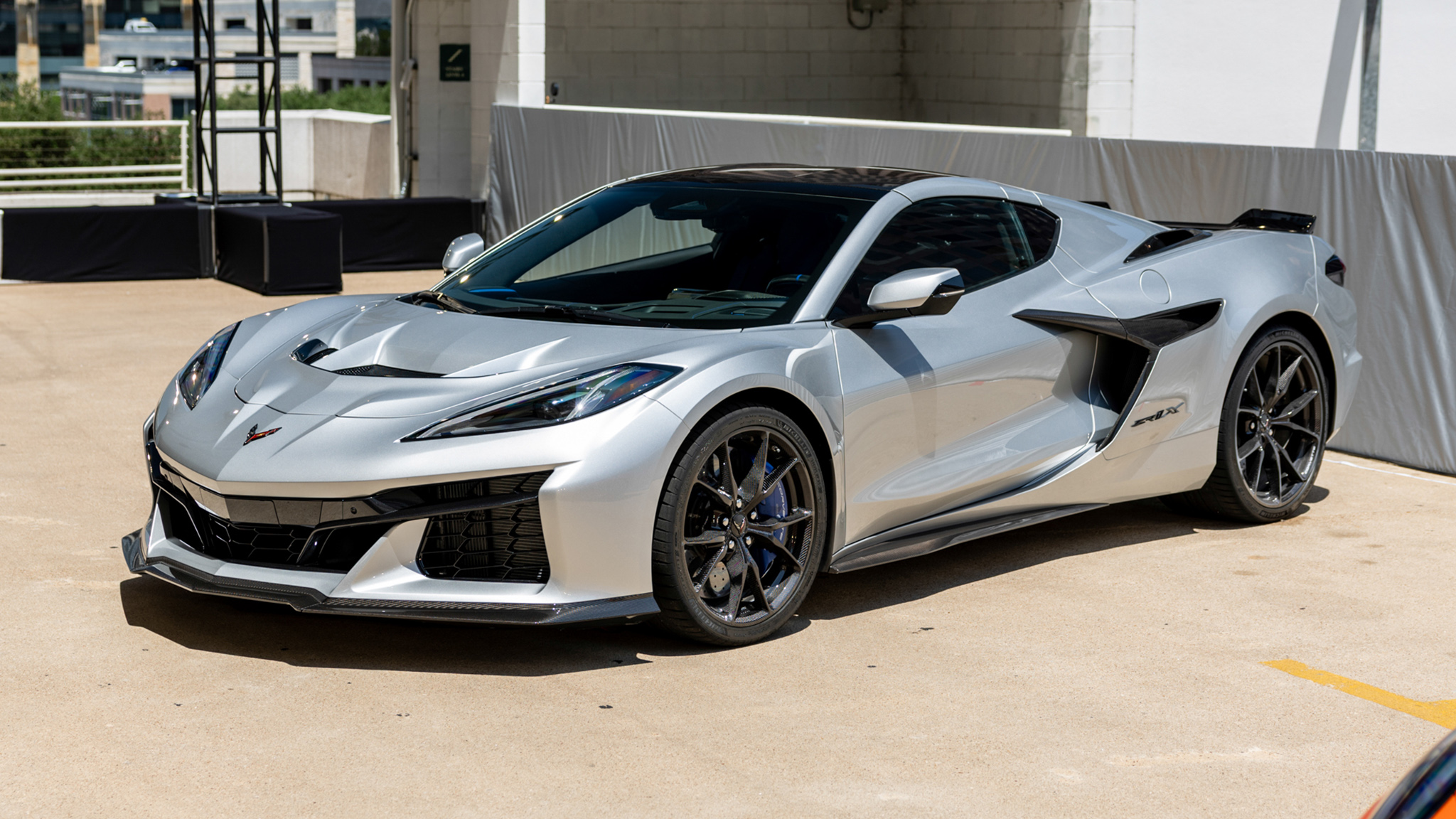
The 2026 Chevrolet Corvette has a reputation for being a stopwatch’s best friend—tight lines, sharp throttle response, and a name that practically hums with speed. Yet the question that lingers in the minds of many drivers isn’t “How fast can it go?” It’s more intimate: Can it live with me—through errands, commutes, detours, and those mundane errands that somehow still matter?
Daily-driving livability sounds like a soft skill compared with performance. But livability is where fascination often deepens. Because when a supercar behaves like a well-mannered daily driver—without turning every trip into a negotiation—you start to see the Corvette in a new light. It stops being merely impressive. It becomes belonging.
First Impressions: The Strange Ease of a Supercar
One common observation is that sports cars feel “too special” for everyday use. People expect a theatre of stiffness: firm seats that punish longer drives, noisy cabins that tire the ear, and controls that feel designed for track days rather than grocery runs.
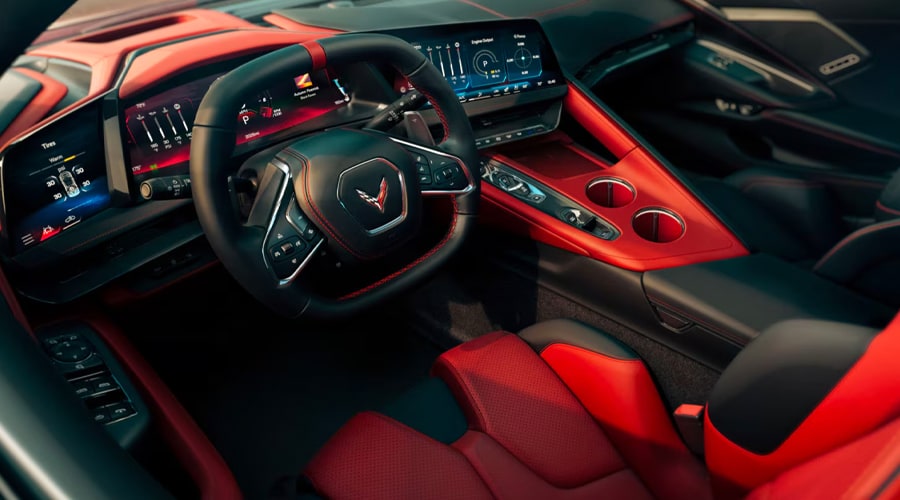
The 2026 Corvette challenges that assumption. It still looks like it belongs in a high-speed fantasy, with an athletic stance that seems to lean forward even when parked. But the experience isn’t only about appearance. The cabin layout aims for functional clarity. The driver’s area is designed to be reached quickly, with controls placed where your hand naturally falls.
Even the way the car settles at a stoplight can feel different than expected. A Corvette that can glide through traffic without turning every mile into a vibration contest changes how you think about supercars. It’s not pretending to be ordinary. It’s quietly refusing to be burdensome.

Ride Comfort and Chassis Confidence on Real Roads
Roads are rarely perfect. City pavement is patched, suburban streets dip, and highway transitions can feel like sudden jolts. A daily driver needs composure—an ability to absorb irregularities without making the passenger feel like they’re riding inside a percussion instrument.
Chassis tuning plays a starring role here. The Corvette’s performance heritage might suggest a harshness level, but modern suspension design focuses on maintaining contact and controlling motion. The result is a ride that feels controlled rather than overly rigid. In city driving, that translates to less “skitter” over broken pavement and more predictable responses. On highways, it means the car tracks straight with a calmer sense of steering authority.
What’s fascinating is the contradiction: you can feel the car’s athletic intent without being continually reminded of it. That balance is where livability emerges. A Corvette that’s too track-focused would quickly feel like an appointment you don’t want to keep. This one feels more like a tool—still sharp, but also usable.
Noise, Vibration, and Harshness: The Unseen Determiners of Comfort
Many drivers judge comfort by seating and suspension, but the deeper metric is NVH—noise, vibration, and harshness. A supercar can have great seats and still feel exhausting if wind noise roars and mechanical resonance fills the cabin.
The 2026 Corvette’s approach aims to keep everyday listening enjoyable. That doesn’t mean it becomes a quiet appliance. Instead, it manages the soundtrack so that acceleration feels thrilling, while cruising remains tolerable. You still get character. You just don’t get fatigue.
On longer drives, the difference becomes more obvious. A road trip is a test of attention span: will your ears grow tired, will your shoulders tighten, will you start counting miles in self-defense? Livability means the car encourages you to keep going.
Seating, Ergonomics, and the Art of Remaining Comfortable
Sports cars often treat posture like an afterthought—lean forward, brace yourself, and accept the discomfort as part of the deal. Daily driving, however, asks for something else: sustained comfort with posture that doesn’t punish you.
Ergonomics matter. Seat geometry, bolstering, and adjustability determine how quickly you can find a supportive position. A Corvette’s seating style aims to keep you engaged, but livability means the support doesn’t become a chore over time.
Notice how the steering wheel, pedals, and console interface feel like they were designed for repeated use rather than novelty. On a short run, the car should feel effortless to operate. On a longer day, it should feel familiar, not fatiguing. When those elements click, you stop thinking about “getting comfortable” and start simply driving.
Visibility and Parking Reality: The Daily Driver Test
Performance is thrilling. But the real world includes parallel parking, backing out of tight driveways, and weaving around strollers, carts, and impatient commuters. Livability depends on visibility and low-speed confidence.
Even without focusing on track performance, a well-designed Corvette supports confident maneuvering. Wide sightlines, predictable steering feel, and modern driver-assist features make routine tasks less stressful. Sensors and cameras—when equipped—reduce that momentary dread when you’re calculating clearances by instinct.
Here’s the deeper reason fascination grows: once a sports car becomes convenient in the moments that usually ruin the mood, the car stops feeling like a weekend indulgence. It becomes a regular choice. And that regularity is a kind of loyalty.
Power Delivery: When Acceleration Feels Like Control
Daily livability isn’t only about comfort. It’s also about how power behaves at low speeds. City driving is full of half-steps: gentle roll-ons, quick merges, and stop-and-go surges where the engine must respond without drama.
The Corvette’s powertrain character is designed to deliver thrust with a sense of immediacy. That doesn’t mean it’s always on the edge. Modern calibration can make the throttle feel progressive—less like a light switch, more like a dimmer. You can be smooth when traffic demands it. Then, when the road opens, the car rewards you.
That controllability is key. Fascination deepens when performance is available, not merely present. It makes everyday driving feel capable, even on days when you don’t actively pursue speed.
Fuel and Range: Practical Expectations for a Dream Car
No one expects a Corvette to be a hypermiling experiment. Still, daily driving requires planning. Range, fuel economy, and how often you’ll stop are part of the emotional calculus of ownership.
The deeper point is psychological: a sports car becomes livable when it fits into your routine without constantly interrupting it. Whether you drive short city loops or occasionally cross-town, reasonable planning creates confidence. And confidence changes how often you choose to drive.
It’s the difference between admiring a car from a distance and actually using it as your daily vehicle.
Technology and Driver Support: Convenience with a Performance Mindset
Modern drivers expect a connected cabin. Navigation clarity, smartphone integration, and driver-assist features aren’t luxuries anymore; they’re daily tools. In a Corvette, tech should amplify confidence rather than complicate life.
A thoughtfully designed infotainment system helps you stay oriented. Clear menus, responsive touch controls, and intuitive audio management make commutes smoother. Meanwhile, assist technologies can reduce workload in traffic and improve safety during routine maneuvers.
When technology blends seamlessly with performance—when it feels like it was built for the same “quick reactions” mindset—daily driving becomes less stressful and more enjoyable.
Ownership Mindset: Why Livability Makes the Corvette Feel More Special
There’s a hidden truth in all this: the more usable a dream car becomes, the more special it feels. Not because it becomes less rare, but because it becomes more present in your life.
When a Corvette can handle everyday rhythm—traffic light choreography, highway monotony, and the occasional last-minute detour—its fascination transforms. It becomes not just an object of admiration, but a companion for ordinary days. That is where the magic settles in.
Ultimately, the 2026 Chevrolet Corvette proves a point many people don’t expect: supercar livability isn’t about dulling performance. It’s about making performance fit into real life. And once that fit clicks, the question changes from “Is it comfortable?” to “How did a car this ambitious become this usable?”
Conclusion: A Supercar That Shows Up for Everyday Life
The most compelling form of fascination is practicality. The 2026 Corvette offers the thrilling essence people crave—yet it also respects the daily moments that build ownership satisfaction. From controlled ride composure to cabin comfort, from maneuverability in tight spaces to tech that reduces stress, the car aims to be driven, not merely displayed.
Daily driving shouldn’t feel like compromise. In the Corvette’s case, it feels like discovery: each errand becomes a small reminder that extraordinary engineering can still be human-friendly. And that realization—quiet, repeatable, and surprisingly addictive—is what makes the Corvette endure beyond the drive that first impressed you.