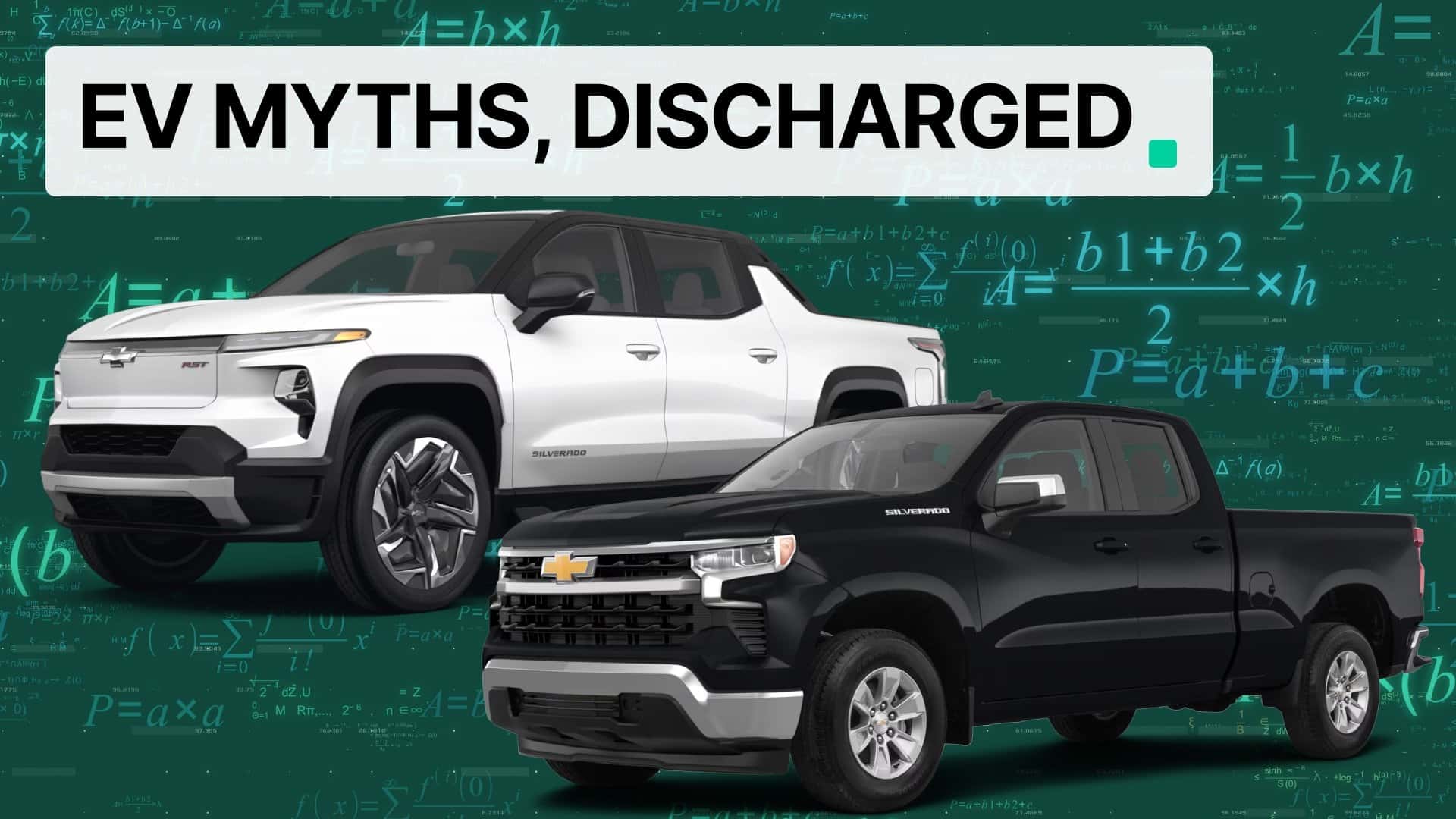
At the point where you’re deciding between a Chevrolet gas model and a Chevrolet electric vehicle (EV), the conversation rarely stays on torque and tailpipe notes. It drifts—inevitably—toward one question: which option actually saves you money over time? The answer isn’t a single number, and it isn’t universal. It depends on how you drive, where you live, what electricity costs you, how gasoline prices trend in your region, and which financing and charging realities you’re willing to live with. Still, patterns emerge. And once those patterns are mapped, the choice becomes less of a leap and more of a calculation.
This article breaks the decision into the different types of cost readers typically care about. You’ll find steady, practical estimates alongside the “wildcard” factors that can swing the outcome. You’ll also see how to interpret incentives, charging costs, maintenance expectations, and resale value—so the money story feels tangible rather than abstract.
The baseline equation: upfront price vs. long-term operating cost
Begin with the most visible difference: acquisition cost. Gas vehicles usually have a lower purchase price (or at least a shorter path to affordability), while EVs can ask more at the dealership counter. But a Chevrolet EV can compensate with lower energy costs per mile, fewer wear items, and sometimes incentives that effectively reduce the initial outlay. In other words, your decision is a trade between “pay now” and “pay less later.”
However, the story changes depending on whether you buy new, finance, lease, or purchase used. Financing interest rates matter. Lease terms matter. Used EVs can narrow the gap because depreciation may have already done some of the heavy lifting. If you’re someone who plans to keep your vehicle beyond the early years, the long-term equation tends to become more favorable for EVs. If your plan is to rotate vehicles frequently, the “time horizon” becomes the hidden variable.

For most drivers, the largest recurring expense is energy. Gasoline costs fluctuate daily, but they follow predictable seasonal and regional patterns. Electricity costs can be steadier—especially if you charge at home on a time-of-use plan—but they can also rise depending on local utility rates and demand charges. Your charging setup is the differentiator.
Home charging tends to be the most economical pathway. If you can charge overnight, you often benefit from lower rates during off-peak hours. Public charging may be pricier, and fast charging can cost more per kilowatt-hour than home charging. Still, the overall “per-mile” energy cost often remains lower for EVs than the per-mile cost of gasoline—particularly when gasoline prices climb.
To make the comparison real, estimate your typical consumption. For a gas Chevrolet, look at your miles per gallon and your local price per gallon. For an EV Chevrolet, use your energy consumption rating (often expressed as kWh per 100 miles) and multiply by your electricity rate. Then apply it to your annual mileage. Short commutes can make the comparison more sensitive to fixed fees and idle time. Long commutes can make it more about pure energy efficiency.
Maintenance is where EVs tend to deliver a quieter kind of savings. A gas Chevrolet has an engine, transmission, exhaust system, and a network of fluid changes and filters that accumulate over time. An EV trades many of those items for a simpler drivetrain. There’s no oil change. There’s no spark plug replacement in the traditional sense. Brake systems can also last longer because regenerative braking reduces wear.
But the smart move is to avoid absolutes. EVs still require tire replacements, cabin air filters, coolant services for thermal management, and periodic inspections. Batteries aren’t immune to degradation, though they’re designed for longevity. The financial advantage comes from the likely reduction in routine service frequency and the fewer “high-ticket” maintenance categories over the ownership span.
If you’re the type who likes predictable costs—consistent intervals, fewer surprises—EV maintenance can feel almost ceremonial in its simplicity. If you’re comfortable managing regular maintenance for a gas vehicle, that familiarity can be an emotional offset, even if the direct cost is higher.
Insurance can swing either direction. EVs may carry higher premiums in some regions due to repair complexity and parts costs. Gas cars can be cheaper to insure, particularly in markets where claim histories skew heavily toward combustion vehicles. Registration fees can differ based on vehicle class, weight, or tax structures.
Don’t let these line items fade from the spreadsheet. They may not dominate the total cost, but they can decide whether the EV wins by a comfortable margin or loses by a narrow one. For some buyers, insurance premium differences can offset electricity savings—at least during the first few years.
Also consider warranty coverage. Many EV components come with robust warranties that can reduce out-of-pocket exposure. The value of that protection is greatest when your driving conditions are harsh: extreme temperatures, heavy use of fast charging, or long daily mileage.
Incentives are often the reason the early-year gap narrows dramatically. Federal and state programs may reduce the purchase price or provide tax benefits for qualifying EVs. Local utility rebates can also exist, sometimes paired with home charger installation discounts.
However, incentives are not always permanent, and eligibility can depend on vehicle configuration, income thresholds, and production timelines. The most important practice is to verify current availability. A good incentive can turn a marginal EV deal into a clear win. A missing incentive can flip the outcome back toward gas.
When comparing Chevrolet gas vs EV, treat incentives like a time-sensitive asset. Document them. Confirm vehicle eligibility before committing. Savings that vanish after purchase can feel especially painful.
Charging isn’t just a technical step; it’s a lifestyle infrastructure question. If you can charge at home, you’re building a cost-advantage system. If you rely on public chargers, the outcome becomes more variable. Prices differ widely. Some stations are competitive; others behave like captive markets. Fast-charging frequency also influences efficiency and, indirectly, battery health considerations.
To keep the EV savings honest, model a blended charging scenario. For example, assume a portion of your charging happens at home and the rest on public networks. Then incorporate time cost, too. Charging isn’t always time consuming, but it can become time sensitive during road trips.
Road trips deserve their own cost treatment. Gas stations tend to be ubiquitous and convenient, while EV road-tripping depends on charger availability, charging speed, and route selection. Yet if your trips are occasional, the long-term savings in routine commuting may still outweigh those occasional inconveniences.
Resale value is a second “math engine.” EVs may face rapid early depreciation in some markets if incentives change or if new models arrive with better range. Over time, depreciation curves can stabilize. Gas vehicles can also depreciate heavily depending on fuel price volatility and consumer sentiment toward electrification.
Consider battery health as a resale factor. Buyers increasingly evaluate degradation estimates, warranty status, and charging history. A well-maintained EV with documented care can hold value better than one with a questionable charging pattern.
For gas vehicles, resale value is tied to mileage, condition, and service history. Both systems reward good stewardship. The key difference is that EV “stewardship” includes habits around charging and thermal management.
A smart way to compare is the break-even timeline. Calculate your estimated annual savings (energy plus likely maintenance offset minus insurance or fee differences). Then compare it to the upfront cost gap. If your savings per year are meaningful, the EV may break even sooner than you’d expect.
But the break-even year is not a trophy. It’s a decision tool. A buyer who plans to keep a vehicle for only a couple of years might not reach break-even even if the EV ultimately has lower operating costs. Conversely, a long-term owner can benefit from every year after break-even, essentially turning savings into accumulated value.
Don’t forget volatility. If gasoline prices drop, the EV advantage may compress. If electricity rates rise less than expected—or if you lock into favorable off-peak pricing—the advantage expands. The break-even model should include a “best case” and a “worst case.” That range is where financial confidence lives.
If you want content that helps, look for tools and narratives that convert abstract cost into daily decisions. The most useful sections in any buyer guide include:
Cost calculators: Annual energy projections based on your driving and local utility or fuel prices. Even a simple spreadsheet is better than a vague estimate.
Scenario breakdowns: Home charging vs public charging, city vs highway driving, mild vs extreme weather. These narratives reveal how costs drift.
Ownership timelines: Comparisons framed at 3 years, 5 years, and 8+ years. Money is time-based.
Maintenance expectations: Clear lists of likely service items for each powertrain, including wear items and schedule differences.
Incentive checklists: Steps to verify qualification and keep documentation.
When those elements come together, the decision stops being a debate and becomes a projection. It feels less like “What should I buy?” and more like “What will my household spend, and when?”
Bottom line: choosing the Chevrolet powertrain that fits your finances
So, Chevrolet gas vs EV—what saves you money? Often, the EV wins when you can charge affordably, drive enough miles for energy savings to matter, and keep the vehicle long enough for maintenance advantages and depreciation dynamics to play out. The gas Chevrolet can still be the smarter buy when upfront budget is tight, when home charging isn’t feasible, or when insurance and insurance-related repair costs erase some of the EV’s operating advantage.
The most professional approach is not to chase a universal “EV is cheaper” headline. Instead, build a personalized model with your energy rates, your charging pattern, your mileage, and your ownership horizon. Once you do, the money story becomes unmistakably yours.
In the end, the best choice is the one that aligns with your real-world habits. Savings are not only measured in dollars per mile—they’re measured in stability, predictability, and the peace of mind that comes from knowing what tomorrow is likely to cost.