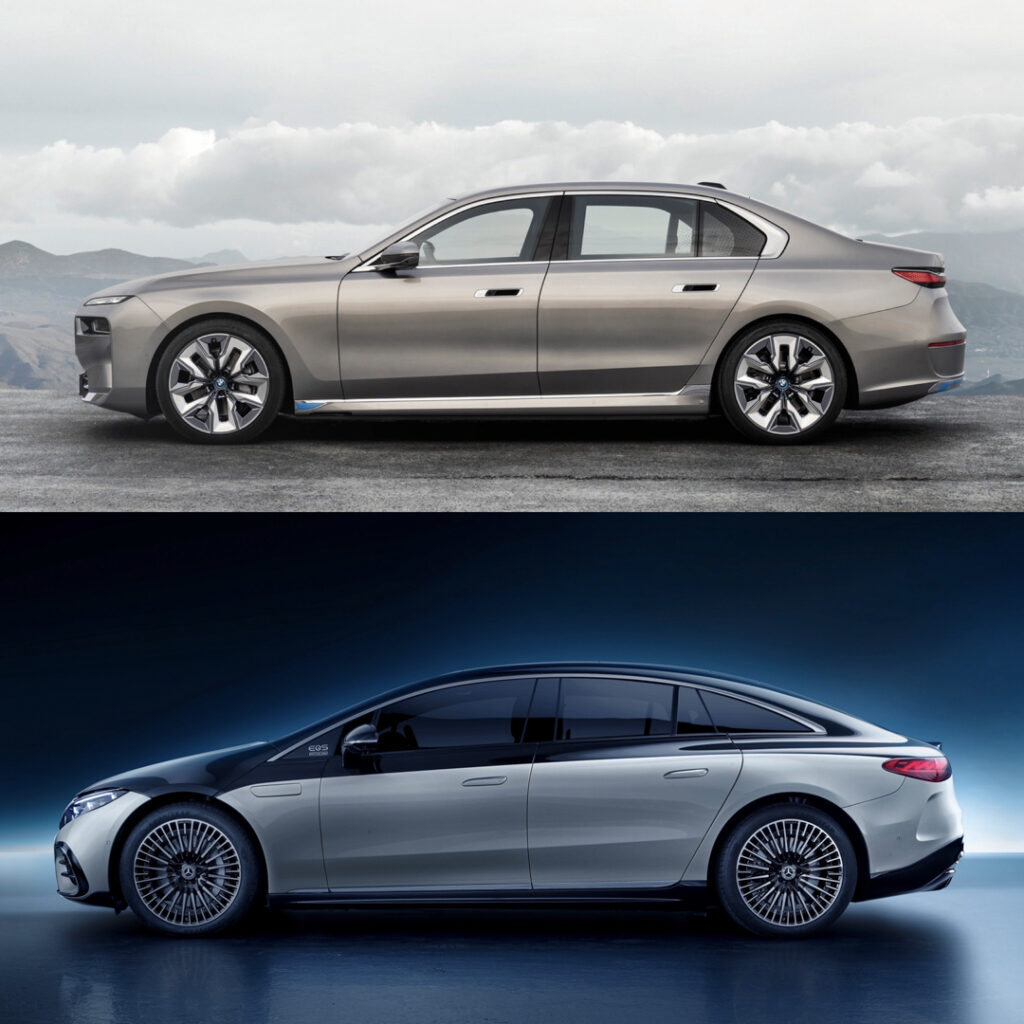
The electric flagship sedan has become a kind of automotive mirage—an object of desire that promises distance, silence, and effortless prestige. In 2026, the race tightens around three names that feel less like competitors and more like different philosophies of modern luxury: the Mercedes-Benz EQS, the BMW i7, and the Lucid Air. Each arrives with a tailored vision of what the future should feel like—whether that’s a floating lounge, a technocratic cockpit, or a razor-sharp aeronautical glide.
Picture a three-way chessboard made of glass and polished metal. The board is the road. The pieces are speed, range, interior atmosphere, and charging convenience. And the grandmaster move is simple: choosing the sedan that aligns with your definition of serenity. Let’s step closer, metaphor by metaphor, into the electric identities of these flagship sedans.
Electric Prestige as Architecture: How the EQS, i7, and Air Shape Space
The Mercedes-Benz EQS treats the interior like a sanctuary carved from light. It doesn’t just provide space—it choreographs it. The cabin feels expansive in a way that’s almost architectural, as if the designers were engineers of calm. Surfaces appear sculpted rather than assembled, and the overall impression is one of controlled opulence.

The BMW i7 approaches the cabin as a command center. It is less “spa” and more “studio,” where technology and driver intent take precedence. The presentation can feel meticulous, like a high-end instrument panel in motion—precision-forward, with a deliberate, almost ceremonial relationship between controls and road.
Meanwhile, the Lucid Air leans into a different kind of elegance: aerodynamic sophistication. The Air’s layout often reads like a plan drawn by a wind tunnel—efficient, composed, and quietly confident. Its sense of design is less about traditional luxury theater and more about engineering poetry, where every contour looks like it has a job.
Range & Efficiency: The Real Luxury of Not Thinking About Distance
Electric sedans live and die by a metric that doesn’t show up in glossy brochures: how easily you can forget the charging network. In 2026, the EQS, i7, and Lucid Air all aim to make range feel like a background process rather than a daily negotiation.
The EQS is designed around efficiency as a lifestyle. Its aerodynamic intent and energy management philosophy emphasize long-horizon cruising. When range is treated seriously, the driving experience becomes smoother, more relaxed. Short stops become less frequent, and longer drives start to feel like a single continuous scene.
The BMW i7 brings a comparable focus on capability, yet its efficiency story is often told through balance. It wants to deliver power and refinement without sacrificing the calm reliability you expect from an executive flagship. Think of it as a suit that stays tailored even while you move—composure under acceleration, discipline at steady speed.
The Lucid Air often stands out for its efficiency per mile, a trait that can feel like a superpower. In practical terms, it can turn a planned trip into a more spontaneous one. The Air’s character suggests effortless momentum: you accelerate, but you don’t feel the car “working” to do it.
Power Delivery & Driving Character: Three Ways to Feel Fast
Speed is never just speed. It’s texture. It’s timing. It’s the psychological effect of how the vehicle responds.
The EQS tends to deliver a smooth, hushed authority. Acceleration can feel like a gentle crescendo—strong, but never frantic. The ride quality aims to dampen drama, filtering the world into something softer. It’s the sensation of traveling through a well-lit dream.
The BMW i7 often provides a more driver-involved dynamism. Even when comfort is the priority, the car can feel eager to engage. Steering feel, stability calibration, and throttle response contribute to a more immediate sense of connection. This is luxury with an edge—elegance that refuses to be passive.
The Lucid Air offers a distinctive blend: precision and purpose wrapped in a calm demeanor. Its performance identity can feel like a controlled rush, where traction and power are presented as a coherent command. The result is a driving personality that feels both modern and composed—like a jetliner that somehow learned how to be intimate.
Charging Reality: Convenience as a Daily Metric
Range is the promise; charging is the proof. For an electric flagship, the charging experience becomes part of the ownership ritual.
The EQS emphasizes ease-of-use and seamless integration. The navigation and charging planning typically feel designed to reduce cognitive load. When the car “thinks ahead” properly, you spend less time debating routes and more time enjoying the drive.
The i7 leans into a similarly polished approach, supported by a driver-centric interface. It often feels like the car is trying to anticipate your needs—planning, informing, and coordinating so that charging becomes a brief pause rather than a stressful interruption.
The Lucid Air’s charging experience often highlights rapid energy replenishment and efficiency synergy. When a vehicle can cover distance efficiently and recover energy quickly, the ownership experience can feel frictionless. Charging stops start to resemble scheduled refueling breaks on a traditional road trip—just with a futuristic backbone.
Infotainment & Cabin Atmosphere: Technology as Mood
Flagship sedans aren’t only about performance. They’re about atmosphere—how the cabin turns a drive into a mood.
The EQS excels as a mood conductor. The ambient lighting, large displays, and intuitive interface can create an atmosphere that feels tranquil, almost theater-like without being loud. It’s an environment that invites conversation, reflection, or quiet. Even the simplest drive can feel curated.
The BMW i7 often feels more structured, with technology integrated in a way that supports swift decision-making. It can feel like an executive workspace that happens to glide silently. The menus and controls—when properly configured—encourage confidence rather than distraction.
The Lucid Air can feel like a minimalist cockpit with high-tech clarity. Its interface philosophy often aims to keep the driver informed without overwhelming them. That balance matters. In an electric flagship, the best technology is the kind you notice only when it’s doing its job.
Comfort, Ride Quality & Noise Control: Silence as a Premium Material
Luxury is often misread as softness alone. True luxury includes how sound behaves, how vibration is managed, and how the cabin shields you from the world’s rough edges.
The EQS is tuned for serene isolation. Road noise, wind disturbance, and cabin refinement are treated like guest comfort. The sedan becomes a moving room—less “car” and more “private lounge.”
The i7 balances comfort with composure. Its ability to smooth harshness while maintaining a sense of control creates a ride that feels both reassuring and capable. The cabin atmosphere tends to feel deliberate—like the car is actively protecting your focus.
The Lucid Air aims for a refined, quiet experience that complements its aerodynamic identity. When an electric sedan is efficient and aerodynamically minded, the cabin often benefits from less turbulence and a calmer auditory landscape. It’s a kind of silence with an engine behind it, where you can feel performance even when you don’t hear it.
Design Language & Symbolism: What Each Sedan Says Without Speaking
Every flagship carries a silhouette that functions like body language.
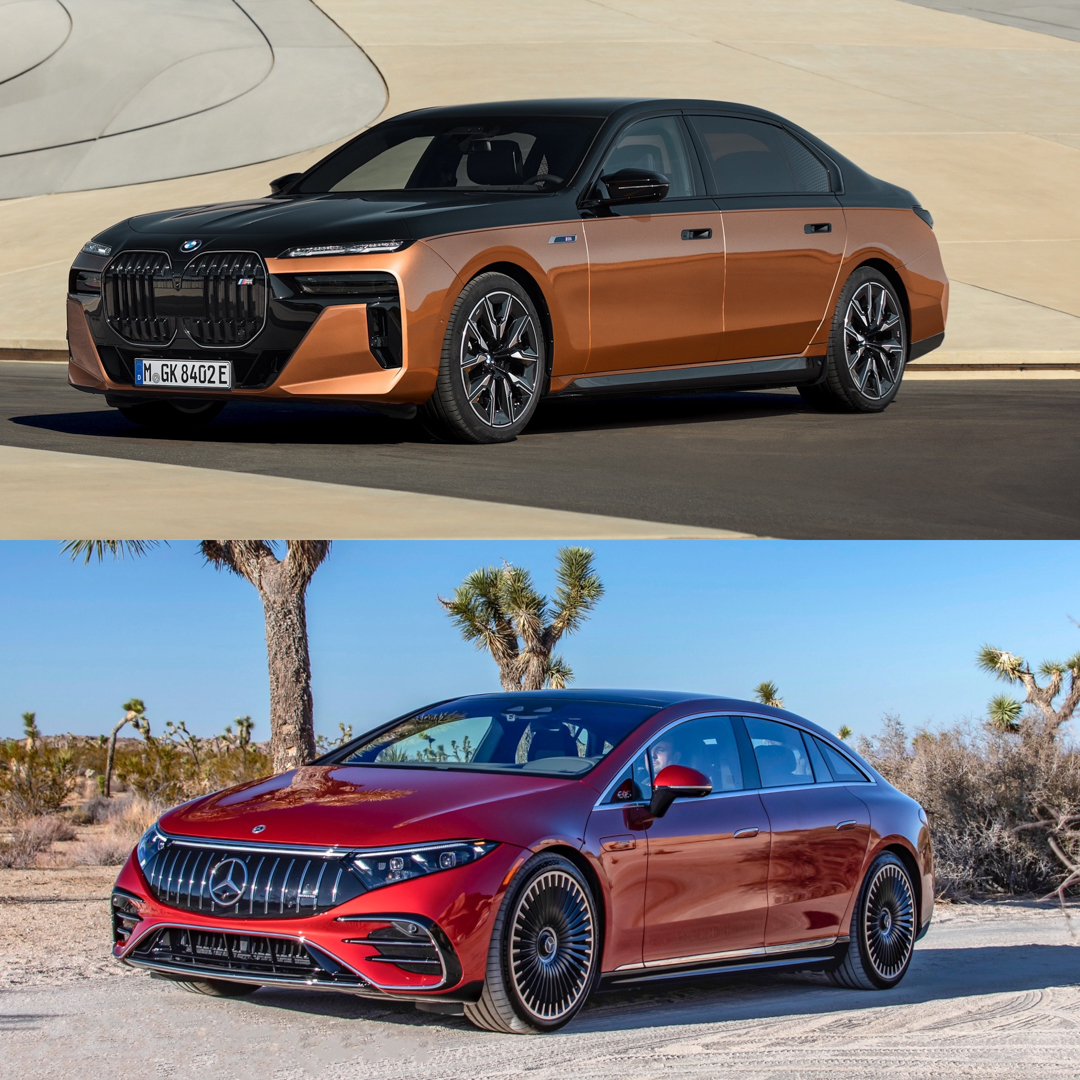
The EQS speaks in curves and composure. It suggests an elegance built for long horizons—an image of modern luxury that feels almost weightless. It’s the sedan version of a soft-spoken authority.
The BMW i7 is more assertive, a design statement with a hint of orchestration. It feels like the flagship of a brand that believes the driver should remain central. Its presence can read as confident rather than merely graceful.
The Lucid Air often feels futuristic in a more aerodynamic, less ornamental way. It carries a streamlined identity that implies engineering first, then luxury. It’s a reminder that the future doesn’t need to shout to be impressive.
Who Should Choose Which? The Metaphor of Personal Preference
Choosing between these sedans is choosing between emotional priorities.
Choose the Mercedes-Benz EQS if you want a cabin that feels like a calm sanctuary and range efficiency that supports an unhurried lifestyle. It’s ideal for those who value atmosphere as much as acceleration.
Choose the BMW i7 if you want executive comfort with a sense of driver connection—luxury that feels active, not merely cushioned. It suits people who enjoy refinement with a coherent sense of control.
Choose the Lucid Air if you’re drawn to efficiency that feels like effortless motion, plus a design philosophy rooted in aerodynamics and precision. It fits buyers who want performance and sophistication without excess.
Conclusion: The Electric Flagship as a New Kind of Confidence
In 2026, the EQS, i7, and Lucid Air aren’t just competing on specs; they’re competing on meaning. The EQS offers serenity as a craft. The i7 offers command with elegance. The Lucid Air offers efficiency that feels like a silent advantage. Each is a flagship in a different dialect of luxury.
The final decision becomes less about which one is “best” and more about which one feels like it was built for your life. When an electric sedan matches your expectations—range without anxiety, comfort without compromise, and technology without friction—you don’t just drive. You glide through the future with a new, confident quiet.