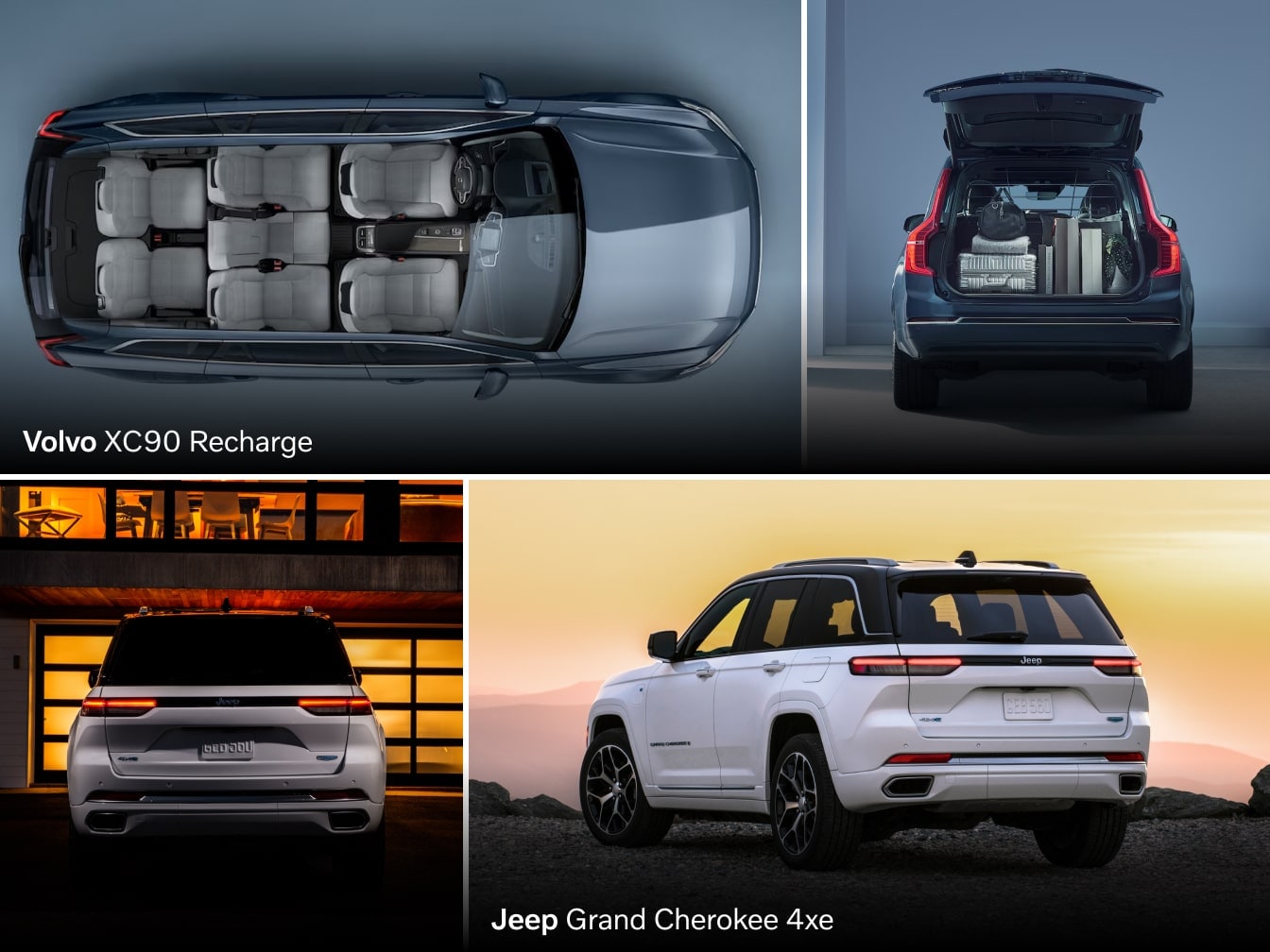
Some vehicles announce themselves with volume. Others do it with posture—how they settle at the curb, how the cabin hushes the world, how the driver’s gaze is guided by a dashboard that feels composed rather than cluttered. In 2025, the Jeep Grand Cherokee 4xe and the Volvo XC60 Recharge (often discussed alongside its larger XC90 sibling) move in that quieter direction, but for different reasons. One insists on versatility that can roam off the map. The other leans into Scandinavian calm, treating electrification as an architectural principle rather than a marketing checkbox.
Between these two luxury PHEV SUVs, the question isn’t simply which is “better.” It’s whether you want a shift in perspective—from conventional SUV thinking to an experience where every drive becomes a choice: power modes, atmosphere, intention. And that’s where curiosity begins.
Two luxury philosophies: adventure theater vs. Scandinavian serenity
The Grand Cherokee 4xe carries the weight of heritage, but it doesn’t wear nostalgia like a costume. It uses ambition as a design language: bold stance, confident surfaces, and a sense that it could turn a commute into an expedition with minimal effort. Even when the route stays urban, the SUV’s character suggests readiness—like a well-tailored jacket kept by the door.
Volvo’s approach to the XC60 Recharge is closer to a slow exhale. The cabin feels curated, almost museum-like, with materials chosen for touch and durability. Everything appears to have a reason. Seats are positioned to invite you into the vehicle rather than merely transport you in it. If the Jeep feels like an instrument panel for decisive moments, the Volvo feels like a quiet conference room where safety, comfort, and efficiency can be discussed without raising voices.
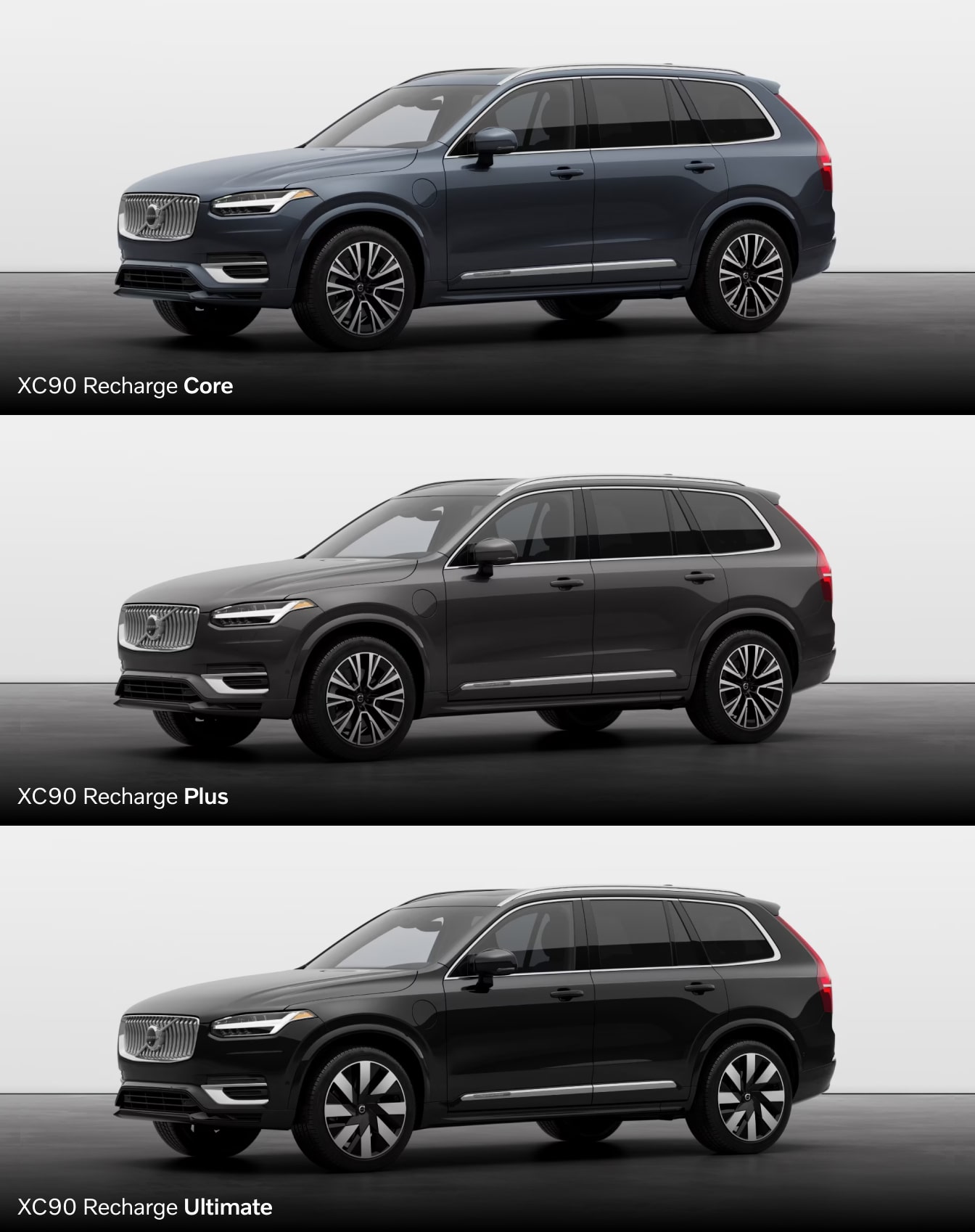
PHEV powertrains: how “plug-in” changes the mood of driving
Plug-in hybrid technology is often explained with numbers, but the real story lives in the sensation. A PHEV changes how you think about distance. Instead of treating the electric portion as a small bonus, it becomes an everyday rhythm—short trips powered by electric torque, longer journeys supported by the combustion engine, and the constant reassurance that you’re not locked into one personality.
The Grand Cherokee 4xe’s identity leans toward responsive movement. Electric drive can deliver quick takeoffs from stops, while the gasoline power contributes for sustained acceleration and higher-speed confidence. The combined system also matters for real-world variability—traffic merging, road grades, and the subtle unpredictability of a day.
The XC60 Recharge’s personality is typically more fluid, with the powertrain tuned to preserve composure. Electric propulsion tends to feel smooth and immediate in the moments that matter most—departing from a light, easing through city congestion, or slipping onto a boulevard. When the combustion portion joins, it does so with a sense of continuity rather than abruptness, like a scene transition that stays seamless.
Luxury interiors: craftsmanship you can feel, interfaces you can understand
Luxury isn’t only what you see. It’s what you sense with your fingertips and how quickly your brain learns the controls. The Grand Cherokee 4xe aims for a premium cabin that still belongs to an outdoors-minded SUV. Depending on configuration, you may find a blend of modern infotainment with durable, confidence-inspiring surfaces.
Volvo’s interior approach is more “hands-first.” Controls are intuitively placed. The driver’s display experience feels deliberate, and the overall design encourages calm scanning rather than hurried button hunting. Volvo is particularly strong at creating an atmosphere of safety and intentionality. Even long drives can feel less fatiguing—less because of magic, more because the cabin seems to reduce decision fatigue.
Consider your daily routine. If your days include frequent repositioning, hauling gear, or navigating challenging conditions, the Jeep’s ergonomics can feel like a reliable toolkit. If your days favor long commutes, thoughtful drives, or routes chosen for scenery, the Volvo’s quiet refinement can become addictive.
Ride quality and handling: negotiating comfort without surrendering control
Ride quality is the silent treaty between suspension and expectation. Both of these PHEVs aim to balance comfort with stability, but they tend to interpret the task differently. The Grand Cherokee 4xe often emphasizes composure at speed and confidence through rougher surfaces, reflecting the SUV’s broader mission. Even when roads degrade, it aims to keep the cabin settled—less jitter, more continuity.
The XC60 Recharge typically prioritizes a cocooned smoothness. The suspension tuning often feels like it’s designed to soften the edges of commuting and turn ordinary roads into pleasantly dampened experiences. Its handling character tends to communicate predictability. That predictability is not boring; it’s reassuring. It makes the drive feel like a conversation where both parties know the next sentence.
Charging and everyday practicality: your routine becomes the strategy
For PHEV owners, charging is a lifestyle variable. How often you plug in determines how often you drive on electric power. If you have access to home charging, you can treat electric driving as the default mood of the vehicle—especially for errands, school runs, and short evening routes.
The Grand Cherokee 4xe and XC60 Recharge both integrate charging into their identity, but the difference is in the vibe of ownership. Jeep’s philosophy can feel like “go farther whenever you want.” Volvo’s philosophy reads more like “use electricity whenever it suits your day.” Neither is better by default. The best choice is the one that aligns with the rhythm of your life.
Ask yourself a question: do you want charging to be a simple habit, or a meaningful ritual? The answer can steer the decision more than any single spec.
Technology and driver assistance: intelligence that should feel invisible
Modern luxury SUVs frequently overload drivers with menus. The most effective systems instead aim to reduce workload. Both the Grand Cherokee 4xe and XC60 Recharge focus on driver assistance and connectivity, but they’re shaped by different user experiences.
In the Jeep, technology often supports a more varied use case: navigation, vehicle status, and performance-related settings that help you adapt quickly. It can feel like a control room for road conditions.
Volvo’s systems typically emphasize safety-first interactions—features designed to support attention, reduce stress, and keep confidence high during routine driving. The goal is to make assistance feel like background support rather than an attention-grabbing distraction.
If you prefer technology that empowers proactive decision-making, Jeep’s approach may feel energizing. If you prefer technology that quietly reduces risk and encourages calm focus, Volvo’s approach will likely resonate.
Design details that signal intent: from stance to light signature
Beyond major styling, small decisions matter. The Jeep’s exterior often signals rugged capability with an assertive front end, distinct lighting, and an overall body language that implies it’s comfortable being taken seriously—whether that means on highways, in parking lots, or on routes that aren’t always perfectly paved.
Volvo’s exterior frequently leans into a refined, minimalist aesthetic. Lines are cleaner. Proportions are balanced. The lighting signature is designed to look tasteful even when it’s quiet—daytime running lights that don’t scream, headlights that feel purposeful.

Which one fits you? A curiosity-driven decision framework
Choosing between the 2025 Jeep Grand Cherokee 4xe and the Volvo XC60 Recharge is less about declaring a winner and more about matching a temperament. If you want a luxury PHEV that feels ready for adventure—even when your adventure is simply discovering a new route for dinner—the Grand Cherokee 4xe may align with your instincts. It invites you to move with agency.
If you want luxury that feels serene, with a driving experience designed to reduce stress and elevate everyday comfort, the XC60 Recharge can feel like a refined solution to modern driving. It encourages a slower, more mindful cadence.
And then there’s the electric factor: if your lifestyle benefits from frequent charging and electric-first commutes, both vehicles can become compelling companions. The difference will show up in the tone of the cabin, the rhythm of power delivery, and how each SUV translates “luxury” into daily experience.
Final thoughts: the real upgrade is your perspective
Luxury PHEVs aren’t just about improved efficiency. They’re about changing what you expect from an SUV. In the space between electric calm and confident power, the Jeep Grand Cherokee 4xe and Volvo XC60 Recharge each offer a distinct kind of reassurance.
The Jeep’s reassurance says: take the road that feels bold, and the SUV will meet you there. The Volvo’s reassurance says: take the road that feels quiet, and the cabin will hold you safely inside it. Either way, the shift is the same. Your drive becomes more intentional, your decisions more deliberate, and your relationship with the vehicle more personal.
When the right PHEV matches your life, you stop asking, “Which one is better?” You start asking, “How soon can I drive it again?”