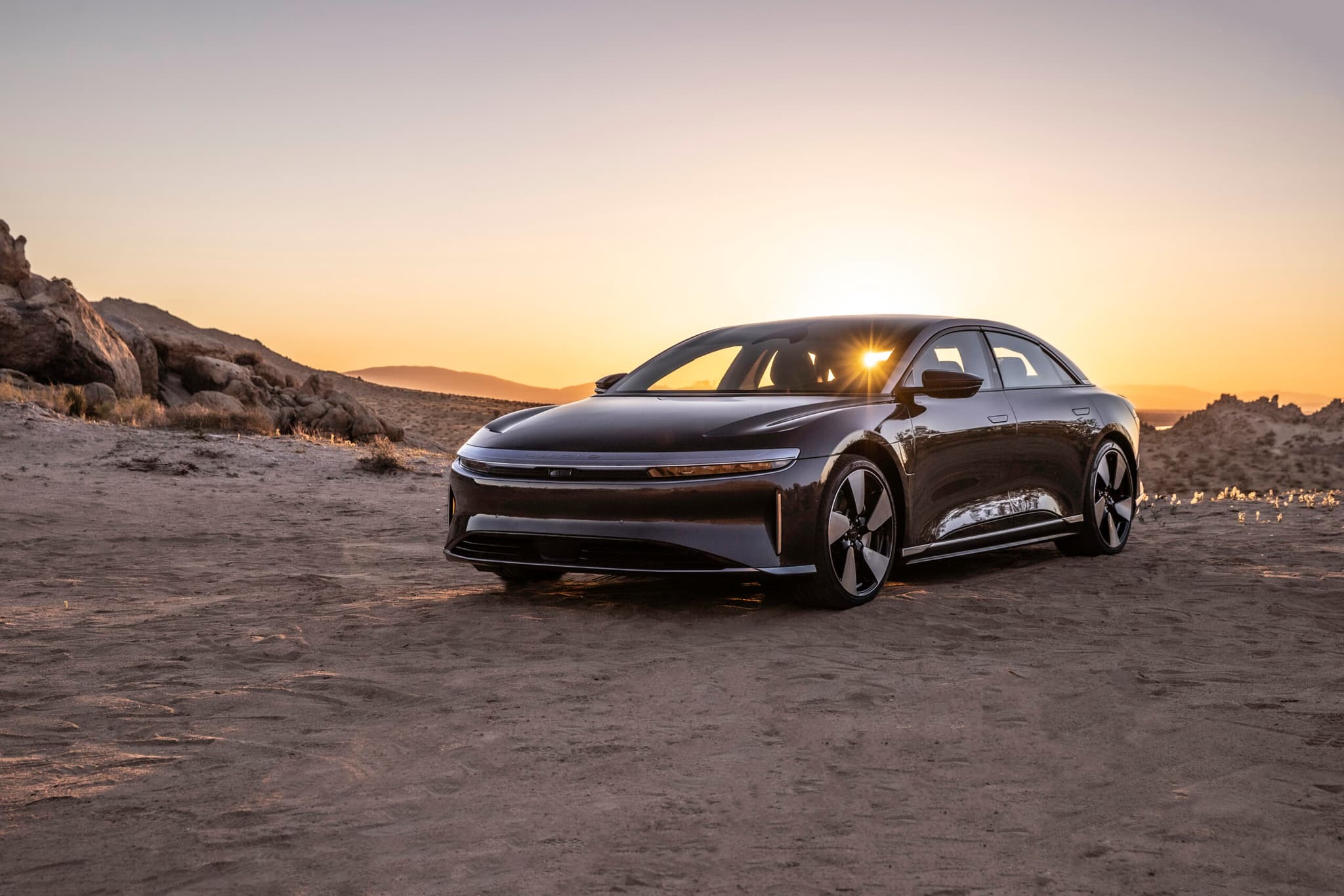
Morning commuters rarely crave novelty—they crave momentum. A 2025 electric sedan is supposed to deliver that quiet, door-to-door continuity: predictable acceleration at stoplights, fewer trips to the pump, and a cabin that feels composed even when traffic is not. Yet “best” depends on how your day is stitched together: distance, weather, charging availability, and how long you’re willing to wait for convenience.
This guide highlights standout 2025 electric sedans tailored for commuting. Expect a sweep of categories—efficient city cruisers, long-range road warriors, comfort-first commuters, and value-leaning options. Along the way, you’ll find practical evaluation points so the selection isn’t a leap of faith, but a measured choice.

Start With the Real Commuter Math: Range, Speed, and Regeneration
Commuter confidence begins with range, but not the way brochures suggest. The usable number is shaped by your average speed profile—stop-and-go snarls and highway surges both consume energy differently. City commuting tends to benefit from regenerative braking, which converts deceleration into a partial charge. Highway driving, however, relies more heavily on consistent power draw, making aerodynamic efficiency and battery management crucial.
Look for sedans that offer robust regenerative braking modes and predictable behavior when you lift off the accelerator. Some cars feel “one-pedal” intuitive; others require a learning curve. For commuting, intuitive regeneration can turn brake pedals into seldom-used accessories—an ergonomic and financial win.
Consider temperature as the quiet saboteur. Cold weather reduces battery output and heating efficiency. If your commute runs through winter mornings, prioritize a sedan with effective cabin heat management and strong thermal control systems.
Charging Reality: Home Setup, Public Networks, and Travel Contingencies
A commuter’s charging plan should be as deliberate as a calendar. If home charging is possible, Level 2 charging can reshape ownership—overnight top-ups, routine scheduling, and far less reliance on public stations. The best commuter EVs pair well with home charging hardware by optimizing charging curves and supporting schedules that align with off-peak electricity rates.
When public charging enters the equation, pay attention to charging curves rather than headline numbers. A sedan that charges quickly from a low state of charge is helpful, but commuting patterns often involve “partial” top-ups—arriving at 40% and leaving at 80%. The ideal car maintains faster charging through those mid-range percentages.
Another subtle factor: how the infotainment system routes charging. A navigation experience that is willing to reroute in real time—based on energy estimates, traffic, and station availability—reduces anxiety. For commuting, the most valuable technology is the kind that never needs to be thought about.
Comfort for the Daily Grind: Cabin Quiet, Seating, and HVAC Intelligence
Commuters spend more hours than they think in micro-decisions: seat position, steering feel, and whether the air conditioning fights the weather or cooperates with it. A strong 2025 electric sedan should deliver low cabin noise at speed. While EVs are inherently smooth, tire choice and road vibration control still matter. The best commuters feel insulated from the rough edges of urban life.
Seating ergonomics also deserve attention. Long commutes punish misaligned lumbar support and flat seat cushions. Look for adjustable features that don’t require a mechanical epiphany—simple, repeatable adjustments are part of real-world comfort.
HVAC intelligence is an overlooked differentiator. Effective heat pumps can improve efficiency in moderate cold conditions, while smarter climate scheduling can reduce energy waste. In everyday terms: the car warms up when you need it, not when the battery is already stressed.
City Commuter Profiles: Compact Dimensions With Big-Day Practicality
Some commutes are short, dense, and full of unpredictable turns. For those days, a city-leaning electric sedan should excel at maneuverability, visibility, and parking convenience. A slightly smaller footprint helps with tight driveways and crowded garages, while a crisp turn-in feel makes sudden lane changes feel less like a gamble.
Efficiency in city cycles is often the strongest selling point. Regeneration, reduced engine noise, and smooth torque delivery can make stoplights feel like gentle punctuation rather than interruptions. If your commute includes frequent traffic signals, prioritize EVs with stable, controllable regen and predictable throttle mapping at low speeds.
Also consider driver-assistance suitability for urban navigation—adaptive cruise that handles gradual traffic flow, lane centering that doesn’t overcorrect, and sensors that remain dependable when rain blurs the road.
Highway Commuter Profiles: Aerodynamics, Stability, and Energy Discipline
Highway commuters face a different challenge: sustained power draw. Wind resistance grows more influential as speed rises, making aerodynamic design—smooth underbodies, optimized grilles, and low-drag shapes—more than cosmetics. The best sedans for highway commuting maintain stability and reduce energy leakage at speed.
Look for strong driver confidence features: well-calibrated adaptive cruise control, steady lane centering, and a suspension tuned to manage crosswinds without feeling twitchy. A sedan that feels composed at 70–80 mph turns long stretches into tolerable routines rather than endurance tests.
Energy discipline matters too. Some EVs manage consumption better through tire selection, traction control behavior, and battery thermal strategy during prolonged cruising. That translates into fewer “range anxiety” check-ins and more reliable arrival estimates.
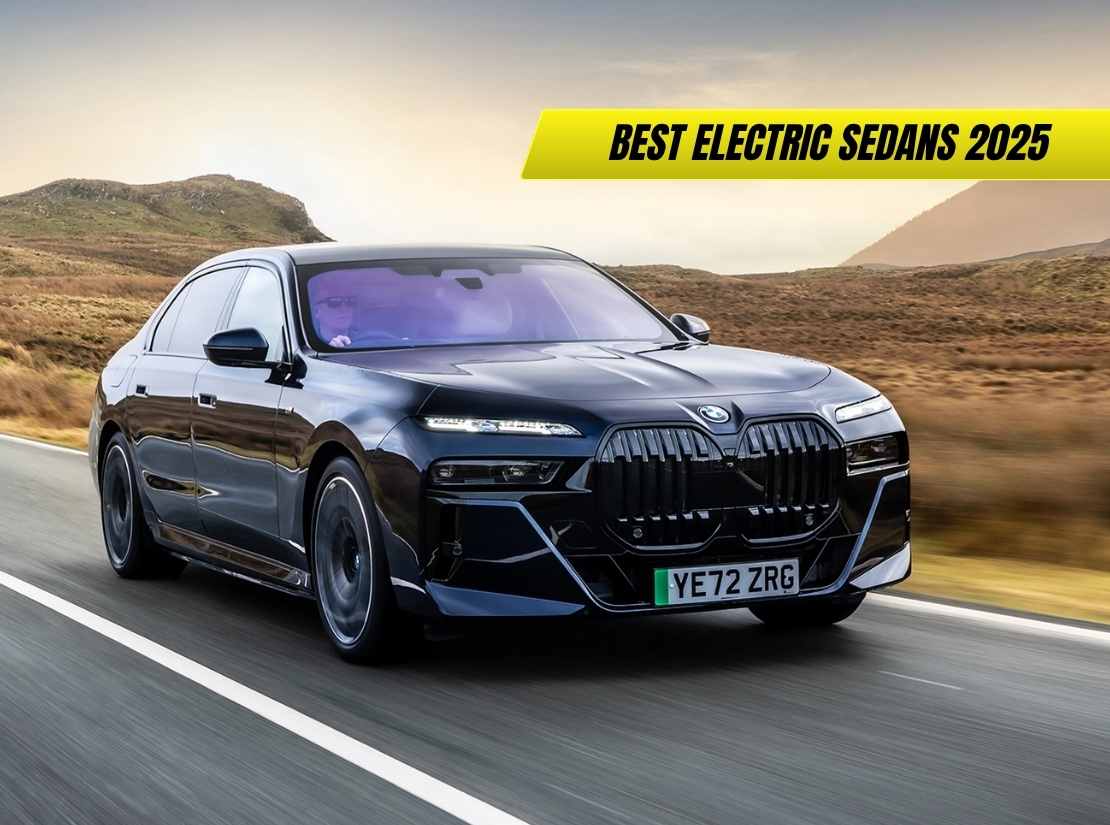
Family and Co-Driver Readiness: Rear Space, Cargo, and Convenience Systems
Not every commute is a solo sprint. Family schedules turn the sedan into a daily transporter: backpacks, grocery bags, sports gear, and the inevitable detour to pick someone up. The commuting “best” list should therefore include rear-seat practicality—legroom, headroom, and access to features like rear vents or USB charging.
Cargo matters, even for sedans. A commuter with a trunk that swallows everyday items without awkward angles can reduce friction. Consider whether seats fold neatly, how wide the opening feels, and whether the trunk release is quick enough for routine use.
Convenience systems are worth evaluating: keyless entry responsiveness, smartphone integration reliability, and how quickly the car wakes up. Small delays become big irritations across months of repetition.
Safety and Driver Assistance: The Quiet Benefit of Consistency
Commuting is as much about reducing cognitive load as it is about speed. Modern driver assistance can lower fatigue—if it’s dependable. The best 2025 electric sedans tend to offer a coherent suite of features: collision warning, automatic emergency braking, blind-spot monitoring, and lane support systems that behave predictably in both bright and dim conditions.
When you evaluate these features, focus on “calibration feel.” Does the system disengage abruptly? Does it hesitate during lane transitions? Are warnings clear and timely? The optimal setup doesn’t distract; it supports.
Also consider how the car handles bad weather. Rain and glare can trick cameras and sensors. A commuting-friendly sedan keeps assistance stable rather than oscillating between confidence and false alarms.
Cost of Ownership: Insurance, Tires, Maintenance, and the Electricity Reality
Electric ownership can be financially elegant, but it’s not magic. Insurance may vary widely depending on trim level and local risk. Tires can be a larger expense than expected; EV torque and vehicle weight can increase wear, particularly if you drive aggressively or frequently handle rough road surfaces.
Maintenance typically shifts away from oil changes and toward routine inspections, brake system checks, and tire rotations. Regenerative braking can reduce brake wear, yet brakes still require periodic attention—especially if you rarely drive in conditions that allow full brake drying.
Electricity cost matters too. The “per-mile” figure depends on your local rates, your charging efficiency, and how often you charge from public stations. The best commuter EVs tend to have efficient drivetrains and thermal management, which preserve range and reduce energy expenditure.
How to Choose Your Best Commuter Sedan in 15 Minutes
Make the decision methodical. First, list your typical commute distance and your weekly total mileage. Then estimate your range needs in worst-case conditions—winter mornings and colder routes. Next, confirm whether home charging is feasible and whether your electrical setup can support Level 2 charging comfortably.
After that, test-drive for behavior, not just feel. Pay attention to low-speed throttle response, regen modulation, cabin quietness, and seat comfort. Try the driver-assistance features in a safe environment and see whether they reduce workload or create extra monitoring.
Finally, evaluate practicality: rear comfort, trunk usability, and the ease of integrating your phone and daily routines. The best commuting sedan is the one that disappears into the background of your day—reliable, efficient, and quietly confident.
Conclusion: The Commuter EV That Makes Every Arrival Feel Easy
The best 2025 electric sedans for commuters are not simply the ones with the largest range. They are the ones that align with your driving rhythms—how you stop, accelerate, and cool down after a long day. When range is backed by efficient charging, comfort is supported by intelligent climate control, and safety systems stay consistent under pressure, the commute transforms from a drain into a manageable sequence of moments.
Choose a sedan that fits your real life, then let the benefits compound: fewer interruptions, calmer driving, and the satisfaction of arriving with more energy than you started with.