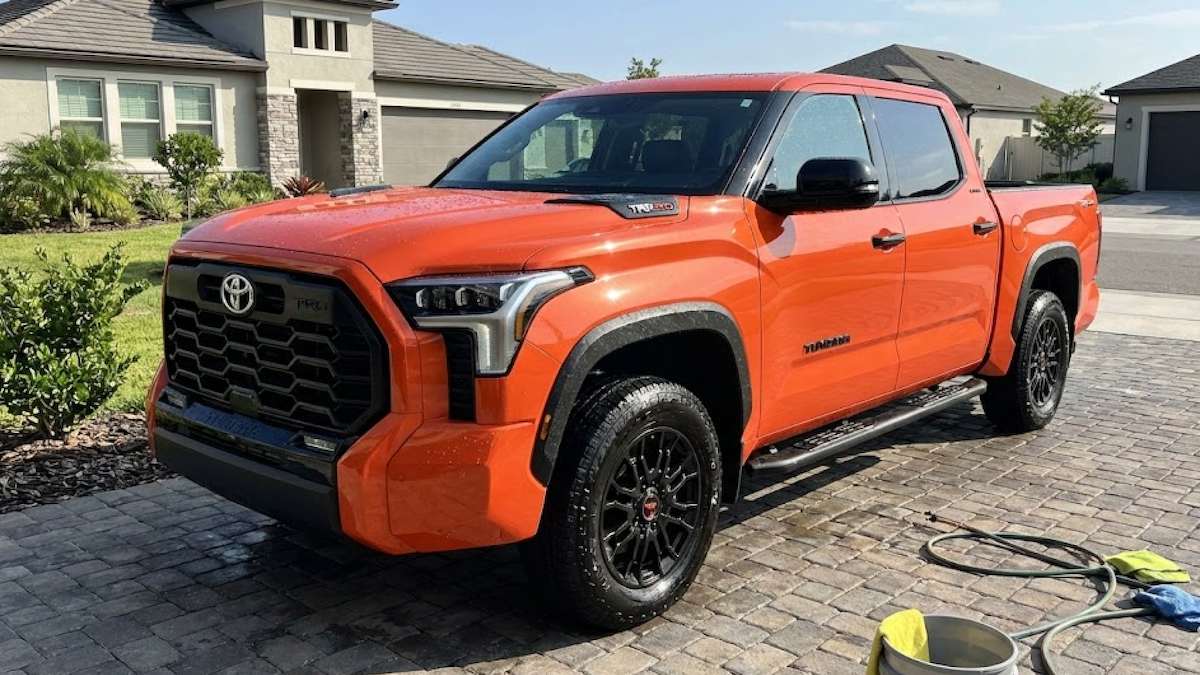
The Toyota Tundra has long stood as a paragon of rugged reliability and utility in the full-size pickup truck segment. Known for its powerful performance and enduring build quality, the Tundra often garners admiration from truck enthusiasts and everyday drivers alike. Yet, amid its brawny demeanor, one aspect consistently sparks curiosity and spirited debate: real-world fuel efficiency. Specifically, how does the Toyota Tundra’s on-the-road miles per gallon (MPG) stack up against the oft-quoted EPA estimates? The answer, wrapped in layers of driving conditions, technological advancements, and owner experiences, unveils a fascinating narrative about expectations versus reality in modern pickups.
Unraveling the EPA Estimates: What Do They Really Represent?
Every vehicle’s EPA-rated MPG figure serves as a standardized benchmark—an attempt to predict fuel economy under controlled testing environments. These numbers provide consumers with a comparative tool, yet they are not gospel truths. Often, these estimates are derived using laboratory conditions that cannot fully replicate the chaotic, multifaceted nature of daily driving. The Toyota Tundra, with its substantial curb weight and engine configurations, faces unique challenges in meeting or exceeding these figures outside test cycles.

Variations in terrain, traffic, ambient temperature, and driving style can all push the needle of mileage one way or another. It’s no surprise that some owners report fuel economy results that diverge significantly from the EPA’s numbers—both positively and negatively. What’s compelling is that a subset of Tundra drivers assert they notch better-than-expected efficiency, prompting a deeper dive into the underlying reasons.
The Real-World Driving Experience: Diverse Terrain and Driving Habits
The Tundra lives in a diverse ecosystem of usage scenarios, from urban stop-and-go traffic to open highways and rugged off-road trails. Each setting imposes its own demands on fuel consumption. Urban scenarios, with frequent acceleration and idling, generally suppress MPG numbers, while steady highway cruising tends to improve them. Yet some drivers, through meticulous driving habits—like smooth acceleration, coasting at optimal speeds, and minimizing idling—manage to coax more efficiency out of the beast.
Moreover, advancements in powertrain technology, such as the introduction of hybrid variants in the latest Tundra models, have begun to tilt the scales in favor of better fuel economy. Hybrid systems intelligently balance power and efficiency, particularly in stop-and-go traffic, further complicating the relationship between EPA estimates and actual consumption.
Technological Evolution: How Engineering Shapes Efficiency
The 2026 Toyota Tundra, for example, showcases transformative engineering feats designed to optimize economy without sacrificing power. Featuring a hybridized twin-turbo V6 engine, this iteration melds muscle with prudence, aiming to mitigate the historical fuel appetite typical of full-size pickups. Fuel-saving features like regenerative braking, variable valve timing, and advanced transmission systems contribute to a more refined, efficient driving experience than predecessors.
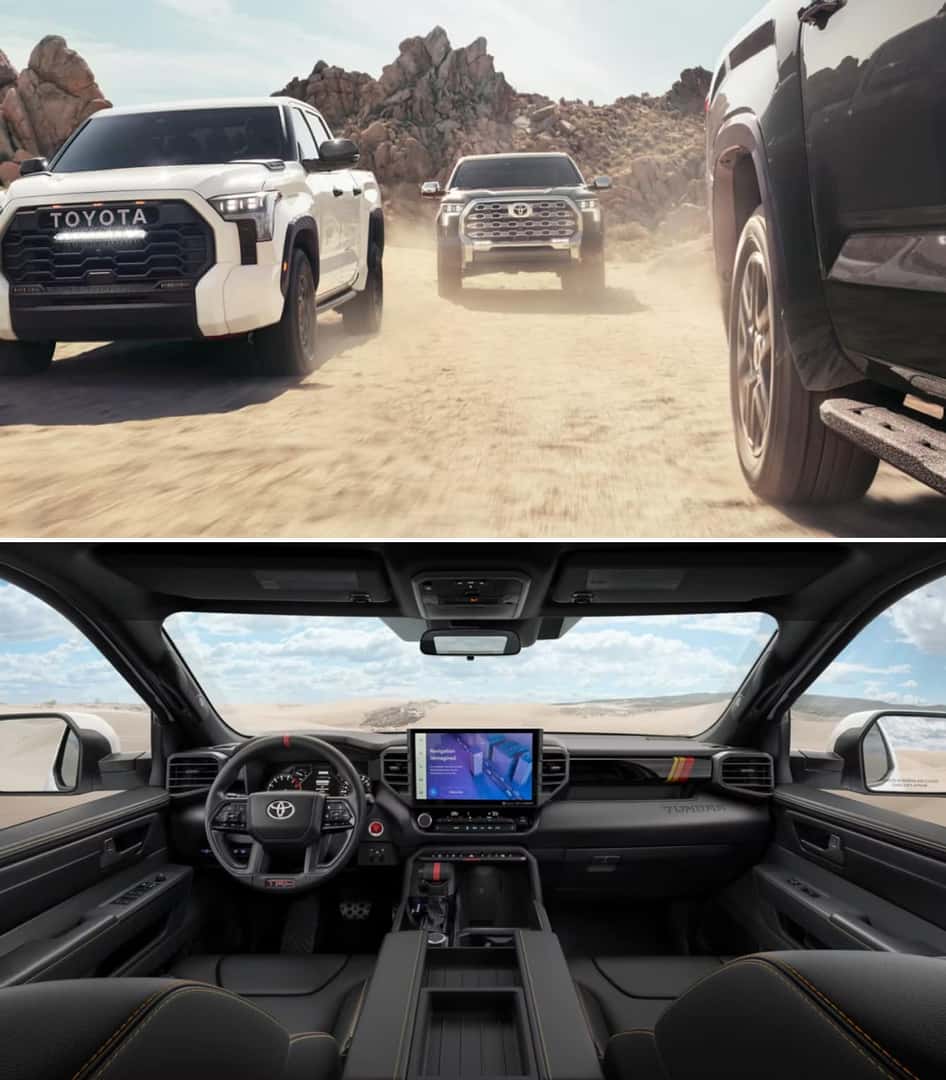
It’s noteworthy how these efficiency-oriented technologies create a new calculus for fuel performance. Rather than a static value, real-world MPG becomes a dynamic interplay of mechanical ingenuity and driving context. This is where the fascination deepens: the Tundra is simultaneously a brute force machine and a subtle, tech-savvy cruiser adapting to the demands of the environment.
Owner Reports and Community Insights: The Tale From the Driver’s Seat
Online forums and owner testimonials paint a textured picture of fuel economy variability. Some drivers lament disappointing MPG that falls short of EPA figures, citing heavy payloads, towing duties, or aggressive driving as contributing factors. Others celebrate an MPG that surpasses expectations, attributing success to disciplined throttle control, proper maintenance, and route planning.
This spectrum of experiences highlights that real-world fuel economy often transcends factory numbers. It also emphasizes the profound impact of human factors—how intention and technique play pivotal roles in energy consumption. Such insights foster a communal sense of discovery and innovation among Tundra owners, continually challenging the notion of what is truly achievable in fuel efficiency.
The Psychological Fascination: Why MPG Matters More Than Ever
The intrigue surrounding the Toyota Tundra’s real-world fuel economy extends beyond mere numbers. It taps into broader cultural and economic undercurrents—rising fuel prices, environmental awareness, and the evolving identity of pickup trucks in a changing automotive landscape. For owners, achieving better MPG than the EPA’s projections isn’t just a practical benefit; it’s a badge of honor and a marker of savvy stewardship.
Furthermore, the pursuit of fuel efficiency in a segment traditionally celebrated for raw power highlights a paradigm shift. The Tundra’s story, layered in complexities of technology, environment, and human agency, symbolizes this transition. It embodies how full-size trucks are redefining themselves as both performance vehicles and conscientious companions.
Conclusion: The Dynamic Reality of Toyota Tundra’s MPG
Fuel economy in the Toyota Tundra, in the eyes of owners and experts alike, is far from a simple statistic. The dynamic between EPA estimates and everyday experience is shaped by a mosaic of engineering prowess, driving conditions, and individual behavior. Rather than merely accepting the quoted numbers, discerning drivers engage in a nuanced dialogue with their trucks—seeking efficiency improvements, celebrating victories, and adapting strategies.
In this ongoing narrative, the Toyota Tundra stands as an emblem of innovation and resilience. It invites drivers to challenge assumptions, harness technology, and embrace a broader appreciation for what real-world mileage truly signifies. The MPG story is not just a tale of fuel consumption—it’s a testament to the evolving spirit of the modern truck and the enduring bond between man and machine.