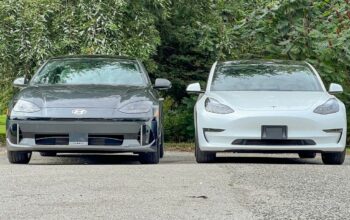
Picture this: you’re standing in a showroom, surrounded by three titans of the electric vehicle revolution—each one a masterclass in modern automotive engineering. The Tesla Model Y, sleek and futuristic, beckons with its minimalist design and an aura of Silicon Valley ingenuity. To its left, the Hyundai Ioniq 5 exudes retro-futurism, its angular lines and bold proportions turning heads like a concept car plucked from a sci-fi flick. And then there’s the Kia EV6, a dynamic wedge of innovation that seems to defy gravity with its aggressive stance and cutting-edge tech. But here’s the million-dollar question: which one of these electric juggernauts should you invite into your life? Let’s embark on a spirited showdown to uncover the strengths, quirks, and hidden charms of each contender.
The Tesla Model Y: The Silicon Valley Maverick
There’s no denying Tesla’s first-mover advantage in the EV space. The Model Y, a compact crossover built on the same platform as the Model 3, is a testament to Elon Musk’s vision of making electric cars not just viable, but desirable. Under the hood—or rather, beneath the floor—lies a battery pack that delivers a range of up to 330 miles on a full charge, putting it in the upper echelon of long-distance cruisers. But range is just the beginning. Tesla’s proprietary software and over-the-air updates ensure that the Model Y evolves with time, adding features like improved autopilot capabilities and entertainment options that keep it feeling fresh years after purchase.
The interior is a study in minimalism, with a 15-inch touchscreen dominating the dashboard and a yoke-style steering wheel that polarizes drivers. Love it or loathe it, the yoke is a conversation starter, and its absence of stalks for turn signals or gear selection speaks to Tesla’s commitment to rethinking the driving experience. Performance is brisk, with the Model Y accelerating from 0 to 60 mph in as little as 4.8 seconds in its Long Range guise, thanks to dual motors and all-wheel drive. Yet, it’s the intangibles—like access to Tesla’s Supercharger network, with its unparalleled reliability and speed—that truly set the Model Y apart. For those who crave a tech-forward, no-compromises EV, the Model Y remains a compelling choice.
The Hyundai Ioniq 5: A Time-Traveling Technoid
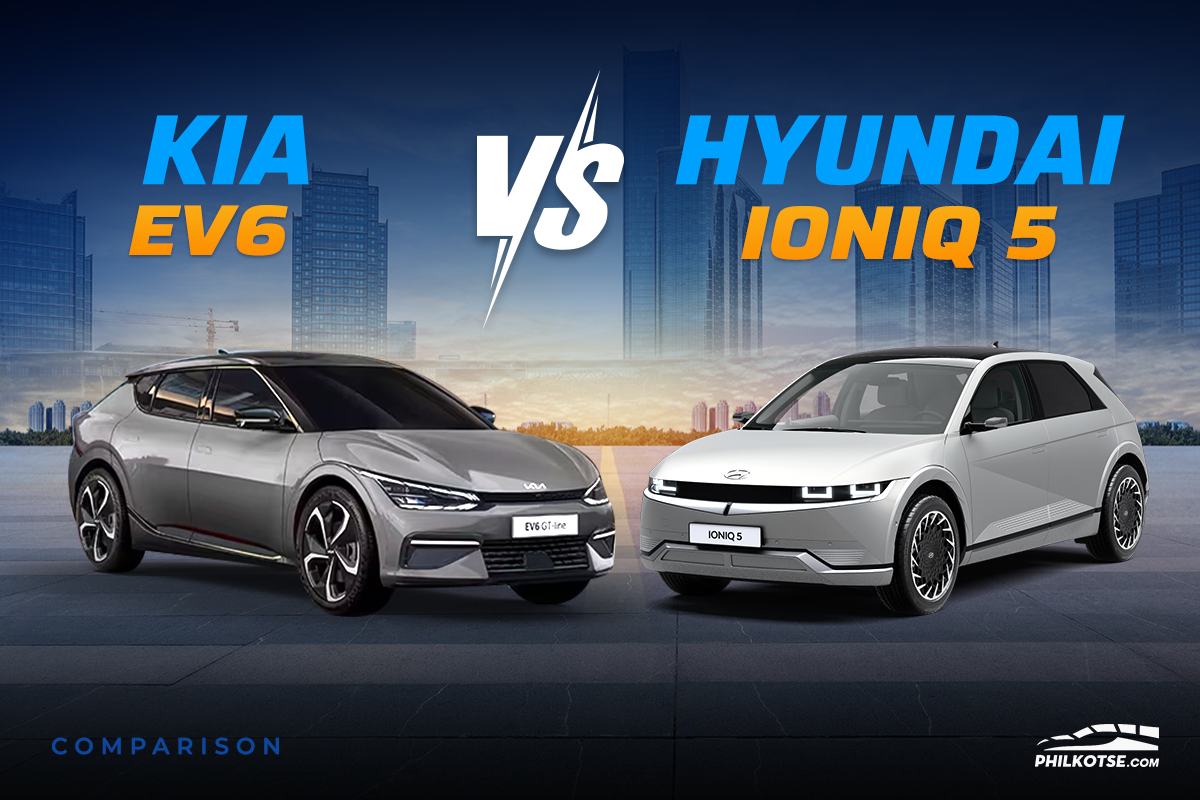
If the Model Y is the quintessential Silicon Valley disruptor, the Hyundai Ioniq 5 is the avant-garde artist, blending retro aesthetics with futuristic functionality. Designed around Hyundai’s Electric-Global Modular Platform (E-GMP), the Ioniq 5 is a rolling ode to the 1970s, with its boxy silhouette and clamshell doors that hark back to classic hatchbacks. But don’t let the vintage vibes fool you—this is a car built for the 21st century. The Ioniq 5 can sprint from 0 to 60 mph in just 5.2 seconds, thanks to its rear-wheel-drive configuration and a punchy 320-horsepower electric motor. Opt for the AWD version, and you’ll get a combined 320 horsepower, ensuring that this retro-styled EV doesn’t just look good—it drives with gusto.
What truly sets the Ioniq 5 apart, however, is its charging prowess. Thanks to an 800-volt architecture, the Ioniq 5 can add up to 68 miles of range in just five minutes when plugged into a 350 kW charger. That’s faster than most people can grab a coffee. The interior is a marvel of space efficiency, with movable seats that slide forward and backward to maximize comfort or cargo room. The dual 12.3-inch curved displays are a feast for the eyes, offering a customizable interface that blends infotainment with vehicle controls. And let’s not forget the Vehicle-to-Load (V2L) feature, which turns the Ioniq 5 into a mobile power bank—perfect for camping trips or powering tools on a job site. The Ioniq 5 isn’t just an EV; it’s a statement that electric cars can be both nostalgic and revolutionary.
The Kia EV6: The Agile Dynamo
Where the Ioniq 5 is a love letter to the past, the Kia EV6 is a manifesto for the future—a car that doesn’t just adapt to the times but actively shapes them. With its aggressive, almost predatory front fascia and a drag coefficient of just 0.27, the EV6 is a study in aerodynamic efficiency. It’s also the quickest of the trio, capable of hitting 60 mph in a blistering 3.5 seconds in its GT trim, thanks to a dual-motor setup that churns out 577 horsepower. But speed isn’t the EV6’s only trick. Its 800-volt platform, shared with the Ioniq 5, allows for lightning-fast charging, with the ability to replenish 80% of its battery in just 18 minutes on a 350 kW charger. That’s the kind of efficiency that turns a pit stop into a mere pause.
The EV6’s interior is a masterclass in minimalist luxury, with a dual-curved display that stretches across the dashboard, offering a seamless blend of infotainment and vehicle controls. The seats are wrapped in eco-friendly materials, and the cabin is awash in ambient lighting that can be customized to match your mood. But it’s the EV6’s handling that truly steals the show. The car’s low center of gravity, thanks to its battery placement, gives it a poised, planted feel on the road, while the torque vectoring ensures that power is distributed precisely where it’s needed. The EV6 isn’t just an EV; it’s a performance machine disguised as a family-friendly crossover.
Range, Charging, and the Great Battery Debate
When it comes to range, all three EVs are more than capable of handling daily commutes and weekend getaways without breaking a sweat. The Tesla Model Y leads the pack with up to 330 miles of range, followed closely by the Kia EV6 at 310 miles and the Hyundai Ioniq 5 at 303 miles. But range is only part of the equation. Charging infrastructure is where these EVs truly diverge. Tesla’s Supercharger network remains the gold standard, with over 45,000 global connectors and an average charging speed of 170 kW. The Hyundai Ioniq 5 and Kia EV6, while limited to 350 kW chargers, make up for it with their 800-volt architecture, which allows for faster top-ups. The choice here depends on your lifestyle: if you’re a road warrior who values ubiquity and reliability, Tesla’s network is hard to beat. If you’re chasing the fastest possible charging times, the Ioniq 5 and EV6 have the edge.
Tech, Comfort, and the Battle for Your Dashboard
The battle for tech supremacy is a close one, but each EV brings something unique to the table. Tesla’s software is unmatched in its intuitiveness and regular updates, while the Hyundai Ioniq 5 and Kia EV6 offer more traditional interfaces with customizable displays. The Ioniq 5’s sliding seats and V2L feature add a layer of practicality that’s hard to ignore, while the EV6’s GT trim delivers a level of performance that’s sure to thrill enthusiasts. Comfort is subjective, but the Ioniq 5’s spacious cabin and the EV6’s sporty yet comfortable ride make them standout choices for long drives.
Which One Should You Choose?
The Tesla Model Y is the safe bet for those who prioritize tech, range, and a well-established charging network. The Hyundai Ioniq 5 is the ideal pick for drivers who crave a blend of retro charm, practicality, and blistering charging speeds. And the Kia EV6? It’s the choice for those who want a car that’s as thrilling to drive as it is efficient. Ultimately, the best EV is the one that aligns with your values, your driving habits, and your sense of style. So, which one will you invite into your life?
One final thought: the electric vehicle revolution isn’t just about replacing gas guzzlers with cleaner alternatives. It’s about reimagining what a car can be—a canvas for innovation, a statement of intent, and a gateway to a more sustainable future. Whether you’re drawn to the Tesla Model Y’s tech-savvy allure, the Hyundai Ioniq 5’s time-traveling charm, or the Kia EV6’s dynamic prowess, you’re not just buying a car. You’re joining a movement. And that’s something worth getting excited about.