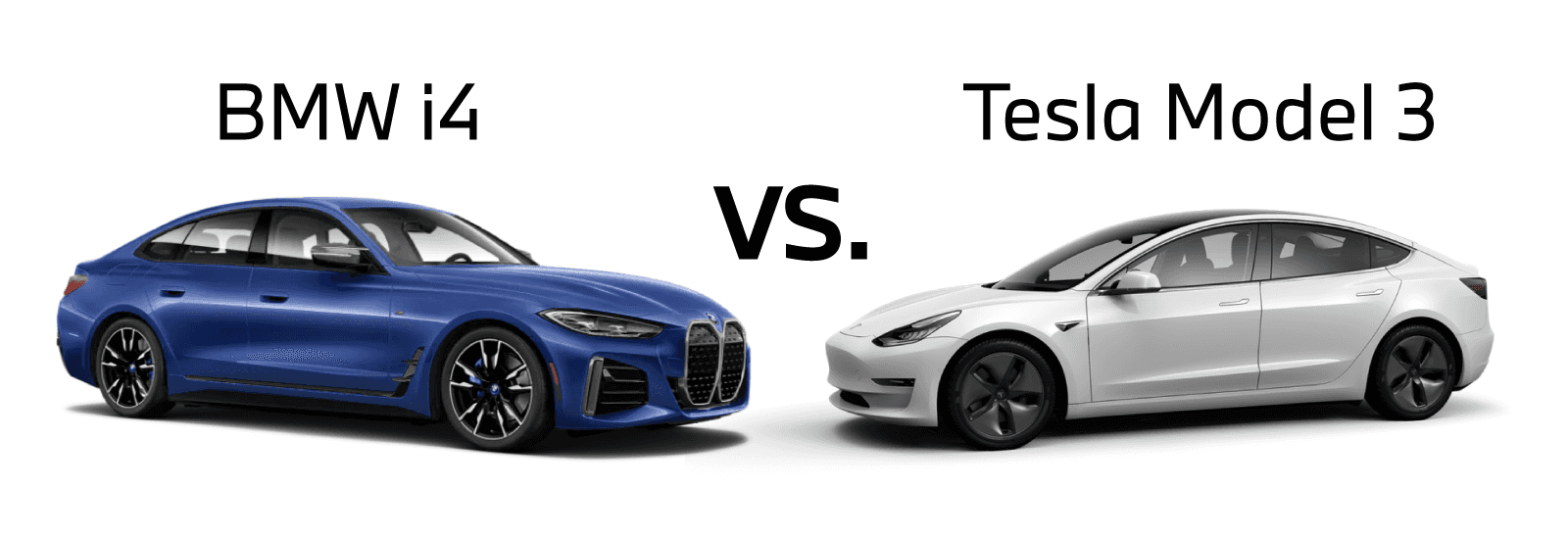
The Tesla Model 3 and BMW i4 are not merely electric vehicles—they are manifestos of two distinct philosophies on automotive luxury. One champions minimalism and digital fluidity; the other, tactile opulence and mechanical precision. As the boundaries between electric propulsion and traditional craftsmanship blur, these two sedans stand at the vanguard of a quiet revolution. The question is no longer about which car is better, but which vision of luxury aligns with your soul. Step inside, and you’ll discover not just seats and dashboards, but portals into entirely different ways of experiencing the road.
The Canvas of Minimalism: Tesla Model 3’s Interior Philosophy
The Tesla Model 3 greets you with an expanse of unbroken space, a monochromatic canvas where every surface serves a purpose and nothing is ornamental. The absence of physical buttons is not a gimmick—it’s a statement. The 15.4-inch central touchscreen, mounted flush and commanding, becomes the sole interface between driver and machine. It’s a digital agora where climate, media, navigation, and even seat adjustments converge into a single, responsive plane. The steering wheel, stripped of stalks, offers a clean, uncluttered grip, while the panoramic glass roof bathes the cabin in ethereal light, making the interior feel both expansive and intimate.
Materials are deliberately utilitarian yet refined. Soft-touch plastics, Alcantara accents, and open-pore wood trim (in higher trims) lend warmth without clutter. The seats, upholstered in vegan leather or premium textiles, cradle you with surprising support, their bolstered sides offering lateral grip during spirited cornering. The rear seats, though compact, surprise with adequate legroom and a near-flat floor, a testament to Tesla’s relentless packaging efficiency. Even the door handles, flush and flush-mounted, disappear when not in use, reinforcing the car’s seamless aesthetic.
But this minimalism is not cold. It’s intentional. Every interaction is anticipated, every gesture intuitive. The Model 3 doesn’t just transport you—it adapts to you, learning your preferences, your routes, your rhythms. It’s a car that feels alive, not just because it’s electric, but because it’s designed to evolve with you.
The Symphony of Sensory Engagement: BMW i4’s Interior Craftsmanship
Where the Tesla Model 3 whispers, the BMW i4 speaks in a rich, resonant baritone. The moment you slide into the driver’s seat, you’re enveloped in a cocoon of meticulous craftsmanship. The i4’s interior is a masterclass in layered textures—soft leather, brushed aluminum, carbon fiber weaves, and tactile switches that click with authority. The dashboard curves like a wave, its sweeping lines drawing your gaze toward the iDrive infotainment controller, a tactile gem that harks back to an era when driving was as much about feel as it was about function.
The center console is a study in ergonomic precision. The gear selector, mounted behind the wheel, frees up space while maintaining a sporty connection to the driving experience. The seats, available in extended leather or Vernasca upholstery, offer multi-contour adjustments, heating, ventilation, and even massage functions in higher trims. The steering wheel, wrapped in perforated leather with tactile grips, is a tactile delight, its buttons responsive and satisfying to the touch. The rear seats, though slightly more spacious than the Model 3’s, prioritize comfort over outright space, with ample thigh support and a subtle recline.
But the i4’s true magic lies in its sensory layering. The ambient lighting, available in 64 colors, can be tailored to your mood. The Harman Kardon sound system, with its 16 speakers and immersive audio, transforms the cabin into a concert hall. The subtle hum of the electric motor, barely audible at cruising speeds, adds a mechanical undertone to the symphony. This is a car that doesn’t just occupy space—it envelops you in it.
Digital vs. Analog: The Battle for Your Attention
The Tesla Model 3’s interface is a digital dream, but it’s not without its quirks. The touchscreen, while responsive, demands your gaze. Every interaction requires a deliberate tap, a swipe, a pause. It’s efficient, but it can feel isolating. There’s no tactile feedback, no physical reassurance—just a silent, glowing pane of glass. For some, this is liberating. For others, it’s a reminder that not all progress is progress.
The BMW i4, by contrast, offers a hybrid approach. The iDrive controller provides tactile reassurance, its haptic feedback guiding your selections with precision. The digital instrument cluster, customizable in layout and style, keeps essential information at your fingertips without overwhelming you. The physical buttons for climate control, seat adjustments, and drive modes offer a tactile anchor in a sea of digital possibilities. It’s a balance—digital convenience without sacrificing the reassurance of touch.
Which do you prefer? The seamless, distraction-free future of Tesla, or the tactile, layered experience of BMW? The answer may reveal more about your relationship with technology than with cars.
Comfort and Ergonomics: Where Luxury Meets Practicality
Both cars excel in comfort, but their approaches differ. The Tesla Model 3’s seats are supportive yet plush, with a firmness that prevents fatigue on long drives. The lack of lumbar adjustment might frustrate some, but the overall ergonomics are well-tuned for a wide range of body types. The i4, meanwhile, offers a more adjustable seating experience, with power-adjustable bolsters, lumbar support, and even thigh extension. The seats mold to you, not the other way around.
Climate control is another arena of divergence. The Model 3’s single-zone climate system is straightforward but lacks granularity. The i4’s multi-zone setup allows for precise temperature control, with vents that can be directed independently. The i4 also offers a heated steering wheel and rear seat vents, a level of detail that Tesla reserves for its higher trims. If comfort is your north star, the i4’s attention to detail is hard to ignore.
But the Model 3 has one ace up its sleeve: its panoramic glass roof. The i4’s panoramic sunroof is impressive, but the Model 3’s expansive glass canopy transforms the cabin into a light-filled sanctuary, especially on clear days. It’s a feature that doesn’t just enhance comfort—it redefines it.
The Final Verdict: Which Interior Speaks to You?
Choosing between the Tesla Model 3 and BMW i4 is less about which car is superior and more about which philosophy resonates with you. Do you crave the digital purity of Tesla, where every interaction is intuitive and the cabin feels like an extension of your digital life? Or do you yearn for the tactile richness of BMW, where every switch, every stitch, every subtle hum tells a story of craftsmanship and tradition?
The Model 3 is for those who see the future as a blank slate, ready to be shaped by innovation and adaptability. The i4 is for those who believe luxury is not just in the materials, but in the way those materials make you feel—enveloped, pampered, and connected to the road.
One car whispers of a world where technology erases boundaries. The other sings of a world where tradition and innovation coexist in harmony. The choice is yours. The road awaits.