The electric vehicle revolution isn’t just about silent motors and zero tailpipe emissions—it’s a tectonic shift in how we perceive automotive performance, design, and even identity. Nowhere is this more evident than in the showdown between two titans: the Ford Mustang Mach-E and the Tesla Model Y. These aren’t just SUVs; they’re cultural artifacts, each embodying a distinct philosophy of electric mobility. One whispers of heritage and raw power, the other hums with futuristic efficiency. But beneath the surface, their rivalry reveals something deeper: a generational tug-of-war between tradition and innovation, between the roar of a combustion engine’s ghost and the whisper of electrons in motion. This isn’t just a comparison—it’s an exploration of what it means to drive electric in 2024.
The Battle of Brand DNA: Muscle Meets Silicon Valley
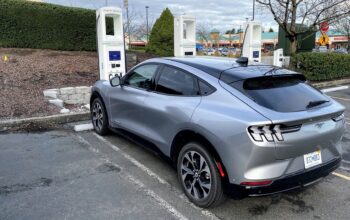
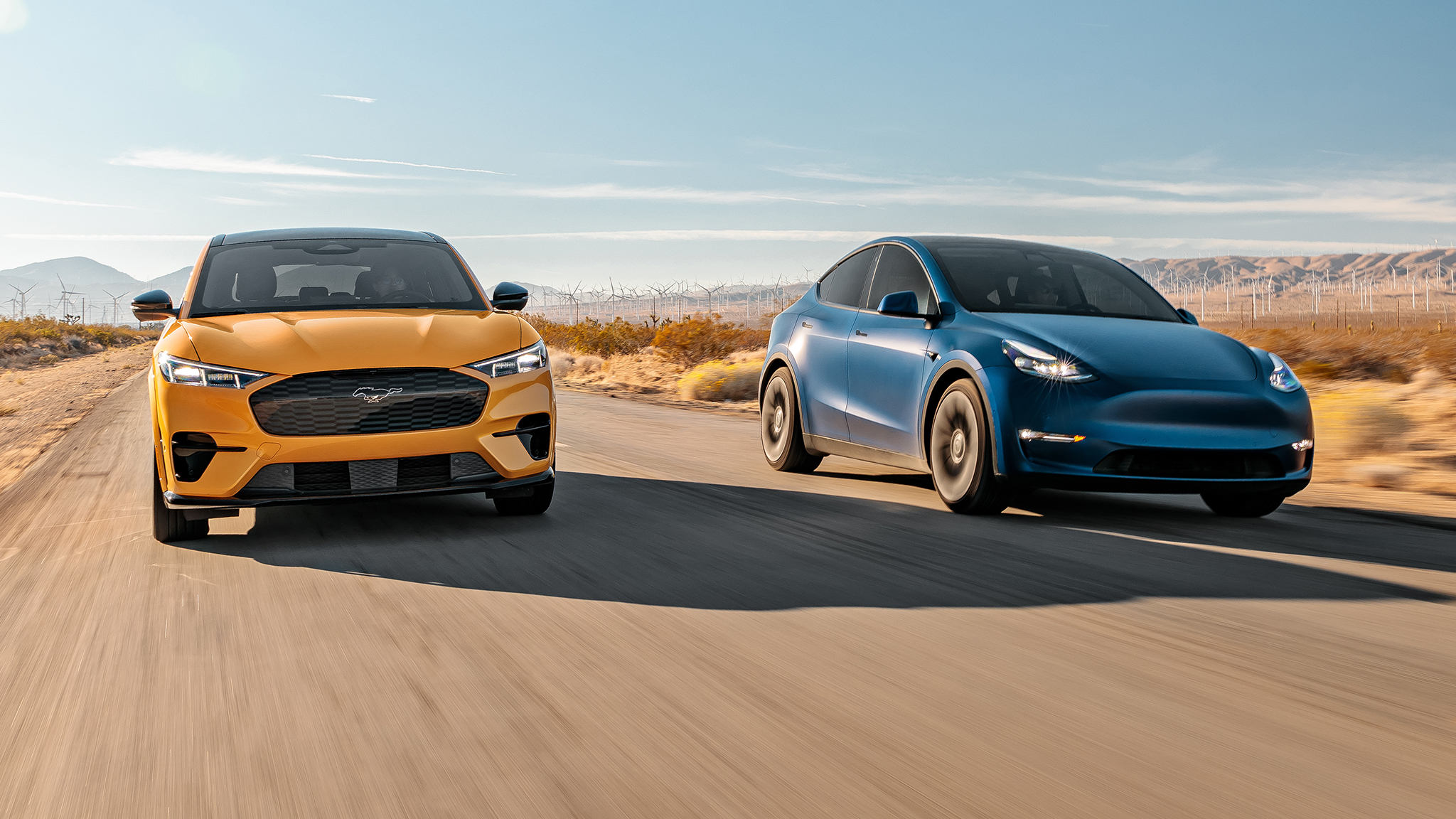
The Mustang Mach-E isn’t just a name—it’s a legacy. Ford’s decision to graft the Mustang badge onto an electric SUV was a bold stroke, blurring the lines between muscle car mythology and modern practicality. The Mach-E wears its lineage proudly, with a grille that nods to the iconic pony car while its silhouette screams crossover utility. Tesla, on the other hand, has no such baggage. The Model Y is a blank canvas, a rolling computer on wheels, where every line and seam is dictated by aerodynamics and battery efficiency. Where the Mach-E feels like a bridge between eras, the Model Y feels like a portal to the future.
This isn’t just about aesthetics—it’s about emotional resonance. The Mach-E’s designers clearly wanted to evoke the spirit of the Mustang, complete with a performance-oriented GT variant that delivers 480 horsepower and a 0-60 mph time of 3.5 seconds. The Model Y, while quick in its own right (especially the Performance trim), prioritizes range and tech over outright speed. Yet, in a twist of irony, the Mach-E’s retro-futurism might feel more alien to purists than the Model Y’s minimalist cyber-chic ever could. The Mustang’s grille, for all its nostalgic charm, is a polarizing design choice in an era where sleek, seamless surfaces dominate.

Performance: Where Raw Power Meets Silent Precision
Acceleration is where the differences become stark. The Mustang Mach-E GT doesn’t just outrun the Model Y Performance in a straight line—it does so with a symphony of controlled chaos. The GT’s launch control system is calibrated to mimic the wheelspin thrill of a traditional muscle car, while the Model Y’s instant torque delivery feels eerily precise, like a scalpel cutting through air. The Mach-E’s dual-motor setup delivers 480 hp and 634 lb-ft of torque, but it’s the way that power is modulated—through a simulated exhaust note and aggressive throttle mapping—that makes it feel alive in a way the Model Y rarely attempts.
Yet, the Model Y isn’t without its own charms. Its low center of gravity, thanks to the battery pack mounted in the floor, gives it handling prowess that belies its crossover dimensions. The Mach-E, with its higher ride height and bulkier frame, leans more in corners, trading agility for a more commanding driving position. On the track, the Model Y’s regenerative braking system is a marvel of energy recapture, while the Mach-E’s traditional brake feel might frustrate those accustomed to Tesla’s one-pedal driving. But here’s the paradox: the Mach-E’s performance feels visceral, almost human, while the Model Y’s feels clinical, like a machine executing a perfect algorithm.
Range and Charging: The Tyranny of the Kilowatt-Hour
Range anxiety is the ghost that haunts every EV buyer, and both the Mach-E and Model Y have their own ways of exorcising it. The Model Y Long Range, with its EPA-estimated 330 miles, holds a clear advantage over the Mach-E’s 314-mile maximum. But range isn’t just about numbers—it’s about how efficiently that energy is used. The Model Y’s slippery 0.23 Cd coefficient of drag means it slices through the air with minimal resistance, while the Mach-E’s boxier shape and upright grille create more drag, sapping range at highway speeds.
Charging infrastructure is where Tesla’s ecosystem flexes its muscles. The Supercharger network remains the gold standard, with consistent reliability and power delivery up to 250 kW. Ford’s BlueOval charging network is improving, but it’s still playing catch-up. The Mach-E’s 150 kW peak charging rate pales in comparison to the Model Y’s 250 kW capability, meaning longer stops on road trips. Yet, the Mach-E’s FordPass app offers a more intuitive way to locate and pay for charging, a small but meaningful advantage in the daily grind.
Interior: Where Tech Meets Tradition
Step inside the Mach-E, and you’re greeted by a cabin that’s a masterclass in retro-futurism. The dual-screen setup—borrowed from the Mustang’s interior design—features a 12.3-inch digital instrument cluster and a 15.5-inch touchscreen infotainment system. The materials are a mix of premium plastics, aluminum trim, and leather-like upholstery, giving it a tactile richness that’s rare in EVs. The Model Y’s interior, by contrast, is a study in minimalism. The 15-inch touchscreen dominates the dashboard, flanked by a small digital display behind the wheel. There are no physical buttons, no tactile feedback—just a sea of glass and a single stalk for turn signals.
But here’s the rub: the Mach-E’s interior feels like a stage set, with every button and dial playing a role in a carefully choreographed performance. The Model Y’s interior feels like a blank slate, waiting to be customized by software. The Mach-E’s seats are plush and supportive, while the Model Y’s are firm and upright, prioritizing comfort over sportiness. The Mach-E’s steering wheel is wrapped in leather, complete with paddle shifters for one-pedal driving, while the Model Y’s is a flat-bottomed affair with no such frills. It’s a clash between the tactile and the digital, between the analog and the algorithmic.
Pricing and Value: The Cost of Electric Dreams
Price is where the Mach-E and Model Y diverge most sharply. The Model Y starts at around $47,740, while the Mach-E’s base price is closer to $42,995. But the similarities end there. The Mach-E’s GT Performance trim, with its 480 hp and extended-range battery, pushes the price to nearly $60,000. The Model Y Performance, with its 384 hp and 303-mile range, comes in at $52,490. The Mach-E’s higher trims offer more luxury and performance, but the Model Y’s base model is already packed with features that feel like upgrades on the Mach-E.
Depreciation is another factor. Teslas, despite their premium pricing, tend to hold their value better than most EVs, thanks to brand loyalty and a robust used market. The Mach-E, while competitive, might not fare as well in the long run, especially as Ford introduces more electric models. But here’s the deeper question: is the Mach-E worth the premium for its Mustang DNA, or is the Model Y the smarter buy for those who prioritize tech and efficiency? The answer depends on whether you see your EV as a statement or a tool.
The Unspoken Allure: Why This Rivalry Captivates Us
At its core, the Mach-E vs. Model Y debate isn’t just about specs or pricing—it’s about identity. The Mustang has always been more than a car; it’s a symbol of American grit, a rite of passage for gearheads. The Model Y, meanwhile, is a product of Silicon Valley’s relentless innovation, a machine designed by engineers, not designers. One is a bridge to the past; the other is a gateway to the future. Yet, both are undeniably electric, and that’s the real story.
What fascinates us isn’t just which one is better—it’s the tension between the two. The Mach-E represents a world where electric vehicles still feel like cars, where the past and future coexist in a single frame. The Model Y represents a world where cars are just computers on wheels, where the driving experience is secondary to the software that powers it. And in that tension lies the answer to why we’re so obsessed with this rivalry. It’s not just about choosing between two EVs—it’s about choosing between two visions of what the automobile can be.
So, which one wins? The Mach-E for those who crave soul. The Model Y for those who crave efficiency. But the real victory belongs to the electric revolution itself, which has given us two machines that are as different as they are alike—and a choice that says more about us than either SUV ever could.