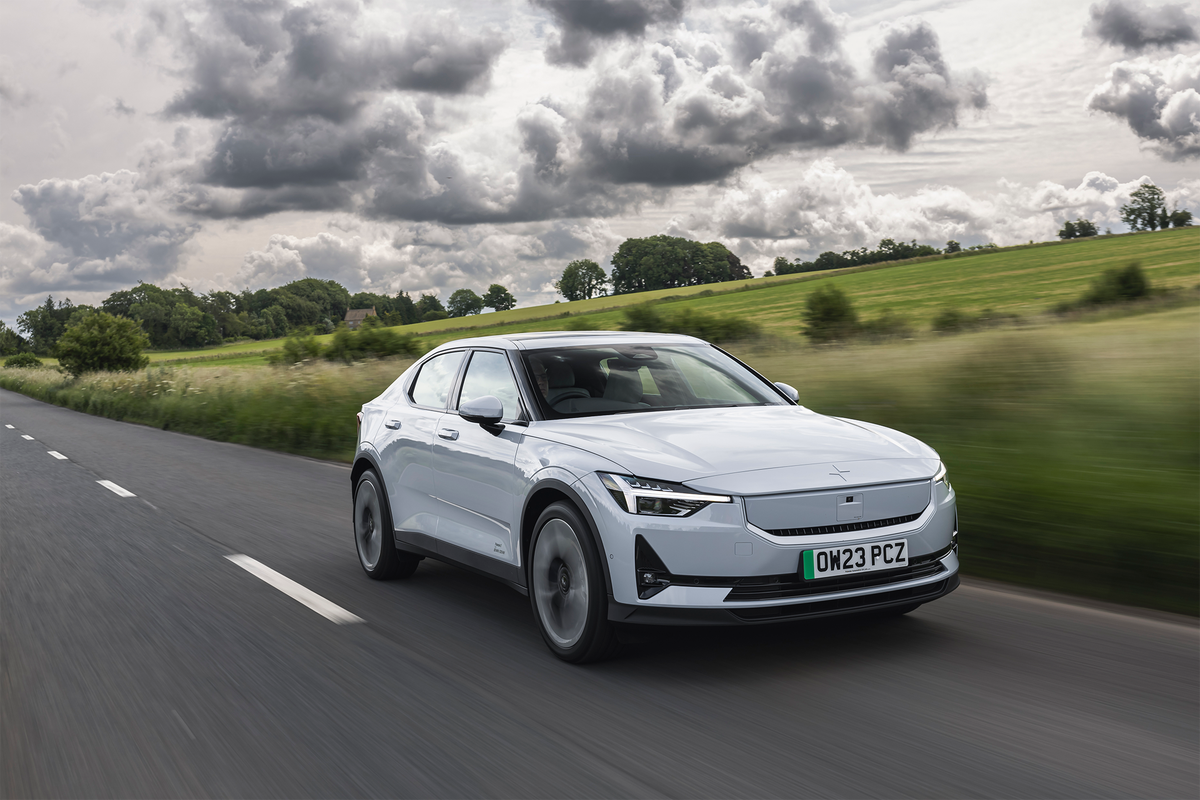
What happens when a compact electric car tries to be more than a commute tool—more like a weekend companion? The Polestar 2 answers with an unexpectedly calm kind of charisma. It doesn’t shout. It glides, it queues up a few clever comforts, and it keeps its focus on the long game: an electric liftback that aims to feel cohesive in daily life rather than merely impressive on paper. Yet—there’s a question worth posing early: will its sleek personality and tech-forward habits be your kind of delightful, or will they quietly become a playful annoyance as soon as you live with it?
The potential challenge isn’t one big problem. It’s the possibility that several smaller quirks—visibility choices, software sensitivities, and the way it balances performance with efficiency—might demand a bit more adaptation than you expected. Still, if you’re the sort of driver who enjoys refinement and doesn’t mind learning the rhythm of a new machine, the Polestar 2 can be surprisingly satisfying.

Design and First Impressions: Minimalism With a Hint of Theater
The Polestar 2 wears its design like a well-tailored jacket: understated, purposeful, and slightly dramatic at the edges. As a compact electric liftback, it strikes a balance between practical proportions and a sculpted presence. The silhouette feels clean, and the stance suggests intention rather than ornamentation.
Up close, you’ll notice how the front and rear design language supports aerodynamic discipline. The lighting details look crisp, and the overall surface tension—how panels meet, how light falls—creates a modern look that doesn’t chase trends. That’s part of the charm. But let’s keep it honest: style choices also affect real-world experience. A liftback’s design can either encourage everyday convenience or quietly limit it with compromises in visibility or cargo access angles. The Polestar 2 tends to land on the “modern convenience” side, but it’s worth checking your personal comfort behind the glass.
Cabin Atmosphere: A Calm Dashboard and a Slightly Sci‑Fi Tempo
Step inside and the mood changes. The cabin leans minimalist, with a driver-focused layout that feels designed for attention rather than clutter. Shortcuts and visual noise are kept under control, and the material palette gives off a tasteful, tactile tone—more “quiet confidence” than “showroom flash.”
It’s easy to get comfortable quickly. But the playful question becomes more relevant here: do you enjoy integrating technology into your routine, or do you prefer buttons that behave like old friends? The Polestar 2 leans into a more software-led approach. That can feel elegantly intuitive, especially once you learn the logic of the interface. Yet, if you’re expecting instant physical certainty for every control, the transition period may feel like a minor detour.
Long sentences and short ones both matter in the car: long drives reveal how the cockpit supports fatigue reduction—by maintaining clarity, keeping distractions low, and using ergonomics that don’t fight you.
Performance and Driving Character: Efficient Momentum, Not Chaotic Fireworks
On the road, the Polestar 2 delivers electric confidence without theatrics. Throttle response is typically strong and smooth, offering that quick surge when you ask for it, then settling into a controlled, linear flow. It’s the kind of power delivery that makes overtakes feel simpler, not louder.
Handling feels balanced. The steering communicates with a measured level of feedback, and the suspension calibration generally aims for composure over aggression. This is where the “potential challenge” lives for some drivers: if you’re chasing a sport-car bite, you may find the Polestar 2 more poised than razor-sharp. It’s responsive, yes, but it doesn’t exist to prove a point every second.
At highway speeds, stability tends to be reassuring. The ride quality often favors continuity, smoothing out the rougher seams in the road. That’s a subtle virtue, especially when the day stretches long.
Range, Charging, and the Reality of Daily Miles
Electric range is where confidence is either earned or questioned. The Polestar 2’s efficiency supports a practical lifestyle, and its efficiency gains often feel most visible in thoughtful driving. If you accelerate gently, plan routes, and keep an eye on energy consumption, the car can behave like a sensible long-distance partner.
Charging is the other half of the equation. The Polestar 2 benefits from modern fast-charging capabilities, and home charging can turn the routine into something almost effortless—like plugging in groceries at the end of the day, except the groceries are stored energy.
But consider a playful challenge: what if your charging habit isn’t consistent? Electric cars dislike unpredictable energy routines, and sudden cold snaps, aggressive driving, or frequent detours can turn an optimistic estimate into a more cautious expectation. The car can still manage it, but it asks for awareness. You don’t need obsession—just a bit of planning.
Practicality as a Liftback: Cargo Space, Doors, and Everyday Access
The liftback format is designed to make the Polestar 2 more than a “two-seat theory.” With the rear opening, everyday tasks—shopping runs, sports gear, travel luggage—become more manageable than in a purely hatch-scarce layout.
Cargo access can feel thoughtfully arranged. The trunk opening shape generally supports easier loading, though the exact experience depends on how you stack items and how you approach awkward angles. This is another moment where the question matters: will you be the kind of driver who organizes, or the kind who improvises? The Polestar 2 rewards reasonable organization, and it doesn’t punish you for messy life—but it certainly feels happier when you treat it like a utility with boundaries.
Safety and Driver Assistance: Confidence, With Caveats
Safety technology in the Polestar 2 typically supports a reassuring driving experience, including driver-assistance features aimed at reducing fatigue and enhancing situational awareness. Lane support, collision warning logic, and adaptive features can help maintain a buffer between you and the unpredictable world.
Yet, there’s always a nuance: driver assistance is an aid, not a replacement for attention. Some systems can feel “helpful enough” until road markings fade, construction zones appear, or sensor conditions get messy. When that happens, the car’s behavior may change. It’s rarely alarming, but it can feel like the car is asking you to take over more often than you’d like.
That’s the trade: advanced safety systems can make driving easier, but they also introduce a modern kind of vigilance—one based on monitoring the machine’s confidence level rather than purely your own instincts.
Infotainment, Software, and the Charm of Learning a System
The Polestar 2’s infotainment experience sits at the center of its identity. The interface is typically clean and visually modern, with features designed to reduce friction and keep you informed. Navigation, media controls, and connectivity can make the car feel like a mobile hub.
Short trips can feel almost magical: the car remembers preferences, maps intelligently, and surfaces the right information at the right time. Long trips reveal the broader question—how much you enjoy interacting with a screen-driven environment. Some people love it. Others find it slightly demanding, especially when sunlight glare or quick glove-off interactions become part of your day.
Here, the potential challenge is simple: if you want a car that rarely asks anything of you, you may need to accept that the Polestar 2 is designed to be engaged with.
Who Should Buy the Polestar 2?
The Polestar 2 is best suited for drivers who want a refined compact electric liftback with a thoughtful blend of comfort, performance, and modern tech. If your lifestyle includes varied driving—city errands, weekend drives, and occasional longer highway stretches—the car’s character tends to match the rhythm.
It may not be the ideal fit if you demand maximum sport hysteria, absolute simplicity in controls, or a “set it and forget it” relationship with software. But if you prefer a quiet, deliberate driving experience—one where the car feels composed rather than chaotic—you’ll likely feel at home.
Final Thoughts: A Compact Electric With Quiet Confidence
The Polestar 2 doesn’t seduce with noise. It persuades with cohesion: clean design, calm cabin atmosphere, and electric performance that emphasizes momentum over drama. The liftback practicality helps it stay versatile, while the charging and range story can be compelling when you’re mindful of real-world variables.
So here’s the playful question to close on: will the Polestar 2 feel like an elegant partner—or will its tech-forward rhythm ask too much of your patience? The answer depends on your temperament. For many drivers, that rhythm becomes part of the charm. For others, it can feel like a small hurdle you didn’t anticipate. Either way, the Polestar 2 leaves a memorable impression: it’s not trying to be everything. It’s trying to be exactly itself.