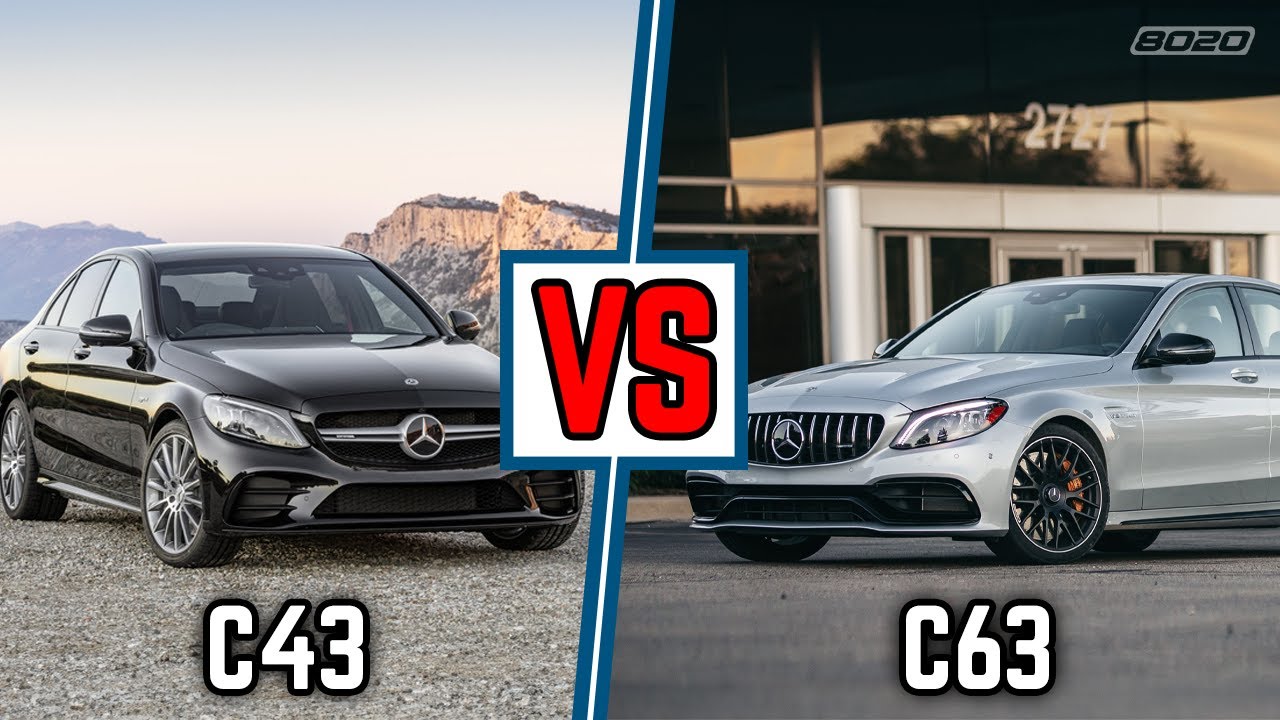
The Mercedes-Benz C-Class has always lived in the tension between elegance and engineering intent. It’s a compact sport sedan that somehow manages to feel like a tailored suit while still carrying the appetite of a performance machine. Yet the real magic begins when you compare trim levels—when you stop asking, “Which one is fastest?” and start asking, “Which one matches the way I want to move through the world?” In this story, the C300 becomes the capable baseline, the C43 turns up the voltage, and the C63 escalates everything into a full-throated proclamation. Each model promises a shift in perspective. Each one asks you to drive differently, listen more carefully, and notice how power changes your sense of control.
What follows isn’t a checklist disguised as an article. It’s a guided descent through three trims—C300, C43, and C63—so the differences feel visceral rather than academic. By the end, you should be able to picture your own priorities with unnerving clarity.
The C300: A Quiet Confidence That Refuses to Be Dull
The C300 is the trim level that persuades without insisting. It tends to attract drivers who appreciate refinement as a form of competence. The C300 doesn’t hunt for attention. It earns it. In everyday commutes, it feels well-damped and composed, as though the car is quietly negotiating with the road surface instead of wrestling it.
Expect a balanced driving character: responsive where you need it, calm where you want it. This is where the C-Class tradition shines—comfort that doesn’t sacrifice precision. The steering communicates clearly, the ride remains steady over imperfect pavement, and the cabin’s ambience reads as deliberately upscale. Short trips feel easier. Longer drives feel less fatiguing.
And then there’s the sensation of throttle response—often described as “ready.” That readiness is the C300’s promise: you get performance that appears on demand, without turning the car into something you must manage. It’s an engine temperament designed for the real world, not just the brochure.

If the C300 is a paragraph with impeccable grammar, it’s also the setup for something more. Its strength is how it teaches you the car’s rhythm. Once you know that rhythm, moving up trims becomes less about raw speed and more about discovering what you’ve been missing: sharper aggression, more dramatic sound, and a noticeably different relationship between your inputs and the car’s outputs.
The C43: Where Balance Evolves Into Intentional Thrill
The C43 doesn’t merely increase power; it alters the temperature of the whole experience. It’s the trim level that invites you to stop driving like you’re being graded and start driving like you’re collaborating with the machine. The shift in perspective is immediate—acceleration feels punchier, and the car’s personality gains sharper edges.
Think of the C43 as a performance narrative with pacing. The throttle response tends to feel more urgent. The way it builds speed has a purposeful surge rather than a smooth drift. It’s still civilized enough to handle daily life, yet it carries an unmistakable “next turn” energy. This is where you begin to notice details: the way the chassis holds its line, the way the car seems to flatten into the corner, the way your sense of timing improves because the vehicle delivers with less delay.
Inside, the C43 often leans toward a sportier atmosphere—materials and styling cues that don’t just look athletic; they feel keyed for action. Even when you’re not pushing hard, the ambience encourages a more engaged posture behind the wheel.
There’s also a psychological shift that comes with the C43: the awareness that the car can do more than you asked. That awareness changes how you approach merges, overtakes, and twisty back roads. You stop planning around limitations and start planning around possibilities.
Ultimately, the C43 promises a different kind of satisfaction. Not the satisfaction of “winning.” The satisfaction of feeling awake—of being in a vehicle that meets your curiosity halfway.
The C63: An Auditory and Mechanical Event
If the C300 is quiet confidence and the C43 is deliberate thrill, the C63 is a theatrical statement. It’s the trim that turns the act of driving into an event—loud in character, bold in presence, and relentlessly eager to express its engineering. There’s a reason people talk about the C63 with the tone normally reserved for memorable performances.
Power in the C63 doesn’t arrive gently. It arrives like punctuation. Acceleration feels forceful, and the engine character is often described with a sense of drama—more elaborate, more insistent, more emotionally textured. The car becomes something you can hear as much as you can feel.
Handling dynamics also change. The vehicle can feel more planted under aggressive inputs, and the braking confidence tends to be more pronounced. The chassis communicates with a stronger voice, making it easier to trust the car when you’re exploring its limits.
But the C63 isn’t only about peak capability. It’s about the way capability reorganizes your attention. With this trim, you tend to drive differently even when you aren’t fully on the gas. You modulate inputs with more care. You anticipate traction changes. You recognize how grip, torque, and steering interplay in real time.
Inside, the C63 typically elevates sport styling and driver-focused details. The cabin can feel less like a place you commute and more like a cockpit you inhabit. It’s a subtle but powerful difference: instead of being transported, you become responsible for the machine’s mood.
The promise of the C63 is simple: you will feel more. More sound. More sensation. More immediacy. It’s not about commuting faster—it’s about commuting with intensity.
Performance Philosophy: Power Is Only the Beginning
When comparing C300 vs C43 vs C63, it’s tempting to reduce the conversation to numbers. But the heart of the matter is how each trim translates power into motion. The “feel” is shaped by more than horsepower—it’s influenced by transmission behavior, throttle mapping, torque delivery, and chassis tuning.
The C300 typically emphasizes smooth usability. It’s the kind of car that helps you arrive with your day intact. The C43 emphasizes a balance of daily practicality and sharper performance credibility. It encourages spirited driving without demanding constant vigilance. The C63 emphasizes intensity and expressiveness, rewarding drivers who want their vehicle to participate in the emotional cadence of the drive.
In other words: power is the headline. The story is in the delivery.
Comfort and Cabin Character: Three Ways to Feel at Home
Comfort isn’t just softness. It’s confidence—how the seat supports you, how the suspension filters chaos, how noise levels stay controlled, and how the cabin layout keeps controls within easy reach. Across the C-Class trims, the baseline tends to remain premium. Where differences appear is in the sportiness of the cabin experience.
The C300 often reads as the most universally approachable. It’s the one that fits into every scenario without friction—family errands, workdays, late-night drives. The C43 shifts the cabin mood toward sport. It feels like a deliberate invitation to engage. The C63 most strongly emphasizes driver-centric theater, with styling and cues that remind you: this car is meant to be pushed.
And then there’s the matter of sound. As you climb from C300 to C43 to C63, the auditory character often becomes more pronounced. Whether you love that soundtrack or merely tolerate it, it becomes part of the relationship between you and the road.
Technology and Driver Experience: Modern Assistance, Different Attitudes
Technology in the C-Class typically offers a layer of assurance—driver assistance features, connectivity, and infotainment designed to keep you informed without overwhelming you. What changes by trim is the overall driver experience: the sportier trims tend to integrate performance modes more explicitly into daily operation.
With the C43 and C63, you often feel the presence of “modes” not only in menus, but in how the car responds to your behavior. Switches and profiles can reshape throttle behavior, steering weight, and vehicle temperament. The result is a more personalized relationship with the vehicle—one that adapts to your mood rather than forcing you into a single personality.
The C300, meanwhile, typically remains focused on calm navigation. It’s the trim level that makes technology feel like an accessory to your driving rather than the center of attention.
Who Should Choose What: Matching Temperament to the Life You Actually Live
Choosing between the C300, C43, and C63 is ultimately about fit. Consider your most common days. If your driving is largely practical—commutes, errands, steady highways—the C300 may feel like the best balance of refinement and capability. It’s the trim that lets you keep your focus on the destination.
If you want your car to feel alive, to encourage spontaneity, and to add emotional punctuation to ordinary drives, the C43 is often the sweet spot. It can satisfy ambition without turning every trip into an athletic trial.
If you want intensity, dramatic acceleration, and a vehicle personality that announces itself, the C63 is the answer. It’s for drivers who want the car to be more than transportation. It’s for those who crave immediacy and are excited by the sensory richness of performance.
Here’s the curiosity test: ask yourself which promise you want most. The promise of effortless competence (C300). The promise of deliberate thrill (C43). Or the promise of mechanical theater (C63).
Final Thoughts: The Real Upgrade Is the Perspective
In the end, the Mercedes-Benz C-Class trims aren’t just different versions of the same concept. They’re different philosophies of driving. The C300 offers clarity and ease. The C43 adds intent and urgency. The C63 delivers intensity and expression. Each one reshapes your relationship with the road in a distinct way, and each one rewards the driver who pays attention.
So choose not only based on what the car can do, but on how you want to feel while doing it. The right trim level won’t merely improve your speed or handling. It will change the way you experience every mile—turning routine routes into moments worth remembering.