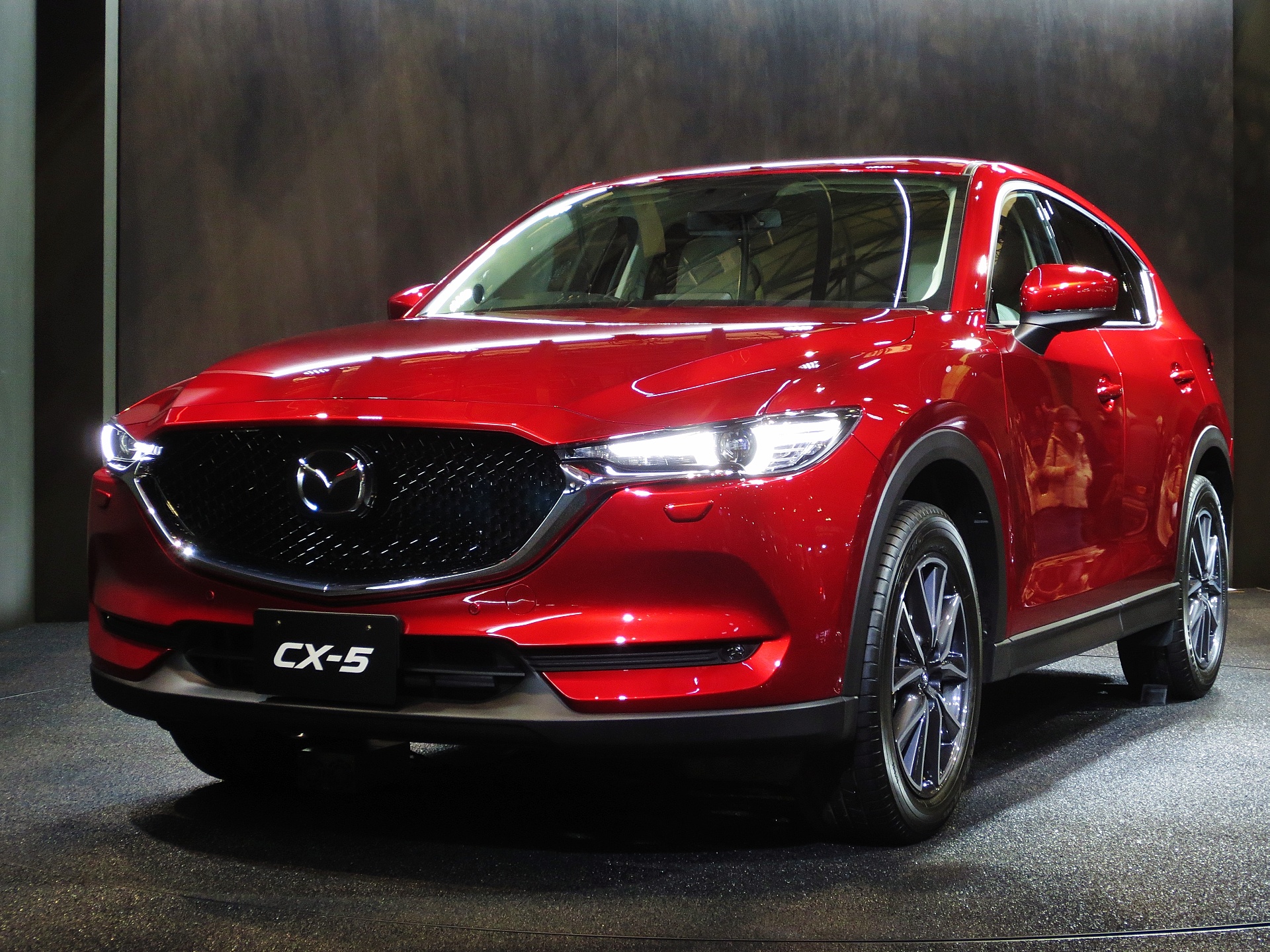
The choice between a Mazda MX-5 Miata RF and the Miata with a Soft Top can feel like deciding between two different personalities—both beguiling, both unapologetically lightweight, yet tuned to distinct moods. One version is all about theatrical flair and quick transformation. The other leans into classic wind-in-the-hair romance, with a roof that folds away the moment you invite the sky in.
Before you lock in a purchase, it helps to picture how you’ll actually drive: your commute rhythms, your weekend routes, how often you’ll stow the top, and whether you value aesthetic drama as much as open-air simplicity. Below is a comprehensive, reader-friendly walkthrough of what to expect—covering practical considerations, daily usability, comfort, appearance, and the subtle performance differences that can matter more than you’d think.
The Two Miatas: Same Core Soul, Different Roof Philosophy
At heart, the MX-5 Miata formula is remarkably consistent: a compact sports car designed to feel intimate, agile, and joyfully communicative. But the roof mechanism shapes the entire ownership experience. The RF (Retractable Fastback) replaces the traditional convertible with a hardtop-style system that retracts rather than folds.
The Soft Top keeps things fundamentally classic: fabric insulation, a more traditional convertible silhouette, and the kind of tactile connection that makes the car feel less like a gadget and more like an instrument. The difference isn’t merely cosmetic. It influences weight distribution, storage convenience, and even the acoustic vibe inside the cabin.
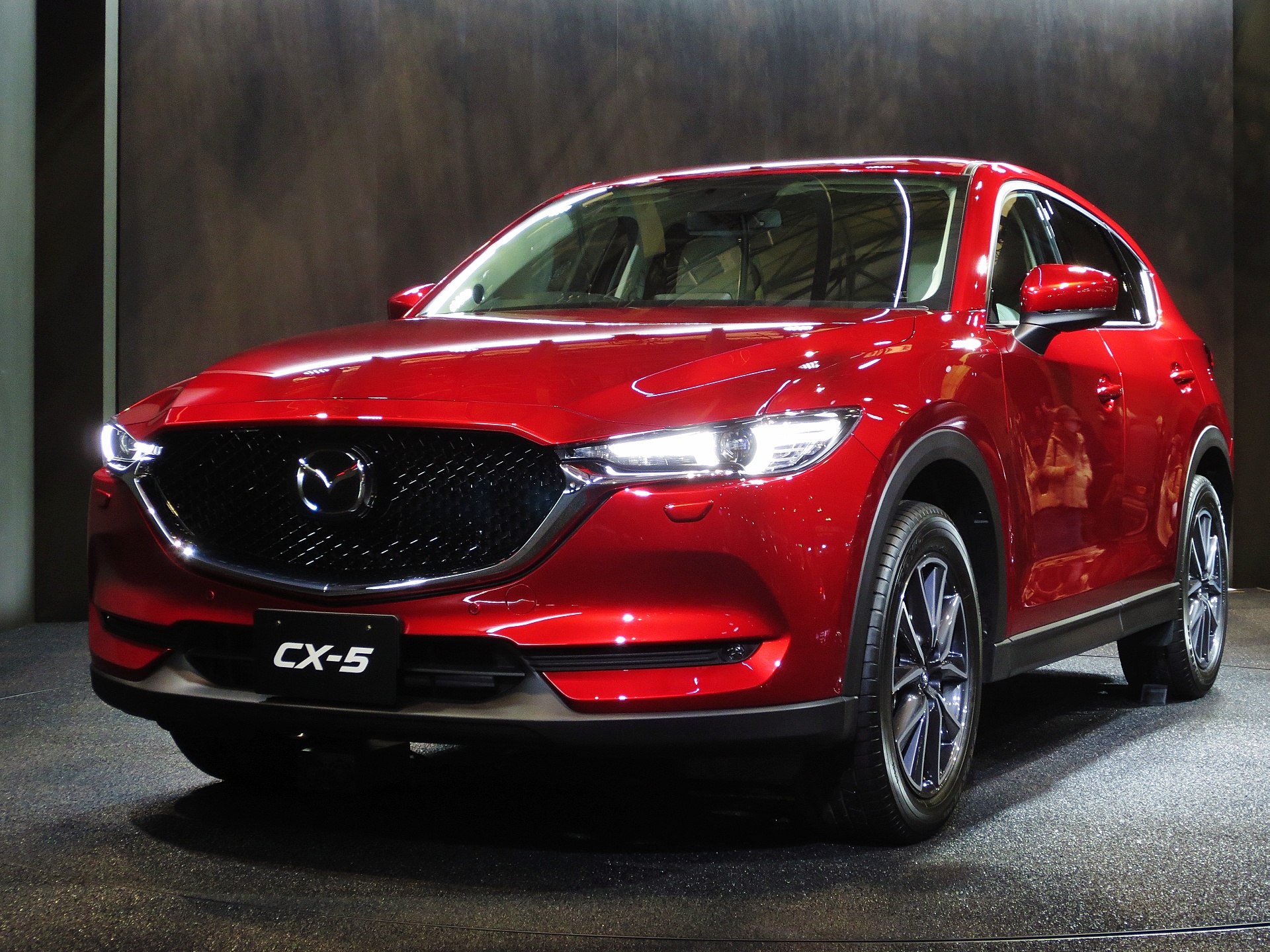
Opening the Cabin: How Each Roof Changes Your Day
When you flip from “closed” to “open,” you’re changing the entire character of the car. With the RF, the roof motion is engineered for efficiency. The result is a coupé-like appearance when closed, and a near-instant weather-weathering switch when you want daylight and air.
The Soft Top emphasizes a slower, more hands-on convertible experience. It can feel ceremonial—like you’re making the car truly yours. Some drivers love the ritual. Others prefer the convenience of a roof that behaves more like a modern retractable system.
Ask yourself a simple question: do you want the car to feel “sport coupe first” or “open-air roadster first”? The RF tends to win for drivers who like the closed-roof look and open-roof moments without fuss. The soft top often feels perfect for owners who crave unfiltered spontaneity.
Looks and Presence: The Visual Impression You’ll Live With
Both versions are undeniably Miata—sleek proportions, confident stance, and that instantly recognizable roadster demeanor. But the RF is visually sharper when closed. The fastback silhouette reads as more athletic, almost like a coupe wearing an open-top disguise.
The Soft Top telegraphs classic cabriolet charm. It’s the kind of styling that invites compliments even from people who don’t know what trim level you chose. If you love the romantic aesthetic of open-top motoring, the fabric roof tends to feel more authentic.
Even if you rarely drive with the top down, you’ll probably still look at the car every time you walk up to it. The RF’s architectural roofline can feel more “finished,” while the soft top can feel more “alive.”
Noise, Acoustics, and Wind Character
Roof design isn’t just about weather protection; it’s about sound and airflow. With a Soft Top, the cabin can deliver a more immersive soundscape. That means you might hear more wind noise at higher speeds and more “ambient” audio from the surroundings. Many drivers find that charming—like the car is broadcasting the world to you.
The RF typically offers better cabin composure when closed. A retractable hardtop-style setup can reduce some of the harsher wind intrusions, leaving engine tone and driving cues to stand out more clearly. If you commute on highways or take longer trips, this can translate into relaxed fatigue levels.
One way to decide is to ask: do you prefer presence (hearing more of the outdoors) or clarity (more refined cabin control)? Either answer is valid. The best choice aligns with your tolerance for atmospheric noise.
Comfort and Climate: Winter, Spring Showers, and Summer Heat
Both Miatas can be wonderfully enjoyable, but roofs matter when temperatures swing or when weather changes faster than your plans. The Soft Top can provide a cozy experience, yet fabric typically insulates differently than rigid structure. In cold snaps, you may notice differences in how quickly the cabin warms, especially in stop-and-go traffic.
The RF often feels more sealed when closed, which can help with defrosting confidence and reducing drafts. If you live in a region where foggy mornings and intermittent rain are common, that sense of enclosure may prove persuasive.
Still, many soft-top owners thrive on the unpredictability. If you love spontaneous drives and don’t mind a little atmospheric participation, the fabric roof can be part of the charm rather than a compromise.
Storage and Practical Living: Where Does the Top Go?
Convertible ownership includes a practical question: where do things go when the roof disappears? The RF mechanism is designed to stow neatly, but it changes how the cargo area behaves. Hardtop-style storage can influence the trunk volume and shape more visibly.
The Soft Top usually offers a more straightforward road-trip mindset—many drivers find the open-top transitions and cargo management familiar and intuitive. That said, every owner’s “daily cargo” is unique: gym bags, groceries, charging cords, folding umbrellas, and those small items that multiply in the passenger footwell.
If you plan to use the Miata as a weekend car only, storage constraints may matter less. If it’s becoming a regular commuter with occasional errand runs, it’s worth comparing how you typically pack and unload.
Performance Feel: Weight, Balance, and Driver Engagement
The Miata’s magic lies in balance and feedback. Even small differences in roof hardware can slightly affect mass and dynamics. The Soft Top generally aligns with the Miata’s “light, classic” vibe. The RF can add some structural weight, which may subtly influence responsiveness.
That said, both versions remain eminently capable and fun. On winding roads, the bigger factor will often be your alignment, tire choice, and driving style rather than the roof configuration alone. Still, if you’re the type who chases razor precision—feeling for turn-in sharpness and tracking feel—the soft top’s conventional setup may feel more “direct.”
On the other hand, the RF’s rigidity and composure may deliver a different kind of confidence, especially on less-than-perfect pavement where stability and reduced body drama can feel reassuring.
Maintenance and Ownership Reality
Maintenance isn’t glamorous, but it’s where decisions become real. A Soft Top requires attentive care—regular cleaning, proper drying habits, and periodic inspection of seals. Fabric roofs can age beautifully when treated well, but they do have a finite lifecycle influenced by sun exposure, weather exposure, and storage conditions.
The RF system includes more mechanical complexity. That doesn’t automatically mean it’s problematic, but it does mean ownership involves a different kind of vigilance. Keeping the mechanism operating smoothly and following service schedules can help prevent quirks before they become inconveniences.
Think about your personal relationship with car care. Do you enjoy hands-on upkeep and routine cleaning? Soft-top owners often do. Do you prefer systems that feel more sealed and “set-and-forget”? RF drivers frequently do.
Resale Value and Buyer Psychology
Resale is driven by trends and preference, not just engineering. Many buyers are drawn to the RF for its modern appearance and coupe-like elegance. Others chase the soft top because it offers classic convertible romance and often feels lighter in spirit.
Whichever you choose, the key is consistency with how future buyers want to feel about the car. A well-kept Miata—clean interior, documented service, and meticulous roof care—tends to hold value better than neglect disguised as “authentic wear.”
In other words, choose the version that matches your lifestyle, then maintain it like you plan to keep it forever.
Who Should Buy Which? A Clear Recommendation Matrix
Choose the Miata RF if you:
• Prefer a coupe-like look when the top is up
• Want a more composed cabin experience when driving longer distances
• Live in a climate where sealing and enclosure matter
• Enjoy convenience and quick roof transformation
Choose the Miata Soft Top if you:
• Want the most classic convertible character
• Love the tactile, open-air feeling without the hardtop-style theater
• Have a lifestyle that revolves around short drives and spontaneous routes
• Don’t mind periodic roof care and cleaning routines
If you’re still torn, consider your most frequent drive. A highway commute pushes many drivers toward the RF for cabin refinement. A weekend backroad obsession pushes many drivers toward the soft top for pure roadster ambience.
The Test Drive Checklist: Questions to Ask While You’re Still at the Dealer
When you try both, don’t just feel acceleration. Feel the entire ecosystem around you. Check:
• Wind noise at 60–75 mph
• Visibility over your shoulder with each roof configuration
• Ease of roof operation in real time (not just “can it open?” but “how does it feel?”)
• Cabin airflow around the driver and passenger
• Storage access and whether your typical items fit naturally
Then drive a route that resembles your life. The Miata rewards that. Short loops around the block can hide the differences that only appear after ten or twenty minutes of sustained driving.
Final Thoughts: The Best Choice Is the One That Fits Your Mood
The Mazda MX-5 Miata RF and the Soft Top are both masterclasses in small-car exhilaration. Yet they offer different kinds of satisfaction: one leans toward modern composure and coupe-like presence, while the other leans into classic convertible romance and immersive open-air feeling.
Pick the version that matches your personal weather, your sound preferences, and your sense of what ownership should feel like. Either way, you’re choosing a Miata—an invitation to drive with your whole attention.
When the road opens up and the world brightens, the roof becomes more than hardware. It becomes a switch for how you experience life behind the wheel.