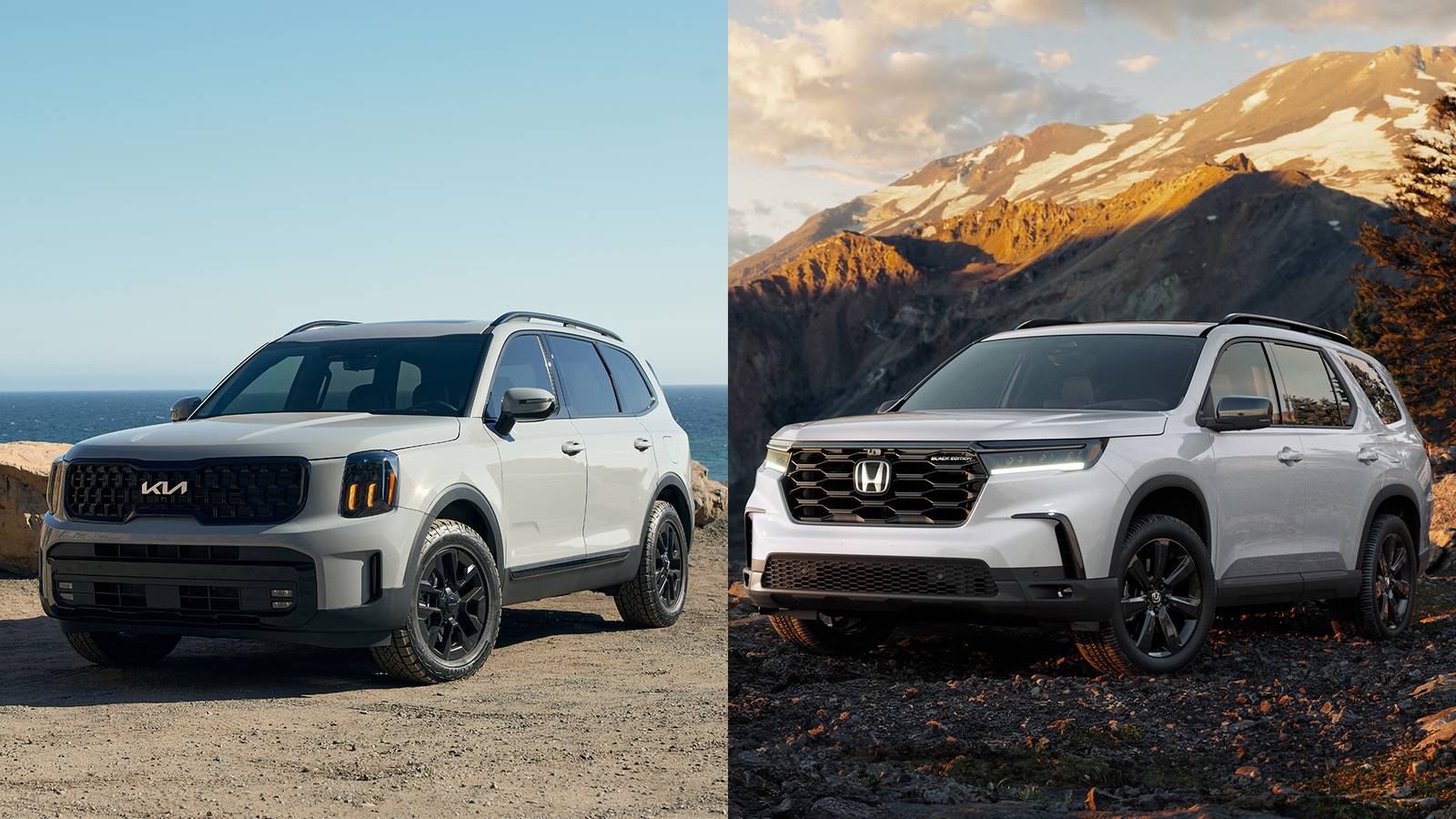
There’s an unspoken rivalry brewing in the world of three-row SUVs, one that doesn’t just pit two vehicles against each other but symbolizes a broader clash of philosophies in automotive design. The Kia Telluride and Honda Pilot have emerged as titans in this segment, each commanding attention not just for their specs, but for what they represent. The Telluride, with its bold styling and tech-forward approach, feels like the rebellious upstart challenging the establishment. The Pilot, meanwhile, carries itself with the quiet confidence of a legacy brand that has refined its craft over decades. This isn’t just a comparison of features—it’s a showdown between innovation and tradition, between the future and the tried-and-true. And as families grow, budgets tighten, and roads grow longer, the choice between these two SUVs becomes more than practical; it becomes deeply personal.
Design Language: Where Bold Meets Refined
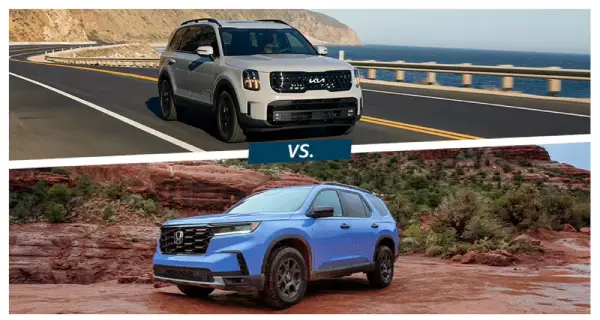
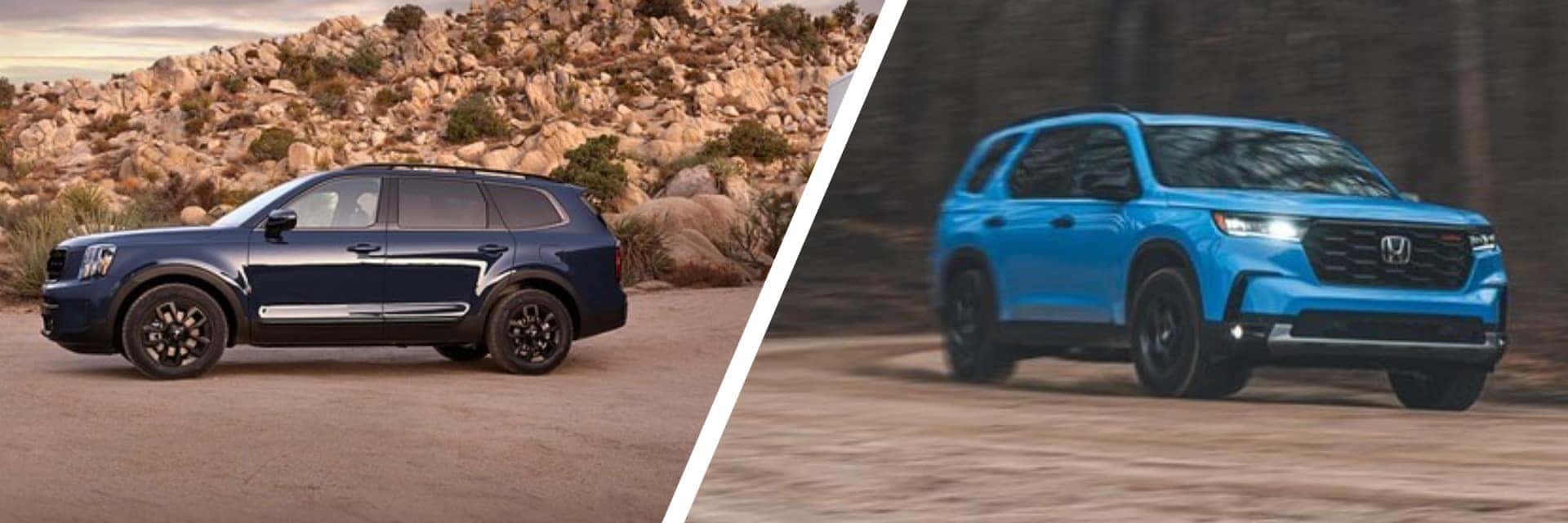
The first thing that strikes you about the Kia Telluride is its audacious presence. Kia has crafted a design language that doesn’t just turn heads—it demands a second glance. The cascading grille, sharp LED lighting, and sculpted body panels give it an almost futuristic edge, as if it’s ready to leap off the pavement at any moment. It’s a vehicle that refuses to blend in, a statement piece on wheels. The Pilot, by contrast, takes a more understated route. Honda’s design philosophy here is one of elegance and efficiency, with clean lines, a prominent front fascia, and a profile that whispers sophistication rather than shouting it. The Telluride feels like a rockstar; the Pilot, a seasoned diplomat. Yet, both excel in their own ways—one in making a bold first impression, the other in maintaining a timeless allure that never feels dated.
Interior Spaciousness: Room to Breathe and Beyond
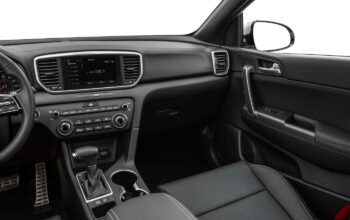
Step inside either SUV, and you’re immediately struck by the sheer volume of space. The Telluride offers a cavernous cabin with seating for up to eight, thanks to its available second-row bench. The materials are plush, the color schemes are modern, and the attention to detail is evident in every stitch and switch. The Pilot, while slightly more conservative in its aesthetic, doesn’t skimp on space either. Its three-row configuration is equally accommodating, with a second row that slides and reclines for maximum comfort. What sets the Telluride apart, however, is its ability to make even the third row feel like a premium experience. The Pilot, meanwhile, leans into practicality—durable surfaces, easy-to-clean fabrics, and a layout that prioritizes function over flair. It’s a matter of preference: do you want a space that dazzles, or one that simply works?
Performance and Driving Dynamics: The Thrill of the Road
Under the hood, the Telluride and Pilot offer distinct driving experiences. The Telluride’s 3.8-liter V6 engine churns out 291 horsepower, paired with an eight-speed automatic transmission that shifts with silky precision. It’s a powertrain that feels eager to respond, whether you’re merging onto the highway or navigating tight urban streets. The Pilot, on the other hand, opts for a more measured approach with its 3.5-liter V6, delivering 280 horsepower. But where the Pilot shines is in its refined ride quality. The suspension is tuned for comfort, absorbing bumps with ease and providing a serene driving experience. The Telluride, while not rough by any means, offers a slightly sportier feel, with more pronounced steering feedback and a livelier demeanor. If you crave engagement behind the wheel, the Telluride delivers. If you prioritize smoothness and quiet, the Pilot is your ally.
Technology and Connectivity: The Digital Frontier
In an era where technology is king, both SUVs bring impressive arsenals to the table. The Telluride’s infotainment system is a standout, featuring a massive 12.3-inch touchscreen with wireless Apple CarPlay and Android Auto. The interface is intuitive, the graphics are vibrant, and the voice command system is responsive enough to make even the most tech-averse driver feel at ease. The Pilot counters with its own 9-inch touchscreen, but it’s the seamless integration of Honda’s digital cockpit that steals the show. The customizable 10.2-inch digital instrument cluster and the available rear-seat entertainment system elevate the Pilot’s tech game. Both vehicles offer advanced driver-assistance systems, but the Telluride’s Highway Driving Assist and the Pilot’s Honda Sensing Suite provide different flavors of safety—one more proactive, the other more conservative. It’s a battle of innovation versus reliability, and both sides have their merits.
Fuel Efficiency and Long-Haul Capabilities
For families who log serious miles, fuel efficiency and long-distance comfort are non-negotiable. The Telluride, with its larger engine, returns an EPA-estimated 20 mpg in the city and 26 mpg on the highway. The Pilot, while slightly more efficient at 22 mpg city and 28 mpg highway, makes up for it with a more composed highway demeanor. Both vehicles excel in long-haul scenarios, but the Pilot’s quieter cabin and smoother ride make it the ideal companion for cross-country road trips. The Telluride, however, offers a more engaging driving experience, which can make the journey feel less like a chore and more like an adventure. It’s a trade-off between efficiency and excitement, and the right choice depends on what you value most.
Value Proposition: Bang for Your Buck
When it comes to value, the Telluride often emerges as the more enticing option. Kia packs the Telluride with features that feel like upgrades in higher-end vehicles, from ventilated front seats to a head-up display. The Pilot, while no slouch in the features department, tends to keep things more utilitarian. Its strengths lie in its reliability and resale value, which are both stellar. The Telluride, however, offers a more contemporary feel for a price that’s often lower than its competitors. It’s a vehicle that doesn’t just meet expectations—it exceeds them, often at a lower cost. The Pilot, meanwhile, is the safe bet, the choice for those who prioritize longevity and brand trust over flash. Both offer exceptional value, but in different ways.
Safety and Family-Friendly Features
Safety is paramount in a three-row SUV, and both the Telluride and Pilot deliver in spades. The Telluride’s suite of safety features includes blind-spot monitoring, rear cross-traffic alert, and a surround-view monitor, all standard across trims. The Pilot counters with Honda Sensing, which includes adaptive cruise control, lane-keeping assist, and collision mitigation braking. Both vehicles have earned top safety ratings, but the Telluride’s additional standard features give it a slight edge in sheer quantity. For families, the choice often comes down to specific needs—do you want more standard safety tech, or are you swayed by Honda’s reputation for reliability? Either way, you’re in good hands.
The Final Verdict: Which SUV Wins the Showdown?
The Kia Telluride and Honda Pilot are both exceptional three-row SUVs, but they cater to different desires. The Telluride is for those who want a vehicle that’s as stylish as it is functional, a head-turner that doesn’t compromise on space or tech. It’s the SUV for families who want to make a statement without sacrificing practicality. The Pilot, on the other hand, is for those who value refinement and reliability above all else. It’s a vehicle that’s designed to blend into the background, to do its job quietly and efficiently, without fanfare. Both SUVs excel in their own right, but the right choice ultimately depends on what you’re looking for in a family hauler.
At the end of the day, the Telluride and Pilot represent more than just two vehicles—they embody two different philosophies of automotive design. One is bold and unapologetic, the other is timeless and dependable. Both have their place, and both have earned their spot as leaders in the three-row SUV segment. The real question isn’t which one is better—it’s which one speaks to you. And perhaps, in that answer, lies the deeper fascination with these vehicles: the way they reflect our own desires, our own priorities, and our own visions of what a family SUV should be.