There’s a peculiar sort of romance that surrounds hatchbacks. They look compact but feel surprisingly agile, like they’re always ready for the next errand, the next backstreet shortcut, the next spontaneous café detour. And yet, behind the charm lurks a practical question that many people whisper to themselves in the showroom or scroll past in online listings: Should I lease a hatchback, or buy one outright? At first glance, it seems simple—monthly payments versus long-term ownership. But that’s only the surface gloss. The deeper fascination is about control: control over budgets, control over risk, and control over the way your car fits into your changing life.
Let’s walk through the real trade-offs with the kind of clarity that makes the decision feel less like a gamble and more like a deliberate choice—whether you’re drawn to the flexibility of leasing or the permanence of buying.
The Common Observation: “Lease Payments Feel Easier”
Most people notice the same thing first. A lease payment often looks lower than a loan payment. It’s the financial equivalent of a “starter entry” at a concert—easier to step in, easier to commit, easier to believe it’s the right move. But a hatchback lease can be like a glossy appetizer: satisfying in the moment, yet it doesn’t necessarily build a lasting foundation.
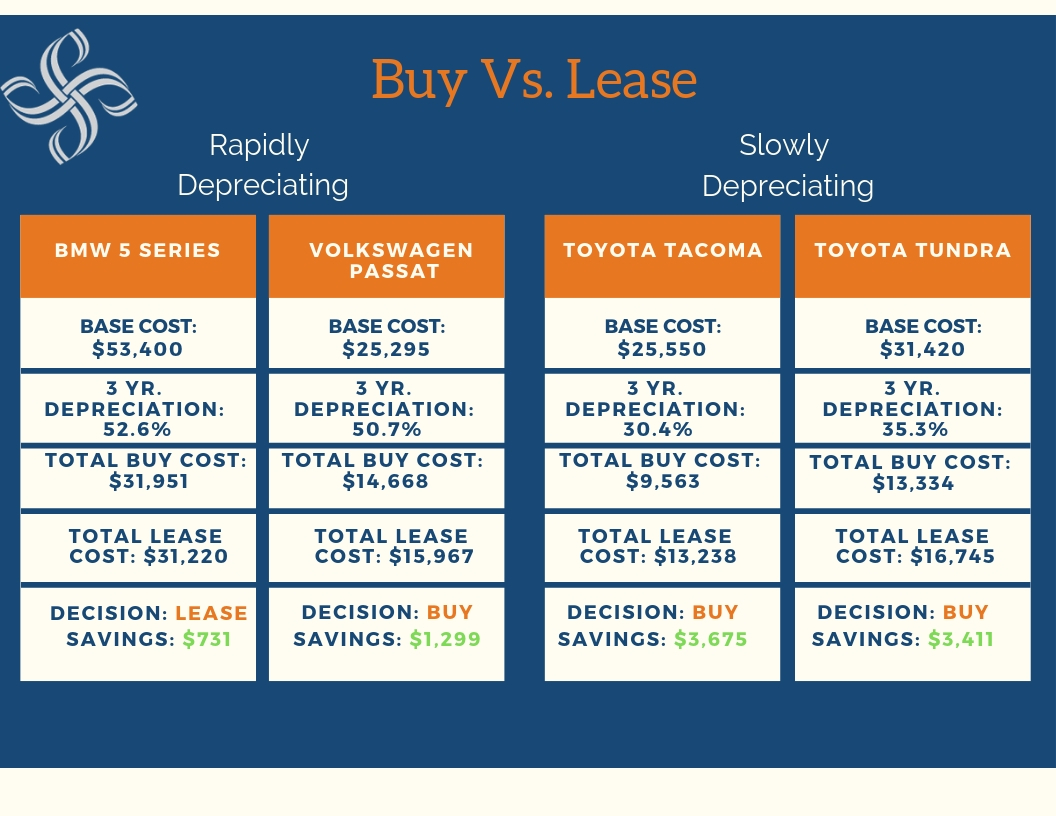
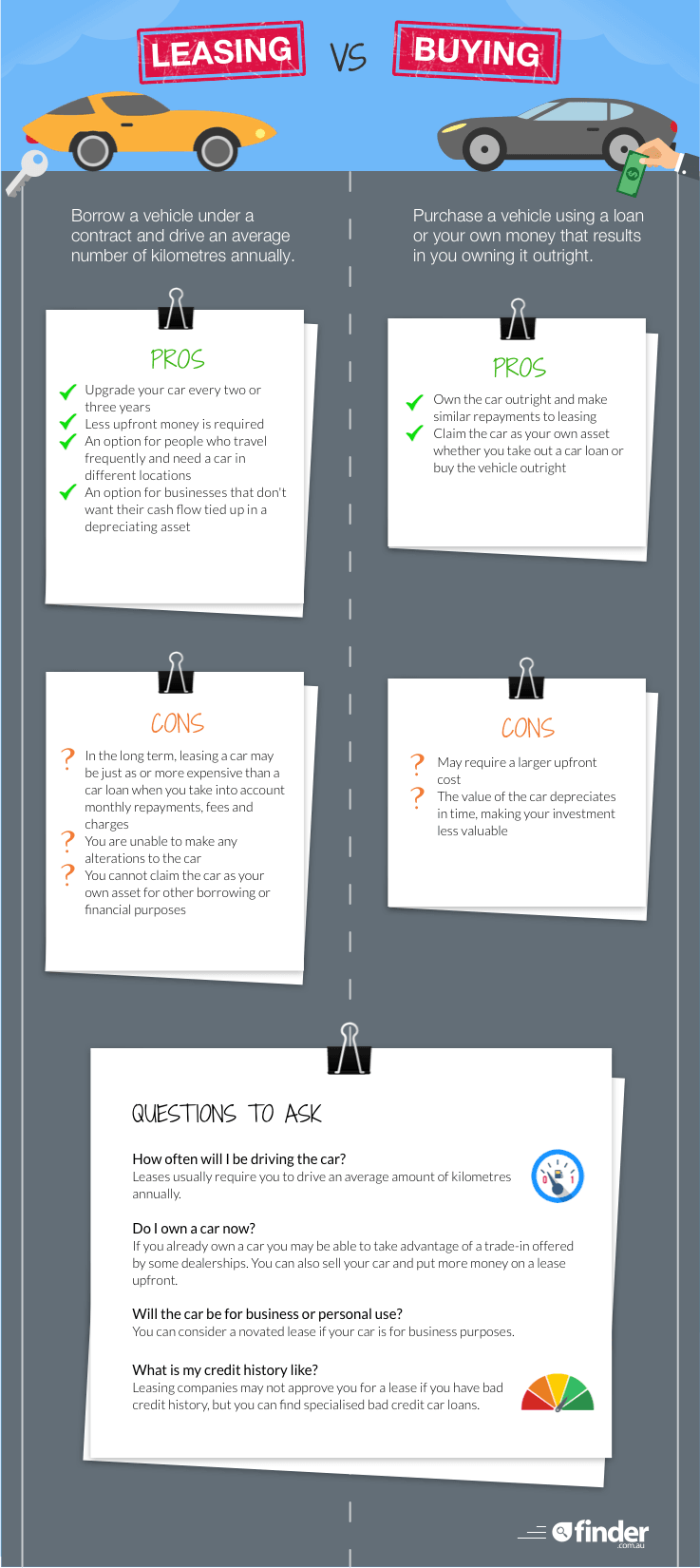
Leasing typically means you’re paying primarily for the vehicle’s depreciation during the lease term, plus fees and interest. That’s why monthly costs can appear friendlier. Meanwhile, buying means you’re paying down the full value (or your financed portion), so the monthly figure may look heavier. The observation is accurate—but incomplete.
The deeper reason people are drawn to leasing is psychological comfort. Predictable payments reduce decision fatigue. You’re less likely to worry about the moment you’ll “start getting your money’s worth.” It’s not just arithmetic; it’s peace of mind.
What You’re Really Paying For: Depreciation vs Ownership
When you lease, you’re essentially renting the right to use the car during a predefined window. The car’s value decline is the central character of the story. If the hatchback holds value well, the leasing arrangement can feel almost like a well-tuned machine. If resale values shift unexpectedly, you might feel the consequences during end-of-lease calculations—mileage charges or wear-and-tear assessments, for instance.
When you buy, depreciation is still real—cars don’t stay new forever—but you absorb it differently. You’re building an equity position, however small at first. Even if the hatchback’s value drops quickly, ownership gives you optionality: you can keep it longer than the contract horizon, sell it when the timing suits you, or run it into the ground if maintenance costs remain reasonable.
In short: leasing optimizes for access, buying optimizes for continuity.
End-of-Lease Reality: Mileage, Wear, and the Art of Staying Within the Lines
One of the most understated aspects of leasing is the discipline required. A lease isn’t just “drive and return.” It’s “drive and comply.” Mileage limits are common, and exceeding them can trigger per-kilometre (or per-mile) fees that feel like hidden tolls.
Then there’s wear-and-tear. A hatchback is an everyday tool—bags in the back, kids’ snacks, quick parking lot scrapes that don’t seem serious at the time. But lease inspections can be surprisingly exacting. A small curb rash can evolve from a minor annoyance into a line item.
If your lifestyle is flexible—short trips, steady routines, predictable schedules—leasing can fit neatly. If your life is the kind of plot that changes weekly—road trips, frequent commuting, last-minute detours—buying can shield you from constraint-based surprises.
The Ownership Effect: Equity, Customization, and Long-Term Confidence
Buying a hatchback tends to appeal to people who want a stable anchor. The deeper fascination here is autonomy. Ownership grants you the freedom to personalize without negotiating your choices with a contract’s fine print. Want better tires? Swap accessories? Keep the hatchback for years beyond the “suggested” lifecycle? You’re not asking permission—you’re just making decisions.
There’s also the emotional arithmetic of familiarity. Over time, you know how the car behaves in tight parking spaces, how the suspension handles potholes, how the infotainment system responds after a software update. That lived knowledge is hard to replicate when you’re cycling vehicles every few years.
And when you own the hatchback, you can strategize with maintenance. Rather than being pushed toward compliance deadlines, you can extend the vehicle’s lifespan through preventative care.
Cost Comparison Beyond Monthly Payments
It’s easy to compare only monthly figures. Yet the most meaningful comparison includes the “background noise” costs: insurance differences, registration, interest rates, upfront fees, and the final disposition of the vehicle.
With leasing, you may pay lower upfront costs, but there can be acquisition fees, disposition fees, and additional charges at return. With buying, you may pay more upfront through down payments or larger loan repayments, but you ultimately keep the asset and can recover value through resale.
Here’s a useful way to think about it. Leasing is like buying time—cleaner and faster. Buying is like investing in continuity—slower but accumulative. Neither is inherently superior. The “best” choice is the one that matches your timeline and your appetite for long-term responsibility.
Technology, Warranty, and the Hatchback’s Modern Life
Hatchbacks often come with modern driver-assistance features, updated safety systems, and infotainment upgrades that evolve quickly. Leasing can be compelling because it keeps you cycling through new technology at predictable intervals. If you love the latest safety tech or the thrill of a newer cabin experience, leasing aligns with that curiosity.
Buying doesn’t have to fight that impulse, though. Many hatchbacks come with warranties that cover the early years, and certified pre-owned programs can bridge the gap between new-car comfort and ownership economics. The key difference is your pace. Buying is a longer commitment; leasing is a shorter chapter.
In either case, you’re not only choosing a car—you’re choosing a relationship with technology.
Who Should Lease? Who Should Buy? A Practical Match
Leasing often suits people who value flexibility and predictability. Consider it if you drive within typical mileage, prefer driving newer vehicles, want fewer long-term uncertainties, and enjoy having a reset button every few years. A leasing structure can be ideal for those who move locations, change jobs, or expect life to evolve rapidly.
Buying often suits people who want stability and long-term savings potential. It’s a strong fit if you plan to keep your hatchback for many years, drive beyond common mileage thresholds, or dislike the possibility of end-of-lease charges. Buying also tends to reward those who approach maintenance like stewardship rather than expense.
Think of it this way: leasing is choreography. Buying is storytelling.
Final Thoughts: The Decision Isn’t Just Financial—It’s Personal
So, hatchback lease vs buy—what makes sense? If the word “sense” means minimizing risk of old-age repairs, negotiating control through contract boundaries, and keeping monthly budgeting tidy, leasing can feel like a perfectly sized glove for your lifestyle.
If “sense” means building ownership, creating equity, enjoying the freedom to keep and customize, and avoiding the constraints that come with returning a vehicle, buying often becomes the more confident move.
Ultimately, the choice reflects what you’re most fascinated by: the clarity of a short horizon, or the power of a long one. Choose the path that matches how you live, not just how you calculate.