There’s a particular kind of expectation that follows the Toyota Sequoia—one that sounds almost mythic. A big SUV, a big stance, and a sense that the road should make room. Yet when the latest Sequoia arrives with the i-Force Max hybrid system, the conversation changes. The familiar questions—How much can it tow? How does it feel in traffic? Is it truly a family fortress or just a polished poster?—shift into a subtler register. People don’t merely ask whether it’s powerful anymore. They ask whether it’s effortlessly powerful, and whether the hybrid architecture deepens the fascination rather than diluting it.
What looks like a straightforward evolution is, in practice, an invitation into a more intriguing kind of driving. The Sequoia doesn’t just move. It orchestrates momentum. That may sound poetic, but there’s a practical reason behind it—an undercurrent of torque availability, thermal management, and real-world drivability that’s easy to feel and surprisingly hard to forget.
First Impressions: The Sequoia’s Presence Isn’t an Accident
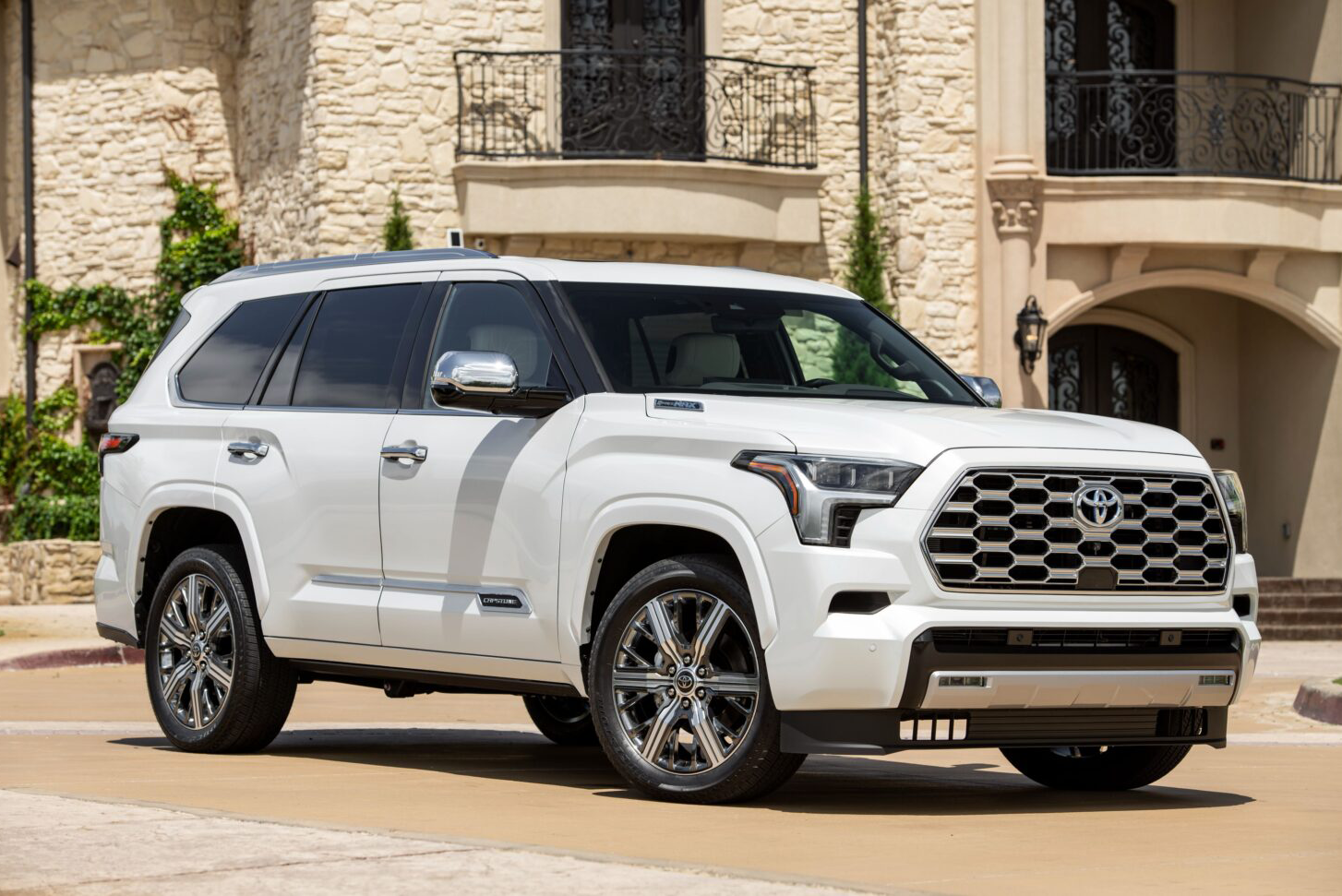
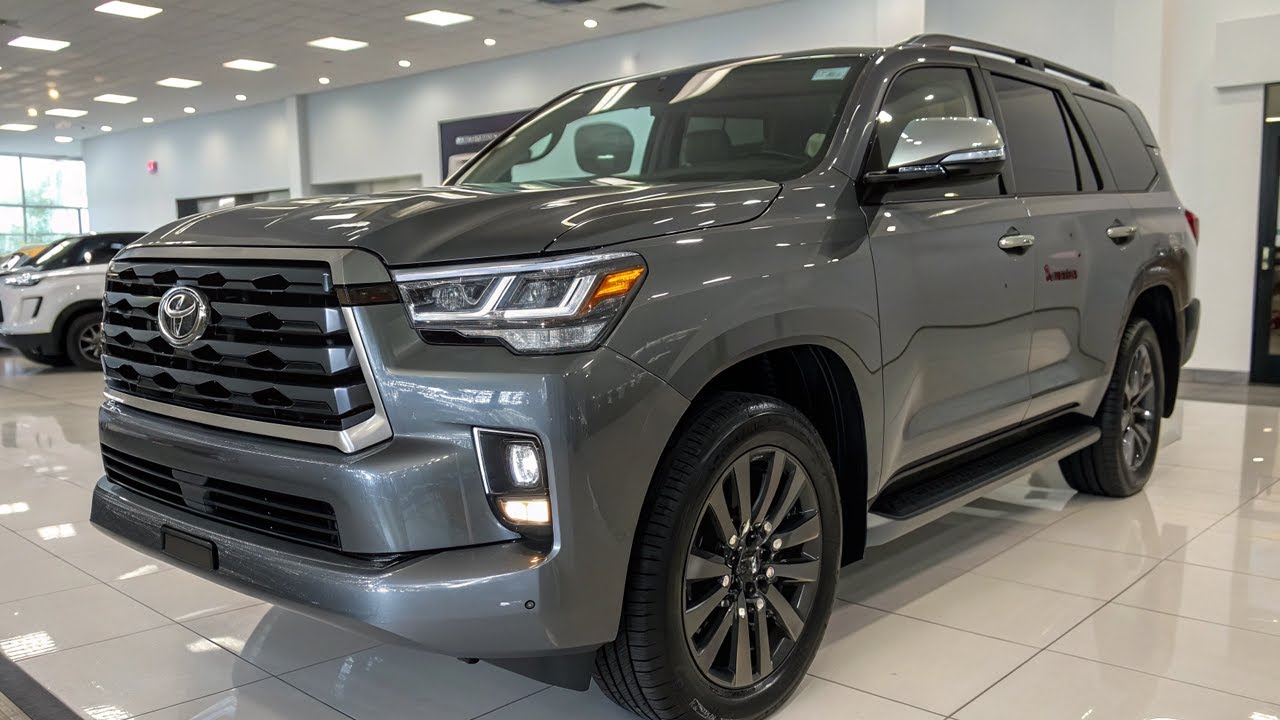
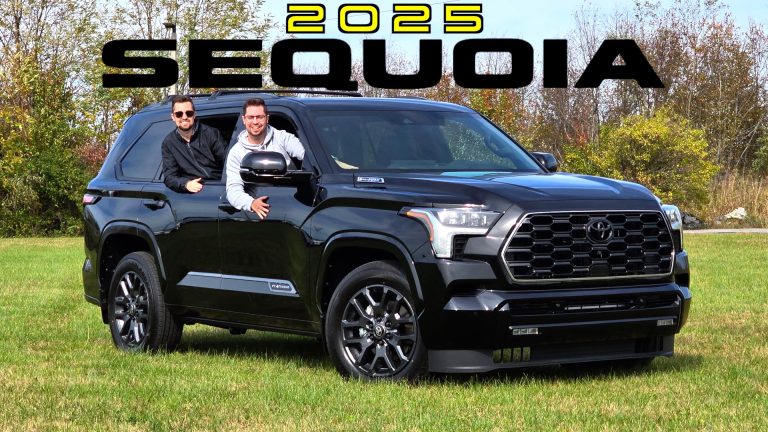
From the outside, the Sequoia communicates confidence with an almost architectural clarity. Its proportions are purposeful, not exaggerated for attention. The grille, the stance, and the overall silhouette work together like a well-tuned ensemble. Big SUVs often risk looking like they’re compensating. This one simply looks capable—like it has already done the long drive before you even sit down.
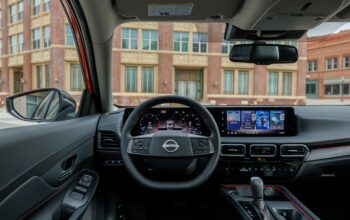
Spend a few minutes absorbing the cabin materials and you’ll notice a pattern: the design doesn’t chase novelty; it chases usability. Surfaces feel selected, not randomly chosen. Controls are positioned with a driver’s workflow in mind. That matters because a hybrid system can be mysterious on paper, yet it becomes intuitive when the surrounding ergonomics are clear and confident.
The i-Force Max Hybrid System: Why It Feels Different Than You Expect
A common observation about hybrid vehicles is that they can feel “transition-y”—smooth in some moments, slightly hesitant in others. The i-Force Max framework aims to prevent that. Instead of relying purely on gasoline to do the heavy lifting, it shares the work through an electrified torque contribution. The result is a sensation of immediacy when you press the accelerator. Not just faster. Earlier.
On paper, torque charts tell one story. In the driver’s seat, the story is about response timing. Hybrid systems can mask sluggishness by filling the gaps between ignition-driven output and driver demand. Here, that gap is treated like a solvable equation. When you accelerate—merging, climbing, or pulling out of a junction—the truck-like mass responds with fewer delays. The effect is subtle, but it’s the sort of subtlety that changes how often you think about the drivetrain.
There’s a deeper fascination too. Many drivers begin to notice how often the Sequoia anticipates the next phase of driving. It’s not psychic, but it feels coordinated. You shift less aggressively because the car stays poised. You plan merges with less urgency because the power arrives without drama. That’s why some people refer to these vehicles as “hybrid-behavior” masters. The behavior is the product.
Performance in Real Life: Power Delivery, Not Just Horsepower
Big SUVs live and die by the quality of their acceleration. It’s not only about top-end capability; it’s about the middle. Passing on two-lane roads, climbing to a scenic overlook, leaving traffic lights with purposeful momentum—these are the moments that reveal whether a vehicle is truly ready for life.
The Sequoia’s i-Force Max setup tends to shine during these everyday operations. When you ask for speed, it doesn’t feel like you’re waiting for the engine to catch up. Instead, the vehicle contributes power with a composed kind of authority. The engine still plays a leading role, but the hybrid system behaves like a stage manager, ensuring the performance lands on time.
Even when the ride is calm, there’s a sense that the drivetrain is never far from its optimal operating zone. That’s where fascination grows. You aren’t merely entertained by speed; you’re impressed by steadiness. The SUV moves like it understands where you want to go.
Handling and Ride Quality: The Art of Remaining Composed
Large vehicles sometimes feel busy on imperfect pavement—like the suspension is reacting rather than guiding. The Sequoia, however, aims for composure. The chassis and suspension tuning create a sense of controlled motion, smoothing out typical surface irregularities while keeping steering inputs connected to the road.
What’s interesting is the way the hybrid system can influence the entire driving feel. Because torque is available in multiple forms, the vehicle can manage propulsion with less reliance on aggressive engine revs. That can reduce the dramatic “engine-forward” sensation that some drivers dislike. The driving experience becomes more layered: road texture, steering feedback, and power delivery work together instead of competing for attention.
In other words, the Sequoia doesn’t just conquer distance. It makes distance feel less taxing.
Fuel Economy and Efficiency: The Question Everyone Asks—And the Better One
Yes, people want better mileage. But the more interesting question is: better mileage in what kind of life? A large SUV rarely behaves like a commuter car. It carries weight, and it invites spirited driving. The hybrid system’s real value emerges when stop-and-go traffic and varying speeds become the norm.
During deceleration and braking, energy recovery can help keep consumption in check. During low-speed maneuvers, the electrified assistance can reduce the need for heavy engine effort. That combination is how hybrid efficiency becomes practical rather than theoretical.
It’s also why some owners develop a kind of attentive curiosity. They begin to watch their driving habits—not obsessively, but intelligently—because the vehicle responds to finesse. Gentle inputs often translate to smoother transitions. Hard inputs are still possible, but the character of the drivetrain nudges you toward confident efficiency without forcing restraint.
Interior Comfort and Practicality: A Family Fortress With Purpose
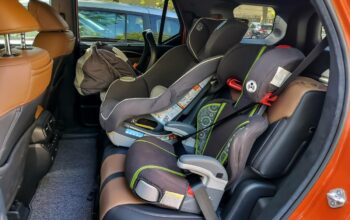
Inside, the Sequoia feels designed for the realities of family life. Long drives happen. Temperatures change. Snacks appear. Small problems become big problems when the cabin isn’t thoughtfully arranged. The Sequoia’s layout tries to minimize friction.
Visibility is another quiet advantage. Large vehicles often punish drivers with blind zones, but the Sequoia’s packaging prioritizes situational awareness. Mirrors, roofline, and window geometry create a more confidence-building environment. When the drivetrain is efficient and the cabin is composed, the whole journey feels less like managing challenges and more like enjoying movement.
Technology also plays a supporting role rather than becoming a distraction. The infotainment experience is oriented toward usability. Menus, shortcuts, and audio/comfort settings are meant to be reached without ritual. In a vehicle this size, convenience is not a luxury. It’s a safety feature in disguise.
Towing, Capability, and the Confidence Factor
Capability is where the Sequoia earns its reputation. Drivers want to tow trailers, haul equipment, and travel with the kind of certainty that doesn’t evaporate when the road tilts. The i-Force Max hybrid system contributes to a driving feel that can be calm under load—less about frantic acceleration and more about sustained momentum.
When the vehicle is towing, the hybrid logic can help smooth out torque delivery. Instead of relying solely on engine behavior, the system can assist in maintaining responsiveness. That matters on grades and during merging while fully loaded. You feel the SUV remain capable without sounding strained.
Confidence isn’t just raw power; it’s predictability. The Sequoia aims to be predictable.
Who Should Buy the Sequoia i-Force Max?
The Sequoia i-Force Max is for drivers who want a full-size SUV but don’t want to compromise on modern drivability. It suits families that prioritize comfort, road-trip energy, and practical space. It also fits buyers who care about efficiency without turning their vehicle into a compromise machine.
If you’ve ever thought, “I want a big SUV, but I don’t want a big fuel penalty and a big attitude,” the Sequoia offers a more nuanced answer. It’s not simply larger. It’s smarter in how it delivers motion.
Final Verdict: A Hybrid That Enhances the Myth
The most compelling aspect of the Toyota Sequoia Review—i-Force Max Hybrid—is how the fascination doesn’t diminish after electrification. It deepens. The Sequoia still feels like a big SUV built for real journeys, but now it adds an extra layer of responsiveness and efficiency that makes everyday driving feel surprisingly effortless.
Big vehicles often impress you in bursts. The Sequoia impresses you in continuity. It keeps its composure, delivers torque with restraint and readiness, and turns long-distance ambition into a more relaxed experience. In that sense, the i-Force Max hybrid system doesn’t just modernize the Sequoia. It refines the way the vehicle fulfills the promise drivers have always wanted from it.
And once you notice that refinement, it’s difficult to go back to vehicles that feel merely powerful. The Sequoia feels like it’s moving with intention—like the journey is part of the design, not an interruption to it.