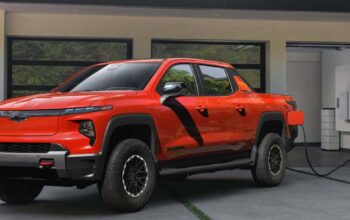
The Ford Ranger has long been a stalwart of the midsize pickup truck segment, celebrated for its rugged versatility and dependable performance. Now, the blue oval brand is steering the conversation toward the future with the introduction of the 2025 Ford Ranger Plug-In Hybrid (PHEV). This groundbreaking variant promises to redefine what it means to drive a workhorse without compromising on efficiency or environmental responsibility. As anticipation builds, enthusiasts and potential buyers alike are eager to uncover the details surrounding its U.S. release date, features, and the broader implications for the truck market. Let’s dive into what makes this electrified Ranger a game-changer.
The Dawn of a New Era: Why a Plug-In Hybrid Ranger?
The automotive landscape is undergoing a seismic shift, with electrification at its core. Ford’s decision to introduce a plug-in hybrid variant of the Ranger isn’t just a nod to industry trends—it’s a strategic leap into a segment hungry for innovation. Unlike traditional hybrids, which rely solely on regenerative braking and engine power, a plug-in hybrid offers the ability to recharge its battery via an external power source. This means the 2025 Ranger PHEV can cover significant distances on electric power alone, reducing fuel consumption and emissions during daily commutes or light-duty tasks.
The Ranger PHEV isn’t just about eco-friendliness; it’s about blending capability with conscience. Ford has engineered this model to retain the truck’s renowned towing and payload capacities, ensuring that even when the battery is depleted, the Ranger remains a formidable workhorse. For contractors, outdoor enthusiasts, and families alike, this duality of performance and sustainability presents an irresistible proposition.
Anticipating the Arrival: U.S. Release Date and Market Strategy
While the global unveiling of the 2025 Ford Ranger PHEV has already sparked excitement, the U.S. market is bracing for its arrival with cautious optimism. Industry insiders speculate that Ford will prioritize the Ranger PHEV’s U.S. debut in late 2025, aligning with the broader rollout of its electrified lineup. This timeline allows Ford to capitalize on the growing demand for hybrid vehicles while leveraging its existing dealer network to ensure a seamless introduction.
The phased rollout strategy suggests that initial availability may be limited to key metropolitan areas with robust charging infrastructure, such as California, the Pacific Northwest, and the Northeast. Ford’s marketing campaigns are expected to emphasize the Ranger PHEV’s lower operating costs, tax incentives, and reduced carbon footprint, appealing to both eco-conscious consumers and budget-savvy buyers. By targeting regions with stringent emissions regulations, Ford can maximize the model’s appeal while mitigating any potential teething issues.
Under the Hood: Powertrain and Performance Breakdown
The heart of the 2025 Ranger PHEV lies in its advanced powertrain, a meticulously engineered system designed to deliver both exhilarating performance and remarkable efficiency. At its core, the Ranger PHEV pairs a turbocharged 2.3-liter EcoBoost engine with an electric motor and a high-capacity lithium-ion battery pack. This hybrid setup generates a combined output of approximately 350 horsepower and 400 lb-ft of torque, ensuring that the Ranger retains its signature power and responsiveness.
What sets the PHEV apart is its electric-only range, estimated to be around 40 miles on a full charge. This range is more than sufficient for most daily driving scenarios, allowing owners to commute, run errands, or even tackle light off-road adventures without burning a drop of gasoline. When the battery is depleted, the Ranger seamlessly transitions to hybrid mode, utilizing the EcoBoost engine to extend the driving range to over 500 miles. Ford’s engineers have also fine-tuned the regenerative braking system, which captures energy during deceleration and feeds it back into the battery, further enhancing efficiency.

Charging Infrastructure: Bridging the Gap Between Convenience and Capability
One of the most critical considerations for any plug-in hybrid owner is the availability of charging infrastructure. Ford has partnered with leading charging networks to ensure that Ranger PHEV owners have access to a robust and user-friendly charging ecosystem. The Ranger PHEV is compatible with both Level 2 (240V) home charging stations and public DC fast chargers, allowing for quick top-ups during long trips or busy days.
For those without home charging solutions, Ford’s BlueCruise and FordPass apps will provide real-time updates on nearby charging stations, estimated charging times, and even route planning to minimize range anxiety. The company is also exploring partnerships with businesses and municipalities to install dedicated charging stations at key locations, such as shopping centers, parks, and workplaces. This holistic approach ensures that the Ranger PHEV remains as practical as it is innovative.
Design and Interior: Marrying Utility with Modernity
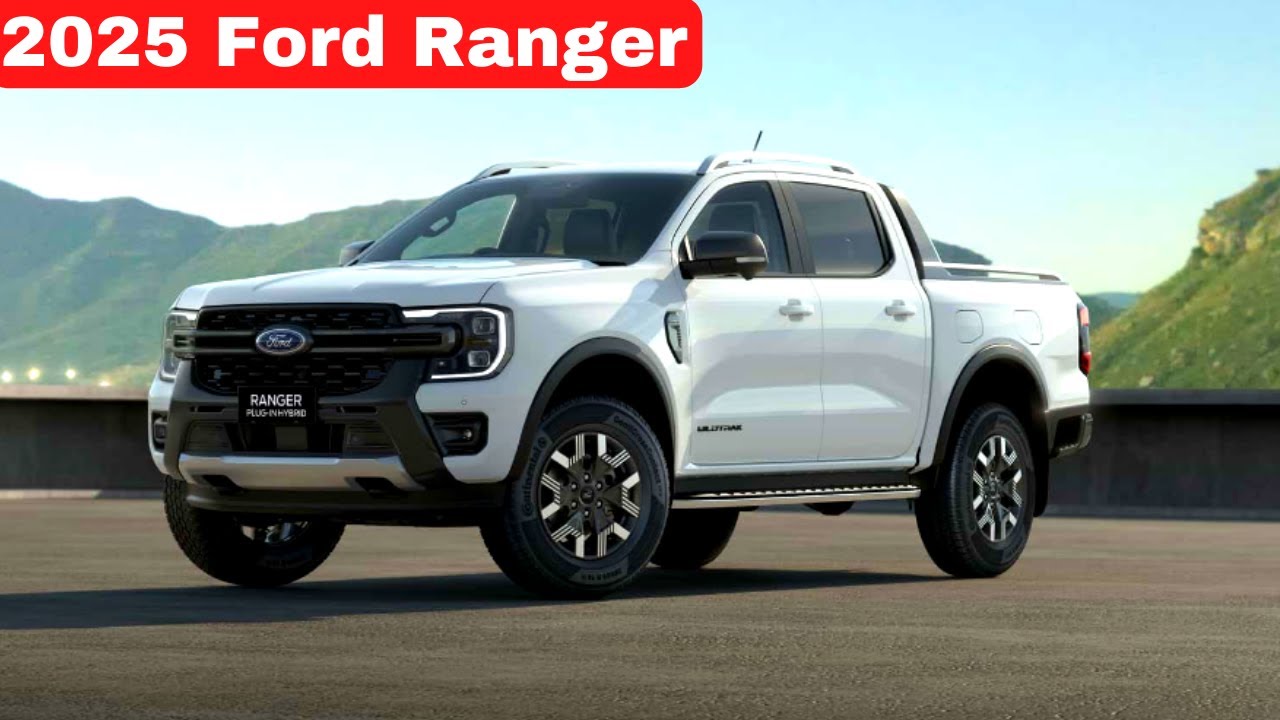
The 2025 Ranger PHEV retains the rugged, muscular styling that has made the Ranger a favorite among truck enthusiasts, but with subtle yet distinctive updates to signify its electrified nature. The front grille features a unique blue accent trim, while the badging proudly displays the PHEV designation. LED lighting elements, including signature lighting sequences, add a touch of modernity to the Ranger’s timeless design.
Inside, the cabin is a blend of rugged functionality and cutting-edge technology. The dashboard houses a 12-inch digital instrument cluster and a 12-inch touchscreen infotainment system, both of which are optimized for the Ranger PHEV’s hybrid-specific features. The interior also includes a dedicated charging port, climate control settings tailored for battery preservation, and ample storage solutions for work gear or outdoor equipment. Ford’s SYNC 4A system ensures seamless connectivity, with over-the-air updates and voice command capabilities to keep the Ranger PHEV at the forefront of innovation.

Driving Dynamics: A Smooth Transition Between Power Modes
Driving the 2025 Ranger PHEV is an experience that defies conventional expectations of a hybrid truck. The electric motor provides instant torque, delivering brisk acceleration and a near-silent ride at low speeds. The transition between electric and hybrid modes is imperceptible, thanks to Ford’s advanced powertrain control algorithms, which ensure a seamless and responsive driving experience.
The Ranger PHEV also features multiple drive modes, including an all-electric “Eco” mode for urban driving, a “Normal” mode for balanced performance, and a “Sport” mode for when the road demands more power. The adaptive suspension system further enhances ride comfort, automatically adjusting damping rates to absorb road imperfections or provide a firmer feel during spirited driving. Whether navigating city streets or tackling rough terrain, the Ranger PHEV adapts effortlessly to the driver’s needs.
Cost of Ownership: Savings and Incentives
One of the most compelling aspects of the 2025 Ranger PHEV is its potential to deliver significant long-term savings. With an estimated electric-only range of 40 miles, many owners will find themselves relying on gasoline only for extended trips, drastically reducing fuel costs. Ford estimates that the Ranger PHEV could save owners up to $1,500 annually in fuel expenses compared to a conventional Ranger.
Additionally, the Ranger PHEV qualifies for federal tax credits, state incentives, and local rebates, further enhancing its affordability. In states like California, where emissions regulations are stringent, owners may also benefit from HOV lane access and reduced registration fees. Ford’s financial services division is expected to offer competitive lease and financing options, making the Ranger PHEV accessible to a broader audience.
The Road Ahead: Ford’s Vision for the Future
The introduction of the 2025 Ranger PHEV is more than just a product launch—it’s a statement of intent. Ford is positioning itself as a leader in the transition toward sustainable mobility, without sacrificing the performance and utility that customers demand. The Ranger PHEV serves as a bridge between traditional internal combustion engines and fully electric vehicles, offering a practical solution for those not yet ready to make the full leap to EVs.
Looking ahead, Ford’s electrification strategy includes a broader lineup of hybrid and fully electric vehicles, with the Ranger PHEV serving as a cornerstone of this vision. The company’s commitment to innovation is evident in its investment in battery technology, charging infrastructure, and sustainable manufacturing processes. As the automotive industry continues to evolve, the Ranger PHEV stands as a testament to Ford’s ability to adapt and thrive in an ever-changing landscape.
The 2025 Ford Ranger Plug-In Hybrid isn’t just a truck—it’s a glimpse into the future of mobility. With its blend of power, efficiency, and versatility, it promises to redefine what it means to drive a midsize pickup. As the U.S. release date approaches, the anticipation is palpable, and the Ranger PHEV is poised to become a benchmark for the next generation of trucks. For those ready to embrace the future without compromising on capability, the wait is almost over.