There are cars that announce themselves with theatrical volume, and then there are machines like the Ferrari Roma—quietly radiant, dressed for the boulevard, and capable of turning a simple drive into a cinematic passage through space. The Roma isn’t merely a Grand Tourer; it’s a study in poise. It drifts between eras, capturing modern aerodynamic intention while keeping the emotional warmth of a classic Ferrari silhouette. Step closer and you feel it: a sense that every line, every curve, and every decision was arranged to flatter both the road and the traveler.
In this piece, readers can expect a guided tour through the Roma’s grand touring character—its design philosophy, power delivery, interior atmosphere, engineering details, real-world drivability, and the practical realities of living with a Ferrari that doesn’t ask you to behave like a spectator. Along the way, we’ll also explore what “elegance” means when it’s engineered, not just styled. Fasten your attention like a seatbelt. The journey is smooth—but it doesn’t lack voltage.
Grand Touring as a Design Philosophy
Grand Touring isn’t about brute force alone—it’s about rhythm. It’s the ability to glide at steady speed, then accelerate with purpose, then return to serenity without drama. The Ferrari Roma embodies this notion by balancing long-distance comfort with the kind of steering and throttle response that makes short trips feel newly invented.
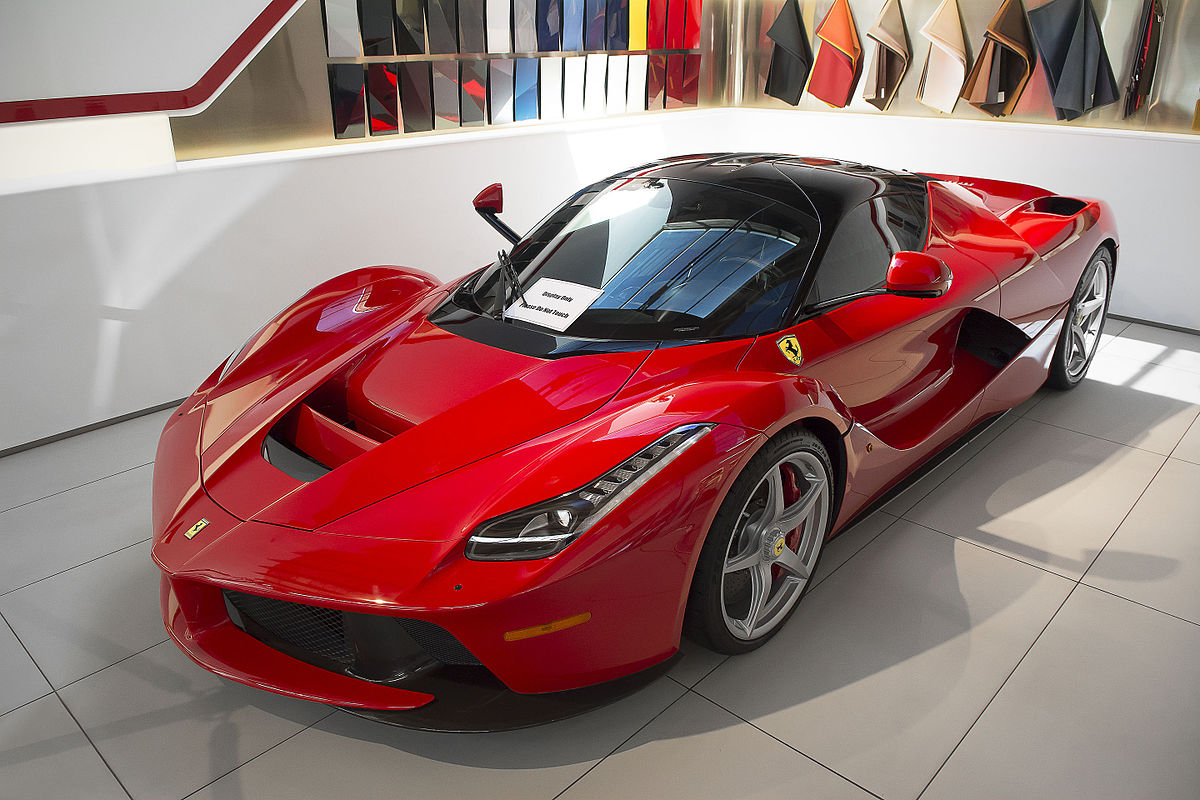
From the first glance, the Roma suggests motion even while parked. The proportions feel deliberate: a low stance, a long hood, and a cabin positioned to keep the driver and passenger at the center of a purposeful cocoon. It’s a silhouette that reads like a sentence spoken in one breath. Short words aren’t enough for this car. It demands a full paragraph—one with a beginning that seduces, a middle that thrills, and an ending that lingers.
Exterior Styling: Elegance with Aerodynamic Intent
The Roma’s exterior language is refined rather than flamboyant. Instead of shouting, it persuades. Sculpted surfaces create subtle gradients of light, so the bodywork behaves like polished lacquer under sun and streetlamps alike. Edges are crisp, but never jagged; they’re tailored. That tailoring matters because aerodynamics is partly physics, partly aesthetics. The car doesn’t just look aerodynamic—it acts aerodynamic.
Look at the front-end composition. The stance and lighting design produce a face that feels alert, like an artfully trained animal. At the rear, the proportions remain composed, allowing the vehicle to keep its elegance at speed. It’s the kind of design that doesn’t require constant attention to stay interesting; it reveals new details as you move around it, as though it’s remembering different conversations with the viewer.
Engine Character: Power That Feels Like Leverage
A Grand Tourer must deliver more than numbers; it must deliver emotion in usable forms. The Roma’s performance character is engineered to feel immediate yet not frantic. Acceleration arrives with confidence, like a well-tuned instrument hitting the correct note—no overreaction, just clean force.
In motion, the powertrain communicates through the pedals and the gearbox cadence, making every change of pace feel intentional. You can drive it calmly through city traffic, then open the throttle on an on-ramp and experience the car’s ability to transition from elegance to authority. The Roma’s thrust isn’t a sudden shove; it’s a measured crescendo.
Handling and Dynamics: Composed, Not Complicated
Driving pleasure often depends on how naturally a car translates driver input into motion. The Roma leans toward a kind of dynamic clarity—steering that feels informative, traction that inspires trust, and chassis behavior that stays disciplined when the road begins to write curves in invisible ink.
The suspension setup aims for a particular compromise: it should absorb the harshness of imperfect asphalt while keeping the car’s attitude crisp. When you take corners at higher speed, the Roma doesn’t behave like a nervous athlete. It behaves like an elegant conductor, orchestrating grip and balance with steady hands.
Even when pushed, the car remains readable. The driver doesn’t need to decode a puzzle; the chassis tells the story in a language of feedback and traction, with each adjustment met by predictable results.
The Cabin Experience: A Lounge with Ferrari Nerve
Step inside and the mood shifts from exterior allure to interior intimacy. The cabin is designed like a private gallery. Surfaces are chosen for tactility. Materials invite touch rather than merely decorate. The seating position places you low and forward, creating a sensation that the car is an extension of intention.
Grand touring should feel comfortable, but it should also feel special. The Roma accomplishes this by blending a driver-focused layout with an inviting atmosphere for the passenger. It’s not a sterile cockpit; it’s a refined retreat. Long drives become less about enduring distance and more about enjoying the passing scenery with a sense of calm control.
Controls and displays are arranged for quick understanding, helping you keep eyes where they belong—on the horizon. A Ferrari interior should never steal attention; it should refine it.
Technology and Usability: Comfort Meets Confidence
Modern Grand Touring must be technologically fluent without becoming emotionally sterile. The Roma delivers a dashboard experience that feels intuitive. Navigation, connectivity, and driving assistance features work as quiet co-pilots, helping you manage pace, routes, and routine decisions.
While the Roma is unmistakably performance-oriented, it also aims to be livable. That means thoughtful ergonomics, manageable cabin ergonomics, and systems designed to support daily rhythm. Elegance includes usability—the subtle convenience that makes the car feel like it belongs to real life rather than only to headlines.
Sound, Smell, and Sensation: The Sensory Signature
Part of why people fall for Grand Tourers is sensory memory. The Roma contributes to that memory with the way it sounds under acceleration, the way it communicates through vibrations, and the way the cabin atmosphere feels when you settle into motion. Even at steady cruise, the car carries an undercurrent of presence, a reminder that performance is always nearby.
The sensation of speed here isn’t only visual. It’s tactile: the subtle tightening of the body as acceleration begins, the quick hush as you lift and regain balance. It’s a choreography that makes each drive feel deliberately composed.
Real-World Drive Scenarios: From City Threads to Open Highways
What makes the Roma truly persuasive is its versatility across different landscapes of driving. In urban environments, it can be maneuvered with civility, gliding through tighter streets without feeling like an obstinate artifact. The steering and throttle mapping support finesse, allowing smooth progress rather than jerky urgency.
On open highways, the Roma becomes a specialist in long-distance ease. The cabin quietness and stable ride behavior help reduce fatigue. It encourages a cruising mindset—one where you can maintain momentum while staying relaxed. Then, when the road offers invitation—an empty stretch, a sweeping curve, a clear horizon—you feel the car’s performance shift into focus.
Ownership Perspective: The Meaning of a Grand Touring Ferrari
Owning a Ferrari involves more than parking and paperwork. It involves understanding that the car is an experience machine, not simply a mode of transport. The Roma’s appeal lies in its ability to fit into both celebratory and routine contexts. It’s the kind of vehicle that can headline a weekend outing and still feel appropriate for a well-planned daily drive.
Readers considering this car will likely weigh maintenance considerations, tire and brake wear typical of performance driving, and the importance of proper care to preserve the vehicle’s dynamic feel and aesthetic finish. Elegance is sustained by consistency—cleanliness, thoughtful driving, and attention to mechanical health.
Why the Ferrari Roma Stands Out
Many cars offer speed. Fewer offer serenity with speed embedded inside the architecture. The Ferrari Roma stands out because it treats elegance as a full-spectrum engineering goal. It’s designed to be visually captivating without becoming theatrical, fast without being aggressive, and luxurious without being detached from the driving thrill.
In a world of increasingly complicated automobility, the Roma remains elegantly coherent. It feels like a Grand Tourer that respects the driver’s role, inviting you to participate rather than merely consume the experience.
Outro: The Road as a Stage
The Ferrari Roma doesn’t chase attention—it collects it. It gathers it through restraint, through balance, through a sense of movement that begins before the engine even wakes. Whether you’re carving through a familiar route or discovering new roads with fresh curiosity, the Roma provides a particular kind of satisfaction: the feeling that every element—design, power, dynamics, and comfort—has been tuned to support your journey.
When the miles stretch out ahead, the Roma doesn’t simply carry you forward. It escorts you. And once you’ve felt that combination of grand touring elegance and Ferrari nerve, the idea of “just getting there” quietly loses its appeal.