Picture this: you’ve just signed the paperwork for a 2026 BMW M3. The keys feel warm in your palm, the cabin smells faintly of new materials, and your mind immediately starts tallying—power, prestige, and that unmistakable “M” swagger. But then a slightly mischievous question nudges in from the side of the room: what does the real ownership bill look like over five years?
It’s easy to fixate on the sticker price. Yet the true cost of ownership is a mosaic—fuel, routine maintenance, insurance, tires, fluids, and the small surprises that arrive uninvited. This is especially true for a performance machine like the M3, where engineering excellence is matched by the expectation of careful care. So let’s walk through a 5-year total cost lens for owning a 2026 BMW M3, focusing specifically on Gas, Maintenance, and Insurance.
Before the Numbers: What Makes the 2026 M3 “Costly” in a Distinctive Way?
The 2026 BMW M3 is not just transportation; it’s an event. That matters for your budget because performance cars tend to amplify spending categories that conventional sedans glide through. You’ll likely experience higher fuel consumption during spirited drives, more frequent tire replacement, and maintenance that—while not necessarily more frequent in every case—can be more expensive in parts and labor.
Now add insurance. Insurers often treat high-performance vehicles differently due to repair costs, theft profiles, and risk modeling. Even if you drive conservatively, the vehicle’s profile can tilt premiums upward.
Here’s the potential challenge: the costs won’t always arrive in neat monthly installments. Some are predictable (oil changes), others are probabilistic (tire wear, brake work), and one category—insurance—can shift with market conditions and underwriting rules. That unpredictability is the part most owners don’t plan for until it’s already happening.
Gasoline Expense Over 5 Years: The Quiet Budget Thief
Fuel costs are rarely dramatic, but they accumulate with relentless persistence. Your actual gasoline spend depends on your driving pattern: commute-only miles behave differently than weekend canyon runs. The M3 tends to reward “just a little more throttle,” and that enthusiasm often shows up at the pump.
To estimate 5-year gasoline totals, you’ll want three variables: annual mileage, real-world mpg, and gas price. Even small variations can noticeably change the math. For example, a modest drop in fuel economy—caused by colder weather, aggressive driving, or heavier traffic—can add up faster than people expect.
Consider this your planning reality check: if you treat the M3 like a regular car, fuel costs might land closer to your assumptions. If you treat it like an M car—because, well, it is—you may find yourself rewriting your forecast midway through year one.

Maintenance Costs: Where “Routine” Becomes “Not Cheap”
Maintenance is the category that looks straightforward on paper and then becomes more nuanced once you’re living with the vehicle. For a BMW M3, routine service items usually include oil and filter changes, brake inspections, tire rotations, fluid checks, and periodic inspections of suspension components and cooling systems.
The challenge is that performance-oriented hardware can bring higher part costs. Tires, for instance, are a frequent conversation starter among M owners. Brake components can also run pricier than those on mainstream cars, especially when driving habits lean toward spirited performance.
Over five years, you’ll likely see maintenance spending follow a pattern: steady baseline costs at first, then gradual increases as wear items accumulate. Some vehicles distribute costs like a gentle snowfall. The M3 can deliver a more noticeable “accumulation slope,” particularly around consumables.
One practical budgeting tactic: separate your maintenance into predictable and reserve buckets. Predictable includes scheduled services. Reserve includes the “could be this year” items—like brake fluid service, additional inspections after hard driving, or unplanned component replacements that occur despite good habits.
Insurance Over 5 Years: Premiums, Variables, and the Risk Equation
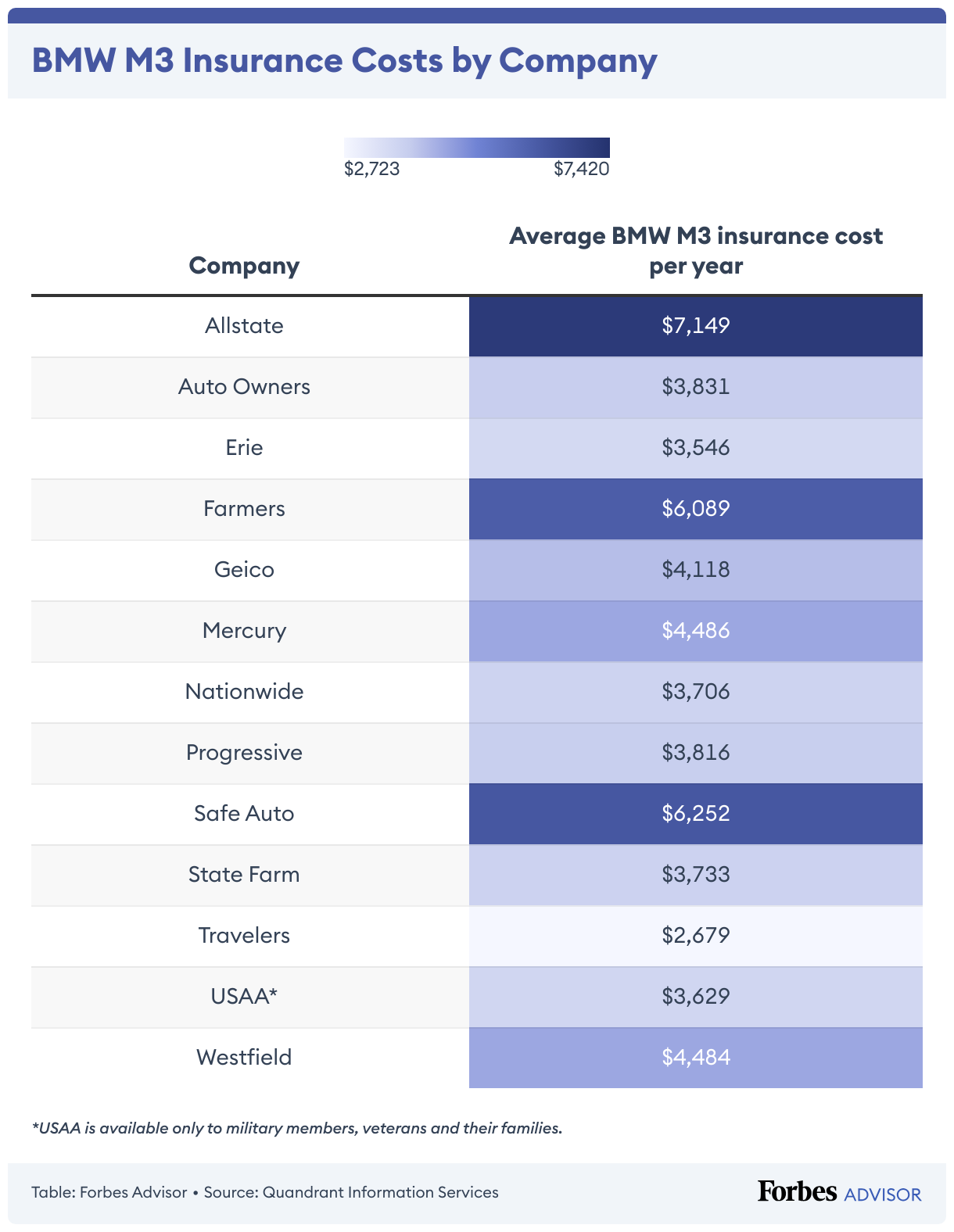
Insurance is the most psychological cost category for many owners. It’s never “just a bill.” It’s a constant reminder that the car’s value is not only financial—it’s also statistical. Performance vehicles often cost more to insure because repairs may be more expensive, replacement parts are specialized, and the vehicle’s appeal can attract higher theft or damage frequency in some areas.
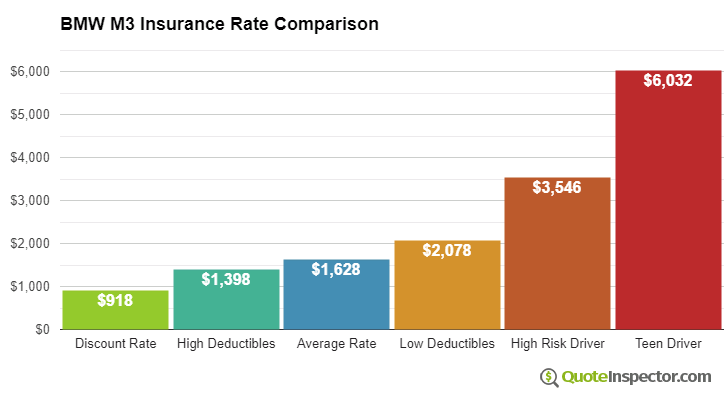
Premiums can also fluctuate depending on driver profile (age, credit tier where applicable, driving record), location, coverage level, and even how insurers interpret changes in local claim trends. That means your 1st-year insurance premium may not match your 4th-year premium.
The practical challenge? Many owners plan insurance as if it’s a static number. In reality, it can behave like weather—predictable in seasonality, unpredictable in intensity.
The 5-Year Total: Gas + Maintenance + Insurance as a Unified Budget Story
When you combine gasoline, maintenance, and insurance, you begin to see the ownership narrative: the M3 isn’t simply “a purchase.” It’s a financial relationship.
Gasoline typically provides the most continuous spend. Maintenance is more periodic but can spike when wear items demand attention. Insurance is ongoing, and its total can swing with policy renewals and market changes.
If you want a clean way to model the 5-year total, treat each category as its own “mini projection.” Then add them together into a unified forecast that includes a modest contingency reserve. This is not pessimism—it’s sensible underwriting of your personal budget.
Finally, remember that the 5-year horizon often includes at least one moment where priorities shift. Maybe you add more miles. Maybe you change coverage. Maybe a life event alters your driving frequency. The totals you calculate today should remain flexible enough to survive reality.
Cost Optimization Without Sacrificing the M3 Spirit
You don’t need to neuter your experience to reduce costs. Smart choices can lower the friction while keeping the joy intact. Consider these levers:
Driving strategy: Smooth acceleration and fewer hard braking cycles can improve fuel economy and reduce wear on brakes and tires. Shortcuts don’t always save time if they cost you consumables.
Service discipline: Sticking to recommended maintenance intervals helps prevent “small problems” from becoming “expensive chapters.” Performance cars reward attentive ownership.
Tire planning: Matching tire selection to driving conditions—rather than buying purely on aesthetics—can influence longevity and grip consistency.
Insurance calibration: Review deductibles and coverage annually. Sometimes adjusting limits and deductibles can materially affect premium totals. It’s also wise to ensure your vehicle information is accurate at renewal time.
Common Budget Pitfalls Owners Don’t See Coming
Here are the traps that quietly complicate a 5-year cost plan:
Underestimating miles: Many owners revise their annual mileage upward without realizing it. More miles usually means more fuel and more wear.
Assuming one-time insurance: Insurance premiums can change at renewal, particularly if claim trends shift or if your personal risk profile changes.
Ignoring consumables: Tires and brakes are not “optional extras.” They are integral to performance ownership.
Skipping contingency: Even careful maintenance leaves room for surprises. Setting aside a buffer protects the rest of your financial plan.
Final Thoughts: Is the 2026 BMW M3 Worth the 5-Year Math?
At the end of the five-year journey, you’ll likely feel two truths at once: the 2026 BMW M3 delivers undeniable exhilaration, and the cost of keeping that thrill alive is real. Gas, maintenance, and insurance form the backbone of the ownership budget, each with its own rhythm—some steady, some spiky, some unpredictable.
The key is to treat your projection like a living document. Estimate thoughtfully. Budget with a contingency. Review insurance during renewals. And when the mischievous question returns—“What will this really cost?”—you’ll be ready with more than hope. You’ll have a plan.