Every era of automotive imagination seems to circle the Corvette name like a moth to a porch light. It’s not only the performance reputation, nor the familiar low stance and sharply drawn fascia. It’s the emotional signal: the idea that speed can still feel artful. So when the conversation turns to a Chevrolet Corvette SUV (electrified), a common observation surfaces immediately—why would a legend made for apexes consider an SUV posture at all?
The answer, at least in rumor and rendering, is more layered than it first appears. The surface narrative is straightforward: electrification broadens design latitude and marketing reach. Yet the deeper fascination is subtler. A Corvette SUV isn’t merely a taller body. It’s a new kind of mythmaking—one that aims to keep the Corvette’s theatricality while translating it into a different era’s vocabulary of torque, software, and battery packaging.
Let’s walk through what the whispers suggest, what the renderings hint at, and why this imagined electrified Corvette SUV keeps pulling attention from both skeptics and believers.
From Low-Slung Icon to High-Definition Presence
The Corvette has always carried a specific geometry of desire. Even when standing still, it looks ready to move—its proportions tend to compress space, as if the road is closer and the future is nearer. An SUV shifts that calculus. It expands the surface area that can communicate attitude: beltlines, greenhouse shape, and the vertical drama of wheel arches.
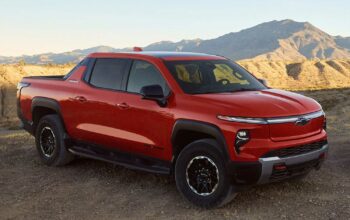
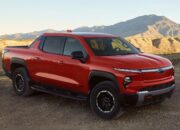
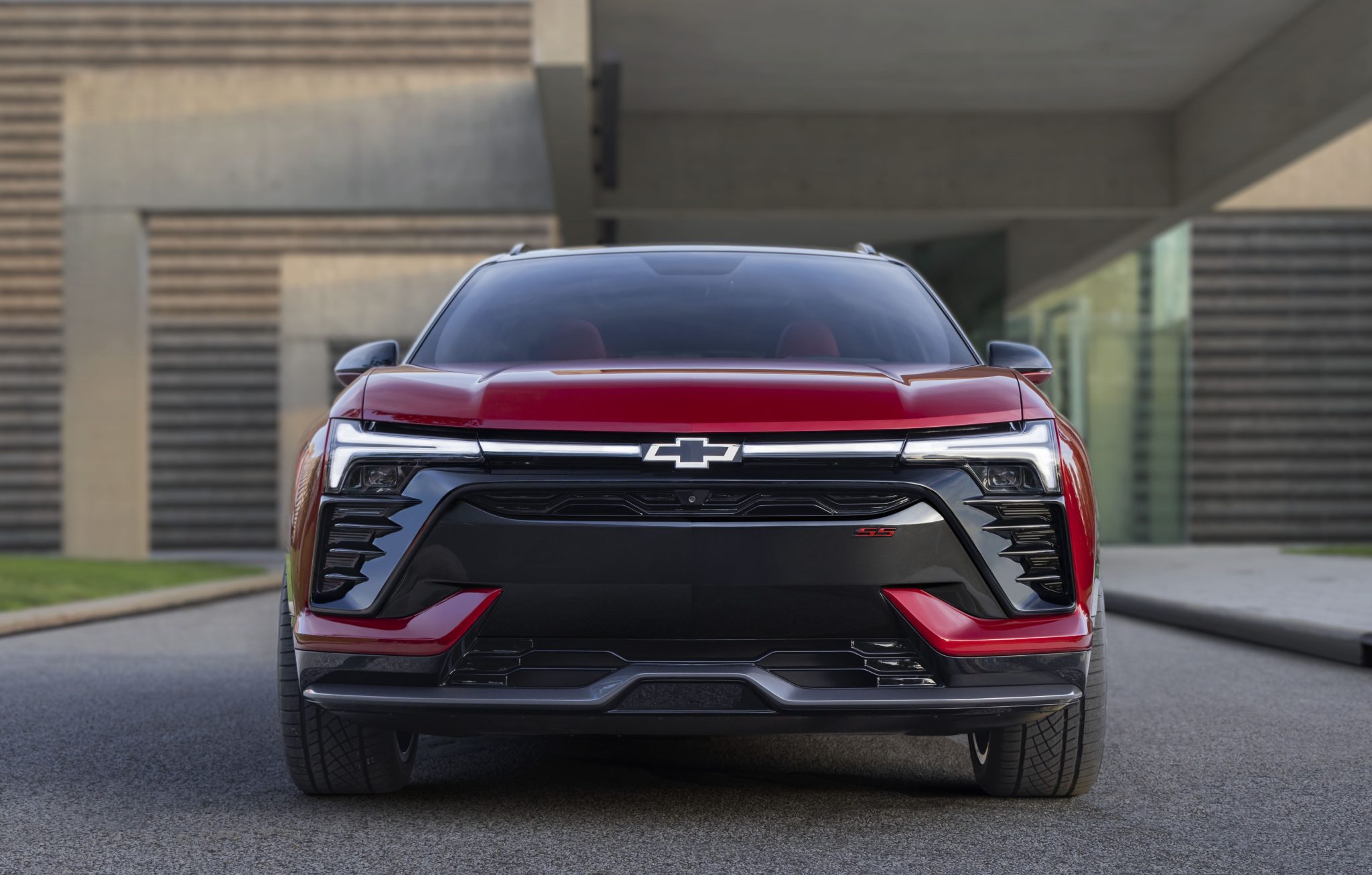
In the imagined electrified Corvette SUV, the intent seems to be the opposite of dilution. Instead of smoothing the character, the design language appears to be reinterpreted. Look at the way the front end is rendered with a confident, almost sculptural aggression. The stance reads purposeful rather than bulky. The silhouette, while taller, tries not to become generic.
This is a crucial point. Enthusiasm for a Corvette SUV tends to be less about “SUV-ness” and more about whether the design can preserve the Corvette’s signature tension between elegance and velocity.

Electrification: Not Just Power, But Packaging Philosophy
Electric propulsion doesn’t simply replace an engine. It reorganizes the entire architecture of intention. Battery placement, inverter routing, thermal management, and crumple structures all compete for space. In a conventional vehicle, these requirements can produce compromises. In an electrified concept, they can also enable new forms.
A rumored Corvette SUV would likely benefit from that flexibility. Without the long, twisting constraints of a traditional powertrain bay, designers can reallocate volume. That might explain why some renderings show clean, continuous visual surfaces—less clutter behind the grille, more emphasis on aerodynamic edges, and a cockpit that appears pulled forward.
There’s another dimension: torque. Instant response invites a different kind of driving persona. An SUV is often associated with steadier motion, but electric torque can make it feel responsive and urgent. That immediacy can mimic the Corvette sensation of “ready now,” even if the vehicle sits higher above the asphalt.
In other words, electrification could be the functional bridge that keeps the Corvette spirit alive—turning mass into momentum rather than merely carrying it.
A Rendered Road Map: How Exterior Cues Tease the Platform
Renderings can be playful, but they also betray recurring logic. The electrified Corvette SUV imagery tends to emphasize a few consistent motifs: aggressive lighting signatures, purposeful wheel sizing, and aerodynamic detailing that doesn’t look like afterthoughts.
Front-end proportions are especially revealing. When concept artists sharpen the fascia and refine the headlight shapes, they’re usually trying to maintain brand recognition while modernizing the identity. A Chevrolet badge may anchor the brand, but the Corvette “energy” comes from the interpretation of symmetry, sharpness, and tension lines.
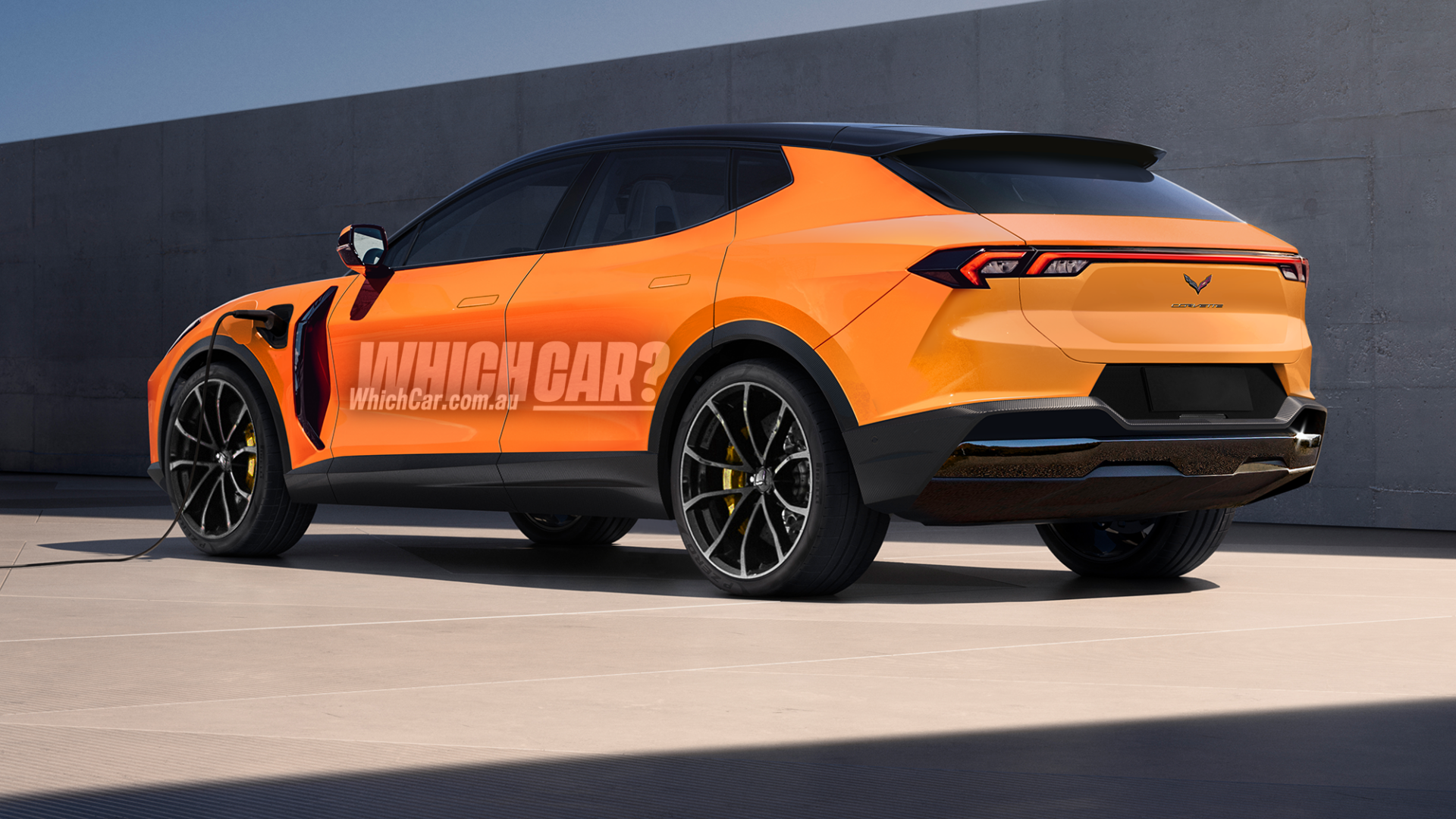
Then there are the side profiles. If the render suggests strong character creases and a deliberate shoulder line, it implies attention to airflow and stability at speed—attributes that correlate with performance aspirations. Even if the vehicle is an SUV, the design language tries to behave like a sports machine.
Why a Corvette SUV Feels Inevitable—And Why That’s Still Strange
The strange part isn’t the idea of Corvette electrification. That already fits the trajectory of modern automotive reality. The truly eyebrow-raising notion is the SUV body style.
Yet inevitability often hides inside consumer behavior. Drivers want versatility without surrendering identity. They want comfort, usable space, and practical capability—while still craving the emotional jolt of distinctive styling. An electrified Corvette SUV could be a way to offer “two truths” at once: everyday readiness and thrilling character.
There’s also a broader industry rhythm at play. Carmakers increasingly use derivatives—shared platforms, shared philosophies—to spread engineering risk and reduce costs. A Corvette SUV rumor can be read as a signal that performance brands are seeking longevity through scalable architecture rather than one-off experimentation.
But fascination persists because people don’t just buy cars. They buy narratives. A Corvette SUV asks a provocative question: can legend survive translation?
Performance Expectations: The Silent Role of Software
In the electrified world, performance is not merely hardware. It’s also governance. Traction control becomes more nuanced. Torque distribution can be orchestrated. Drive modes can reshape personality with a few parameters.
If the concept truly aims for a Corvette-level identity, it would likely treat software as a tuning instrument. The “feeling” of a sports car can emerge from how the vehicle measures wheel slip, how quickly it reacts to steering inputs, and how power delivery is staged to emphasize drama without sacrificing composure.
An SUV format might even enhance this narrative. With higher ride height and broader usability, the vehicle could be positioned as an all-day performance machine—something that can launch hard in the city, cruise quietly at speed, and still feel athletic when the road turns unruly.
That combination is precisely why enthusiasts keep watching these rumors. The allure isn’t only speed. It’s the promise of a wider range of speed.
The Deeper Fascination: A New Myth for a New Audience
Corvettes have always been about accessible heroism. The car performs like a dream but has a certain approachable swagger. A rumored electrified SUV reframes that approach for an audience that values sustainability, tech sophistication, and practicality.
There’s a subtle psychological shift here. Many people now associate “future” with software-defined experiences rather than mechanical wizardry. A Corvette SUV—if imagined with clear performance intent—could become a cultural bridge between heritage and modernity.
Even the renderings contribute to this mythmaking. They don’t depict an appliance. They depict character. A Corvette SUV concept artwork tends to avoid blandness—opting for sharp lines, confident stance, and a face that looks like it’s saying, “I’m still a Corvette.”
That’s the deeper reason fascination refuses to fade: the promise of continuity. Not continuity of the old engine, but continuity of attitude.
What to Watch Next: Signals Behind the Curtain
Rumors can be vague, but they often correlate with tangible indicators. Watch for details that speak to feasibility: battery capacity estimates, charging architecture language, thermal system references, and platform hints that suggest an SUV could still deliver sports-car dynamics.
Also look for communication patterns. If design teasers emphasize performance lighting signatures, aerodynamic efficiency, and stance-driven proportions, it’s likely more than a corporate experiment. It suggests a serious attempt to preserve the Corvette’s visual and behavioral identity.
Finally, monitor how the strategy is framed. Is this imagined vehicle presented as a standalone statement, or as the first chapter in a broader electrified performance lineup? The answer will reveal whether the SUV is meant to be a one-off spectacle or the start of a durable new ecosystem.
Conclusion: The Allure of a Taller Legend
A Chevrolet Corvette SUV, electrified in rumor and rendered in fantasy, may sound like a contradiction at first. Yet contradictions are often where culture renews itself. The SUV form offers space and everyday relevance. Electrification offers immediacy and architectural freedom. Together, they create a compelling question—one that renderings keep answering with styling cues and attitude.
The fascination isn’t merely about whether an SUV can be fast. It’s about whether the Corvette myth can evolve without losing its pulse. If the imagined details align with real engineering, the future could arrive with a taller stance—and still feel unmistakably Corvette.