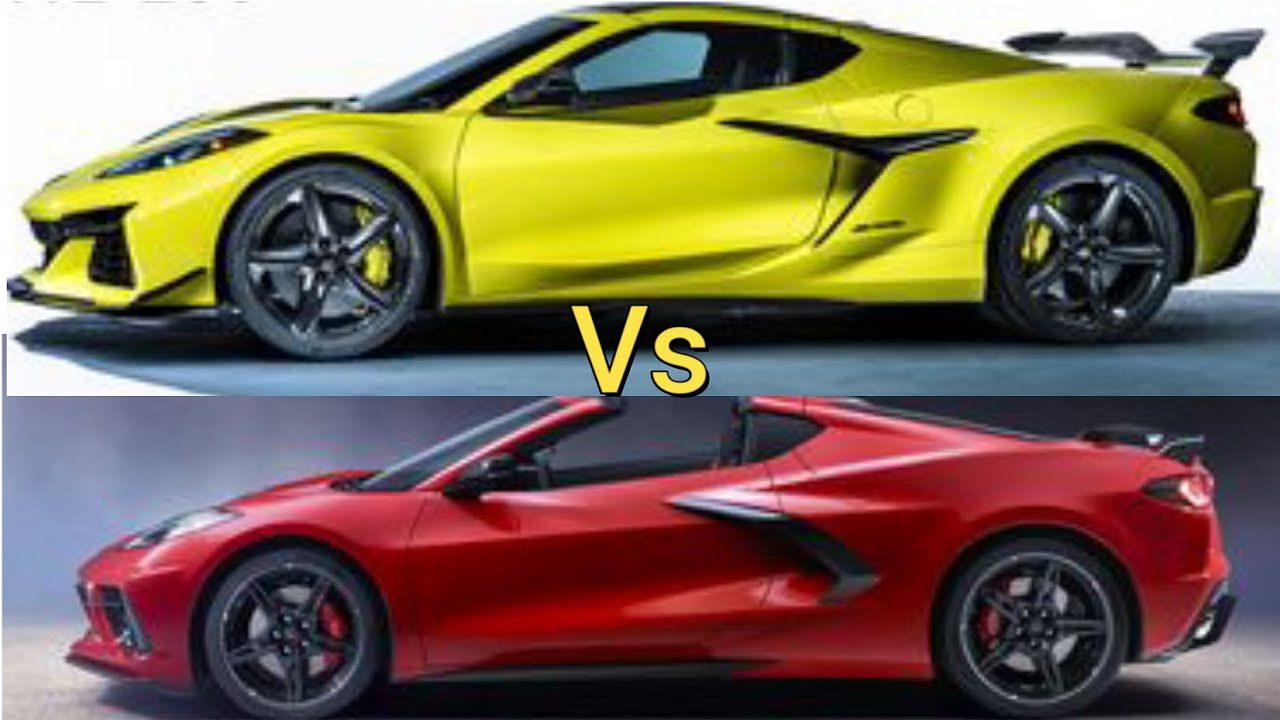
It’s a familiar scene in any garage, whether it’s in a suburban driveway or at a track-side viewing point: two Corvettes, two legends, and one question that keeps resurfacing like a tide—Corvette Stingray vs Z06—Which should you buy? Most shoppers begin with a headline-level comparison: power figures, badges, lap times, and the aura that clings to the Z06 name. But the deeper fascination doesn’t come from numbers alone. It comes from the way each car makes you feel speed, how it interprets your intentions, and what kind of relationship it asks you to build.
The Stingray and the Z06 are not simply different trims; they are different philosophies dressed in Corvette clothing. One leans toward effortless velocity and daily usability. The other leans into an obsessive pursuit of performance—sometimes to the point where you can sense the car’s willingness to engage in your most ambitious impulses. The key is understanding which philosophy matches your life, your roads, and your appetite for precision.
Start With the Core Identity: Grand Touring vs Purpose-Built Ferocity
The Stingray is often described as a “supercar for real life,” and that phrase isn’t just marketing poetry. It tends to prioritize a kind of elastic competence: it can surge when you ask, yet it doesn’t punish you for ordinary habits. The drivability tends to feel natural—like the car is translating your inputs into motion without drama.
The Z06, by contrast, feels like a manifesto. It carries itself with a more aggressive posture, and the whole driving experience seems calibrated for repeatable performance. Short bursts feel sharper, sustained effort feels more deliberate, and the car’s confidence in higher-stress conditions reads as unambiguous. If the Stingray invites you to enjoy speed, the Z06 challenges you to practice it.
The Engine Character: Smooth Punch vs Track-Ready Urgency
When people compare these cars, they often focus on output. That’s understandable. But what matters for a buyer is how the engine behaves in the space between your decisions: the milliseconds before the throttle response fully arrives, the way the revs build, and the personality of acceleration at different speeds.
In many real-world situations, the Stingray’s power delivery tends to feel approachable—quick enough to satisfy, yet composed enough to remain civil in traffic. It’s the sort of car that can make a commute feel like a prelude to something better.
The Z06 typically brings a more urgent rhythm. It can feel more immediate, more intense, and less inclined to “wait its turn.” This isn’t merely faster acceleration; it’s a different tempo. You may find yourself taking roads you normally avoid—because the car makes even familiar stretches feel newly legible.
Handling and Chassis Behavior: Confidence on Demand
Handling is where the comparison becomes truly fascinating, because it’s less about raw grip and more about how grip is delivered. The Stingray often rewards clean inputs and encourages smooth driving. It can feel eager without being fragile, the way a high-quality instrument responds to touch.
The Z06 tends to feel more “committed.” There’s often a greater sense that the car is prepared for hard cornering without requiring you to negotiate the physics. It may also communicate more clearly through steering and chassis feedback, allowing you to read the edge of performance with greater granularity.
Here’s the common observation: “The Z06 is for the track, the Stingray is for everyone.” That’s directionally true—but the deeper reason it persists is emotional. Buyers sense that the Z06’s sharper calibration invites a different kind of driver identity: one that enjoys precision, repetition, and the sensation of being accompanied by a machine that’s ready to keep pace with ambition.

Braking and Thermal Reality: What Happens After the Thrill
Performance isn’t just what a car does once; it’s what it can do repeatedly without losing its character. Braking confidence and thermal management become crucial if you ever plan to drive hard more than occasionally.
The Stingray typically offers impressive stopping power and stable behavior for everyday driving. For spirited weekend drives, it often feels more than sufficient. It can still surprise you, especially when paired with the right tires and driving style.
The Z06, however, tends to feel engineered for prolonged intensity. When brake zones shorten and temperatures rise, the car’s composure matters. This is where “buying for the future” becomes real: if you imagine track days, aggressive back-road sessions, or simply a life where you increasingly drive with intent, the Z06 can feel like the more congruent choice.
Interior Atmosphere: Comfort vs Focused Drama
Some buyers assume interior differences are cosmetic. Yet the cabin shapes your relationship with the car. The Stingray’s interior often feels tuned toward usability—an atmosphere that supports long drives, quick errands, and spontaneous road trips. There’s a sense of comfort that doesn’t dilute performance; it simply makes performance easier to access.
The Z06 often feels more purposeful, with a cockpit tone that leans toward engagement. Controls and visibility can create a subtle psychological advantage: you feel more centered, more prepared to attack a line, more comfortable making decisions quickly.
In short: the Stingray can feel like a great companion. The Z06 can feel like a focused partner in a challenge.
Technology and Driving Modes: The Art of Adjustability
Both cars can use driving modes to reshape their behavior, but the underlying idea differs. The Stingray’s modes often emphasize flexibility—how easily it can transition from relaxed to lively. It’s the sort of adjustability that helps you match the car to weather, traffic, or mood.
The Z06’s modes often feel more like different instruments within the same orchestra. The changes can be more pronounced, and the car’s personality may feel more dramatic as you climb toward performance settings.
If you love tinkering, if you enjoy experimenting with throttle feel and steering character, the Z06’s responsiveness can be addictive. If you prefer a smoother handoff from “normal” to “fun,” the Stingray’s approach is often more satisfying.

Ownership Experience: Daily Life, Not Just Weekend Mythology
Ownership includes the unglamorous details: tire wear, fuel dynamics, maintenance routines, and how often you truly push the car into its comfort zone’s limits.
The Stingray can be the more forgiving choice for a typical schedule. It’s easier to imagine living with. It’s also a car you can drive enthusiastically without feeling like you’re constantly negotiating the boundaries.
The Z06 can still be livable, but it tends to attract a specific kind of driver behavior—more aggressive sessions, more frequent performance checks, and more occasions to justify “just one more lap” even when the day is already busy.
Ask yourself a blunt question: Do you buy cars to drive them, or to become the version of yourself who drives them? That answer often determines which Corvette fits better.
Value and “Buy-Right” Strategy: Matching Budget to Intent
Value isn’t only the purchase price. It’s how much of the car’s potential you’ll actually use. A Z06 is easier to justify if your intentions include track time, repeated hard driving, or a strong desire for maximum capability. If your plans center on spirited street drives, road trips, and occasional high-performance thrills, the Stingray can deliver a more rational payoff.
There’s also a subtle psychological value: buying a car that mirrors your goals reduces regret. If you purchase the Stingray but find yourself yearning for more precision, you’ll eventually experience an itch. If you purchase the Z06 but drive it like a gentle grand tourer, you may feel like you left capacity unused.
So Which Should You Buy?
Choose the Corvette Stingray if you want effortless velocity with everyday practicality. It’s the choice for drivers who appreciate performance but also value adaptability, comfort, and a car that fits a broader life. It’s a Corvette that rewards joy without demanding constant intensity.
Choose the Corvette Z06 if you crave the sharper edge of performance and you’re likely to push the car more often than “once a season.” It’s for buyers who treat driving as a craft—who want confidence at higher stress, clearer feedback, and a chassis that seems designed for repeatability.
Outro: The Fascination Isn’t the Badge—It’s the Relationship
In the end, Corvette Stingray vs Z06 isn’t simply a contest between two models. It’s a question about identity and intention. The Stingray may fascinate you with its seamlessness—how effortlessly it turns intention into motion. The Z06 may fascinate you with its fervor—how directly it invites you to escalate.
Whichever you choose, the most satisfying purchase is the one that makes your future drives feel inevitable. Not just faster. Truer. And for a Corvette owner, that’s the real measure of value.