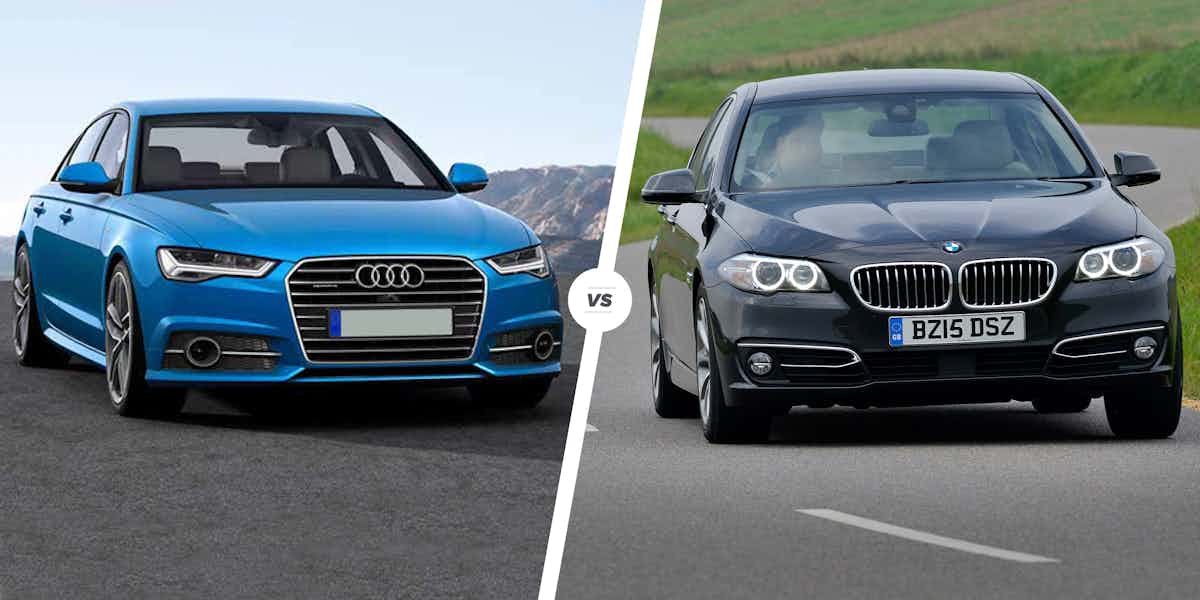
Picture this: a rain-slick boulevard, a valet leaning in with the practiced confidence of a magician, and two sedans arriving like well-matched performers—BMW’s 5 Series and Audi’s A6, both in the same spotlight. The question is deliciously playful: if these midsize executives were characters in a story, which one would hold the camera steady—the one who speaks in precision, or the one who speaks in poise?
Now for a potential challenge. Imagine you’re not just choosing a car—you’re negotiating your daily life. Your commute may demand calm traction, your weekends may ask for expressive comfort, and your evenings might insist on cabin ambiance that feels almost theatrical. Can the BMW 5 Series outmaneuver the Audi A6 in the places that matter most to you—without sacrificing what you actually enjoy? Or will the A6’s elegance bulldoze your expectations one quiet mile at a time?
Let’s take the question seriously and still keep the fun. Below, the showroom lights stay on, the details get granular, and the comparison becomes a persuasive, no-nonsense midsize showdown.
First impressions: presence, posture, and the art of looking expensive
The BMW 5 Series tends to arrive with a stance that suggests readiness—shoulders squared, proportions deliberate. It often feels like the car is “performing” even when it’s parked. The grille signature and crisp lighting choreography create a sense of motion that reality hasn’t even started yet.
The Audi A6, meanwhile, leans into composure. Its design language is typically more horizontally fluent, giving it a broader, more flowing silhouette. Instead of announcing itself with intensity, it tends to suggest continuity—like it belongs to a longer, smoother story.
So here’s the first fork in the road: do you want the car that feels like it’s ready to pounce, or the one that feels like it’s been quietly perfecting its craft for years?

Cabin philosophy: driver’s cockpit vs lounge-like sanctuary
Step inside the 5 Series and you’re likely to feel the BMW’s “driver-centric” temperament. Controls tend to fall into place with an engineering confidence—everything feels oriented to the person behind the wheel. The ergonomics often read as thoughtful rather than merely fashionable.
Slide into the A6 and the vibe shifts. Audi frequently aims for a lounge sensibility: a cabin that feels composed, calm, and meticulously finished. Materials often present themselves with a premium tactility, and the layout can feel like it was designed for long-form comfort rather than rapid reactions alone.
Short sentence: both cabins are upscale.
Longer truth: the 5 Series tries to sharpen your focus, while the A6 tries to widen your comfort horizon. If your driving life includes frequent highway cruising, stop-and-go traffic, or late-night drives, the “mood” of each cabin could become more decisive than the badge on the trunk.
Technology and interfaces: who orchestrates the digital day better?
Modern sedans don’t simply transport you—they assist, converse, and sometimes even anticipate. In the 5 Series, the digital experience tends to emphasize clarity and driver flow. Menus and controls often feel designed to reduce cognitive friction, helping you keep your attention where it belongs.
The A6’s tech approach typically leans toward integrated elegance—interfaces that feel visually coherent and aesthetically mature. Audi has a reputation for designing systems that appear intuitive, with the kind of polish that makes them feel less like appliances and more like environments.
Here’s a playful challenge wrapped in practicality: spend an imaginary week using your car’s features as if you were a guest in the cabin. Do you want a system that feels like an executive assistant snapping into action, or one that feels like a curator arranging your preferences with quiet authority?
Ride quality and suspension character: crisp confidence vs silkier composure
Both BMW and Audi know how to tune a midsize sedan. Still, their signatures can feel distinct. The 5 Series often aims for balanced sharpness—response with discipline. On smoother roads, the car may feel composed and connected, with steering and suspension working like a coordinated ensemble.
The A6 often leans toward a more fluid ride character. Even when the road turns coarse—patches, seams, and random vibrations—the cabin can feel protected, insulated, and unusually settled.
Short sentence: your roads will decide more than your test-drive schedule.
Longer sentence: if your daily commute includes imperfect pavement or frequent speed changes, that subtle difference in ride texture can become a dealmaker—or a dealbreaker—long after the excitement of departure fades.
Powertrains and performance: acceleration is only half the story
Performance isn’t just numbers. It’s how the car turns desire into motion. The BMW 5 Series frequently aims to deliver a lively torque relationship, with a driving feel that encourages you to explore the throttle’s personality rather than treating it like a mere on/off switch.
The Audi A6 often emphasizes refined propulsion. It can feel effortless—strong when needed, but rarely frantic. The experience may be more about effortless velocity than dramatic surges.
Ask yourself a question that’s quietly tactical: when you accelerate, do you want feedback that feels like communication, or power that feels like permission?
Steering and handling: who talks back, and who stays composed?
BMW’s steering character is often described as direct and informative. The car may feel like it’s offering a handshake—subtle resistance, clear feedback, and a sensation that the front wheels are translating intent faithfully.
Audi’s handling can feel refined and stable, often favoring confidence through balance. The steering may feel slightly more “settled” rather than aggressively chatty, giving the impression of a car that remains serene even as speeds rise.
In a real-world sense, this matters most on curved on-ramps, during lane changes, and when you’re doing that quick mental math to merge safely. If you tend to drive with anticipation, the 5 Series might feel more aligned. If your style is about calm control, the A6 may feel perfectly matched.
Braking and stability: stopping power, not just speed
In an executive sedan, braking should feel effortless. Both cars are designed to inspire confidence, but the nuance often shows up in pedal feel and how the car manages weight transfer. A firm pedal that modulates predictably can reduce stress, especially in unfamiliar traffic patterns.
Stability under braking also affects passenger comfort. A smoother deceleration can make long drives feel less fatiguing—less bracing, fewer involuntary micro-corrections, more relaxation.
Short sentence: comfort isn’t softness—it’s control.
Interior space and everyday usability: the practical throne test
Rear-seat comfort can be the real deciding factor, especially if your life includes passengers. The 5 Series often provides a supportive, well-designed environment for the driver and front seat occupants, while also working hard to make the rear feel like more than an afterthought.
The A6 typically competes strongly in the “space feels intentional” category. Rear passengers may find the seating position inviting, and the cabin’s layout often supports a sense of easy movement.
Now, the challenge: imagine loading groceries, carrying luggage, and fitting everyday items without treating your trunk like a puzzle. Usability is where brochures can’t fully prepare you. The best executive choice is the one that behaves well when your routine becomes chaotic.
Safety, driver assistance, and the confidence factor
Safety technology has become a standard expectation rather than a luxury. In both vehicles, driver assistance systems may help with collision avoidance, lane guidance, and situational awareness. The key difference is often how seamless those systems feel in daily use—whether they assist subtly or distract with overly eager interventions.
A confident car doesn’t just prevent mistakes. It reduces mental workload. That means less strain during heavy traffic and fewer tense moments when visibility drops or conditions turn unpredictable.
Ownership experience: value, maintenance expectations, and long-term satisfaction
Even the most compelling car must survive the long game. Consider how you expect to keep the vehicle: mileage patterns, parking realities, and whether you prefer a familiar maintenance rhythm or a “set it and forget it” approach.
Both BMW and Audi typically offer strong dealership ecosystems and service infrastructure, though the specifics vary by region. Tires, brakes, and scheduled maintenance will eventually become part of the ownership story. That’s not gloom—it’s preparedness.
Choose the car that matches your tolerance for nuance. Some drivers love the feeling of actively maintaining a performance-oriented machine. Others prefer a calmer, more predictable maintenance experience.
So… which one wins the midsize executive showdown?
There’s no single victor that defeats the other in every category. The BMW 5 Series often wins the argument for driver engagement, poised responsiveness, and a cabin that pushes you toward focus. The Audi A6 often wins the argument for serenity, integrated elegance, and a ride that feels like a well-tailored overcoat.
The real answer depends on your daily narrative. If your commute rewards precision and your evenings benefit from interactive driving feel, the 5 Series may feel like your natural extension. If your lifestyle prioritizes quiet comfort, lounge-like composure, and effortless refinement, the A6 might feel like the correct chapter.
Final playful question: if your car were your co-pilot in a long-running story, which one would you trust to keep the plot exciting—without sacrificing peace?
In the end, the best midsize executive isn’t the one that wins on paper. It’s the one that makes your ordinary drives feel just a little more intentional, even when the day refuses to cooperate.