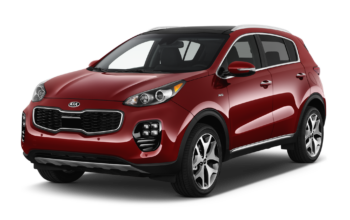
What if your next SUV could do more than transport you—it could stage-manage your adventures with a furry copilot? Picture it: you buckle in, your pet settles, and suddenly the cargo bay isn’t a chaotic jumble of leashes, towels, and food bags. It’s a curated space. But here’s the playful hitch—have you ever tried to wrangle a damp towel, a treat pouch, and a wriggly dog while your hands are already full? That moment of wrestling with “everything at once” is exactly where the best 2026 SUVs for pet owners earn their stripes.
In this guide, the focus stays squarely on cargo and backseat features—because the backseat is where comfort becomes control, and the cargo area is where cleanliness becomes momentum. Whether you drive with a cat that treats every turn like a roller coaster or a dog that believes the whole world is a sniffing opportunity, these 2026 SUVs are designed to make pet ownership feel less like a logistical obstacle course.
Why Cargo and Backseat Features Matter More Than You Think
It’s tempting to shop for SUVs only by horsepower or infotainment, but for pet owners, functionality is the real luxury. A backseat that’s easy to protect reduces stress before it starts. A cargo area that’s configurable turns “unplanned mess” into “handled event.”
Consider how pets behave in transit. Many animals need stability to settle. If the seat base is unstable or the surfaces are hard to clean, you end up with lingering odors and lingering frustration. Meanwhile, a cargo bay with modular tie-down points, low loading height, and pet-friendly liners makes the difference between a quick cleanup and a full afternoon of damage control.
Seat Materials and Surface Engineering: The First Line of Defense
Start with the surfaces. Upholstery that resists scratches and repels spills can feel like a superpower when your pet has a habit of hopping in at the first stop. In 2026, more manufacturers are using stain-resistant fabrics, improved coatings, and upholstery blends that are less absorbent—meaning fewer odors get a permanent residence.
Leather and leatherette can be a double-edged sword. They often clean easily, but some pets are more likely to slip on smooth textures. If your dog is a “launching” enthusiast, look for materials that balance cleanability with traction. Fabric seat patterns can also help conceal minor marks, keeping the cabin visually calm even after spirited rides.
Ask yourself a question: will you enjoy wiping down the seat after the adventure, or will you quietly dread it? The answer points toward the right material strategy.
Backseat Configurations That Keep Pets Secure (and Owners Sane)
Security isn’t only about seatbelts. It’s about reducing chaos. Many of the best pet-forward SUVs offer sliding rear seats, split-folding backs, and multiple ways to arrange the space. That flexibility lets you choose a “pet-first” layout for long trips—or a “cargo-first” layout when you need to move supplies.
Look for features that prevent shifting: anchor points for pet harnesses, stable seatbacks, and headrest designs that don’t create annoying gaps. Some owners prefer a separate pet seat or barrier system. Others choose a harness tether. Either way, the goal is consistent: keep your pet comfortable, keep them restrained, and keep the driver’s attention where it belongs—on the road.
And yes, there’s a potential challenge: if the rear seat space is awkwardly shaped, your pet may scoot into odd corners. That can lead to mess and motion discomfort. Choose SUVs with thoughtfully contoured seats and barrier-friendly geometry.
Barriers, Hammocks, and Dog-Transport Solutions That Actually Fit
A well-designed barrier or cargo partition can be a game-changer. In 2026, many models support accessory ecosystems—rear seat barriers, pet hammocks, and protective covers intended to work with specific headrests and seat shapes. That compatibility matters. A barrier that doesn’t align properly can wobble. A hammock that doesn’t fully cover the seatback can trap hair and debris in the wrong places.
Think in layers. A protective seat cover guards against fur and moisture. A hammock helps keep the pet from sliding into the footwell. A barrier can limit access to the front cabin. When these components “click” into place—literally and figuratively—your pet’s travel routine becomes predictable.
Here’s a playful thought: if your pet could speak, would they ask for a “hanging throne” or a “cozy perch”? The right system should match their temperament, not just your convenience.
Easy-Access Cargo Bays: Low Loading Height and Practical Geometry
Cargo convenience isn’t glamorous, but it’s indispensable. The most pet-friendly SUVs typically have cargo openings that are wide and accessible, with loading heights that are manageable for both people and pets (depending on how you handle boarding or stepping up). A broad trunk opening makes it easier to lift bags, coolers, and pet carriers without contorting your arms like a pretzel.
Geometry matters. A cargo area with flat floors helps contain mats and prevents items from migrating. Tie-down points are essential for securing leashes, food bins, and crates. If your dog is a “sniff-while-you-drive” type, you’ll want a cargo setup that keeps items from tipping over during sudden braking.
Imagine the challenge of a wet leash or a slobbery treat container. Now imagine not having to scrub for hours. That’s what thoughtful cargo design can enable.
Split-Folding Seats and Versatility for Real-Life Pet Loads
When plans shift mid-week—extra grooming supplies, a surprise pet sitter, a longer detour—versatility becomes your best friend. Many 2026 SUVs offer split-folding rear seats that allow you to fold one side while keeping the other side available for your pet. This is especially useful for households where one furry passenger needs the window seat while cargo demands expand.
Some owners prioritize a fully flat cargo floor for carriers or for rolling coolers. Others want a raised step that keeps mess contained in the cargo zone. Both approaches can work, but the key is whether the transitions are seamless—no harsh lip, no awkward gap that encourages grime buildup.
Take a second and picture your next grocery run plus a dog-wash kit. Will the space adapt quickly, or will you wrestle with configuration compromises?
Drainage-Friendly Floors and Odor-Resistant Strategies
Pets don’t just create mess—they create conditions. Mud, water, dander, and the occasional mystery scent can seep into seams. That’s why drainage-friendly cargo floors, sealed materials, and easy-to-remove liners are so valuable. Look for cargo trays or protective mats that can be cleaned in minutes, not hours.
Odor resistance often comes down to material porosity and how well surfaces can be wiped down. If your SUV can handle wet towels and muddy gear without absorbing it, you’ll notice the difference in the cabin’s “freshness” over time.
There’s a small but meaningful question to ask: do you want cleaning to feel like a chore, or do you want it to feel like part of the routine?
Carrier and Crate Compatibility: The Unseen Hero Feature
For many owners, a carrier or crate isn’t optional—it’s a comfort-and-safety anchor. The best SUVs for pet owners consider crate fit: cargo width, tie-down compatibility, and the ability to secure a carrier so it doesn’t slide. Some SUVs also support accessory rails or anchor points that can reduce movement.
Crate positioning affects your pet’s stress levels. Too much vibration or too much movement can turn a calm ride into a stressful one. By offering stable cargo or well-supported rear seating areas, these 2026 models reduce jostling and help pets settle.
And yes, the challenge is real: not every crate fits neatly. Choosing an SUV with thoughtful dimensions and flexible seating reduces the risk of “almost fits” frustration.
Advanced Safety Features That Support Pet Behavior
While not strictly “pet cargo features,” driver-assistance tech influences how smoothly you travel—meaning fewer harsh stops and less sudden movement that causes pets to shift. Smoothness matters for fragile setups like seat barriers, hammocks, and harness anchors.
Look for features that help prevent abrupt maneuvers: collision mitigation, lane centering, and braking assist. The calmer the driving dynamics, the less your pet’s transport setup has to work overtime.
Safety is the silent collaborator. When it reduces surprises, everything else becomes easier.
Practical Accessory Ecosystems: What Comes “Ready to Pet”
The best pet-friendly SUVs don’t just include features—they support accessories. The ecosystem can include washable seat covers, protective cargo liners, harness-compatible anchor systems, and partitions designed for specific rear seat shapes. Accessory compatibility is where convenience turns into repeatable success.
If you’re building a pet-ready setup, prioritize solutions that can be installed and removed quickly. You don’t want a perfect system that you dread maintaining. You want a system that adapts to your schedule—weekend trip, vet visit, muddy hike, spontaneous detour.
Think of it like wardrobe styling for your vehicle: the right pieces make the routine effortless.
Choosing Your 2026 SUV: A Quick Pet-Owner Checklist
Before you fall in love with the paint color or the premium audio, run through a practical checklist:
Backseat protection: scratch resistance, cleanable surfaces, and compatibility with covers or hammocks.
Security options: harness anchor points, barrier fit, and stability to reduce shifting.
Cargo usability: easy loading, wide opening, flat or configurable floors, and tie-down points.
Odor management: liners that wipe clean and materials that don’t absorb mess.
Versatility: split-folding seats and seamless transitions for carriers and supplies.
Accessory ecosystem: pet-forward add-ons that integrate smoothly.
If you can confidently answer “yes” to most of these, the SUV is likely to feel like a helpful partner rather than a complicated tool.
Conclusion: Make Every Trip Feel Like Home
The best 2026 SUVs for pet owners aren’t simply roomy—they’re thoughtfully engineered for the realities of living with animals. From backseat protection that reduces cleanup to cargo spaces that support carriers and secure gear, these vehicles help you keep adventures intact.
So, ask yourself again—what happens when your pet’s day gets messy? The answer shouldn’t be panic. It should be a simple wipe, a tidy rearrangement, and a return to the open road. With the right cargo and backseat features, you can turn every trip into something lighter, cleaner, and genuinely enjoyable for everyone in the cabin.