There’s a familiar moment that tall drivers know well: you slide into the seat, you inhale, and you feel the car’s mood shift—either it welcomes you or it subtly pushes back. Headroom is the headline metric, but the real drama lives in the margins: the angle of the windshield, the geometry of the steering column, and the way the seat cushion settles when your frame arrives like a visiting dignitary. In 2026, the best sports cars for tall drivers aren’t merely “tall-friendly.” They’re thoughtfully proportioned, engineered to make the cabin feel less like a narrow corridor and more like a cockpit that respects your silhouette.
And yes, there’s something undeniably fascinating about this pursuit. Tall drivers often develop a quiet obsession with fit—padding, pedal reach, roofline contours, and the precise balance of sightlines. It’s not just practicality. It’s also the thrill of discovering that performance and comfort can share the same space without compromise. Let’s take a tour through the most accommodating 2026 sports-car picks—where headroom is tested, not guessed, and where the thrill remains intact.
Why “Headroom” Is Really About Cabin Geometry
It’s easy to treat headroom as a single number, but real-world comfort behaves like a constellation: one star rarely explains the whole sky. A tall driver can have “adequate” headroom on paper and still feel compressed because of how the roofline arcs downward, how the seat height adjusts, or how the steering wheel tilts relative to your knees. The deeper issue is vertical packaging—how the seat, seat rails, and roof shape conspire when you’re seated in a natural driving posture.

For many tall drivers, fascination starts here. You realize your body isn’t just occupying space; it’s negotiating with design. That negotiation is where the best cars win. They provide sufficient clearance while also keeping your sightline clean, your helmet-free confidence intact, and your shoulders relaxed rather than shrugged toward the glass.
How Tall Drivers Should Test Headroom (The Practical Ritual)
A proper headroom evaluation takes a few deliberate checks. First: adjust the seat using the full range, not the middle setting you instinctively choose. Then sit as you would on a longer drive—back against the seatback, feet braced naturally on the pedals, hands positioned for a steady steering angle. Next: perform a slow shoulder roll and a gentle head movement. You want to feel whether your upper torso touches the side bolsters too tightly or whether the roof’s curvature interrupts your motion.
Finally, check visibility. Head clearance isn’t useful if you’re forced to hunch to see the apex. The best sports cars maintain a comfortable “eyeline plane,” where the horizon sits where your eyes naturally want it. That’s often the hidden difference between a car that merely fits and one that feels tailor-made.
The Sports Cars That Deliver Real Headroom in 2026
Not all sports cars share the same philosophy. Some prioritize a low roofline for aerodynamic theater, while others prioritize driver accommodation to preserve engagement. In 2026, several models strike a rare equilibrium: sleekness without the claustrophobic squeeze.
Below are categories of cars that tend to be especially promising for tall drivers, alongside what to pay attention to when narrowing down your shortlist.
Performance Coupes With Upright Seating and Clever Roofline Angles
Many tall drivers fall in love with sports coupes that let you sit higher without sacrificing responsiveness. The key is upright seating paired with an advanced windshield rake. When the front glass stands at the correct angle, your head doesn’t need to shrink into the cockpit. Instead, your posture can stay tall—and still feel “planted” rather than perched.
Look for models featuring generous seat travel, supportive but not strangling bolsters, and steering columns that move with precision. The deeper reason these cars feel magnetic is psychological: a spacious cabin reduces the constant awareness of clearance limits, letting you focus on braking points, throttle modulation, and the car’s voice through the suspension.

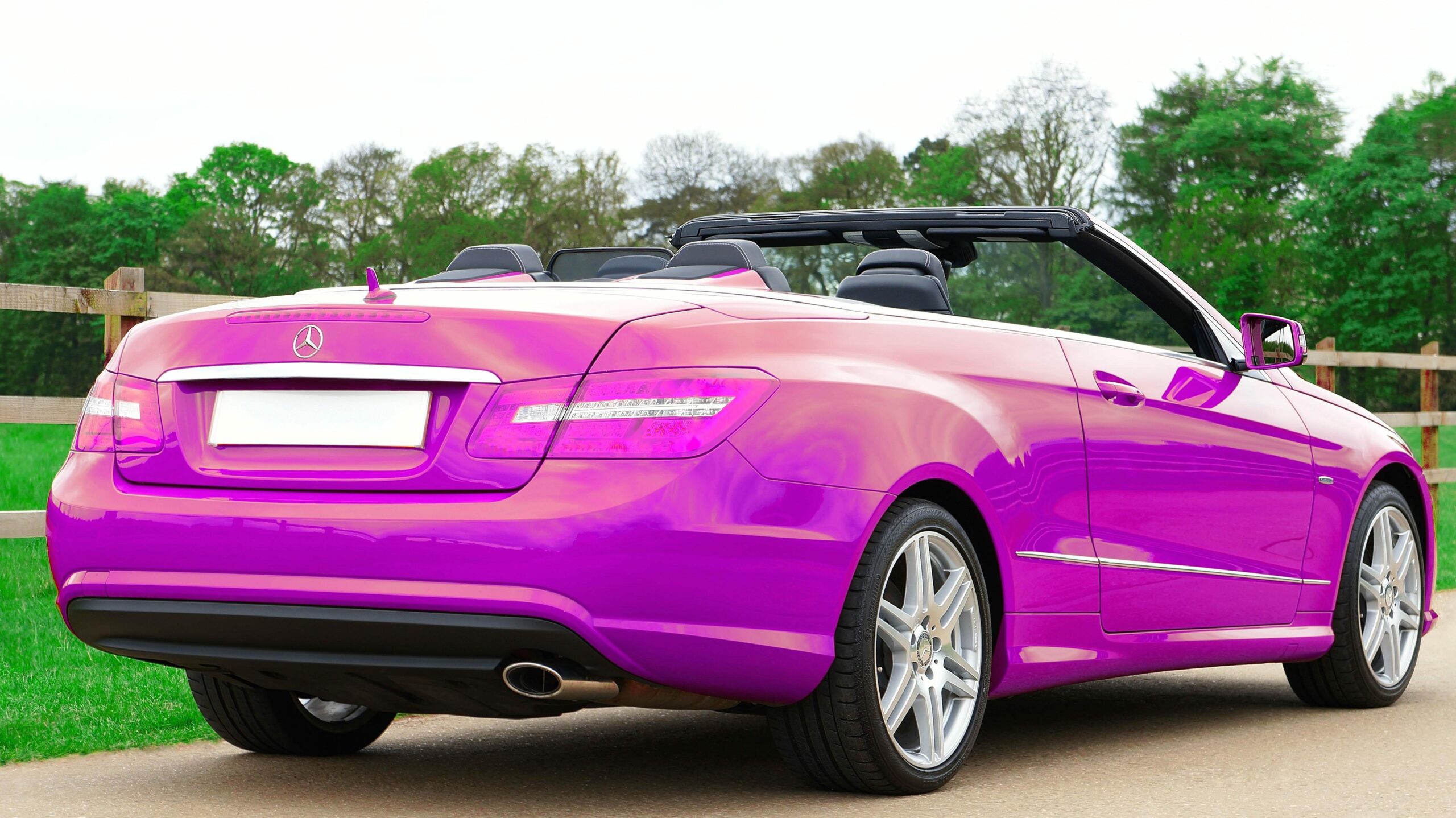
Even a convertible—often feared by taller drivers for its open-top roof constraints—can work if the seats sit properly and the windshield area is shaped to preserve an easy eyeline. The fascination here is paradoxical: the most exposed driving format can still feel secure if the architecture supports your posture.
Convertible Sports Cars: The Surprise Candidates
Convertibles are often assumed to be tricky for headroom, yet 2026 offers growing refinement in roll-over protection design and seat positioning. Some convertibles keep the roof stack from intruding into your upper clearance, while others place the headrests and seatbacks so tall drivers don’t have to crane upward or compress downward.
If you’re tall, verify how the convertible top mechanism influences interior space. Some designs reduce headroom after the top is latched, not because the roof is lower—but because the surrounding structural elements change how your shoulder line sits in relation to the pillars. When the car gets this right, it feels like wearing a well-tailored jacket: open at the right places, snug where it should be, and never restrictive.
Sporty Sedans and Liftback Profiles With Practical Head Clearance
While purists chase the purest silhouette, tall drivers often benefit from “sport-forward” sedans and fastback designs that maintain an upright cabin volume. These vehicles frequently offer more usable vertical space than low coupes. The trick is that their performance is delivered through refined chassis tuning, responsive steering, and confident power delivery—not through a roofline that forces your neck into a compromise.
Pay attention to how the rear-seat headroom compares to the front. A car that keeps ample vertical space in the back often signals that the front cabin will be likewise forgiving. The deeper reason for this correlation is simple: volume is created by design constraints, not by luck. When the engineers planned a comfortable package, tall drivers usually reap the benefits.
Small Sports Cars: When Compact Size Still Works
Compact sports cars can be hit-or-miss. The risk is roof curvature and seat base thickness. The reward is nimble geometry and feedback that feels immediate. To evaluate a compact model for headroom, focus on three points: seat height range, the steering wheel’s adjustment, and the roof’s interior clearance near the crown of your head.
Some compact cars surprise tall drivers by offering vertical adjustability and a relatively generous windshield area. The sensation can be exhilarating—like driving an instrument panel rather than a living room. And that’s where fascination deepens: you’re not merely fitting into the car; you’re discovering a compact cabin that turns height into presence rather than inconvenience.
Seat, Steering, and Pedal: The Triad That Determines Comfort
Even excellent headroom can be undone by weak ergonomics. Tall drivers should treat the seat, steering column, and pedal layout as a triad. If the steering wheel can’t telescope enough, your torso may remain too close to the wheel rim. If the seat base is too thick, you might lose the very head clearance you’re chasing. If pedal spacing forces your legs outward, your natural posture changes—and your head position follows.
In 2026, the best sports cars for tall drivers tend to feature more sophisticated adjustment ranges and better feedback in the seat rails. That’s not just a comfort win. It’s a performance advantage because a stable posture improves precision: your inputs become smoother, your grip steadier, and your braking more consistent.
Visibility, Sun Glare, and the “Eyeline Plane” Test
Sports cars often suffer from aggressive window shapes that can distort perception. Tall drivers are particularly sensitive to glare because your eyes may sit closer to the top edge of the glass depending on seat height. Before you commit, evaluate visibility under different lighting—morning sun, overcast skies, and late-afternoon glare.
A great sports car keeps your eyeline plane stable. The hood doesn’t rise into your view, and the dashboard doesn’t demand a constant micro-hunch. When that happens, the cabin feels like a stage built for you. You stop fighting the interior. Instead, the car becomes a partner.
Common Compromises—and How to Spot Them Early
Every design involves trade-offs. The most common compromises for tall drivers are: tighter side-bolster spacing, steering wheels that don’t telescope enough, and seatbacks that look supportive but are too upright or too reclined for typical tall-driver posture. Another subtle issue is headrest geometry—some headrests look lofty but force your chin forward, reducing the feeling of vertical space.
To spot these early, try the “two-minute posture test.” Sit, adjust once, then hold a steady gaze at the road. If you feel the urge to adjust repeatedly—especially your shoulders or neck—something in the ergonomics is pressurizing you. Good cars reduce that urge. They feel quietly compliant.
Choosing the Right 2026 Model: A Simple Shortlist Method
Start with headroom range, then verify the seat’s usable travel, then confirm that steering adjustment supports your natural arm angle. After that, check sightlines and glare sensitivity. Finally, consider your driving style: spirited backroads benefit from stable, confident seating; long-distance driving rewards comfort without numb ergonomics.
The deeper reason this method works is that it mirrors how your body actually experiences a car. Fit isn’t just clearance. It’s rhythm. When the rhythm matches, the fascination turns into a habit—one you’ll notice every time you step in, close the door, and drive like the cabin was engineered around your dimensions.
Conclusion: The Most Exciting Sports Cars Are the Ones That Make Space Feel Natural
The best 2026 sports cars for tall drivers don’t merely provide room above your head. They build an environment where posture feels intentional, visibility feels generous, and your body never feels like it’s negotiating for inches. Headroom is the visible indicator, but the real win is cabin harmony—how all the ergonomic elements cooperate to keep your driving posture stable and your inputs confident.
So if you’re tall, don’t settle for “it fits.” Look for the car that makes you forget you were ever worried. That’s when the fascination becomes something deeper: not just with performance, but with the elegant engineering of space—turning a potential constraint into the beginning of a thrilling, comfortable relationship with the road.