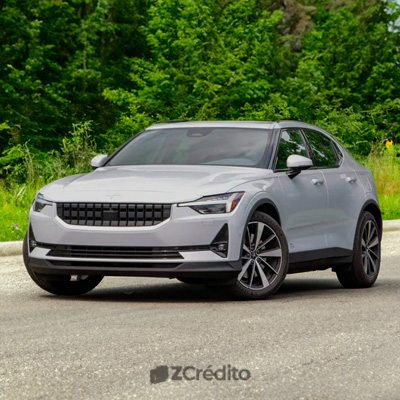
The year 2026 finds the electric sedan class in a new phase: less about proving electricity works, and more about refining how it feels at speed, in traffic, and on long stretches where fatigue is a silent saboteur. Against that backdrop, the 2026 Polestar 2 and the BMW i4 stand as compelling but philosophically different proposals. One aims for a calm, Scandinavian-leaning minimalism that makes daily driving feel considered rather than choreographed. The other leans into Bavarian engineering theater—clean lines, punchy response, and a sense that every throttle input carries intention.
This EV sedan showdown isn’t just about numbers on a spec sheet. It’s about the kind of driver each car seems designed for, the types of moments you’ll remember, and how each brand handles the complicated choreography of range management, charging convenience, ride comfort, and performance delivery.
First Impressions: Design Language and Cabin Atmosphere
The Polestar 2 greets you with restrained aesthetics. Surfaces feel purposeful, with a design that avoids excess rather than chasing attention. From certain angles, it looks like a concept rendered in steel—disciplined, almost austere. Step closer and you’ll notice a deliberate lack of visual clutter, which matters more than it sounds. In a car, atmosphere is a form of ergonomics.

The BMW i4, by contrast, carries a distinct sense of premium momentum. It looks athletic without shouting, and its stance communicates confidence. The front-end detailing and the overall proportioning help it feel planted, like it belongs on a winding road even before you start the engine—though this is an engine-free world, of course.
Inside, both cars pursue modernity, but the path differs. Polestar’s cabin tends to read as serene and tech-forward, while BMW’s interior often feels more “driver-centric,” with controls arranged to encourage interaction. The result? Polestar can feel like a quiet studio; the i4 can feel like a cockpit.

Powertrains and Performance: How Speed Actually Shows Up
Performance isn’t only about peak power. It’s also about how promptly the car decides to respond when you ask for more. The Polestar 2 tends to deliver acceleration with a smooth, cohesive character. It’s frequently described as controlled—less twitchy, more composed. That quality becomes valuable during real-world driving, where roads curve, merge lanes demand quick decisions, and you want propulsion without drama.
The BMW i4 often feels more eager to flex. Its engineering heritage shines through in the way it handles acceleration cues, particularly when you demand a surge from moderate speed. The i4’s personality can feel more urgent, with a firmer sense of immediacy that some drivers will interpret as “athletic.” Others may prefer Polestar’s steadier cadence.
In a 2026 context, the question becomes: do you want a car that accelerates like a well-trained athlete, or one that accelerates like a sports instrument? Both can be fast. The difference lies in the emotional signature of the powertrain.
Range Reality: EV Sedans and the Art of Not Guessing
Range is where optimism meets physics. The Polestar 2 typically appeals to drivers who like a straightforward relationship with energy use—predictable consumption patterns and a driving experience that encourages efficiency. When you cruise at a thoughtful pace, it can feel like the car is rewarding restraint rather than punishing it.
The BMW i4 can be more variable depending on how you drive. With performance options and a more aggressive driving posture, it may devour energy more quickly when you lean on acceleration. Yet it can also feel reassuring when cruising steadily, especially if you treat long-distance travel as a planned expedition rather than a casual outing.
In both cases, 2026-era EV ownership hinges on understanding your thermal management, your speed habits, and your route planning. Range is not a single number; it’s a living calculation influenced by weather, elevation, and even tire behavior.
Charging Experience: Convenience, Compatibility, and Confidence
Charging is where the day either stays fluid or gets interrupted. The Polestar 2 is often positioned as a technology-first daily driver, which usually translates into a charging experience that’s easy to interpret. Drivers tend to appreciate systems that reduce friction—clear guidance, sensible prompts, and an overall vibe of “this is handled.”
The BMW i4 brings a more established ecosystem feel. BMW has long dealt with driver expectations, and charging integration often reflects that tradition—structured, supported, and built around reducing uncertainty. When you’re standing at a charger trying to avoid app confusion, that kind of clarity matters.
What readers can expect here is not just the theoretical charging capability, but the practical experience: ease of finding stations, speed profile realism, and how the car behaves while actively charging. The best EVs don’t merely charge; they make charging feel like part of the routine.
Ride Quality and Handling: Comfort Meets Control
EV sedans sometimes sacrifice serenity for performance. The Polestar 2 tends to fight for ride quality, offering a ride that feels measured over uneven pavement. It’s the kind of suspension tuning that filters chaos rather than amplifying it. On long drives, that can translate to fewer micro-jolts that accumulate into fatigue.
The BMW i4 usually leans toward a more connected feel. The steering can feel more communicative, and the vehicle often feels eager to track the intended line. That’s not always synonymous with comfort, but it’s a reminder that the i4 aims to deliver a satisfying chassis narrative.
When it comes to handling, the decision can become personal. One car may feel like an elegant glide, the other like an involved conversation between driver and asphalt.
Technology and Driver Interface: What Your Eyes Will Do While Driving
In 2026, driver attention is a finite resource. Both sedans offer advanced interfaces, but their philosophies differ. The Polestar 2 often emphasizes a clean, readable digital experience. The goal is to reduce cognitive drag—fewer distractions, more clarity. When you’re in motion, that matters: clarity is safety’s quieter sibling.
The BMW i4 typically offers a robust tech stack with a strong emphasis on driver engagement. Controls and displays are designed to feel integrated with the act of driving, not bolted on. That can be beneficial for drivers who like touchpoints—knobs, quick actions, and a sense of mechanical-like control even though everything is digital.
Expect coverage of infotainment usability, navigation behavior, voice responsiveness, and how quickly you can find key functions without going on a mini-quest.
Safety, Driver Assistance, and Everyday Assurance
Modern EV sedans live and die by their driver assistance maturity. The Polestar 2 generally prioritizes sensible assistance—systems that aim to reduce workload without overwhelming the driver. This matters most in urban scenarios: stop-and-go traffic, lane centering, and highway monotony.
The BMW i4 often brings a comprehensive suite of safety features, with an emphasis on stability and confidence. Drivers may find that the car’s assistance systems feel more assertive, particularly during highway driving where consistent behavior reduces mental churn.
Here, readers can expect discussion that goes beyond “it has features.” It’s about reliability under varying conditions—how the system behaves when traffic lines blur, when vehicles cut in, and when weather turns the road into a low-contrast puzzle.
Space, Practicality, and the Real Cost of Living With an EV
An EV sedan’s value is measured in daily practicality: trunk usability, rear-seat comfort, storage compartments, and how easily passengers can enter and exit. The Polestar 2 often appeals to buyers who want a clean, efficient layout. Rear seating typically suits everyday use well—commutes, weekend trips, and the occasional passenger who wants comfort without indulgence.
The BMW i4 tends to target a more “premium sedan” feel, and that can show up in the way space is packaged. Door openings, seat ergonomics, and cabin insulation all contribute to passenger satisfaction—especially on trips where you want the cabin to remain civilized over time.
In a showdown article, practicality should be more than a paragraph. It should address the kind of journey you’ll take most often and whether each car feels welcoming at the end of a long day.
Which One Fits You? A Driver-Centric Verdict
If your driving is dominated by thoughtful commuting, calm highway cruising, and a preference for minimalism with a purposeful edge, the Polestar 2 may feel like a natural companion. It’s the option that often wins hearts through restraint—an EV sedan that doesn’t demand attention, yet delivers satisfaction through balance.
If you’re drawn to responsive acceleration, a more engaged handling feel, and a premium interface designed to keep you connected to the act of driving, the BMW i4 is likely to resonate. It’s for drivers who want performance cues to arrive promptly, and for whom the journey is as much about sensation as it is about efficiency.
The most honest conclusion is that both are excellent 2026 EV sedans. The deciding factor is whether you crave composed clarity or energetic involvement.
Outro: The EV Sedan Choice That Feels Right
Choosing between the 2026 Polestar 2 and the BMW i4 isn’t simply choosing between two electric sedans. It’s choosing between two interpretations of modern driving—one that prizes equilibrium and understated confidence, and another that leans into dynamic character and premium connection. Whichever you select, the best EV isn’t the one with the loudest headline. It’s the one that turns everyday motion into something you look forward to—smooth, capable, and unmistakably electric.