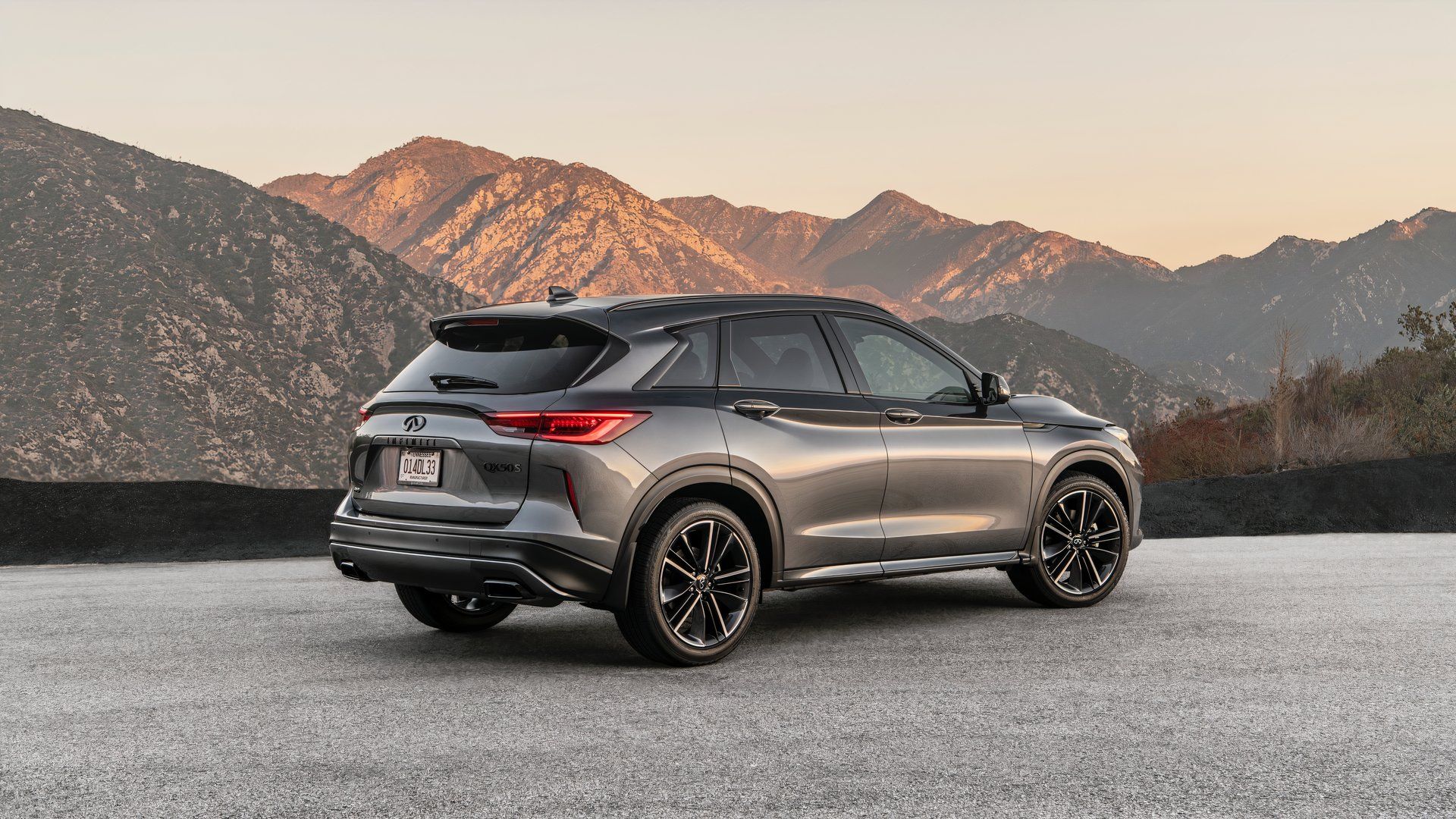
Shopping for an SUV can feel oddly similar to standing before a showroom of mirrors. Everything reflects something familiar—space, comfort, capability—yet each model seems to tilt the promise in a different direction. A common observation is that “an SUV is just an SUV,” as if the label were a single destination. But the deeper fascination is rarely about the vehicle’s shape. It’s about the quiet choreography between your life and the machine that carries it: the way cargo flexes when plans change, the way visibility steadies your confidence on unfamiliar roads, and the way a confident stance translates into reassurance during the long commute or the weekend getaway.
Choosing the right SUV isn’t a matter of finding the biggest footprint. It’s about selecting the best fit for your routines, your tolerance for complexity, and your definition of comfort. Let’s walk through a buying guide that treats your decision as a narrative—one where each chapter reveals a different requirement, from the engine’s temperament to the seat’s ergonomics, from safety systems to resale value.
Start With Your Real Use Case (Not the Brochure)
Most shoppers begin with the spec sheet, but the winning approach starts with lived reality. Ask yourself a few blunt questions. How often do you haul bulky items—strollers, coolers, furniture? How many passengers typically ride along? Do you drive mostly city blocks, or do highways and backroads dominate?

Short trips in stop-and-go traffic emphasize efficiency and cooling stability. Frequent highway miles highlight drivability, noise isolation, and fuel economy under sustained load. If you routinely see gravel or muddy shoulders, you’ll want serious underpinnings and a traction strategy rather than marketing phrases.
This is where fascination becomes practical. SUVs invite you to imagine “more,” but the deeper payoff comes from knowing which “more” you actually need—more ground clearance, more cargo volume, more towing capability, or more calm.
Size Matters: Compact, Midsize, or Full-Size?
The size category is the first major pivot. Compact SUVs often balance agility and urban convenience. Parking is less of a negotiation, and steering feels lighter. Yet compact models can compress third-row space, sometimes turning long-group outings into an exercise in compromise.
Midsize SUVs typically deliver the most satisfying middle ground. They usually provide roomier second rows, more cargo latitude, and more relaxed ride dynamics. If your life involves school schedules, road trips, and frequent errands, midsize is often where “enough” becomes genuinely sufficient.
Full-size SUVs bring the most interior breadth and towing potential, but they also introduce higher fuel consumption and larger dimensions that can feel cumbersome in dense neighborhoods. The deeper reason people love them is simple: there’s an unmistakable sense of dominion in space—space for passengers, space for gear, and space for plans that expand at the last minute.
Powertrain Choice: Gas, Hybrid, Plug-in Hybrid, or Diesel-Like Alternatives
The engine isn’t just a number under the hood; it’s the SUV’s emotional voice. Gas engines are predictable and widely supported. They often suit buyers who prioritize ease of ownership and straightforward maintenance.
Hybrid SUVs can feel like a cheat code in stop-and-go driving. The immediate benefit is fuel economy, but the subtler advantage is smoother throttle response at low speeds, where city driving demands frequent acceleration and deceleration.
Plug-in hybrids add another layer of strategy. They can cover short commutes electrically, turning your routine into a cost-effective rhythm. However, they require a charging routine and realistic expectations about how often you can recharge.
Diesel-like options exist in some markets and configurations, typically offering strong torque for towing. Yet you’ll want to weigh regional availability, service considerations, and fuel pricing. The fascination with torque is real—it’s the sensation of effortless movement under load—but compatibility with your environment is equally important.
Transmission, Drivability, and “The Feeling of Control”
Two SUVs can share similar power outputs and still feel dramatically different. Pay attention to the transmission’s personality: how smoothly it shifts, whether it hunts between gears on hills, and how confidently it responds when you need to merge.
Test drive on routes that resemble your days—intersections, on-ramps, and at least one stretch of varied grade. A great SUV doesn’t just move; it anticipates. That’s why shifting logic and throttle calibration matter so much. They influence fatigue. When the vehicle behaves predictably, your attention can stay on the road rather than on correction.
Traction and Drivetrain: Why AWD (or 4WD) Can Be Worth It
All-wheel drive is often marketed as a safety upgrade, but the truth is more nuanced. Consider the climate and the terrain. If you live where winter precipitation is routine, AWD can improve confidence. Yet it’s not a magic wand. Tire condition remains the main character in low-traction scenarios.
For more aggressive outdoor use—snow, mud, rocky access roads—4WD systems with low-range capability can make a striking difference. They translate into better control at crawling speeds and improved traction management.
The deeper allure of traction systems is psychological: you feel steadier, and your decisions become faster because hesitation fades.
Ride Comfort, Cabin Quality, and Ergonomics
SUV buyers often talk about space, but comfort is shaped by details that rarely appear on comparison charts. Sit in the driver’s seat and spend a few minutes in stillness. Does the steering wheel position settle naturally? Do your knees fit without strain? Do you find the seat height that offers visibility without feeling like you’re sitting too high?
Ride quality is equally important. A well-tuned suspension smooths expansion joints and potholes without thumping your spine. Long drives become less draining. Cabin noise—road roar, wind hiss, tire texture—can transform the ownership experience. If you prefer quiet, prioritize sound insulation and tire selection.
Ergonomics also extends to touchpoints: armrest height, shifter reach, and the placement of cup holders. These are small, yet they decide whether the cabin feels intuitive or irritating after weeks of use.
Cargo Space and Practical Storage
Cargo capacity is more than cubic feet. It’s how the space behaves. Can you load tall items without awkward angles? Are there tie-down points? Is there a flat cargo floor when seats are folded? These questions determine how often the SUV will feel “ready” rather than “almost.”
Look for thoughtfully located storage bins, door pockets, and under-floor compartments. They reduce clutter, which helps the cabin stay calm. A tidy interior doesn’t just look better; it makes daily life smoother.
Towing and Hauling: Match Capability to Your Schedule
If you tow—even occasionally—treat towing specs as a commitment, not a casual feature. Verify the SUV’s maximum towing rating, but also examine the requirements: towing package inclusion, transmission cooling, and brake performance.
Consider what you’ll pull. A small utility trailer is a different story than a boat or camper. Weight distribution matters. Tongue weight, hitch compatibility, and sway control are essential topics, not footnotes.
When towing is aligned correctly, the SUV stops feeling like a compromise. It becomes a capable partner in your larger plans.
Safety, Driver Assistance, and Real-World Confidence
Modern SUVs are packed with driver assistance features—adaptive cruise control, lane centering, blind-spot monitoring, and collision mitigation. These systems can reduce workload and prevent mistakes, especially during repetitive highway stretches.
However, not all systems behave identically. Some are smooth and intuitive; others can feel intrusive or uncertain. In the test drive, pay attention to how quickly they react and how clearly they communicate with alerts.
Also assess visibility: hood shape, mirror clarity, and rear sightlines. Technology helps, but sight matters. When you can see what matters, you build the kind of confidence that lasts beyond the dealership lot.
Tech, Infotainment, and the Human Factor
Touchscreens can be delightful or distracting. Prioritize usability. During the drive, see how quickly you can reach navigation, audio controls, and climate settings without wrestling with menus.
Check smartphone integration quality, responsiveness, and whether physical controls exist for essential functions. Systems that require deep menu navigation can become a nuisance in rain, at night, or when you’re simply tired.
The fascination with tech is understandable. People want their SUV to feel modern, even elegant. The best systems don’t just look futuristic—they stay out of the way.
Reliability, Maintenance Costs, and Warranty Strategy
An SUV should fit your lifestyle, but it should also respect your budget. Reliability isn’t merely about avoiding breakdowns; it’s about minimizing downtime and predictable maintenance schedules.
Review maintenance intervals, parts availability, and warranty coverage. Pay attention to tire wear tendencies and brake service demands, especially if you drive frequently in heavy traffic.
Ownership costs can quietly decide whether a great purchase stays great. A sensible warranty and a transparent service history can turn anxiety into assurance.
Fuel Economy, Range, and Everyday Financial Reality
Fuel economy matters most when it matches your pattern of driving. If your days are urban, efficiency under low-speed conditions is critical. If your life is highway-centric, prioritize stable fuel use under sustained speeds.
Range also affects freedom. A larger tank can reduce stops and stress, particularly when you travel into areas with fewer fueling points.
The emotional satisfaction of an SUV is enhanced when the math feels fair—when you aren’t constantly rethinking every trip.
Test Drive Like a Critic: The Checklist That Actually Helps
Take your test drive seriously. Try accelerating from low speeds, braking smoothly, and turning at both slow and moderate angles. Evaluate steering feel, brake response, and how the SUV handles lane changes.
Notice the suspension’s behavior over bumps. Listen for rattles or wind noise. Confirm that controls are intuitive and that sightlines are adequate when you’re seated normally, not perched.
Bring the mindset of a long-term owner. The best SUVs don’t only impress during a short drive; they reassure you during the boring parts.
Conclusion: Choosing an SUV That Fits Your Life’s Plot
The right SUV isn’t the one that looks the most impressive in a parking lot. It’s the one that aligns with your routines, your passengers, your cargo habits, and your tolerances. You’re not just selecting a vehicle—you’re choosing a daily companion that will repeatedly interpret your choices: where you go, how you drive, and how you manage uncertainty.
When the decision is made thoughtfully, the SUV becomes more than transportation. It becomes a kind of confidence in motion—one that feels natural, capable, and quietly fascinating every time you pull away.