The Toyota brand has long been synonymous with reliability, but as the automotive landscape evolves, so too does the conversation around maintenance costs. The 2026 Toyota lineup promises cutting-edge engineering, but what does that mean for your wallet when the odometer starts ticking? Beyond the sticker shock of dealership visits, there’s a deeper narrative at play—one that reveals how modern vehicles balance innovation with affordability. Whether you’re a first-time buyer or a seasoned Toyota enthusiast, understanding the financial commitment ahead can transform uncertainty into confidence. Let’s peel back the layers of 2026 maintenance costs, from routine upkeep to the hidden variables that could tip the scales.
The Hidden Economics of Toyota’s 2026 Models
At first glance, the 2026 Toyota lineup appears to uphold the brand’s reputation for low-cost ownership. Yet, beneath the surface, a subtle shift is underway. Hybrid powertrains, advanced driver-assistance systems (ADAS), and lightweight materials—while revolutionary—introduce new variables into the maintenance equation. The days of simple oil changes and brake pad replacements are giving way to a more nuanced calculus. For instance, hybrid battery replacements, though rare, can command a premium, and specialized technicians are required to service ADAS sensors. These aren’t just upfront costs; they’re long-term investments in a vehicle’s longevity.
Consider the Toyota RAV4 Hybrid, a stalwart in the compact SUV segment. Its maintenance costs hover around $450 annually, according to industry estimates, but this figure masks the variability of hybrid-specific services. Unlike conventional vehicles, hybrids demand periodic battery health checks, which can cost between $150 and $300. Meanwhile, the Toyota Corolla Hybrid’s maintenance costs are slightly lower, averaging $400 per year, thanks to its simpler drivetrain. The key takeaway? Hybrid models may offer fuel savings, but they also introduce a new layer of maintenance complexity that buyers must account for.
Routine Upkeep: The Bedrock of Toyota’s Affordability
Despite the rise of high-tech components, routine maintenance remains the cornerstone of Toyota’s cost-effective ownership model. Oil changes, tire rotations, and fluid top-offs are still the bread and butter of dealership service centers. For the 2026 Toyota Camry, for example, a standard oil change with synthetic blend oil costs approximately $75, while a full synthetic change runs about $100. These prices are competitive with industry averages, but they’re not immune to inflation. Dealerships in urban areas, where labor rates are higher, may charge upwards of $120 for the same service.
Tire maintenance is another critical factor. The 2026 Toyota RAV4’s all-season tires typically last between 40,000 and 60,000 miles, but factors like road conditions and driving habits can accelerate wear. A set of four new tires for the RAV4 can set you back $600 to $1,000, depending on the brand and tread depth. Wheel alignments, which are often overlooked, can cost an additional $100 to $150. These aren’t just one-time expenses; they’re recurring costs that can add up over the vehicle’s lifespan.
The Hybrid Premium: Balancing Innovation with Cost
Hybrid vehicles are the darlings of the automotive world, but their maintenance costs tell a more complicated story. The 2026 Toyota Prius, for instance, boasts a hybrid battery warranty that extends to 10 years or 150,000 miles, whichever comes first. This warranty is a significant selling point, but it doesn’t eliminate the possibility of out-of-warranty battery replacements, which can cost $2,000 to $4,000. The good news? Toyota’s hybrid batteries are designed to last the lifetime of the vehicle, with proper care. However, neglecting routine maintenance—like failing to replace degraded coolant—can shorten the battery’s lifespan.
Beyond the battery, hybrid-specific components like the electric motor and inverter require specialized attention. Dealerships equipped to service these systems charge a premium for labor, often 20% to 30% more than standard repairs. For example, replacing a hybrid inverter in the 2026 Toyota Highlander Hybrid can cost between $1,500 and $2,500. While these repairs are infrequent, their potential impact on your budget is worth considering. The takeaway? Hybrids may save you money at the pump, but they demand a more proactive approach to maintenance.
Prepaid Maintenance Plans: A Calculated Gamble
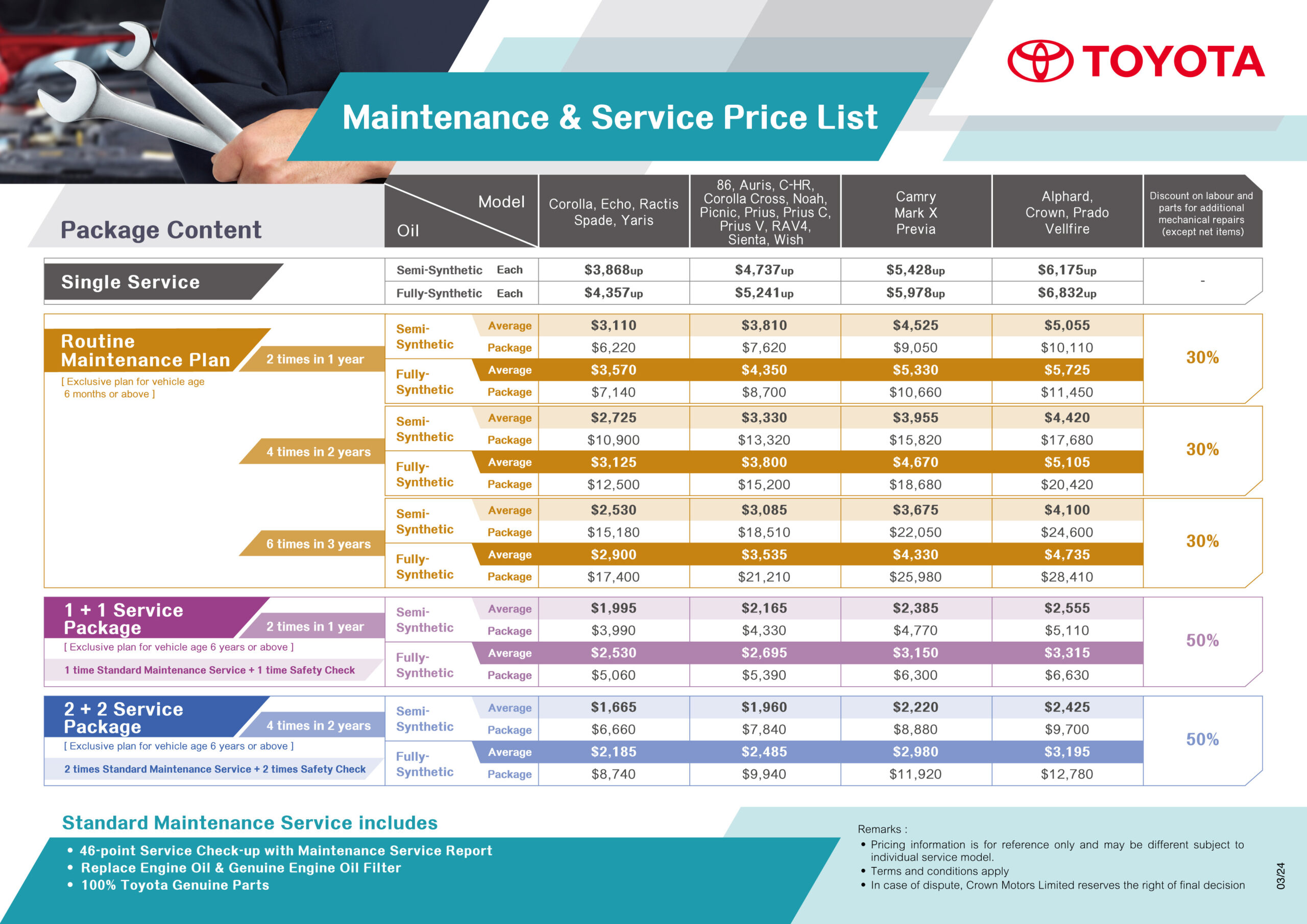
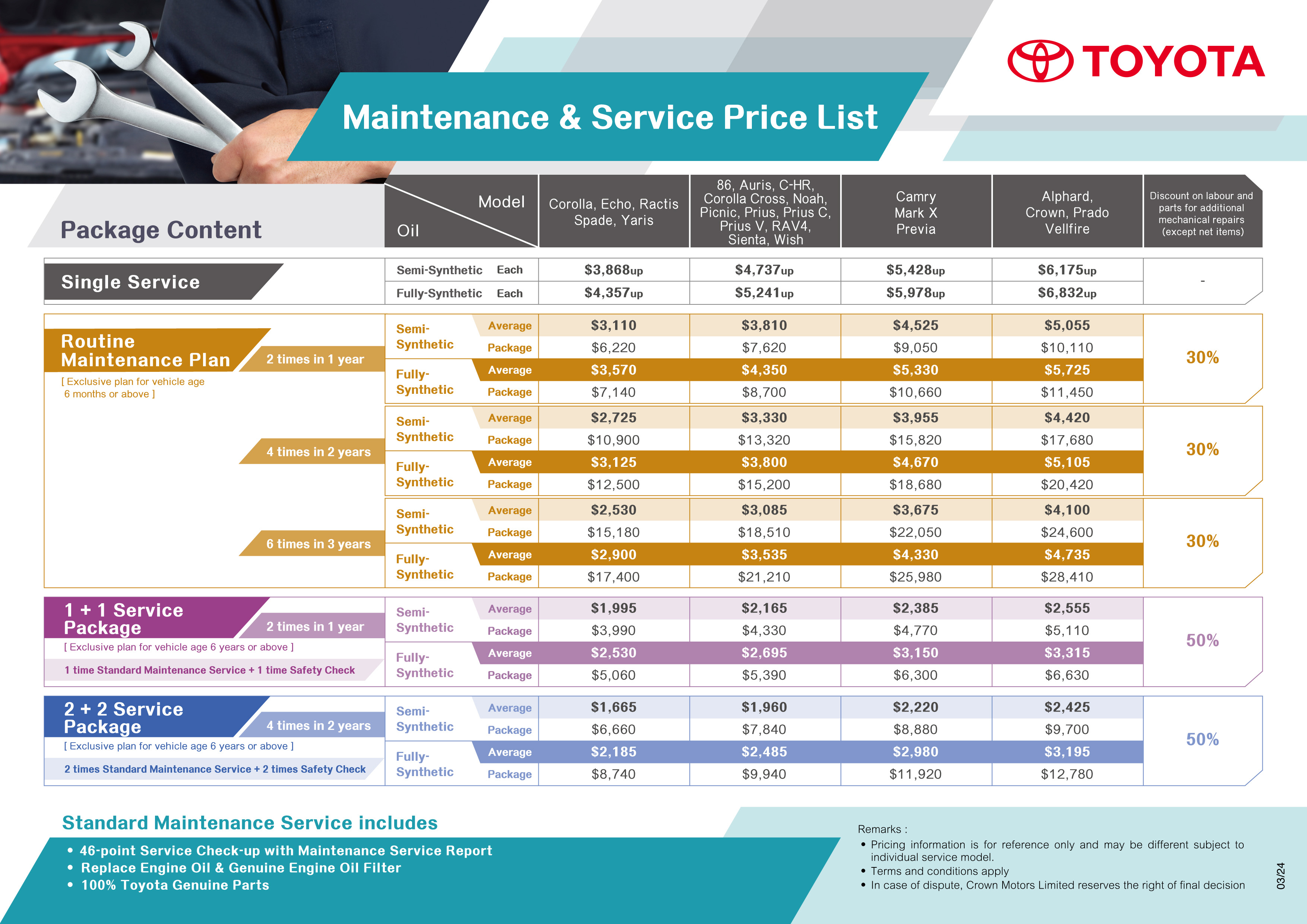
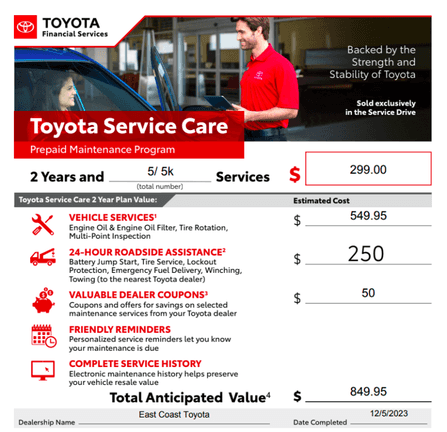
Toyota dealerships have long offered prepaid maintenance plans as a way to lock in costs and avoid sticker shock down the road. For the 2026 models, these plans typically cover oil changes, tire rotations, and multi-point inspections for a set period—usually three to five years. The upfront cost can range from $500 to $1,500, depending on the vehicle and coverage level. At first glance, these plans seem like a no-brainer, but they’re not without drawbacks.
One of the biggest risks is overpaying. If you plan to sell or trade in your vehicle before the plan expires, you may not recoup the full value of your investment. Additionally, prepaid plans often exclude wear-and-tear items like brake pads and tires, which can account for a significant portion of maintenance costs. For example, a prepaid plan for the 2026 Toyota Tacoma might cover oil changes and inspections but leave you on the hook for $300 to $500 in brake pad replacements. The key is to weigh the convenience of prepaid plans against the flexibility of paying as you go.
Regional Disparities: How Location Affects Maintenance Costs
Where you live can have a dramatic impact on your 2026 Toyota’s maintenance costs. Urban areas with high labor rates, like Los Angeles or New York, often charge 20% to 40% more for routine services than rural dealerships. For example, a brake job that costs $300 in a small town might run $450 in a major city. Climate also plays a role. Vehicles in snowy regions require more frequent tire rotations and battery checks, while those in hot, humid climates may need additional cooling system flushes.
Parts availability is another variable. In remote areas, dealerships may charge a premium for shipping or face delays in sourcing rare components. Conversely, urban dealerships benefit from economies of scale, allowing them to offer competitive pricing on parts and labor. The 2026 Toyota Tundra, for instance, might cost $1,200 to repair in a rural area but only $900 in a city with multiple Toyota service centers. The lesson? Location isn’t just a logistical detail; it’s a financial factor that can shape your ownership experience.
DIY vs. Dealership: The Cost-Benefit Analysis
For the mechanically inclined, tackling basic maintenance tasks yourself can yield significant savings. A DIY oil change for the 2026 Toyota Corolla, for example, costs about $40 in parts, compared to $75 at a dealership. However, DIY isn’t without risks. Improperly installed components can void warranties or lead to more expensive repairs down the line. Additionally, modern vehicles often require specialized tools and diagnostic equipment, which can be cost-prohibitive for casual hobbyists.
Dealerships, on the other hand, offer convenience and expertise. Certified technicians have access to the latest service bulletins and recall information, ensuring your vehicle receives the most up-to-date care. They also provide warranties on parts and labor, which can be invaluable in the event of a malfunction. The trade-off? Higher labor rates. For complex repairs, like ADAS calibration or hybrid battery diagnostics, dealerships are often the only viable option. The decision ultimately hinges on your comfort level with DIY and the complexity of the task at hand.
Long-Term Ownership: The True Cost of a 2026 Toyota
When evaluating the 2026 Toyota’s maintenance costs, it’s essential to look beyond the first few years. Over a decade of ownership, even small expenses can accumulate into a substantial financial commitment. For example, the 2026 Toyota Camry’s average annual maintenance cost of $450 adds up to $4,500 over 10 years. Factor in unexpected repairs, like a failing water pump or suspension component, and the total could exceed $6,000. Hybrids, while more efficient, may incur higher long-term costs due to battery degradation and specialized repairs.
Depreciation also plays a role in the overall cost of ownership. A 2026 Toyota RAV4 might lose 50% of its value within five years, but its maintenance costs remain relatively stable. This dynamic underscores the importance of balancing upfront expenses with long-term reliability. The 2026 Toyota lineup excels in this regard, offering a blend of affordability and durability that few brands can match. However, the key to maximizing value lies in proactive maintenance and informed decision-making.
The road ahead for 2026 Toyota owners is paved with both promise and pragmatism. While the initial allure of cutting-edge technology and hybrid efficiency is undeniable, the true measure of ownership lies in the details. From the hidden costs of hybrid maintenance to the regional disparities in service pricing, every factor plays a role in shaping your financial journey. Yet, for those who approach maintenance with diligence and foresight, the 2026 Toyota lineup delivers on its promise of reliability without breaking the bank. The road may be long, but with the right preparation, it’s a journey worth taking.