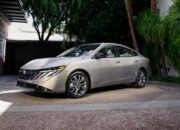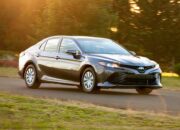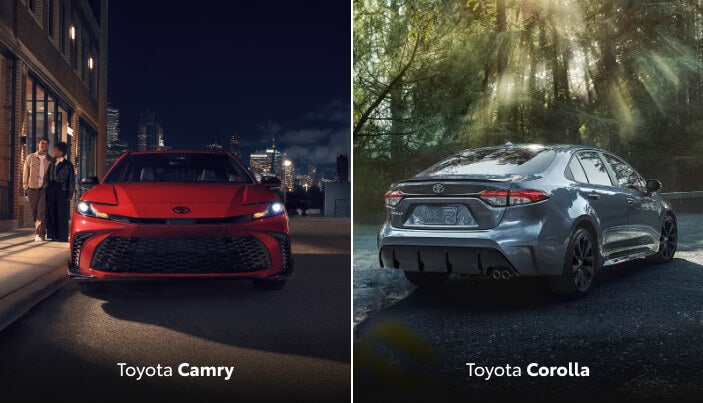
The Toyota Camry and Corolla have long been the dynamic duo of the midsize and compact sedan worlds, but when the hybrid powertrains enter the ring, the gloves come off. The 2026 Toyota Camry Hybrid and Corolla Hybrid aren’t just siblings with different wardrobes—they’re two distinct philosophies of efficiency, performance, and practicality. So, which one reigns supreme when the rubber meets the road? Is the Camry’s extra girth worth the extra miles, or does the Corolla’s nimble frame steal the show? Let’s dive into the MPG showdown and uncover the truth behind these eco-friendly titans.
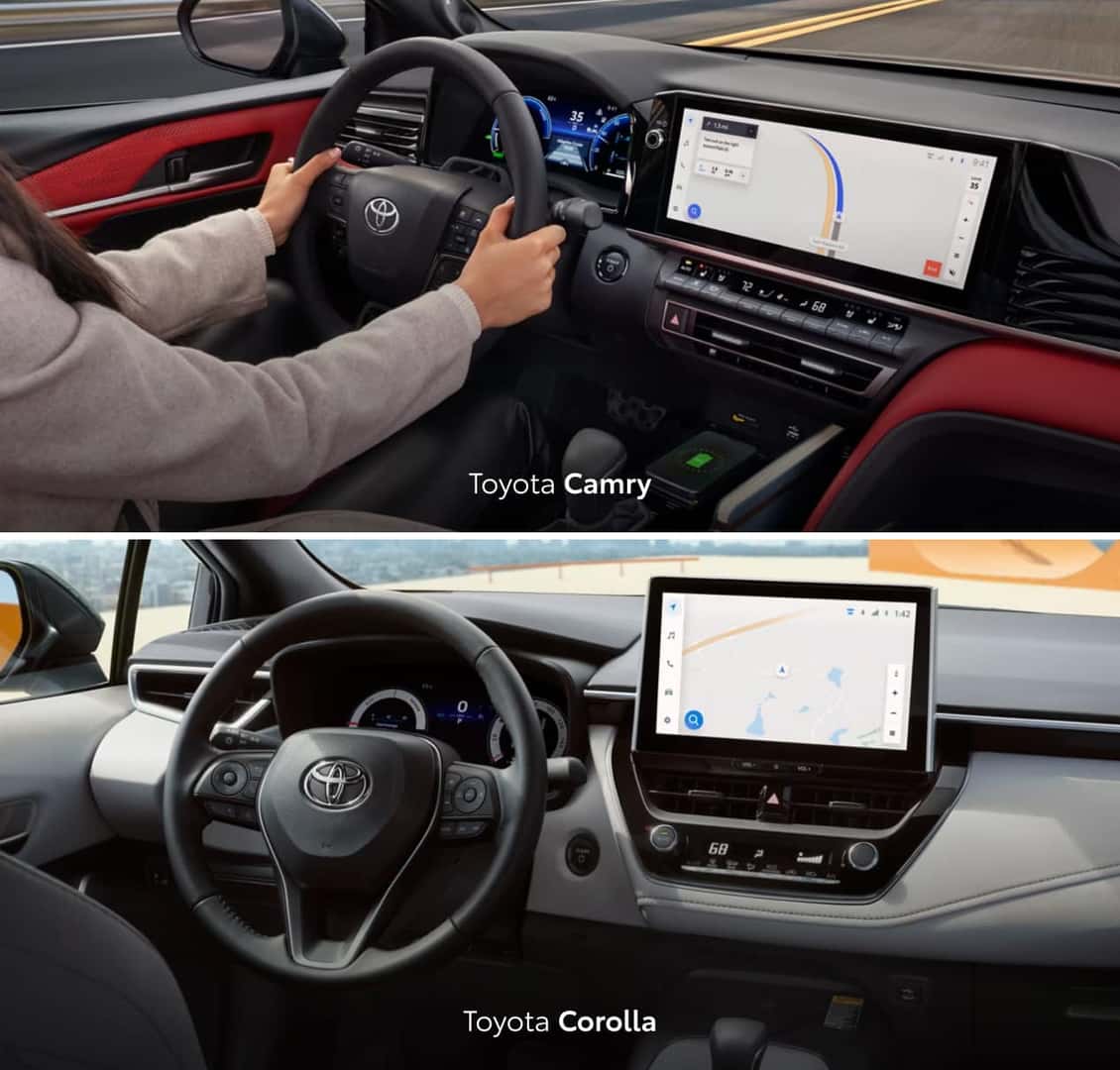
The Hybrid Heart: Powertrain Breakdown
The Camry Hybrid and Corolla Hybrid both wield Toyota’s legendary hybrid synergy drive, but their engines and setups tell different stories. The 2026 Camry Hybrid packs a 2.5-liter inline-four paired with an electric motor, churning out a combined 232 horsepower. Meanwhile, the Corolla Hybrid’s 1.8-liter four-cylinder and electric motor duo delivers a modest 121 horsepower. At first glance, the Camry seems like the overachiever, but power isn’t everything—especially when efficiency is the name of the game.
The Corolla’s smaller engine and lighter frame give it an edge in city driving, where stop-and-go traffic rewards nimbleness over brute force. The Camry, however, thrives on highways, where its larger battery and more robust powertrain shine. But here’s the twist: the Camry’s extra heft means it needs to work harder to keep up with the Corolla’s frugality. So, does the Camry’s muscle translate to better MPG, or does the Corolla’s underdog status steal the efficiency crown?
City vs. Highway: The Efficiency Tug-of-War
Let’s talk numbers. The 2026 Corolla Hybrid is EPA-rated at an astonishing 50 mpg city / 47 mpg highway / 49 mpg combined. The Camry Hybrid, while no slouch, clocks in at 48 mpg city / 44 mpg highway / 46 mpg combined. The Corolla’s efficiency edge is undeniable, but the Camry’s numbers aren’t far behind—especially on the open road. The real question is: where do you drive most often?
If your daily commute is a labyrinth of traffic lights and potholes, the Corolla’s lighter frame and smaller engine sip fuel like a fine wine. But if you’re a highway warrior, the Camry’s larger battery and more powerful setup might just give it the upper hand. The Corolla’s efficiency is its superpower, but the Camry’s versatility makes it a dark horse in the efficiency race.

Design and Practicality: More Than Meets the Eye
Efficiency isn’t just about the engine—it’s about how the car is built. The Corolla’s compact dimensions make it a master of urban parking lots and tight garages, while the Camry’s roomier cabin and trunk offer a more luxurious experience. The Corolla’s aerodynamic silhouette is a slippery fish in the wind tunnel, but the Camry’s larger frame creates a more stable ride at highway speeds.
The Corolla’s smaller size also means it’s easier to maneuver in tight spaces, but the Camry’s extra legroom and cargo capacity make it a better choice for families or road trips. The Camry’s hybrid battery is tucked under the rear seats, preserving trunk space, while the Corolla’s battery eats into cargo room. So, if you prioritize space over efficiency, the Camry might just be the better pick.
The Price of Progress: Cost Comparison
Hybrids aren’t cheap, but they’re an investment in the future. The 2026 Corolla Hybrid starts at around $28,000, while the Camry Hybrid begins at approximately $30,000. The price gap isn’t massive, but it’s enough to make buyers pause. The Corolla’s lower starting price is tempting, but the Camry’s extra features and power might justify the cost for some.
Factor in fuel savings over time, and the math gets interesting. The Corolla’s superior MPG means you’ll spend less at the pump, but the Camry’s larger battery and more powerful setup could mean fewer trips to the charging station (if you’re one of those rare hybrids that still plugs in). The Corolla’s efficiency is its selling point, but the Camry’s versatility and comfort might be worth the extra dollars.
Real-World Driving: The Ultimate Test
Numbers are great, but real-world driving tells the real story. In mixed driving conditions, the Corolla Hybrid consistently delivers on its EPA ratings, while the Camry Hybrid’s larger engine and battery can sometimes feel like overkill. The Corolla’s lighter frame and smaller powertrain make it feel more responsive in city traffic, while the Camry’s smoother ride and quieter cabin make it a pleasure on long highway drives.
But here’s the kicker: the Camry’s hybrid system is more complex, which means more potential for maintenance down the road. The Corolla’s simpler setup is easier to service and less likely to leave you stranded. So, if you’re the type who likes to tinker under the hood, the Corolla might be your best friend. If you prefer a more refined experience, the Camry could be your soulmate.
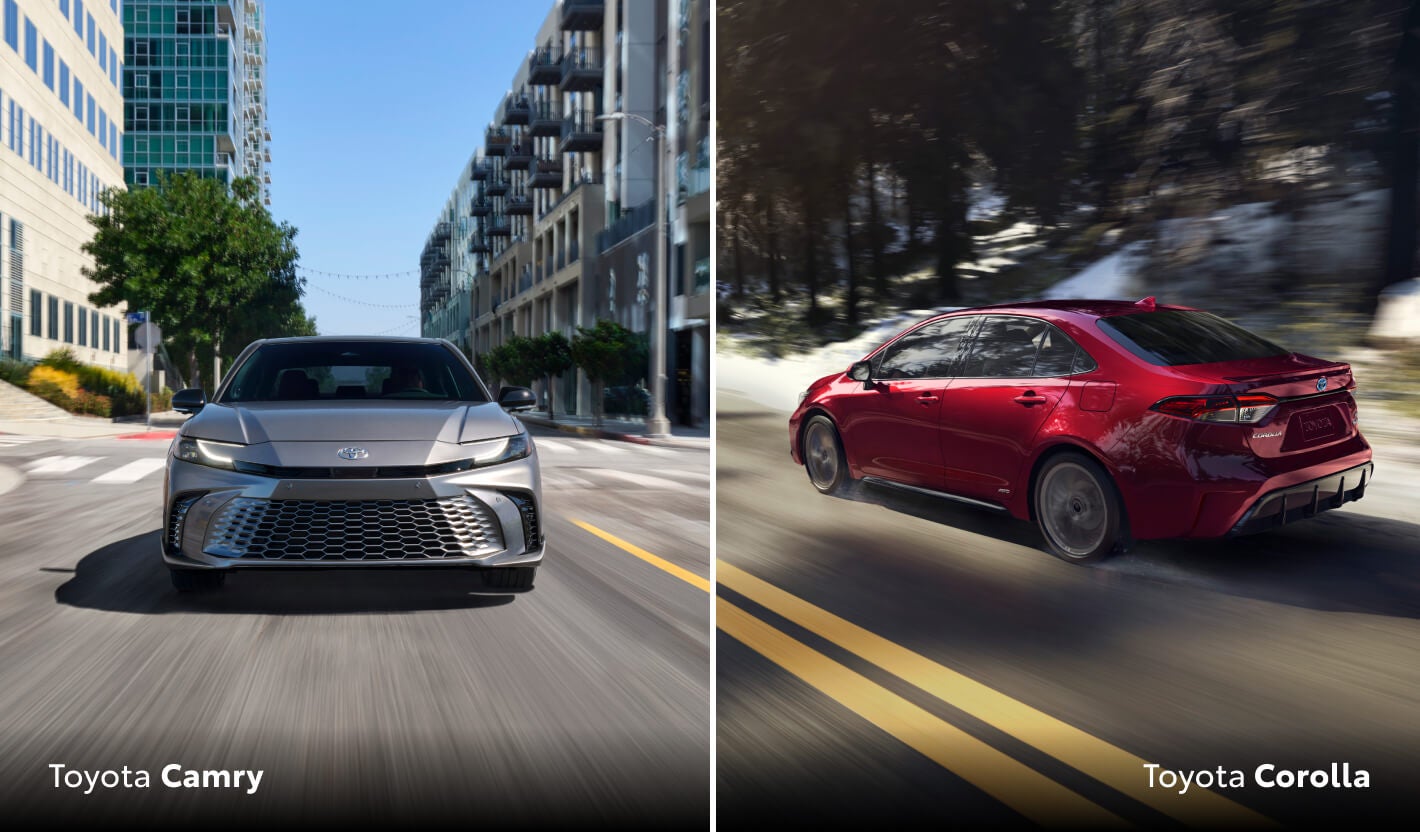
The Verdict: Which Hybrid Wins the MPG Showdown?
So, which one takes the crown? The Corolla Hybrid is the undisputed efficiency champion, with numbers that make even the most seasoned hypermiler blush. But the Camry Hybrid isn’t far behind, and its extra power and comfort make it a compelling alternative. The choice ultimately comes down to your priorities: if you value efficiency above all else, the Corolla is your pick. If you want a balance of power, space, and versatility, the Camry is the way to go.
One thing’s for sure: both hybrids are proof that Toyota’s commitment to innovation hasn’t wavered. Whether you’re a city slicker or a highway cruiser, there’s a hybrid in this lineup that’s perfect for you. The real challenge? Deciding which one to take home.