The 2026 Mercedes-Benz E-Class arrives with a familiar silhouette—executive, composed, effortlessly authoritative—yet it feels newly calibrated for a world that moves faster than the dashboard can plausibly summarize. Where earlier E-Classes often impressed by refinement alone, this edition leans into a different kind of fascination: the sense that the car is quietly negotiating with the environment around it. It’s less “transportation” and more a rolling command center, dressed in tasteful elegance. And that’s where a common observation comes in. Many drivers say the latest luxury tech is “too much,” or that it distracts from the act of driving. The E-Class has a counterargument, delivered not with persuasion, but with design intent—one that suggests the deeper reason people can’t stop staring is not the screen itself, but the confidence it lends.
Yes, it’s tech-forward. But the 2026 E-Class is also remarkably disciplined about how it uses that technology. The result is a sedan that feels modern without becoming frantic. Short statements appear when you need them; longer, more thoughtful guidance waits until you ask. The car’s personality is calm—almost monastic—yet its capabilities are decidedly contemporary.
Design and First Impressions: Executive Poise Meets Aerodynamic Intent
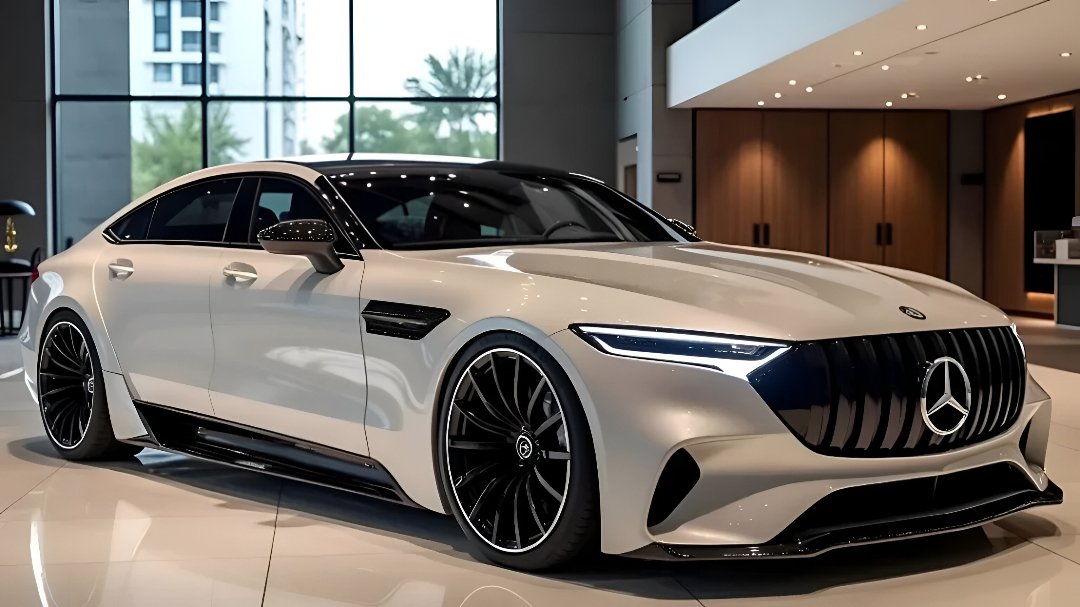
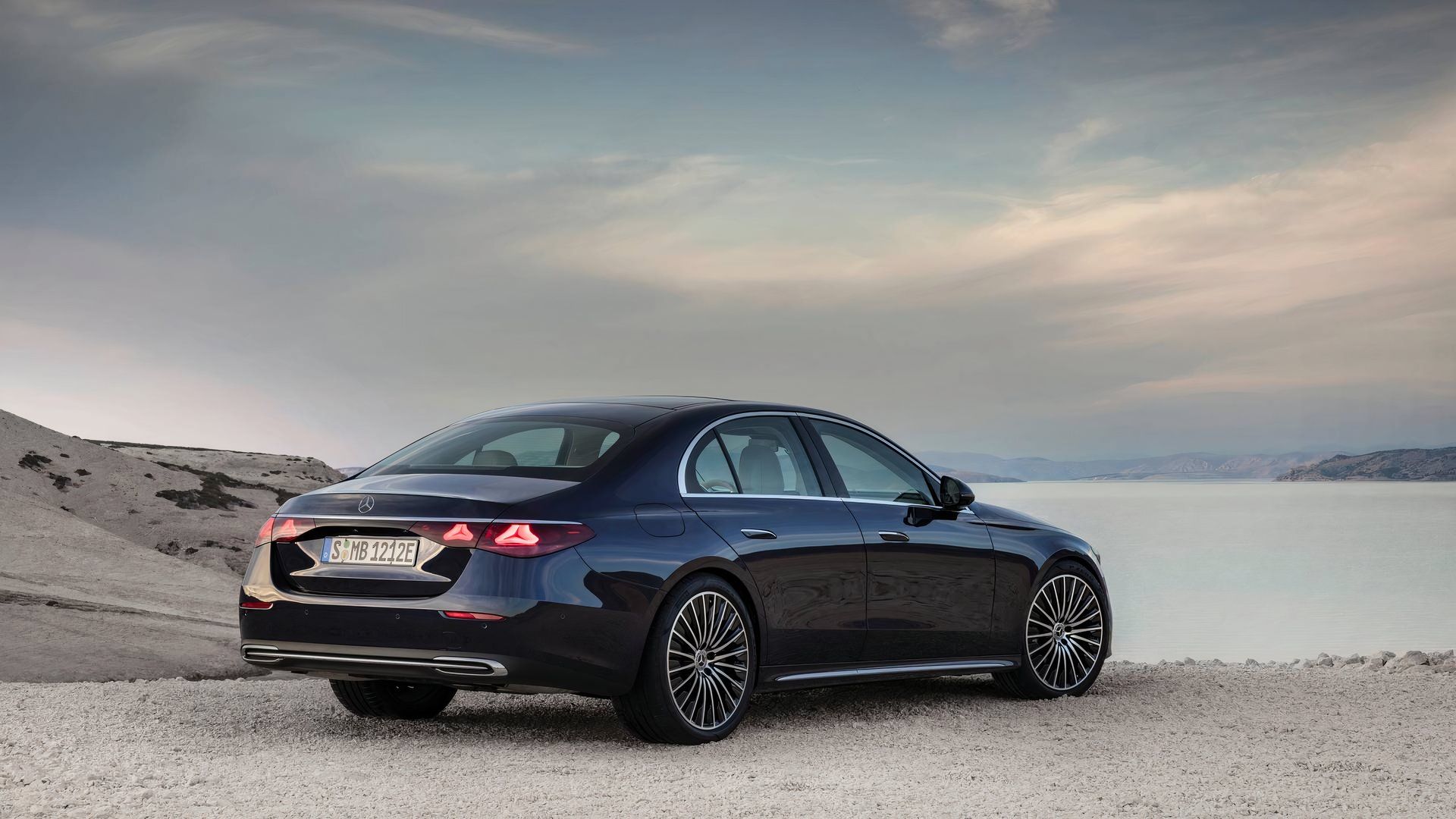
The E-Class has always been a masterclass in not trying too hard. In 2026, that restraint remains, though the styling is sharpened with subtle aerodynamic cues. The lighting signatures look crisp, with a deliberate cadence that makes the front end feel engineered rather than merely decorated.
In motion, the sedan’s stance reads as planted and secure. That’s not just visual drama; it’s a psychological effect. When a car looks stable, drivers relax their inputs. Stability, comfort, and confidence are linked more tightly than most people realize. The deeper fascination here is that the E-Class isn’t simply “beautiful.” It’s reassuring. It communicates a sense of competence before it ever speaks.
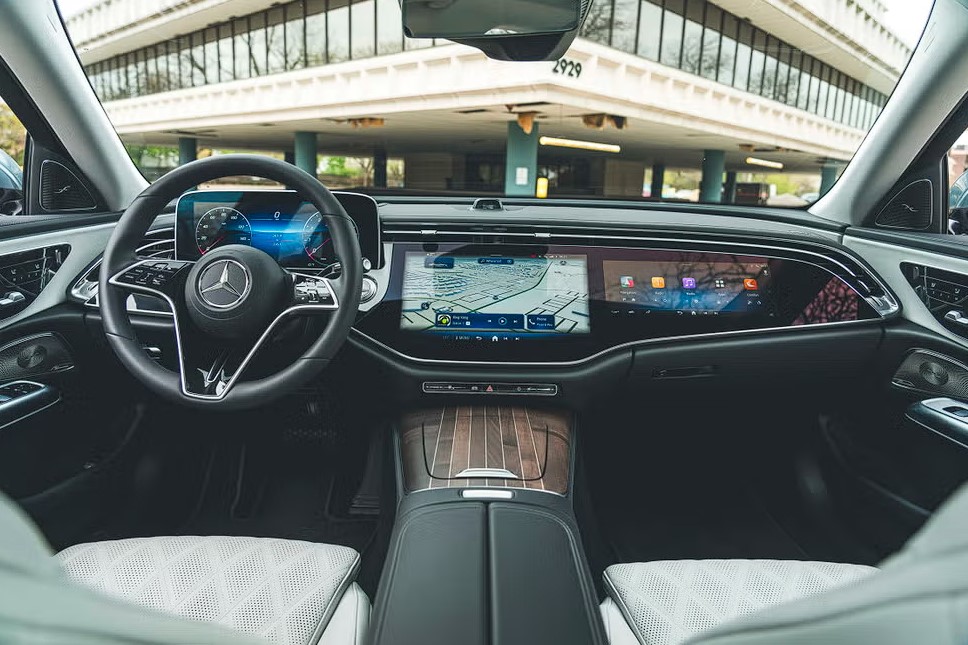
Cabin Atmosphere: A Tech Sanctuary Instead of a Tech Circus
Spend a few minutes inside the 2026 E-Class and you’ll notice something: the cabin doesn’t feel like a gadget showroom. The interface architecture is designed around flow—information arrives like well-edited prose rather than scattered bullet points.
Some luxury cars overwhelm with options. The E-Class instead tries to reduce cognitive friction. That matters because attention is the scarce resource of driving. A screen can become a distraction, yes. But when the system anticipates what you’re likely to do next, it reduces the mental load of searching, interpreting, and toggling.
Even the materials contribute to that calm. Surfaces feel curated. Ambient lighting is not merely decorative; it’s a subtle boundary between “outside noise” and “inside focus.” The cabin’s deeper appeal is emotional. People don’t just want features—they want serenity that happens to be engineered.
Infotainment and Connectivity: The Smartphone’s Influence, Reimagined
The common critique of modern car tech is that it’s too dependent on phones, apps, and accounts. The E-Class counters by integrating connectivity into a cohesive experience, rather than turning the ownership journey into a perpetual pairing ceremony.
Expect intuitive navigation support, responsive media controls, and an interface that feels logically arranged. Voice commands are likely to be a centerpiece, because they align with how people actually communicate—briefly, naturally, and sometimes mid-thought. A system that understands context makes a driver feel respected.
There’s also the matter of continuity. Modern users switch between destinations, calendars, and lifestyle routines. The 2026 E-Class’s tech-forward posture suggests a deeper intention: it’s built to keep your plans coherent, even as your day fragments.
Digital Instrumentation: Clarity That Doesn’t Need Explanation
Digital displays can be visually impressive yet operationally confusing. The E-Class aims for the opposite. The instrument cluster is expected to prioritize legibility at a glance—large enough for quick comprehension, refined enough to avoid visual noise.
What’s fascinating isn’t merely the resolution. It’s the philosophy behind the information hierarchy. Primary data sits at the center of attention. Secondary details are present but not shouting. This design reduces decision latency, meaning you don’t hesitate before acting.
Short drives feel less like “learning the interface” and more like simply driving. Long drives feel even better, because the system fades into usefulness. That’s the hallmark of competent design: it performs, then gets out of the way.
Driver Assistance and Safety Tech: Confidence Through Subtle Surveillance
Driver-assistance systems can trigger skepticism—drivers fear complacency, sensing they’ll become passengers of their own vehicles. The E-Class addresses that concern by treating assistance as a safety net rather than a replacement for judgment.
Think of it as quiet surveillance with manners. Lane-keeping support, adaptive cruise capabilities, and collision mitigation technologies are designed to reduce the penalty of human error. The system’s goal is not to remove responsibility; it’s to compress risk.
When the car provides gentle steering corrections or timing adjustments, it feels like an informed co-pilot. The deeper fascination is psychological: a vehicle that helps you anticipate trouble changes how you view the road. Distance, speed, and spacing become more intentional, less reactive.
Powertrain Feel and Efficiency: Modern Motion, Refined Intent
Beyond the screens and sensors, the heart of the E-Class is how it moves. The 2026 model aims for a balanced character—responsive without being edgy, smooth without being sleepy. This is where luxury sedan engineering becomes tangible.
Engine mapping, transmission behavior, and chassis tuning work together to create a feeling of continuous readiness. Low-speed maneuvering should feel composed. Highway acceleration should feel confident, with power delivered in a way that doesn’t feel theatrical.
Efficiency also matters, not as a number in a brochure but as a behavioral shift. A well-integrated powertrain strategy reduces needless revving and optimizes torque delivery. That translates into fewer vibrations, less fatigue, and a calmer driving rhythm.
Ride Quality and Handling: The Art of Controlled Compliance
Mercedes has always understood that comfort is not the absence of control. It’s control tuned so that bumps don’t become conversations with your spine. The 2026 E-Class continues this tradition with suspension refinement designed to absorb irregularities while maintaining composed steering response.
Cornering shouldn’t feel like a compromise between softness and stability. Instead, the sedan should aim for measured roll, predictable transitions, and a steering feel that communicates traction without exaggeration.
Long-term fascination often comes from consistency. When the car repeatedly delivers the same level of composure across different road surfaces, drivers stop thinking about the suspension and start enjoying the drive.
Comfort Features That Matter: Climate, Seats, and Everyday Luxury
Luxury is frequently measured in moments: a warmed seat before you notice the chill, a cabin that reaches temperature with quiet urgency, and a climate system that maintains balance instead of wildly oscillating.
In the 2026 E-Class, these comfort elements are expected to work together with cabin sensing. That integration prevents the common annoyance of “overcompensating comfort,” where the system feels too eager. When it’s calibrated well, the cabin simply stays right.
Seat ergonomics—support, adjustability, and pressure management—remain crucial for an executive sedan. A feature is only valuable if it reduces driver and passenger fatigue. The E-Class’s approach suggests it’s paying attention to the long arc of ownership, not just the first day’s novelty.
Inflection Point Ownership: Why People Can’t Stop Thinking About It
So why the fascination? Because the 2026 E-Class doesn’t treat technology as an accessory. It treats tech as a facilitator of human comfort and decision-making. That’s the deeper reason some drivers initially doubt modern luxury tech: they fear the car will distract them or complicate their life. But when the experience is cohesive—when assistance is subtle, interfaces are calm, and connectivity is integrated—the skepticism transforms into curiosity.
The E-Class becomes a kind of reassurance machine. Not in a gimmicky way. More like a well-trained concierge who anticipates needs without interrupting conversations.
Who It’s For: The Executive Sedan Buyer Who Wants More Than Status
This car suits people who value quiet authority. Not the loud kind—the kind that shows up in reliability, thoughtful usability, and refined execution. If you commute, travel often, or simply drive long distances, the 2026 E-Class is engineered to make time feel less demanding.
It’s also for those who want modern tech but don’t want to feel tethered to complexity. The right kind of sophistication disappears into the background, leaving you to focus on the road and the people with you.
Conclusion: A Tech-Forward Sedan with a Human Rhythm
The 2026 Mercedes-Benz E-Class Review is ultimately about balance. It’s tech-forward, yes, but it’s also deliberately humane—designed to reduce friction, improve clarity, and elevate comfort. The common observation that “too much tech can be distracting” doesn’t fully apply here, because the car’s intelligence seems aimed at helping your attention stay where it belongs.
From its executive design to its calm cabin atmosphere, the E-Class invites fascination for a reason: it makes modern driving feel less like operating a system and more like inhabiting a thoughtfully engineered space. You don’t just notice the technology. You feel the confidence it brings—quietly, persistently, and with a steadiness that lingers after the drive.