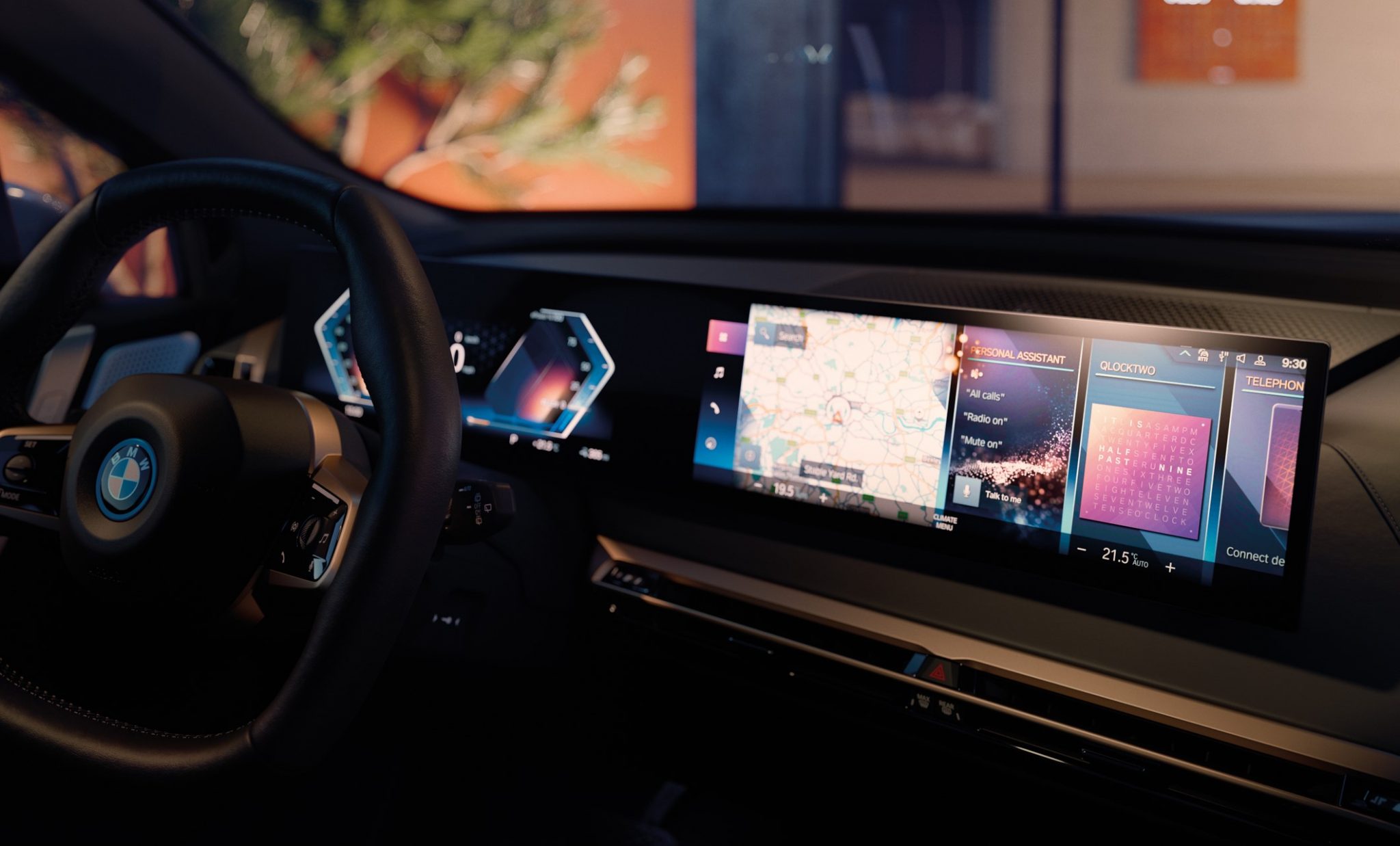
In the modern cockpit, the infotainment screen is no longer a dashboard accessory—it is the vehicle’s conversation partner. BMW’s iDrive has long carried that role with a measured confidence, like a well-trained orchestra conductor keeping tempo while the rest of the cabin plays along. Now, with iDrive 8.5 and the evolving iDrive 9 ecosystem, BMW leans further into the idea that software should feel less like an app grid and more like an intuitive instrument. The result is a system that seeks to be less “menu-driven” and more “mood-driven,” guiding drivers through navigation, media, vehicle settings, and connected services with a sense of choreography.
There’s a particular kind of intrigue in how BMW approaches this. Instead of treating infotainment as a static panel, it behaves like a living atlas—reconfiguring attention, surfacing the right controls at the right moment, and quietly adapting to the driver’s preferences. It’s not simply about visuals. It’s about how quickly the system can translate intent into action, how gracefully it can reduce friction, and how elegantly it can avoid the sensation that technology is wrestling the user.
The Philosophy Behind iDrive: A Cockpit That Feels Like Navigation, Not Navigation That Feels Like a Menu
BMW’s approach is built on the notion that the driver should never feel trapped inside software. The logic of iDrive centers on continuity: from the physical controls to the on-screen interface, from a map request to climate adjustments, from media selection to driver assistance settings. Short sentences matter here—BMW leans into immediacy. Yet there’s a deeper engineering restraint underneath, where complexity is deliberately abstracted.
Think of iDrive as an interpretive layer between you and the car. It turns a chaotic world of information into a readable experience. That metaphor matters: a good infotainment system doesn’t just display data; it performs translation. It tells you what matters now, and it does so in a visual cadence that doesn’t break the flow of driving.

Screen Architecture and Visual Language: Clarity With a Hint of Theatricality
The core of iDrive’s appeal is visual grammar. BMW uses high-resolution displays and a layout designed to be legible at a glance. In practice, that means the system’s hierarchy is clear: what’s current is prominent; what’s optional recedes politely. There’s a sense of typographic discipline—like reading a well-designed magazine spread.
However, iDrive isn’t merely crisp. It also tries to be expressive. Themes, animations, and graphical refinements provide a subtle “stage lighting” effect around key interactions—selecting destinations, changing audio sources, or modifying vehicle settings. The system can feel tactile even though you’re not touching the screen.
And for long trips, that matters. Consistency reduces cognitive load. The cabin becomes a predictable environment for information. You begin to trust the interface the way you trust a familiar route.
Interaction Model: The Tension Between Touch and Intuition
BMW’s infotainment isn’t designed to replace physical controls with a single gesture. It seeks a duality: the immediacy of touch paired with the precision and certainty of hardware input. This creates a rhythm. You can scroll through menus quickly, but you can also make decisive moves without looking too hard.
Still, the touch experience can reveal a paradox. When a system offers both touch and controller input, it must ensure the driver never feels uncertain about which method is best. BMW’s challenge is not simply to be responsive; it must be predictably responsive. Otherwise, the interface becomes a small adversary—an “almost right” feeling that interrupts concentration.
On the other hand, when the mapping of gestures and commands is well-synchronized with user expectations, the interface becomes almost frictionless. It starts to feel like extending your intent rather than navigating a digital maze.
Navigation and Guidance: From “Where Are We?” to “Where Are We Going Next?”
Navigation is where iDrive earns trust. A map isn’t enough. Drivers need guidance that respects time, traffic patterns, and the realities of daily driving. iDrive’s navigation experience is designed to provide both macro and micro detail: the big picture for the route ahead, and the fine-grained cues that reduce uncertainty while driving.
But the most compelling moments are the quiet ones—when the system anticipates needs. Whether that’s highlighting a relevant route option, offering an alternative in traffic, or keeping destination context alive while other tasks unfold, the system’s intelligence is felt rather than announced.
Good navigation is like a compass in a storm. It doesn’t remove weather. It simply keeps you pointed the right direction and reassures you that the next step is within reach.
Media, Audio, and the Mood of a Drive
Infotainment becomes personal through media control. BMW’s iDrive is built to manage audio sources with minimal friction—radio, streaming, device mirroring where supported, and a structured approach to playlists and favorites. The system tends to keep your media “state” persistent, so you’re not constantly reselecting what you already chose.
There’s also a subtle emotional dimension here. The best infotainment doesn’t just play music—it calibrates atmosphere. It becomes a conductor for evenings, a traveling DJ for commutes, and a reliable archive for long road trips. The interface’s role is to prevent media from becoming a chore.
In many cockpits, media menus can sprawl into distractions. iDrive aims to keep them contained. It strives for a balance where the driver can adjust tone quickly without turning attention into an expedition.
Vehicle Settings and Driver Profile: The Cabin as a Personalized Instrument
Beyond entertainment, iDrive acts as a portal to the car’s personality. Driver profiles can shape how the vehicle behaves—steering feel, driving modes, comfort configurations, and sometimes how the interface itself presents options. When this works seamlessly, the infotainment layer becomes an extension of memory.
The system’s unique appeal lies in the way it frames adjustments. Instead of a spreadsheet of settings, iDrive presents modifications as meaningful levers: comfort becomes a sensation; sport becomes a character; assistance becomes a safety net. Even when menus are complex, the interface language is meant to feel coherent.
As you spend more time in the cabin, you start to notice that certain settings become automatic rituals. That’s a sign the system is learning your routine—even if it’s only learning through profiles and your repeated choices.
Connectivity and Digital Services: The Smart Car as a Linked Ecosystem
Modern infotainment is only as good as its connective tissue. iDrive’s connected services attempt to integrate online functionality without turning the cabin into a tech lecture. The goal is to enable features—such as live information, remote access elements in supported vehicles, and enriched navigation inputs—without overwhelming the driver.
Connectivity also affects usability. Quick-loading information, stable pairing, and reliable service availability determine whether the system feels confident or fragile. The unique appeal of iDrive in this category is its insistence on usability-first design. It’s not trying to be a smartphone replacement; it’s trying to be a cockpit companion.
When the ecosystem works, the car feels less isolated. It becomes part of your digital life, yet still maintains an automotive priority: the interface remains centered on driving tasks.
BMW iDrive 8.5 vs. iDrive 9: Evolution Without Losing the Plot
BMW’s mid-cycle refinements and next-step iterations are best understood as evolutionary rather than revolutionary. The charm of iDrive lies in continuity: the system retains familiarity while improving responsiveness, clarity, and feature integration. iDrive 8.5, in particular, reflects a desire to refine what drivers already know—tightening the experience, improving the flow, and smoothing edges that can make digital interfaces feel clumsy.
Meanwhile, the trajectory toward iDrive 9 suggests a broader ambition: deeper integration, enhanced intelligence, and a cabin interface that can feel more context-aware. Yet the central question remains the same: does it reduce friction for real drivers, or does it merely add options?
The ideal outcome is a system that feels like it’s getting better at conversation—less like answering prompts, more like understanding your intent. In that sense, iDrive’s evolution is not simply about technology upgrades. It’s about building a more cooperative relationship between driver and machine.

Where It Shines: Responsiveness, Design Discipline, and the Sense of Flow
Even when different drivers prioritize different features, iDrive tends to win through consistent principles. The interface is visually organized. The interaction model aims to reduce distraction. Navigation and media workflows are designed to keep the driver in control. The system’s appeal is not loud—it’s steady.
That steadiness is a kind of luxury. In a world of pop-up notifications and scattered UI, iDrive tries to stay focused. It treats the cabin as a place for attention and composure, not a space for constant tapping.
Where to Watch Closely: Missing Elements and the Importance of Expectation Management
No infotainment platform is perfect, and the most useful evaluations often come from looking at expectations. Drivers can come in with a desire for certain capabilities—streaming depth, customization depth, performance parity with smartphone experiences, and a sense of completeness in the ecosystem. When the system falls short of that imagination, it can feel like the cabin has a slightly open door.
Even small mismatches—between what a driver expects to be intuitive and what the interface requires—can become noticeable over time. That’s why the user experience must be considered as a whole. A beautiful interface doesn’t compensate for inconsistency. Conversely, a system with occasional limitations can still be beloved if the everyday flow remains smooth.
The Intriguing Metaphor: iDrive as a Digital Conductor in a Moving Orchestra
If BMW iDrive 8.5/9 had a single identity, it would be a conductor. Not one that overwhelms with dramatic flair, but one that knows when to cue the violins and when to hold the silence. The system’s job is to keep the cabin performing harmoniously: navigation cues at the right time, media controls within reach, settings adjustments presented with clarity, and connectivity serving the drive rather than interrupting it.
In that metaphor, the driver remains the lead performer. iDrive simply makes the symphony possible—organizing complexity into a score you can follow while the road keeps moving.
Conclusion: A Cockpit Companion That Aims to Earn Your Attention
BMW iDrive 8.5 and the path toward iDrive 9 represent a focused attempt to make infotainment feel less like software and more like an automotive companion. The interface’s visual discipline, the thoughtful interaction model, and the integrated approach to navigation and media create an experience that can feel surprisingly natural. Yet the true measure lies in consistency: how reliably the system keeps the driver’s attention intact.
When it works at its best, iDrive doesn’t just display information—it choreographs it. It turns the dashboard into a readable narrative, where each tap, scroll, and selection feels like stepping onto the next page of a story already in motion.