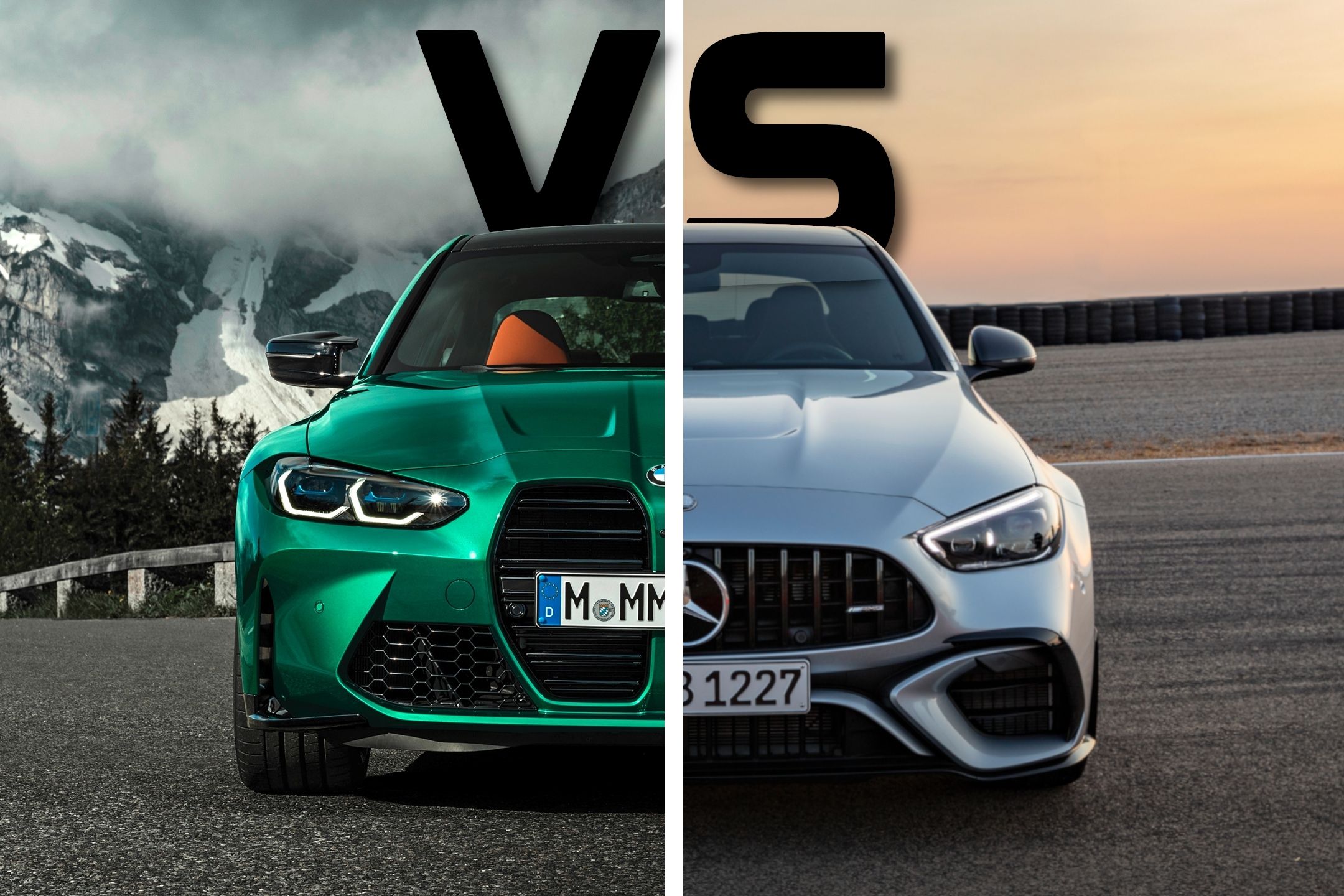
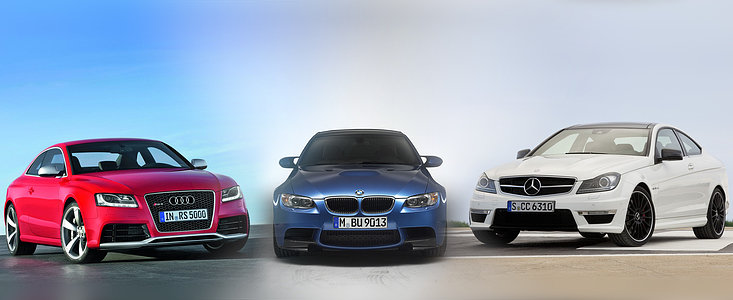
Some matchups feel preordained, as if the outcome is already embossed on the steering wheel. Others arrive like a plot twist—subtle at first, then unmistakable once the revs rise and the road begins to argue back. The 2026 performance-sedan arena is in that second category. The Mercedes-AMG C63 enters with a reputation for theatrical torque and a taste for precision drama. The BMW M3 counters with engineered razorwork and a chassis that seems to anticipate your next decision. The Audi RS5, meanwhile, plays the role of the disciplined rebel—quietly confident, unwilling to blink, and always one corner ahead in the rhythm of its response.
But this isn’t simply a “numbers on paper” contest. It’s a shift in perspective. It’s about what you notice when you stop chasing the headline sprint and start listening to the way each car rearranges energy—how it translates intent into traction, into sound, into the kind of momentum that makes you grin despite yourself. This is the performance sedan battle that reframes what “fast” really means.
The Stage: Why 2026 Feels Different
In 2026, the performance sedan conversation has matured. It’s no longer only about how quickly a car can cover a quarter-mile strip. The modern road has become more complex—traffic patterns change, speed limits vary, and the “real” test is how calmly a car can re-accelerate and re-stabilize without demanding heroics from the driver.
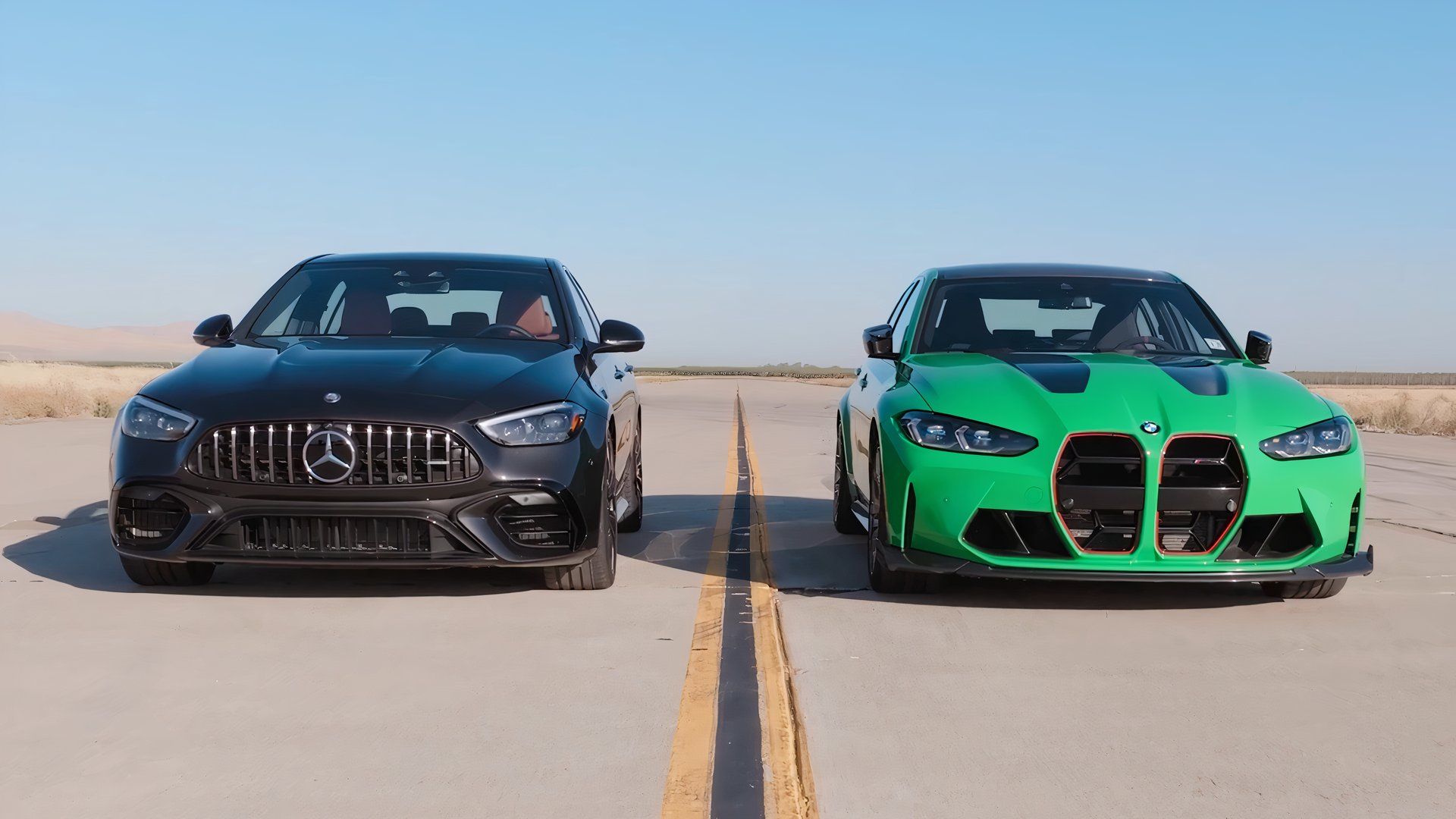
That’s where these three cars diverge in personality. Mercedes-AMG leans toward an electrified sense of urgency—an extra layer of response that can feel like a secret passage from one pace to the next. BMW’s M3 is a study in composure, trading drama for calculated aggression. Audi’s RS5, historically, has often been the one that makes you forget it’s supposed to be “just” a sedan until it starts behaving like something sharper and more focused than expected.
Put them side by side and the question becomes more interesting: which one makes you drive better, not just faster?
Design Intent: Silhouettes That Telegraph Temperament
At first glance, each car communicates its agenda. The Mercedes-AMG C63 tends to look like it’s mid-motion even when parked—wide stances, aggressive creases, and a front-end presence that feels slightly confrontational. It’s the kind of design that doesn’t beg for attention; it compels it.
The BMW M3 wears its athleticism like precision tailoring. Its proportions hint at stiffness and restraint, suggesting a machine built for repeatable track-day use. There’s an almost mechanical clarity to its stance: everything seems positioned to reduce delay between your input and the car’s output.
The Audi RS5 offers a different charisma—less overtly combative, more purposeful. Its shape suggests aerodynamic efficiency and a planted demeanor. It’s the car that looks like it’s already comfortable at speed, like it could drive through a long freeway stretch and still feel composed afterward.
Powertrain Character: Torque Delivery, Feel, and Surprise
Power is the obvious battleground, yet the subtler duel is how power arrives. The Mercedes-AMG C63’s performance identity has increasingly been tied to an electrified boost sensation—an added immediacy that can transform low-speed hesitation into a near-instant push. The result is a torque delivery that feels persuasive, like the car is meeting your throttle with enthusiasm rather than inertia.
The BMW M3 answers with a more linear, mechanically satisfying cadence. It often rewards timing: squeeze early, hold steady, then let the engine and drivetrain synchronize with the chassis. When it’s on song, the M3 can feel almost telepathic—less “push now” and more “move with me.”
The Audi RS5 brings a different flavor of urgency. Its character tends to feel athletic and eager, with traction management that can make acceleration feel controlled even when it’s undeniably quick. The RS5’s strength is sometimes not maximum surge, but how effectively it maintains momentum once you’re already committed.
Here’s the real curiosity: which powertrain makes you forget to check the speedometer? That emotional metric often separates the winners from the merely impressive.
Transmission Logic and Driver Interaction
Transmission behavior shapes the entire driving experience. The way a car selects gears can either amplify your confidence or introduce small hesitations that disrupt flow. In spirited driving, those micro-delays matter. They interrupt cadence.
The Mercedes-AMG C63 typically aims for quick, decisive gear changes that align with its theatrical power delivery. Its acceleration can feel like it’s choreographed: pull, surge, settle—repeat. In less dramatic conditions, that same responsiveness can still feel eager, sometimes bordering on impatient.
BMW’s M3 often feels engineered for involvement. The gearbox logic is frequently calibrated to support momentum through transitions—especially when you’re blending throttle with steering inputs. It’s a “stay in the moment” kind of performance, where the car seems to encourage rhythm rather than sudden bursts.
The Audi RS5 usually delivers smooth authority. When you demand speed, it responds without turning the entire cabin into a symphony of urgency. The result is a kind of controlled aggression—less frantic, more refined. For long drives or repetitive high-speed stretches, that can translate into real-world satisfaction.
Chassis, Steering, and the Psychology of Grip
Grip isn’t just rubber on asphalt; it’s the feeling that the car believes in you. The steering weight, the onset of lateral load, the way the suspension compresses—these are the cues your brain uses to trust the machine.
Mercedes-AMG’s chassis tuning can feel confident and forceful. It often gives the impression of building traction with intent, soaking up imperfections while still offering a clear sense of direction. At speed, the C63 can feel planted, as if the road beneath it is being negotiated rather than merely survived.
The BMW M3 is frequently where precision becomes addictive. Steering feedback and balance tend to invite consistent inputs. You don’t just drive quickly—you learn a pattern, then repeat it until the car’s behavior feels like an extension of your own reflexes.
The Audi RS5 excels at composed traction management. The way it handles changes in load—turn-in, mid-corner stability, and exit—often feels calm and deliberate. In wet or mixed conditions, that calmness can be the difference between “fast enough” and confidently fast.
Braking and Confidence Under Pressure
A sedan’s performance reputation is only as credible as its ability to stop and continue. Braking isn’t merely about stopping distance; it’s about modulation—how smoothly the car transitions from speed to stillness without unsettling the chassis.
The Mercedes-AMG C63 tends to deliver strong, reassuring braking feel, with deceleration that can feel purposeful and repeatable. For drivers who like to late-brake and attack the next corner, that confidence can be intoxicating.
The BMW M3 often emphasizes pedal communication, making it easier to calibrate pressure with precision. That can matter more than raw stopping power, especially when you’re exploring the edge of grip rather than pretending the car is a demolition derby machine.
The Audi RS5 usually brings a stable, progressive braking character. It aims to keep composure—helping you slow down without forcing the chassis to reveal every secret vibration of its own engineering.
Cabin Atmosphere: Sound, Technology, and Emotional Feedback
Performance sedans don’t just move; they narrate. Engine note, steering texture, and the way technology fades into the background all determine whether the driving experience feels immersive or sterile.
Mercedes-AMG can feel especially cinematic. Even when the road is ordinary, the cabin can heighten the sensation of speed—like the car is writing a soundtrack tailored to your throttle habits.
BMW’s M3 atmosphere tends to be driver-focused, with controls that emphasize ergonomics and immediacy. The result is often a sense of partnership: the car makes you feel in command rather than merely entertained.
Audi’s RS5 tends to offer a more measured cabin vibe, where the drama arrives through polish. Sound and feedback often feel integrated rather than overwhelming, creating a performance environment that still permits conversation—at least until you notice you’re smiling too much.
Real-World Usability: Daily Pace vs. Weekend Weapon
Here’s where perspective shifts again. The “best” car isn’t always the one that wins a single sprint. It’s frequently the one that remains enjoyable across different contexts: cold mornings, stop-and-go commutes, and the sudden invitation of an open road.
The Mercedes-AMG C63 often appeals to drivers who want instant gratification and a sense of motion even when cruising. Its personality can make everyday driving feel like prelude to something bigger.
The BMW M3 can be the more balanced choice for those who want performance without losing everyday clarity. Its driving dynamics can be engaging at low speeds, not only when you’re wrestling the tachometer into the red zone.
The Audi RS5 typically offers a blend of comfort and speed. It can feel less like a tool and more like a vehicle that understands the value of restraint—yet still turns feral when asked the right question.
So, Who Wins the Battle?
Winning depends on what you’re chasing. If you want the most electrified sense of urgency and a performance personality that feels like it’s always ready to sprint into the next moment, the Mercedes-AMG C63 is a compelling protagonist.
If your ideal is precision—steering clarity, predictable balance, and an experience that rewards technique over theatrics—the BMW M3 feels like the driver’s confidence translated into metal and software.
If you’re drawn to composed authority, cohesive traction, and a performance aura that doesn’t require constant shouting, the Audi RS5 can win by a different metric: effortless momentum.
In a world where performance sedans can sometimes blur into sameness, this trio stands out because each one invites you to notice something different. The C63 asks you to feel immediacy. The M3 asks you to trust precision. The RS5 asks you to respect composure. And when you’re finally back on the road—hands steady, mind quiet, pulse slightly faster—you’ll understand the true outcome of the battle wasn’t who topped a spec sheet. It was which car changed the way you thought about speed.
2026’s performance sedan face-off, in the end, is less about a winner and more about a revelation. Choose the one that makes you reframe the drive—then let the road write the rest of the story.