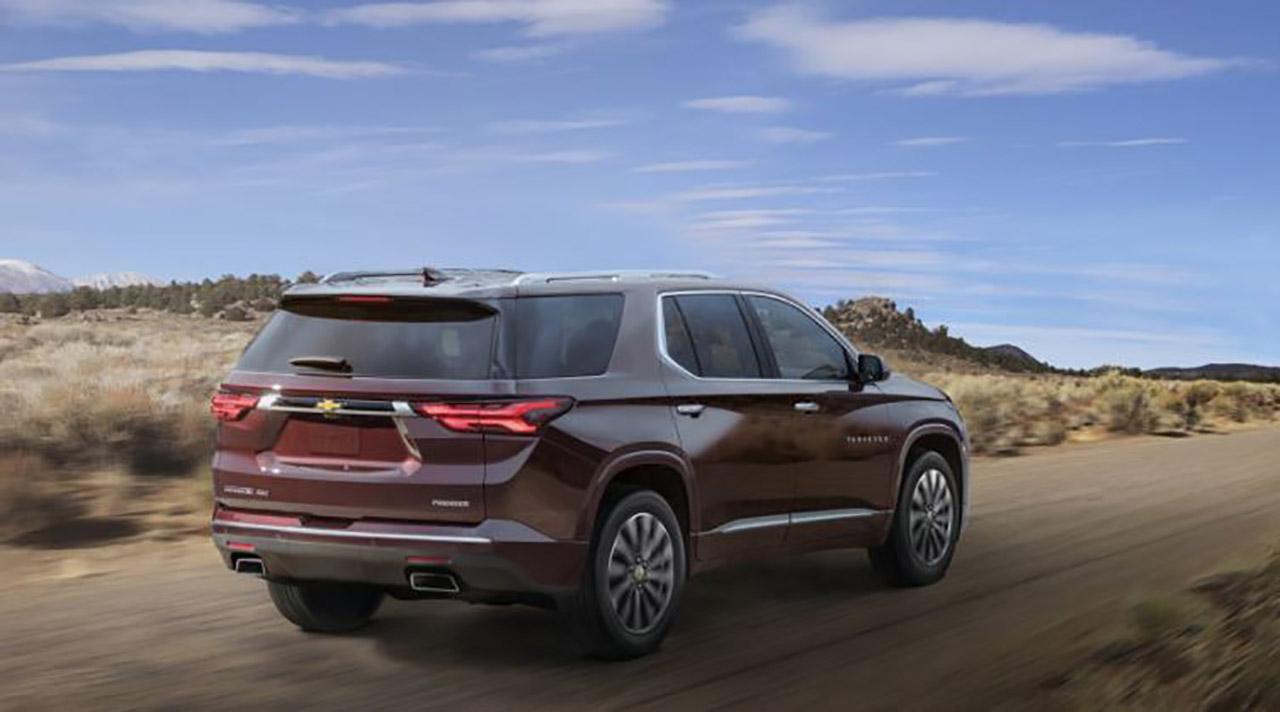
The modern three-row SUV has evolved from a simple family carrier into a kind of rolling living room—one that must satisfy weekend detours, weekday commuting, and the occasional “we’ll just stop for one thing” impulse trip that somehow turns into a full-day adventure. In the thick of that crowded segment, the 2026 Chevrolet Traverse and the Kia Telluride represent two distinct philosophies. One leans into space-first practicality and a familiar American comfort cadence. The other leans into design confidence, refined usability, and a value proposition that often feels more generous than it should.
So how do these midsize giants actually compare when the checklist gets real? Let’s walk through the categories that matter—where each vehicle shines, where compromises lurk, and what readers can realistically expect if they’re shopping with a family, a budget, or both.
First Impressions: Silhouette, Presence, and Street Cred
At a glance, the Telluride tends to arrive with a deliberate sense of theatricality. Its proportions communicate confidence: a broad stance, tasteful body contouring, and a face that looks composed even when parked in a busy lot. It’s the kind of design that doesn’t need to shout to be noticed.
The Traverse, meanwhile, typically reads as approachable and sturdy—less “attention magnet,” more “reliable contractor” energy. Its front-end styling emphasizes mass and utility, and its cabin layout tradition suggests you’ll be able to live with it effortlessly.
Expect buyers to react differently. Some shoppers prioritize curbside charisma and will gravitate toward the Telluride’s more expressive aesthetic. Others will appreciate the Traverse’s straightforward, low-drama presence.

Cabin Atmosphere: Comfort, Layout Logic, and Everyday Ergonomics
The most honest comparison often happens inside. In a three-row SUV, cabin logic is everything: where the cupholders are, how quickly the seatbacks fold, whether third-row passengers feel like they’re tucked into a forgotten corner, and if the dash controls avoid unnecessary gymnastics.
The Telluride generally offers a cabin environment that feels curated—materials that appear more considered, and a layout that tends to guide occupants naturally from driver to second row to the final seatbelt destination. The workflow around the center stack often feels intentionally arranged, with minimal fuss.
The Traverse, on the other hand, tends to emphasize usability and generous space. Its interior often feels like it was engineered for real errands: kids with backpacks, groceries needing a clean landing, and passengers who repeatedly rearrange their comfort settings without thinking about it.
In other words, both can feel welcoming—but the Telluride often leans toward “refined home,” while the Traverse leans toward “functional headquarters.”
Space and Seating: Who Gets the Good Seats in a Full House?
When you’re carrying a crowd, legroom is only part of the story. Entry and exit matter—how the doors open, how easily you can reach the third row, and whether seat folds behave like a friendly mechanism instead of a wrestling match.
Both SUVs aim to deliver a credible third row, but the Telluride frequently feels especially balanced for family use. It can accommodate multiple body types comfortably, and its second-row experience tends to be a pleasant midpoint between driver-focused comfort and true long-trip serenity.
The Traverse typically competes by offering an expansive feeling overall. The second and third rows can work well for families that alternate between short drives and long, destination-heavy weekends.
If your household often uses all three rows, pay close attention to how each vehicle handles your typical loadout: car seats, strollers, sports bags, and the “mystery items” that accumulate behind the front seats. Those details turn specifications into lived experience.
Powertrains and Driving Character: Smoothness vs Urgency
Driving character isn’t just about horsepower numbers; it’s about how the vehicle delivers response and how it behaves when the road tilts—whether that’s an on-ramp merge or a highway pass when the family is finally settled.
The Traverse’s driving vibe tends to be more about predictable smoothness. It often feels calibrated for everyday motion, with a focus on comfort rather than frantic immediacy. That can be a blessing for drivers who want their commute to feel settled and easy.
The Telluride tends to bring a more composed sense of confidence. Its acceleration and passing demeanor often read as assured, particularly when the cabin is loaded. The overall tuning can feel slightly more “connected,” making it easier to anticipate how it will respond.
Neither is a sports car, obviously—but the subtle differences can matter when you’re doing hours on the road or frequently navigating elevation changes.
Tech and Infotainment: The Dashboard as a Control Center
Modern buyers don’t just want a screen; they want a control center that makes life simpler. That includes navigation speed, voice command usefulness, smartphone integration reliability, and whether the interface encourages or frustrates.
The Telluride commonly appeals to shoppers who value thoughtful tech integration. The system feel is often quick to interpret intent, and the interface tends to land in that sweet spot between feature-rich and not overly complicated.
The Traverse can feel similarly equipped, with its own emphasis on practicality and driver familiarity. Many shoppers appreciate the “everything within reach” feeling—buttons and controls that don’t require memorization.
For content readers, the best way to evaluate tech is to consider the daily rhythm: morning commute, kids’ playlists, navigation updates, and how quickly a new driver can adjust settings without a guided tutorial.
Safety and Driver Assistance: Confidence in the Fine Print
In a three-row SUV, safety is more than a checklist—it’s a psychological baseline. Lane-keeping help, adaptive cruise behavior, blind-spot awareness, and how the system communicates alerts all shape day-to-day trust.
The Telluride is frequently praised for a suite of driver-assist features that aim to reduce workload and enhance situational awareness. Its assistance often feels designed to support, not nag.
The Traverse typically emphasizes a similar philosophy: making long drives less exhausting and helping drivers stay oriented in traffic. For families, the question isn’t whether features exist—it’s whether they behave consistently when conditions get chaotic: rain, bright glare, stop-and-go traffic, or construction zones.
Readers should also consider real-world scenarios: entering a highway, changing lanes with a trailer-like load, and navigating crowded parking lots where the third row passengers can’t contribute to visibility.
Ride Quality and NVH: The “Quiet Contract”
NVH—noise, vibration, and harshness—is where comfort either becomes a selling point or turns into an annoyance you’ll notice every single day. A good three-row SUV should smooth out expansion joints, minimize wind noise, and keep road texture from hijacking your focus.
The Traverse often aims for a comfortable, composed ride that feels forgiving over imperfect pavement. It’s the type of tuning that makes road trips feel less like endurance tests.
The Telluride generally delivers a ride that feels polished and controlled. It can be confident on highways while still absorbing everyday irregularities in the pavement.
For families, this category often becomes decisive because kids can fall asleep more easily when the vehicle’s cabin stays calm and predictable.
Storage, Cargo, and the Art of Loading
A three-row SUV must excel at cargo reality, not just cargo theory. It’s about how quickly you can load groceries, fit luggage without contorting your back, and handle the transition between “everyone rides” and “everyone leaves.”
The Telluride often offers a storage layout that feels logical—space that works whether the third row is up for passengers or folded for hauling. The transition typically aims to be fast and intuitive, which matters when you’re doing repeated stops.
The Traverse is also competitive here, often leaning into the “practical bulk” approach. When the seats are configured for cargo, it can feel like an accommodating moving van with a comfortable ride attached.
Readers can expect helpful guidance in comparison content that breaks down everyday packing patterns: stroller-in, cooler-out; sports gear-first; or school morning chaos with minimal time to negotiate.
Value and Ownership: What Your Wallet Will Feel
Value isn’t only about price—it’s about how ownership cost shapes the long timeline of normal life. That includes fuel economy expectations, maintenance patterns, warranty confidence, and the longevity of features you’ll rely on.
The Telluride often attracts shoppers who want a “more for less” feeling without compromising comfort or safety. It frequently earns attention for how well its equipment matches the money spent.
The Traverse can appeal to buyers who prioritize proven practicality and a broad base of service familiarity. For many households, that translates into peace of mind during long ownership years.
In content comparisons, this category is where readers benefit from ownership-focused breakdowns—what to watch for over time, which components tend to matter most, and how the vehicle’s personality fits different lifestyles.
Which One Wins the Battle? It Depends on Your Family’s Rhythm
The Traverse often feels like the choice for shoppers who want dependable spaciousness, straightforward comfort, and an easy daily flow—especially when the vehicle becomes a moving base for errands and schedules.
The Telluride, meanwhile, tends to appeal to families who want a more stylish and refined cabin experience, with a sense of confidence that carries through to tech usability and the overall premium feel of the drive.
Neither SUV is the wrong pick. The “winner” depends on what you prioritize most: comfort-first utility versus curated refinement; practical space management versus design-forward presence. Your best test is not just a spec sheet—it’s how each vehicle makes you feel when you’re actually loading the trunk, corralling the kids, and settling into the driver’s seat for the long stretch.
Final Thoughts: Choosing with Clarity
In the 2026 three-row SUV arena, the Chevrolet Traverse and Kia Telluride both understand the assignment. They’re built for the real world—where the schedule is never linear and the family’s needs evolve by the minute.
If your priorities orbit around effortless practicality and a relaxed cabin cadence, the Traverse is likely to feel like a familiar friend. If your priorities gravitate toward expressive style, polished everyday usability, and a cabin that feels intentionally composed, the Telluride can feel like a confident upgrade to your routine.
Choose the one that matches your life’s rhythm—and you’ll end up with a three-row SUV that doesn’t just transport passengers, but elevates the entire journey.