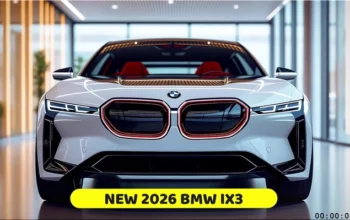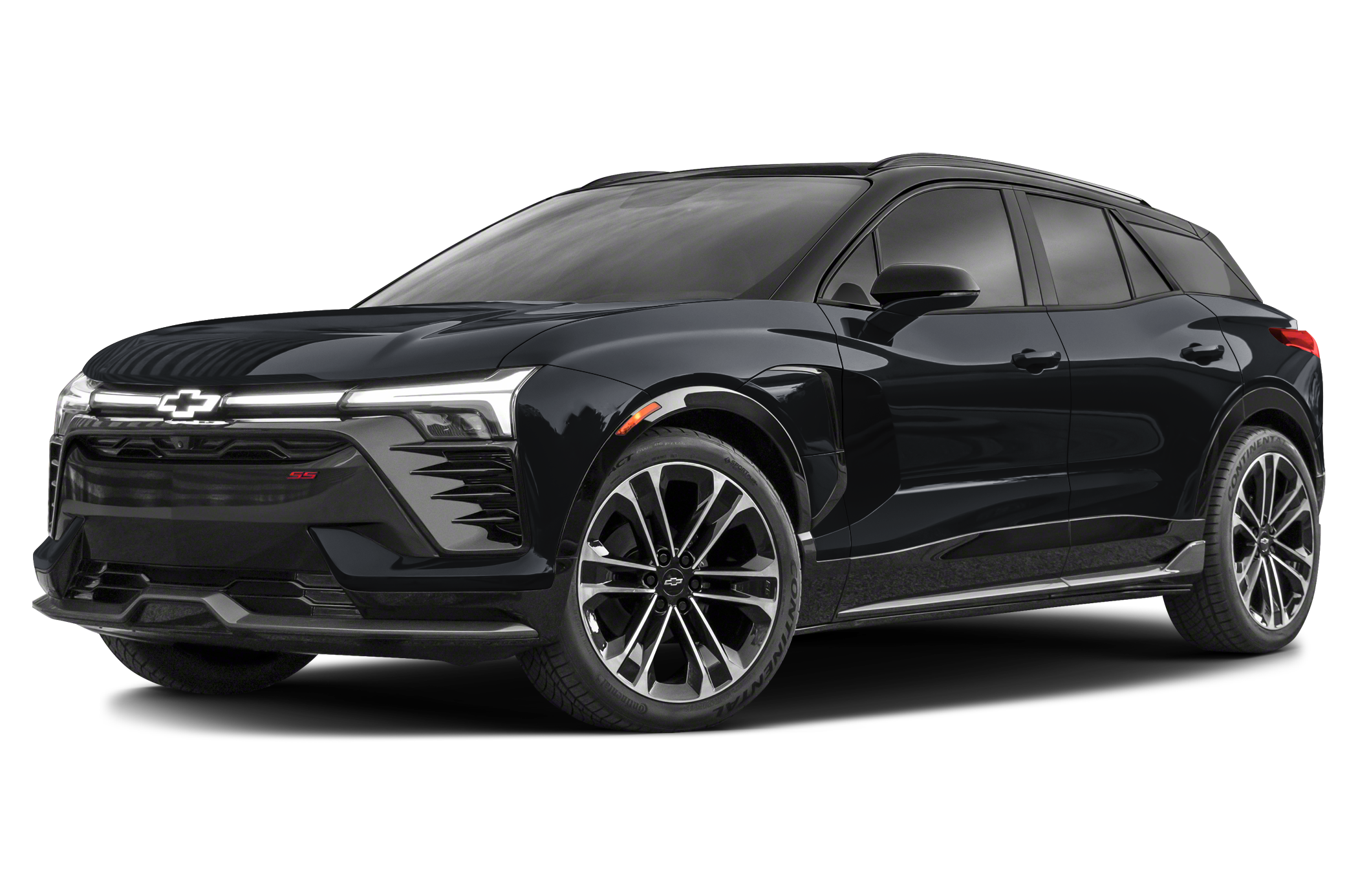
The 2026 Blazer EV SS arrives like a quietly electrifying misdirection—one that looks familiar at a glance, then refuses to stay predictable once you start to study it. It’s easy to think of an electric SUV as a compromise: efficient, composed, maybe even competent, but rarely daring. The Blazer EV SS challenges that assumption with the kind of Super Sport energy that doesn’t shout. It lingers. It invites you to reconsider what “performance” means when there’s no engine to rev, no exhaust note to anchor your expectations, and yet the sensation of acceleration can be even more immediate, more visceral, more startling.
This isn’t simply a faster version of an electric crossover. It’s an argument for a different perspective—one where instant torque replaces patience, where traction becomes a choreography rather than a limit, and where the design isn’t just aerodynamic, but intentional in the way it directs attention. The Blazer EV SS promises to make electric driving feel less like an appliance and more like a pursuit.
Super Sport Personality: Built to Feel Quick, Not Just Be Quick
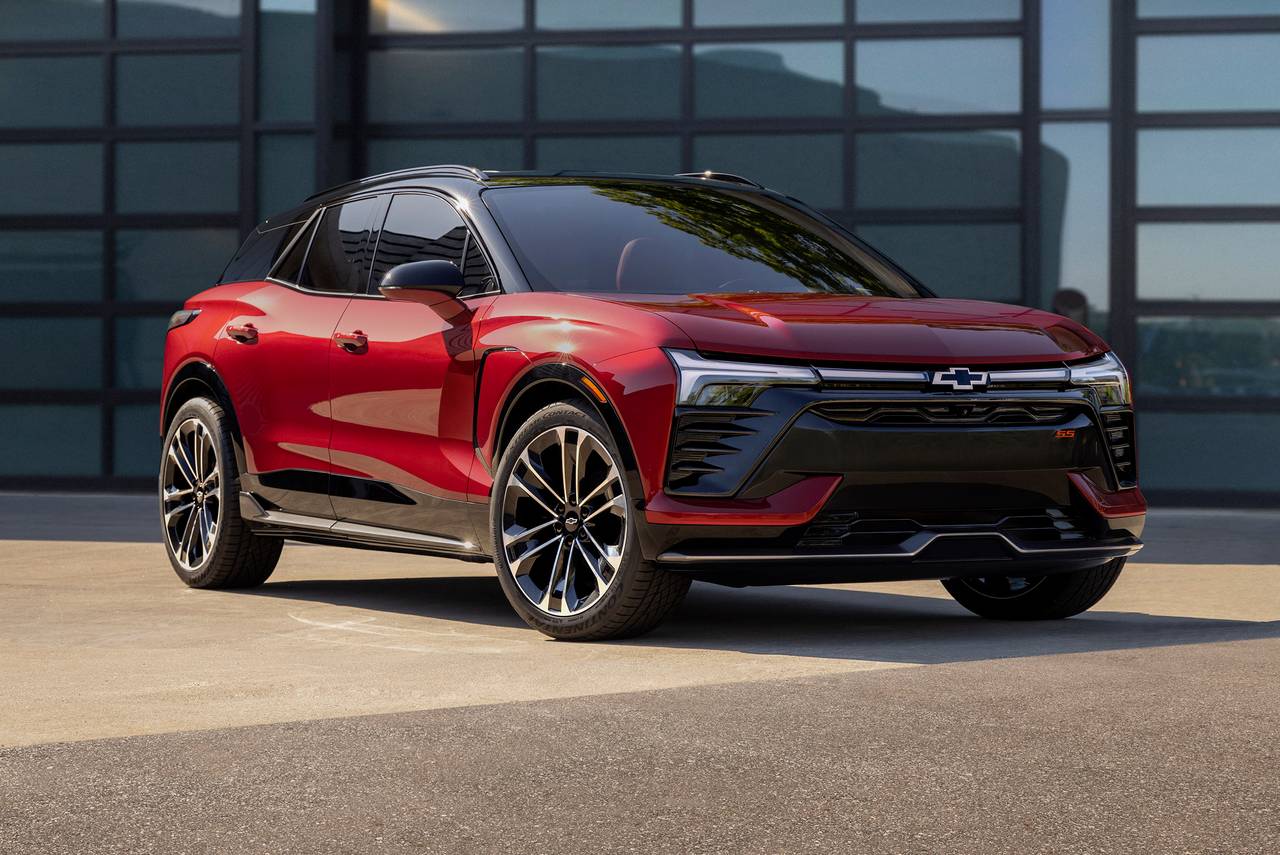
“SS” carries a certain cultural weight, and the 2026 Blazer EV SS leans into that legacy with a confidence that’s hard to manufacture. The presence is purposeful—athletic proportions, a stance that reads as planted, and details that suggest motion even when the vehicle is stationary. Short and long cues work together here: sharp surfacing for visual momentum, and darker accents that make the whole silhouette look as though it’s carving through air.
The real trick is how that personality translates into driving. Electric power can be relentless, but it can also be cold if the calibration is wrong. With the Blazer EV SS, the intent feels warmer—more responsive at low speeds, more eager during merges, and more assured when you ask for sudden change. It’s the difference between “capable” and “compelling.”
Instant Torque Philosophy: Acceleration Without the Usual Ritual
Most cars train drivers to expect power in a familiar sequence: revs climb, engine note rises, then acceleration arrives. The electric drivetrain breaks that pattern. In the Blazer EV SS, torque arrives as a near-automatic response—an almost immediate consequence of your right foot. That can be thrilling, but it also creates a new kind of intimacy. You don’t “wait” for performance; you command it.
What becomes fascinating is how the vehicle manages that command. Traction is not simply about grip—it’s about how smoothly the power is metered, how quickly the system reacts to road conditions, and how confidently it restores composure when the surface changes. The SS character suggests that the tuning prioritizes driver sensation, making acceleration feel less like a switch and more like a surge with shape.
And then there’s the psychological side. When you’re used to engine noise as a cue, electric power can feel uncanny at first. But once you acclimate, the silence becomes an accelerator of its own. You hear tire textures instead of mechanical ambition. The result is a different kind of thrill—one that feels crisp rather than theatrical.
Chassis Confidence: Handling That Feels Deliberate, Not Random
An electric SUV has a weight story, and that story can either be a liability or a foundation. The Blazer EV SS aims for the latter. A performance-oriented electric platform requires thoughtful suspension geometry, steering calibration, and stability logic that doesn’t overreact. The goal isn’t to create a car that’s merely stiff. It’s to create one that’s decisive.
Picture a vehicle that holds its line with minimal drama—responsive turn-in, predictable mid-corner balance, and feedback that doesn’t feel numb. Short, immediate steering responses help you place the vehicle where you intend. Longer confidence through sweeping curves helps it feel planted, not skittish. The SS badge implies that this isn’t an SUV tuned to “behave.” It’s tuned to perform.
Because electric drivetrains can deliver torque so quickly, traction management becomes a performance tool. When the system senses slip, it doesn’t just correct—it adapts, refining the delivery until the vehicle feels like it’s reading the road in real time. That’s when the experience stops being about speed alone and becomes about composure.
Battery and Range: Performance That Doesn’t Vanish After the First Drive
In the electric world, range often becomes the first question. Yet a performance-focused model adds a second: can it stay spirited without turning efficient driving into a discipline? The 2026 Blazer EV SS leans into the idea that you shouldn’t have to choose between enjoyment and practicality. It’s not about never going fast; it’s about being able to explore fast and still return with the confidence that the next day won’t feel like penance.
Battery management matters here. Temperature regulation, charging strategies, and power delivery curves determine whether performance is consistent or progressively limited. The SS approach suggests a system designed to preserve capability rather than merely maximize initial output. That transforms the driving day from a single event into an ongoing rhythm—commute, errands, and spirited stretches without the nagging fear that the fun will fade.
Range also changes how people think about routes. With charging planning becomes a new kind of navigation—a gentle predictability rather than a restrictive one. The Blazer EV SS invites the driver to think in terms of mobility, not just distance.
Charging Experience: Turning Downtime Into a Convenient Interlude
Fast charging isn’t just a metric; it’s a lifestyle detail. The Blazer EV SS is positioned to make replenishment feel less like waiting and more like momentum. Charging intervals blend into ordinary routines: a quick stop, a short break, a return to the road with renewed intent.
There’s also a subtle promise hidden in modern EV architecture: improved power delivery can mean the vehicle is better at managing charge stability, which helps maintain performance readiness. The SS model, with its performance emphasis, implies careful coordination between battery health safeguards and the desire for quick turnarounds.
Even if you don’t chase peak charging speeds, the broader promise remains: the vehicle wants to fit into your schedule rather than force you to reorganize your life around a charging ritual.
Design and Aerodynamics: The Aesthetics of Efficiency With a Predator’s Stare
Some SUVs look sporty because they borrow sport styling cues. Others look sporty because their surfaces look engineered. The Blazer EV SS belongs to the second category. Its aerodynamic intent is visible in the way the bodywork flows, in the way the front fascia and side profiles suggest airflow discipline, and in the way lighting elements sharpen the silhouette.
There’s an artistry to the details—grilles and openings that feel less decorative and more functional, body lines that appear to guide air rather than merely cover panels. It’s a design language that respects the reality of electric vehicles: performance isn’t just about power, it’s also about resistance.

Tech and Driver Interface: Performance You Can Understand Instantly
Electric performance is partly mechanical, partly informational. The driver needs feedback—energy flow, traction modes, regen behavior, and route planning clarity. The Blazer EV SS perspective feels oriented toward comprehension rather than confusion. Controls should make sense quickly, and the interface should reduce friction at the moments when you want to focus on driving.
In practice, that means the vehicle should provide real-time understanding without overwhelming. Regenerative braking settings and drive-mode choices should feel like tools, not menus. The objective is to keep the driver connected to what the car is doing, so the acceleration sensation stays grounded in predictability.
Even the quiet cabin becomes part of the performance experience. When sound is reduced, the interface can take on more significance—highlighting what the drivetrain is delivering, how it’s conserving energy, and how it’s protecting traction.
Everyday Usability: Sportiness That Doesn’t Abandon Practicality
Performance vehicles sometimes forget the rest of life. The Blazer EV SS instead reads as a “can-do” machine: roomy enough for normal routines, adaptable for changing plans, and engineered for real roads rather than showpiece roads. The promise here isn’t that it’s perfect for every trip—it’s that it’s practical enough to keep its performance relevance beyond the novelty phase.
That’s what makes the SS identity feel credible. An electric SUV can be exciting, but it has to be livable to become a long-term companion. The Blazer EV SS aims to be more than a weekend thrill. It wants to be a daily instrument—one that stays interesting even after the first rush fades.
Why the 2026 Blazer EV SS Changes the Way You Think
The shift in perspective isn’t only about speed. It’s about how energy, motion, and control feel when the drivetrain is instantaneous and the feedback loop is continuous. The Blazer EV SS encourages curiosity—about charging strategy, about driving dynamics, about how an EV can feel athletic rather than merely efficient.
Once you experience the blend of confident styling, torque-forward acceleration, and chassis composure, the old assumptions begin to loosen. Performance stops being a single number and becomes a feeling: deliberate, responsive, and surprisingly engaging. The SS doesn’t just ask you to go faster. It asks you to notice how different faster can feel when the car is built for electric immediacy.
Final Thoughts: A Super Sport EV That Invites the Next Question
The 2026 Blazer EV SS is less about replacing the classic performance script and more about writing a new one. It promises electric excitement with an attitude that looks purpose-built, drives composed, and stays intriguing across the day. The result is an SUV that doesn’t merely move you—it reorients your expectations.
If you’ve been waiting for an EV that treats performance as an experience rather than an afterthought, the Blazer EV SS is worth a closer look. It’s the kind of vehicle that leaves you thinking—just long enough to wonder what happens when you push it a little further, and then live with it a little more.