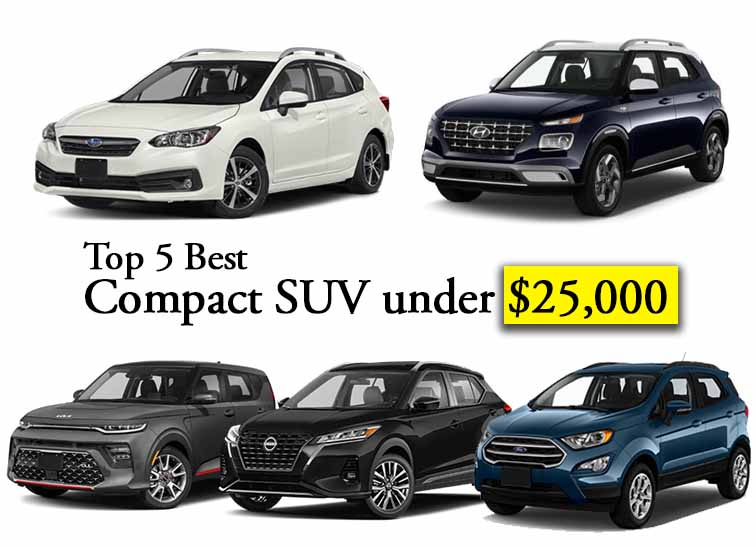
You can feel it the moment you start shopping: the used-car market is a labyrinth of thumbnails, price tags, and half-truths. Yet the promise of a good compact SUV—zippy in town, composed on the highway, useful without feeling frumpy—pulls you forward. Under $25,000, that promise can become a reality, but only if you shift your perspective. Instead of chasing brand-new gloss, you’re hunting for engineering maturity: the point where depreciation does the heavy lifting while the vehicle still feels contemporary.
In 2026, compact SUVs are more capable than many buyers expect for the money. The trick is to choose models with a strong track record, sensible trims, and a history you can actually verify. Think of it like selecting a key: it’s not just about the metal—it’s about the cut. When the cut matches, everything else clicks.
Below is a wide, practical tour of the best used compact SUVs you can realistically target for under $25,000 in 2026, with an emphasis on how to shop intelligently, what to prioritize, and how to avoid the most common traps.
Why “compact SUV” under $25,000 is a different game in 2026
Compact SUVs have become the default compromise: more space than a sedan, more comfort than a minivan, and more versatility than most hatchbacks. But under $25,000, you’re rarely buying the newest model year. Instead, you’re buying the sweet spot—vehicles that entered the mainstream long enough ago to have clear reliability patterns, while still offering modern conveniences that make daily life easier.
In 2026, that sweet spot often means you’re considering the tail end of a generation, or a model year where the major redesign bugs have already been scrubbed. Reliability isn’t a vibe; it’s a pattern. When you lean into that, you stop gambling.
What “best” means here: reliability, usability, and cost-of-ownership
“Best” is not simply the highest horsepower spec. Under $25,000, the most satisfying SUVs are the ones that stay reliable while keeping monthly expenses predictable. That includes insurance friendliness, fuel economy, parts availability, and the likelihood you’ll spend your weekends bargaining with a mechanic instead of living your life.
Also, pay attention to usability. A compact SUV should feel effortless: intuitive infotainment, practical storage, and seat comfort that doesn’t punish long drives. The best candidates make the mundane feel smooth—commutes become less of a chore, grocery runs feel organized, and weekend getaways don’t require a packing strategy worthy of an expedition.
How to shop smarter than the listing
Listings can be misleading in subtle ways—sometimes intentionally, sometimes not. A single photo can hide tire wear, misrepresent a “minor” accident, or mask a neglected interior. Instead of falling for the gloss, use a structured approach.
Start with the basics: verify the VIN, confirm service records, and review accident history. If a seller can’t provide reasonable documentation, your curiosity should dim. Next, inspect the vehicle like a detective. Look for uneven panel gaps, a mismatched paint sheen, and signs of water intrusion in the cabin. Check under the hood for corrosion where it shouldn’t be, and inspect the tires for wear patterns that suggest alignment issues or suspension neglect.
Short sentence, long impact: if the vehicle feels haphazard, your ownership won’t be graceful.
Promise of the sweet spot: mileage, age, and the “right” model year
Buyers often ask which matters more: mileage or age. In this price band, the best answers usually balance both. Low mileage isn’t automatically better if maintenance was minimal. Meanwhile, moderate mileage with a documented service timeline can be a smarter purchase than a low-mileage anomaly.
Consider prioritizing vehicles that show evidence of regular upkeep—oil changes on schedule, brake service when needed, transmission fluid maintenance where applicable, and tires replaced before they become an expense spiral. In other words, you want a paper trail, not just a odometer.
Top contenders: the most sensible used compact SUVs under $25,000
Not all compact SUVs are created equal at this budget. Some are bargains because they depreciated hard; others are bargains because they were designed to last. The following categories represent the kind of choices that tend to deliver the best blend of comfort, practicality, and long-term sanity.
Honda CR-V: the dependable default with surprisingly modern comfort
The Honda CR-V has earned its reputation through a simple philosophy: build a vehicle that behaves predictably and keeps functioning as life changes around it. Under $25,000, you can often find models with strong value—especially when you’re willing to consider slightly older trims.
Expect a calm ride, intuitive cabin design, and a reputation for reliability that makes future planning easier. Even when the infotainment tech isn’t the newest, the overall ergonomics often feel thoughtfully arranged. If your definition of “best” includes low drama, the CR-V remains a compelling axis around which your ownership revolves.

Toyota RAV4: durability with a practical, go-anywhere temperament
The RAV4 is a vehicle that seems to understand errands, bad roads, and unpredictable schedules. For many buyers, it’s the SUV that simply fits—drivers notice how it carries cargo, how it handles everyday driving, and how it doesn’t require constant attention.
Look for clean maintenance history and trims that match your needs. If you want versatility, prioritize ground clearance and drivetrain configuration. If you want economy, choose powertrains known for efficient daily use. Either way, you’re typically buying into a vehicle that has a deep bench of parts and service knowledge—an underrated advantage when the time comes to fix something.
Mazda CX-5: a quieter kind of value with personality intact
Some SUVs feel like transportation. The Mazda CX-5 can feel like a small upgrade in taste. Its cabin often delivers a more premium atmosphere than its price suggests, and the driving feel tends to be communicative without being chaotic.
Under $25,000, you may find earlier model years or well-kept examples that still have a contemporary stance. It’s a strong option if you care about the way the cabin feels on a rainy night drive or how naturally the controls fall into place. For buyers who want a touch of individuality, the CX-5 can be the quiet flex.
Hyundai Tucson: where features meet affordability
The Tucson has made waves with its feature density—sometimes offering tech and comfort options that would cost more in competitors. In a budget conversation, that matters. You’re not only buying wheels; you’re buying convenience.
When shopping the Tucson, focus on trim level and verify maintenance. A well-cared-for Tucson can feel like a bargain ecosystem: modern features, roomy seating, and a comfortable driving rhythm. The goal is to find one that was owned responsibly, with service that reflects long-term commitment rather than last-minute fixes.
Subaru Forester: confidence for winter, rain, and the roads you can’t predict
If your region brings weather that refuses to negotiate, the Subaru Forester becomes an appealing candidate. Its reputation for traction and stability can translate into day-to-day confidence. The interior layout often supports a practical lifestyle, whether you’re hauling gear or simply want room for friends and weekend plans.
In the under-$25,000 market, you’ll want to pay close attention to service records, particularly for components affected by time and driving conditions. Yet when you match the vehicle’s history to your needs, the Forester can deliver the kind of reassurance that makes long drives feel lighter.
Nissan Rogue: comfort-forward practicality—when chosen carefully
The Rogue often attracts buyers who want a comfortable cabin and smooth commuting. It can offer a relaxing driving experience, and the cabin layout usually makes daily logistics feel manageable.
However, careful selection is vital in this budget bracket. Check service history thoroughly and inspect for signs of neglect. With the right example, the Rogue can be a satisfying purchase because it emphasizes comfort first. With the wrong example, it becomes a budget trap. Your job is to separate the two by insisting on proof.
What to prioritize during the test drive
A test drive is where curiosity becomes clarity. Listen for unusual noises over uneven pavement. Pay attention to steering feel—does it remain consistent, or does it wander? Notice brake response and how the transmission shifts. Watch for vibrations at speed, and gauge whether the ride feels composed instead of floaty.
Long sentence, short outcome: if the vehicle doesn’t feel right at 20 minutes, it rarely becomes right later.
Also evaluate visibility and seating comfort. Compact SUVs can vary dramatically in driving posture. Adjust the seat, check mirror angles, and ensure you can operate controls without contortions. You’re looking for a vehicle that fits your body and your habits.
Budget reality: insurance, fuel, and maintenance surprises
Under $25,000, it’s tempting to focus only on the purchase price. But your real budget includes insurance premiums, fuel costs, tires, brake wear, and routine maintenance. Compact SUVs can be efficient, but efficiency depends on driving patterns, tire choices, and the vehicle’s mechanical condition.
Request the maintenance schedule for the specific model year and review typical service intervals. Tires and brakes can become significant expenses if the vehicle has been driven hard or neglected. If you’re unsure, ask for a tire tread measurement and a brake inspection before committing.
Think of it as forecasting. The best deals are the ones that hold up when the calendar moves.
Financing and negotiation: how to keep your leverage
In 2026, negotiation still matters—sometimes more than ever. Before you talk price, research typical market values for the exact trim and mileage. If a seller expects you to accept vague claims, resist. You can negotiate more effectively when you bring specifics: documented service history, a pre-purchase inspection report, and comps from similar listings.
Keep your bargaining posture calm and precise. Short phrase, sharp result: ask for what you want, not what you’re hoping for.
Outsmart the hidden risks: recalls, accidents, and warranties
Recalls and accidents are not automatically deal-breakers, but they must be understood. Verify recall status using the VIN and confirm whether repairs were completed. Review accident details to see whether structural components were involved and whether repairs appear professionally executed.
Whenever possible, obtain a pre-purchase inspection from a qualified mechanic. The cost of an inspection is usually small compared to the cost of finding out later. If a vehicle passes inspection, you gain momentum. If it doesn’t, you gain protection.
Final guidance: your best used compact SUV is the one that matches your life
The “best” used compact SUV under $25,000 in 2026 isn’t a single model—it’s a match between your priorities and the vehicle’s history. Some drivers want the serenity of proven reliability. Others want feature-rich convenience. Some need traction confidence. The most successful purchases happen when buyers choose purposefully rather than impulsively.
Approach the hunt like a story you’re writing: each detail adds plot. Maintenance records are clues. Tire tread is mood. A test drive is the turning point. When the pieces align, the purchase stops feeling like a gamble and starts feeling like a plan.
Choose wisely, verify everything, and let the used market work in your favor. Under $25,000, the right compact SUV can feel less like a compromise and more like a quietly brilliant decision—one that carries you forward with comfort, capability, and a surprising sense of control.